 NL
NL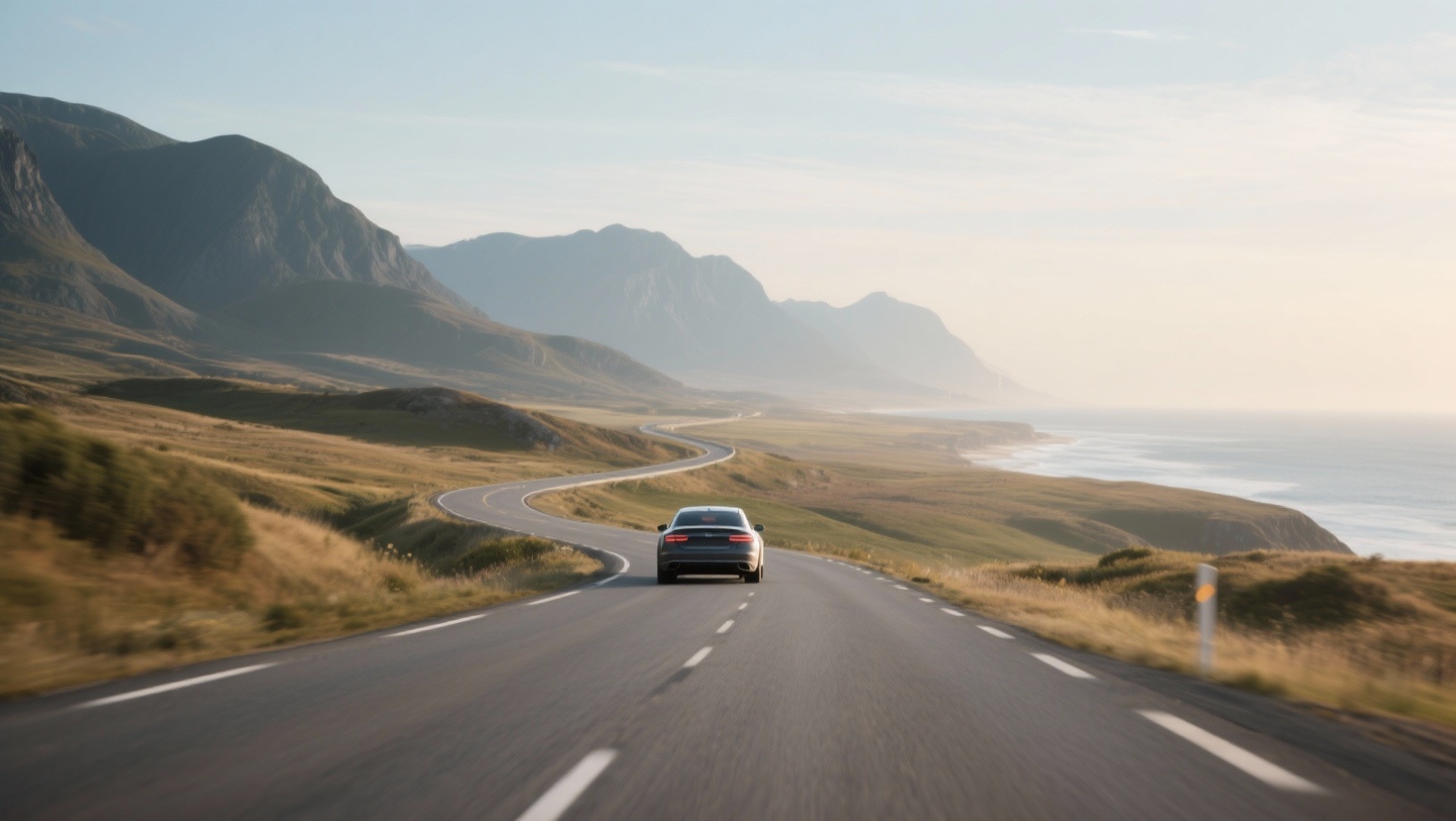
A successful driving holiday with an electric car stands or falls with good preparation and a smart driving style. By optimising your range and following the right driving tips, you can get further than you think and keep the journey relaxed. Discover how a few simple adjustments can help you get the most out of your battery.
The basics for greater range
The range of an electric car is not a fixed value. Factors such as your speed, the outside temperature, the weight of the car and your driving behaviour all influence how far you can go. A constant, calm driving style delivers the best results. Hard acceleration and high speeds use a disproportionate amount of energy. Use your car’s eco mode; this limits the power and the energy consumption of, for example, the air conditioning, which is ideal for long distances. By managing these elements consciously, you create the basis for an efficient trip.
‘ Driving at 100 km/h instead of 120 km/h can significantly increase your range, because air resistance increases exponentially at higher speeds. ’
Anticipating and driving at a constant speed
One of the most effective ways to save energy is to anticipate the traffic well. Look far ahead and let the car coast when you approach a traffic light or roundabout. This is always more efficient than braking at the last moment. On the motorway, using cruise control helps you maintain a constant speed. This prevents unnecessary acceleration and deceleration, which directly contributes to greater range. Driving at 100 km/h instead of 120 km/h can significantly increase your range, because air resistance increases exponentially at higher speeds.
The impact of luggage and roof boxes
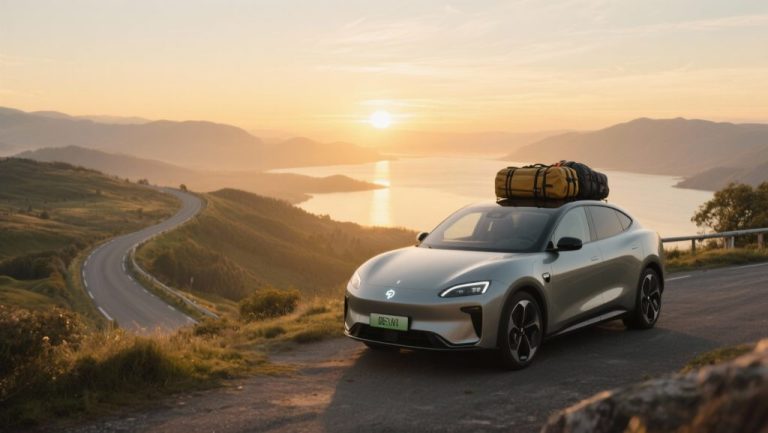
Every extra kilogram of weight uses energy. So only take what you really need. A roof box in particular has a major impact on the aerodynamics and the weight of the car. The extra air resistance can reduce your range by 20 to 30%. If you are travelling with a roof box, take into account significantly shorter distances between charging stops. Plan your route accordingly and build in extra margin so you do not end up facing unpleasant surprises.
Smart driving in the mountains
A trip through the mountains demands more from your battery, but it also offers opportunities to recover energy. While climbing, the car naturally uses more power. Be prepared for this and make sure you start a mountain pass with a full battery. You make up for it on the way down. Make optimal use of regenerative braking. When you release the accelerator, the car slows using the motor and converts kinetic energy into electricity, which flows back into the battery. In many cars you can set the level of regeneration. In the mountains, choose the strongest setting so you have to brake less and at the same time increase your range.
‘ A well-planned trip with an electric car does not have to be stressful at all. ’
Practical tips before you leave and on the road
Good preparation is half the battle. With a few simple actions you can reduce energy consumption even further and make your journey more comfortable. Keep the following points in mind:
- Tyres and maintenance: Check the tyre pressure before you leave. Tyres that are underinflated increase rolling resistance and can raise consumption by 10 to 20%.
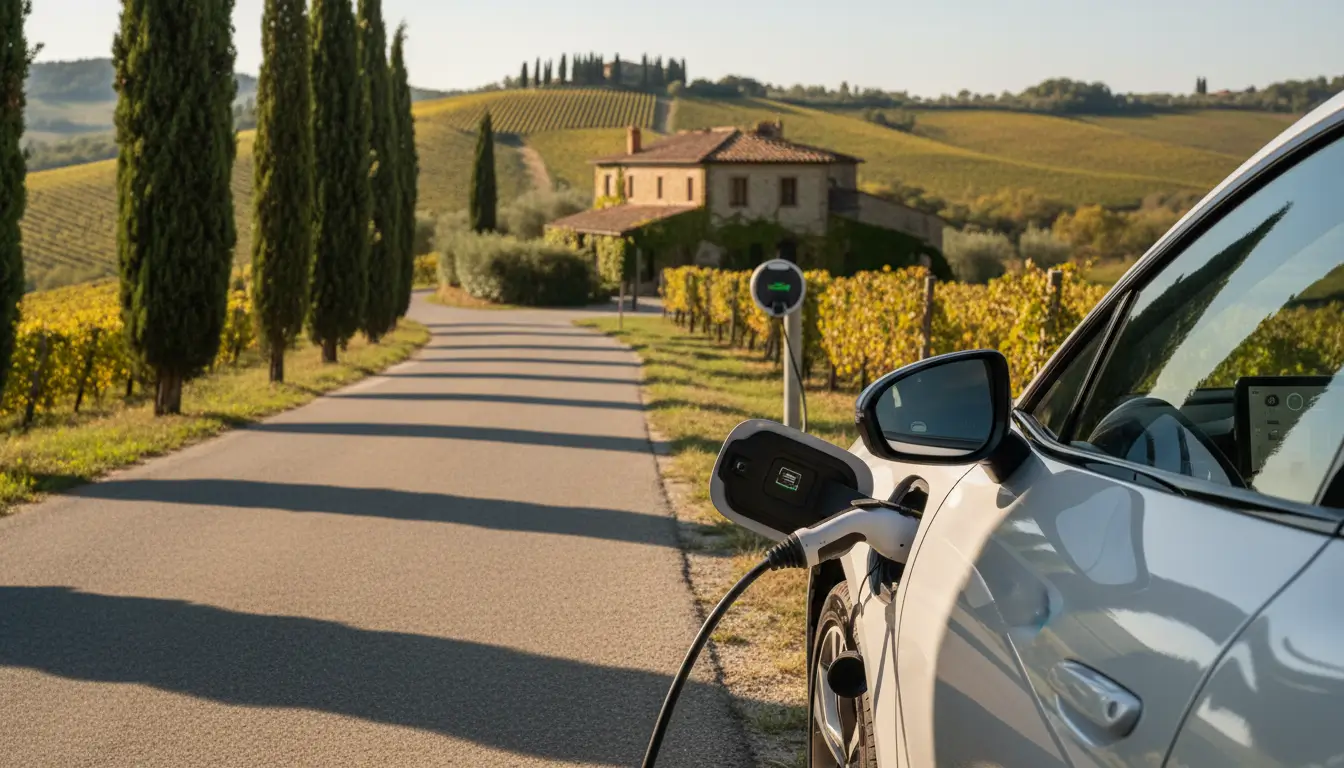
- Climate control: Heat or cool the interior of the car in advance while it is still plugged in at the charging point. That way it does not use energy from your battery. On the road, use seat heating instead of full cabin heating; this is considerably more efficient.
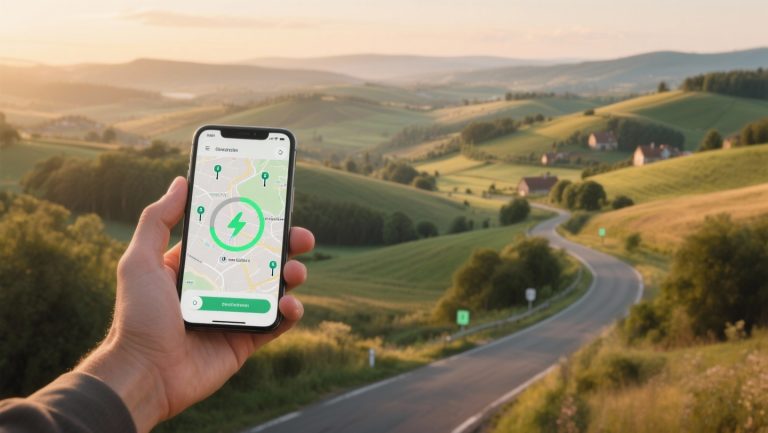
- Route planning: Use a navigation system that is specifically designed for electric cars. These systems plan a route including the necessary charging stops. Always make sure you have a buffer of at least 15% remaining on arrival. That way you are prepared for unexpected diversions or a charging station that is occupied.
A well-planned trip with an electric car does not have to be stressful at all. On the Traveler Tips website you will find many more articles and guides on planning your road trip, the most beautiful routes and practical checklists for your driving holiday. Discover how to travel more smartly and with more enjoyment.
Frequently asked questions
To travel efficiently with an electric car, you maximise your range by driving at a constant speed, using eco mode and making use of regenerative braking. Minimise weight, maintain the correct tyre pressure and pre-heat or pre-cool the car before departure while it is still connected to the charger. Plan your route with EV-specific navigation to find charging points and avoid traffic jams, and take weather conditions into account for a realistic estimate of your range.
To reduce fuel or energy consumption, you can apply specific driving techniques such as maintaining a constant speed with the help of cruise control and anticipating traffic by coasting towards traffic lights. Maximise regenerative braking by letting the car slow down via the accelerator and making use of paddles or settings for energy recuperation. Limit your speed and avoid hard acceleration, as higher speeds increase air resistance exponentially. Use your vehicle’s eco mode, which limits power and air conditioning, and minimise unnecessary weight and luggage.
To monitor and optimise your range during your road trip, there are various apps and tools available that help you with route planning and finding charging points. It is advisable to use navigation that offers EV route optimisation, including real-time traffic information. In addition, you can gain a lot of range by maintaining a constant driving style, using eco mode and maximising regenerative braking. Before departure, it is smart to pre-heat or pre-cool the car while it is plugged in, to ease the load on the battery while driving.
Extra weight in the car directly reduces the range of your electric vehicle. Smart packing tips include minimising unnecessary load and optimising the weight distribution. In addition, use eco mode and drive at a constant speed to save energy. Also check tyre pressure weekly, as low pressure increases rolling resistance.
Your driving style has a significant influence on your travel experience, especially with electric cars where it directly affects range. By driving efficiently, such as using eco mode, anticipating and using regenerative braking, you maximise range and minimise stress thanks to fewer charging stops. A constant speed and limiting weight contribute to a smooth and enjoyable journey, while unnecessary stress caused by poor planning is reduced. Finding a balance between efficiency, comfort and enjoyment starts with conscious choices in driving behaviour and route planning, turning the journey itself into part of the pleasure.