
 NL
NL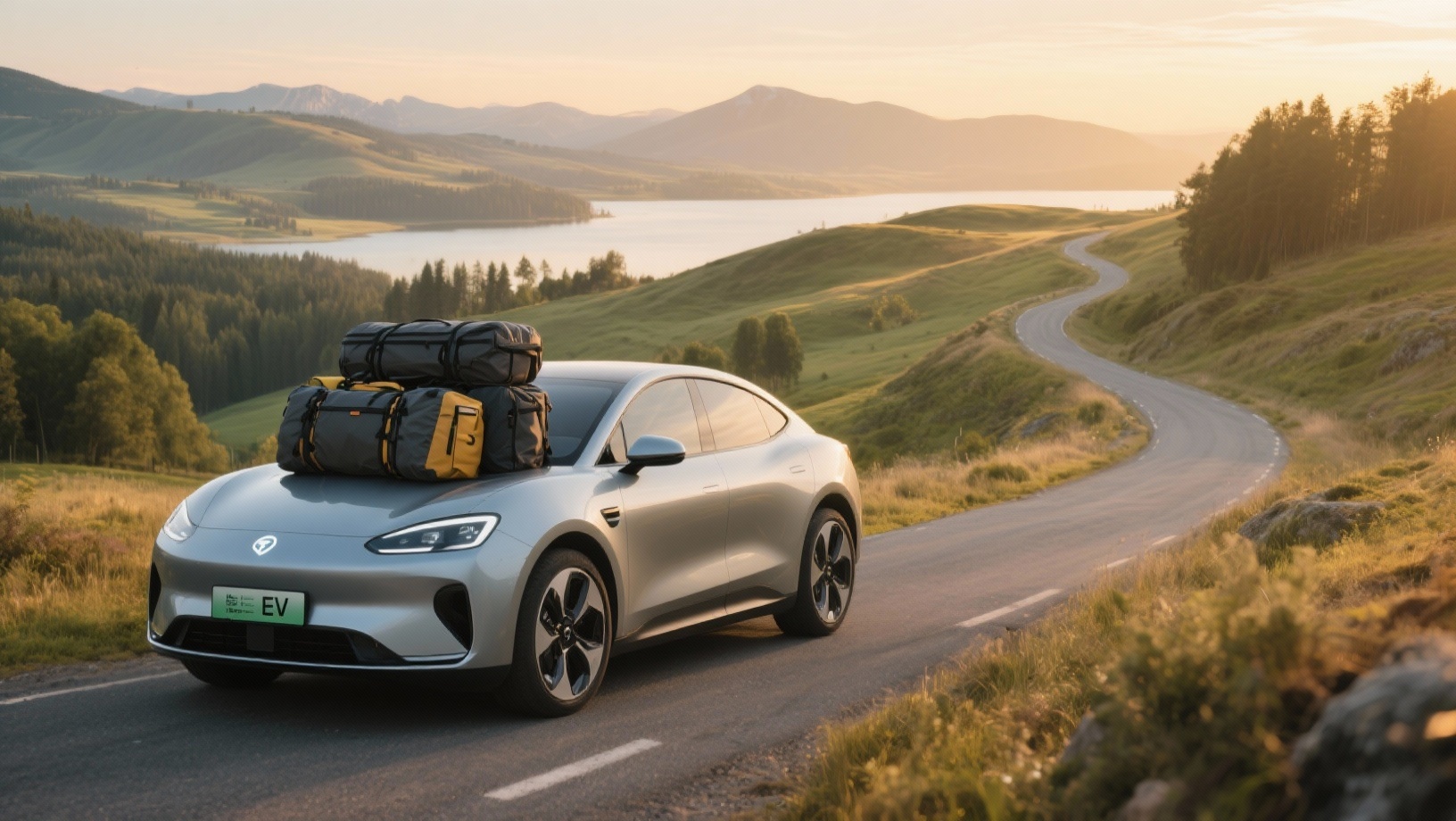
Sustainable on holiday: make your car trip more conscious
Going on a sustainable holiday by car does not mean giving up comfort or the joy of travelling. It is a chance to travel smarter and discover more. At the same time, you make a positive contribution to your destination. Make conscious choices before, during and after your trip. In doing so, you reduce your ecological footprint and create a richer travel experience. Discover how, with a few practical adjustments, you can turn your next road trip into an example of responsible tourism.
Why go on a sustainable car holiday?
The car offers the greatest freedom to go wherever you want. Precisely that freedom comes with responsibility. A car holiday has an impact on the environment through CO2 emissions, but also on the local communities you visit. Sustainable travel is a way to limit the negative effects and increase the positive ones. It is about finding a balance in which your trip benefits you, the environment and the local population. Well-prepared car holidays take this into account already at the planning stage, which leads to a more respectful and in‑depth trip.
‘ Choosing an electric, hybrid or very fuel‑efficient petrol or diesel car makes a big difference to your total emissions. ’
Your car: smart choices before you set off
The foundation of a sustainable car holiday starts with your vehicle. Choosing an electric, hybrid or very fuel‑efficient petrol or diesel car makes a big difference to your total emissions. If you are travelling with a conventional fuel car, make sure it is in top condition. Good maintenance is safer and better for the environment.
Checklist for your car
- Tyre pressure: Check your tyre pressure before departure. Soft tyres increase rolling resistance and therefore fuel or energy consumption.
- Maintenance: A recent service ensures that the engine runs efficiently. A clean air filter and the right engine oil noticeably reduce consumption.
- Luggage: Avoid unnecessary weight. The heavier the car, the more fuel it needs. Remove a roof box or bike rack immediately after use. These significantly increase air resistance.
The route: optimise your journey
A cleverly planned route is both quicker and more sustainable. Modern satnav systems often offer “eco routes” that save fuel by avoiding hills, city traffic and frequent stopping. A constant speed on the motorway is generally more economical than taking back roads. Try to avoid heavy traffic by travelling outside rush hours. For example, set off early in the morning or later in the evening. Are you considering travelling with several cars? Then see whether car sharing is an option to reduce the number of vehicles on the road.
On the road: drive efficiently and save fuel
Your driving style has a direct impact on your fuel consumption. With a few simple adjustments you can drive up to 10–15% more efficiently. This is also known as “The New Driving” (energy‑efficient driving). Change up to a higher gear early, keep sufficient distance from the vehicle in front and anticipate the traffic. By driving calmly and smoothly, you avoid unnecessary braking and accelerating. Use cruise control on long, flat stretches to maintain a constant speed. Switch off the engine if you are stationary for more than a minute, for example at an open bridge or a level crossing. And limit the use of air conditioning, as it demands extra power from the engine.
‘ The money you spend goes directly to the benefit of the local community. ’
At your destination: support the local economy
Once you have arrived at your destination, you can make a big difference by supporting the local economy. Choose accommodation run by local owners, such as a small‑scale hotel, an agriturismo or a privately run bed & breakfast. These places often pay more attention to their surroundings, and the money you spend goes directly to the benefit of the local community.
Tips for spending locally
- Eat local: Visit restaurants that cook with seasonal and regional produce. Ask about local specialities and avoid large international chains.
- Buy local: Do your shopping at the local market instead of at the big supermarket. Buy souvenirs that are locally made and tell a story about the culture and traditions of the region.
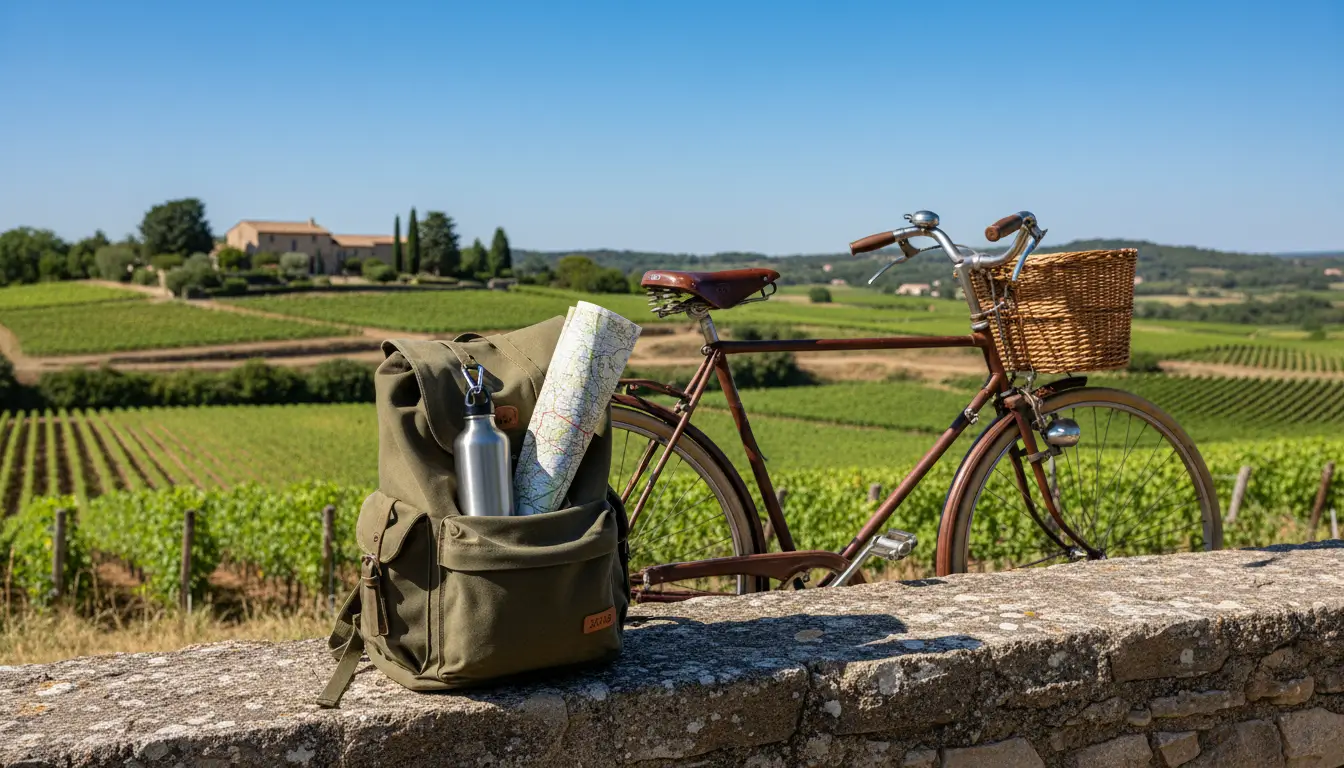
- Hire local: Use local guides for a tour, or hire bikes from a local rental shop to explore the area.
Nature and culture: avoid overtourism and protect the environment
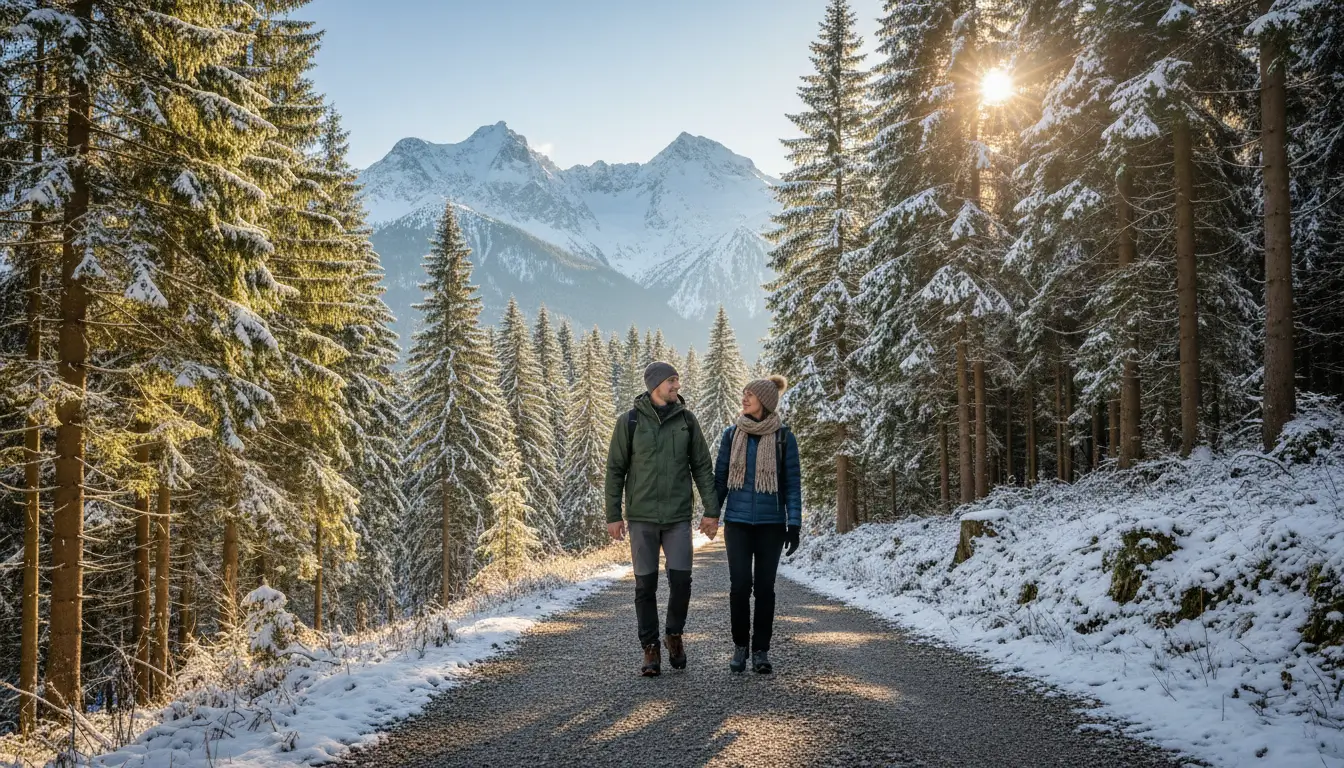
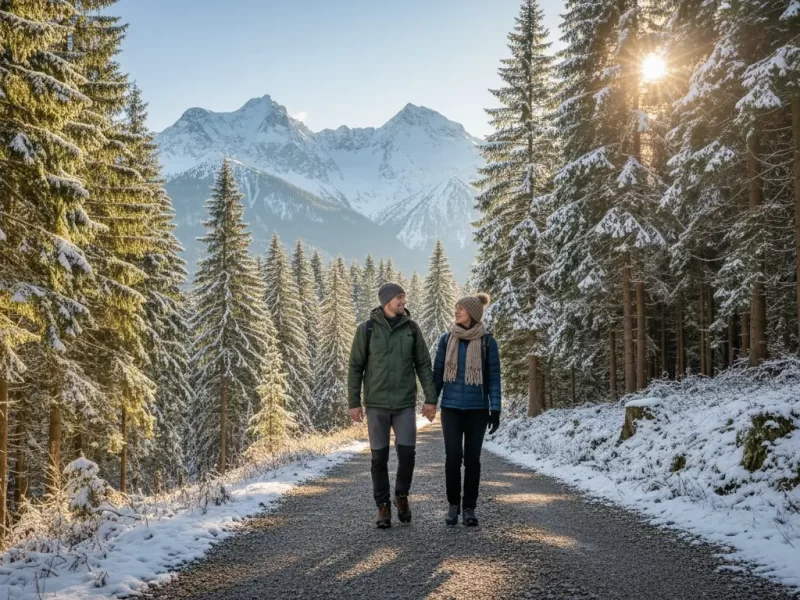
Overtourism is a growing problem that puts pressure on vulnerable natural areas and historic cities. By consciously choosing less well‑known destinations, or by visiting popular places outside the high season, you help to spread the pressure. Respect local culture and nature. Stay on marked paths when hiking, do not touch historic monuments and follow local rules and customs. Be aware of your surroundings and leave them just as beautiful as you found them.
Waste management: leave nothing but footprints
One of the most visible consequences of tourism is waste. Take responsibility by producing as little waste as possible. Use a refillable water bottle and coffee cup, and take your own shopping bag with you. Do you still need to throw something away? Then make sure you separate your waste according to local regulations. Many European countries have extensive systems for waste separation. Take your rubbish with you if there are no bins available, especially in natural areas. The principle is simple: always leave a place cleaner than you found it.
‘ Small steps today lead to big changes tomorrow. ’
Keep developing as a sustainable traveller
Sustainable travel is a continuous learning process. After your trip, take time to reflect on what went well and what could be improved. Share your experiences with other travellers via blogs, social media or conversations. In doing so, you inspire others to make more conscious choices too. Consider joining a sustainable travel organisation or taking part in programmes that compensate for your CO2 emissions. Small steps today lead to big changes tomorrow.