NL
NL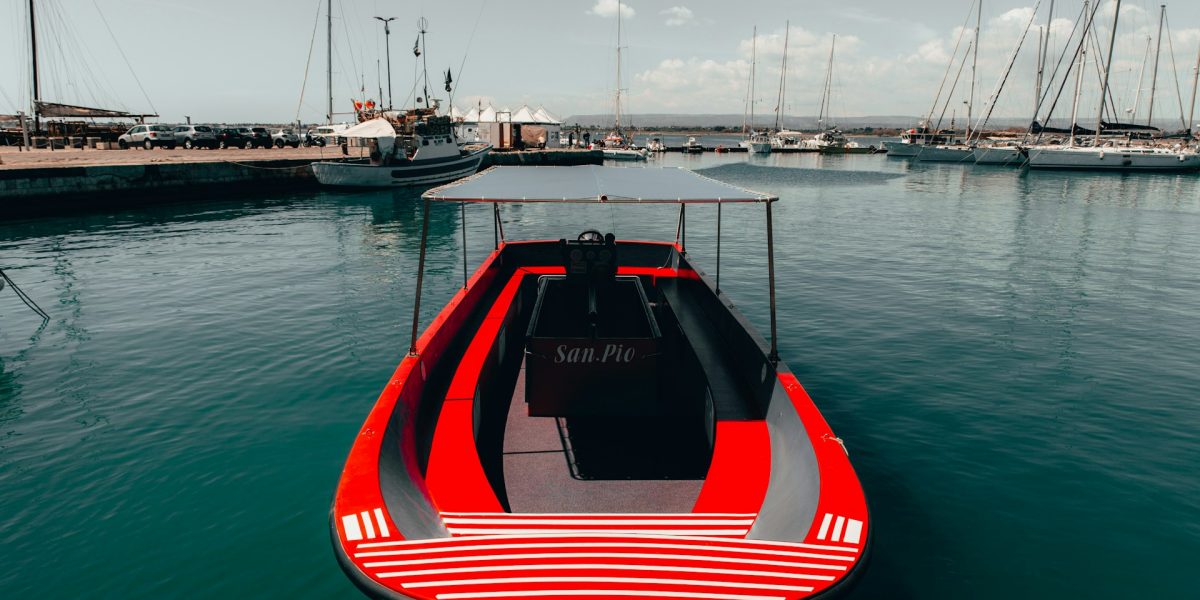
Electric boating with a sloop
You may be considering buying an electric sloop. Especially if you enjoy a peaceful trip on the water, without engine noise and emissions. A sloop with electric propulsion offers that experience.
Comfortable and quiet boating
Electric boating significantly reduces the vibrations and noise you normally experience with a petrol-powered sloop. You only hear the water gently gliding along the hull and the birds around you. That makes a trip relaxing and gives you space to enjoy the surroundings. The comfort becomes more valuable when you sail for a longer time, for example during a weekend trip or along quiet lakes.
What does an electric sloop cost
If you are considering buying an electric sloop, you need to take into account higher purchase costs than for equivalents with a combustion engine. A new six-metre sloop costs on average between € 25,000 and € 40,000 including motor and battery. For more luxurious models or larger sloops, the price can rise to over € 50,000, depending on the brand and the options you choose.
That higher investment is partly offset by lower operating costs. Electricity is cheaper than petrol and the motor requires little maintenance because there are far fewer moving parts. Purchase prices differ greatly depending on battery pack, motor power and extra accessories such as bow thruster or charging facilities.
For smaller electric sloops, a range of six to ten hours on a full battery is not unusual. If you sail calmly, you can count on the better end of that range. For larger or more heavily loaded boats, the sailing time may be shorter, depending on the battery pack and sailing style. Not all routes have charging points at jetties or moorings, which means you have to charge the battery at home or use a removable model.
Sustainability and regulations
An electric sloop emits no CO₂ and does not cause particulate matter in the water. That makes it a better choice for nature reserves and urban sailing zones. In some places, such as Amsterdam, a ban on boats with combustion engines in certain areas will apply from 2025. An electric sloop complies with those rules and prevents you from no longer being able to use your old boat in city waters.
The construction of boats such as lightweight aluminium models also contributes to a lower environmental impact. Some shipyards deliberately choose aluminium instead of polyester because it is recyclable and requires less energy in production.