NL
NL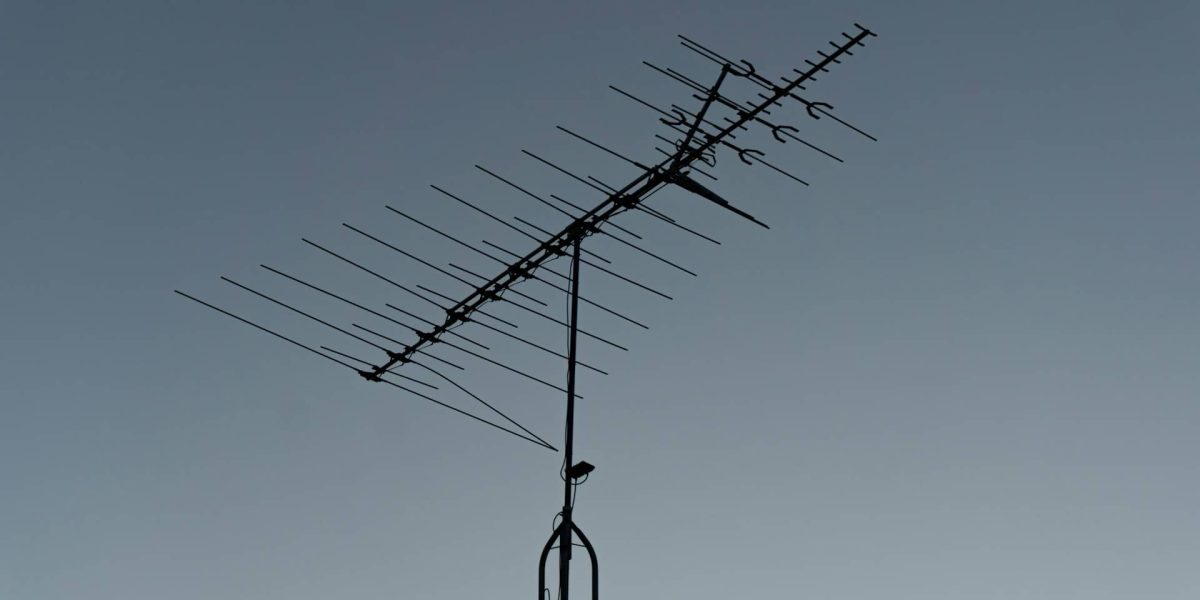
FM antenna: optimal radio signal and clear sound
An FM antenna is essential for anyone who values a stable radio signal and clear sound reproduction. Whether it concerns car radios, home radios or external radio installations, the quality of the antenna largely determines reception. With the right FM antenna you can enjoy interference-free listening and optimal range.
What is an FM antenna
An FM antenna is a device that receives radio signals and passes them on to the receiver, such as a radio receiver or amplifier. FM stands for Frequency Modulation, a technique used for transmitting radio waves. The antenna picks up these waves and converts them into electrical signals that the radio can then process.
FM antennas vary greatly in shape and design. There are simple wire antennas, telescopic models and external antennas that are placed on the roof of a vehicle or building. The choice of antenna depends on the application, the environment and the desired reception quality.
The importance of a good FM antenna
A high-quality FM antenna offers several benefits. Firstly, it provides a stable signal so that radio transmissions contain fewer disruptions. Interference such as noise or disappearing stations is therefore greatly reduced. Secondly, a good antenna contributes to optimal sound quality, allowing you to listen to programmes and music clearly and without interruptions.
In addition, an antenna with a larger range can increase the number of available stations, further improving the listening experience. Especially in urban areas or in locations with many obstacles, an antenna can make the difference between weak reception and clear sound.
Types of FM antennas
There are different types of FM antennas, each with their own application and benefits:
- Wire antennas: Simple, flexible antennas that are often placed internally or on the back of a radio.
- Telescopic antennas: Extendable antennas that are easy to adjust and offer better reception.
- External antennas: Placed outside, for example on a roof, and often provide the best range.
- Small compact antennas: Specially developed for portable radios or devices with limited space.
By matching the type of antenna to the situation, reception quality can be significantly improved.
Installation and positioning
The correct installation and positioning of an FM antenna is crucial. For wire antennas it is important that the wire is fully extended and not bent or kinked. Telescopic antennas should be extended as far as possible and preferably placed vertically. External antennas often perform best when mounted high up and free of obstacles.
Avoiding metal objects or devices that cause electromagnetic interference can further improve reception quality. By paying attention to positioning and installation you can make maximum use of the antenna’s capacity.
Improving the signal
In addition to choosing the right antenna, there are a few simple ways to improve reception:
- Ensure the antenna has sufficient length; longer antennas often pick up signals better.
- Avoid obstacles such as thick walls or large metal surfaces that block the signal.
- Point the antenna in the direction of the transmitter mast; this can increase the clarity of the signal.
- If possible, use an amplifier with external antennas to optimise weak signals.
By following these steps, listening enjoyment can be significantly increased.
Applications of FM antennas
FM antennas are used in various situations:
- Car radio: A reliable antenna is essential for listening to stations on the road.
- Home radios: For clear reproduction in the living room or kitchen, a high-quality antenna can make a big difference.
- Portable radios: Compact antennas provide reception on the go or on holiday.
- External installations: For buildings or large spaces, an external antenna can provide optimal signal over a longer distance.
Each application requires a specific antenna, tailored to range, environment and ease of use.
Maintenance and durability
An FM antenna generally lasts a long time, but good maintenance extends its service life and preserves signal quality. It is advisable to check regularly for damage such as kinks, breaks or corrosion. For telescopic antennas it is important that all segments extend and retract smoothly. External antennas benefit from protection against extreme weather conditions.
Through preventive maintenance the antenna remains reliable and reception stays optimal.
Conclusion
An FM antenna is indispensable for anyone who values interference-free radio signal and clear sound. By choosing the right antenna, positioning it correctly and maintaining it well, you can enjoy an optimal listening experience. Whether it concerns car radio, home radio or external applications, a good antenna makes the difference.
By paying attention to type, positioning and signal improvement you get the most out of your FM reception. The investment in a high-quality antenna pays for itself in clear sound, stable connection and an enhanced listening experience.