 NL
NL
Toll roads, vignettes & road charges: everything for your car holiday
Good preparation regarding toll roads, vignettes & road charges is the foundation of a worry-free and efficient car holiday in Europe. By knowing in advance which rules apply, how to pay, and what smart choices you can make, you can avoid unnecessary delays, fines, and unexpected costs. Read on and discover how to travel smoothly through Europe.
Anyone travelling by car will encounter different ways countries levy charges for road usage. These systems exist to finance the construction and maintenance of the road network. Although the objective is the same, the approach varies by country. A good understanding of these differences is the first step towards a successful European car holiday. We distinguish three main systems that you, as a traveller, need to know.
The basics: what are toll roads, vignettes, and road charges?
Road usage charges in Europe can be divided into three categories. Each system has its own characteristics and applications. It is important to know the differences, as you will often encounter all three during a longer road trip.
- Toll Roads (Péage): This is a system where you pay for the use of a specific stretch of road, usually a motorway. Payment takes place at toll booths (toll stations). The price depends on the distance travelled and the type of vehicle. Countries like France, Italy, and Spain make extensive use of this.
- Vignettes: A vignette is proof of payment that allows you unlimited use of a country’s motorways for a specific period (e.g., 10 days, 2 months, or a year). It is often a sticker for the windscreen or a digital registration linked to the license plate. Austria and Switzerland are well-known vignette countries.
- Section-based Charges: This is a specific form of toll that applies to a particular route, such as a long tunnel or a high mountain pass. This charge is separate from the general toll or vignette system. You therefore pay for this separately, even if you already have a vignette for the country concerned. Examples include the Brenner Pass in Austria and the Mont Blanc Tunnel on the border of France and Italy.
‘ Pay attention to the correct lane at the toll booths, indicated by symbols ’
Toll and vignette rules per country: a practical overview
The rules and systems vary greatly by destination. Below is an overview of the most popular car holiday destinations and their specific requirements.
France
France is known for its extensive network of toll roads, the so-called ‘autoroutes à péage’. On most motorways, you pay a toll based on the distance travelled. When entering the motorway, you receive a ticket, and upon exiting, you pay at a toll station. Payment can be made in cash, by credit card, or via an electronic toll badge.
Italy
As in France, in Italy you pay a toll per kilometre driven on most motorways (autostrade). The system is similar: you take a ticket upon entry and pay upon exit. Here too, you can pay in cash, by credit card, or with a toll badge. Pay attention to the correct lane at the toll booths, indicated by symbols for the payment method.
Spain
Spain has a mixed system. Many motorways (autopistas) are toll roads, identifiable by the letters AP in the road number. The autovías (A-roads), however, are free and offer a good alternative, although they are often busier and less direct. Payment methods here also include cash, credit card, or a toll badge.
Slovenia
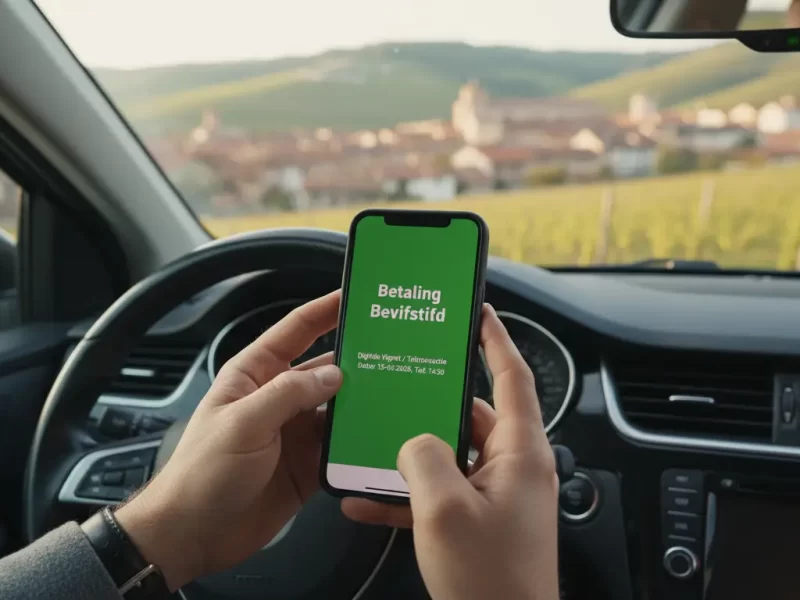
For the use of motorways in Slovenia, you need a vignette. This vignette is only available digitally as the E-vigneta. For the best price, purchase the vignette directly digitally from DARS. This is the Slovenian Directorate for Infrastructure. You can also buy a digital vignette for your car, campervan, or motorbike at petrol stations before the border or just across the border.
Austria
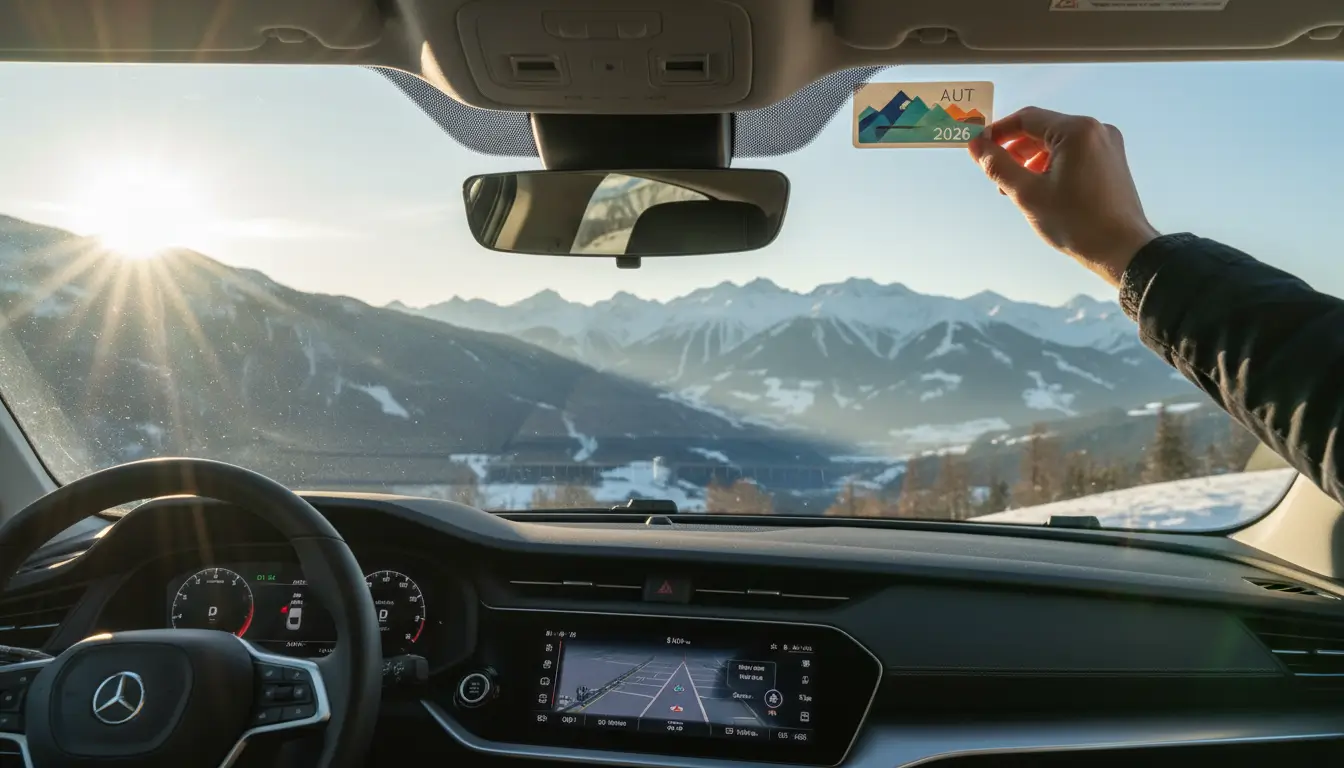
For all motorways (A-roads) and some expressways (S-roads) in Austria, a vignette is compulsory for vehicles up to 3,500 kg. You can choose between a sticker or a digital vignette linked to your registration number. Additionally, Austria has a separate section-based charge (Sondermaut) for some expensive tunnels and mountain passes, such as the Brenner and Tauern motorways.
Switzerland
For the use of all Swiss motorways, one type of vignette is required: the annual vignette. There are no vignettes for shorter periods. This vignette is valid from 1 December of the preceding year until 31 January of the following year. Both a sticker and an e-vignette are available. For the Great St. Bernard Tunnel and the Munt-la Schera Tunnel, you pay a separate toll.
How do you buy vignettes and pay tolls?
The purchase channels for vignettes and the payment methods for tolls are diverse and depend on the country. Good preparation prevents stress on the road.
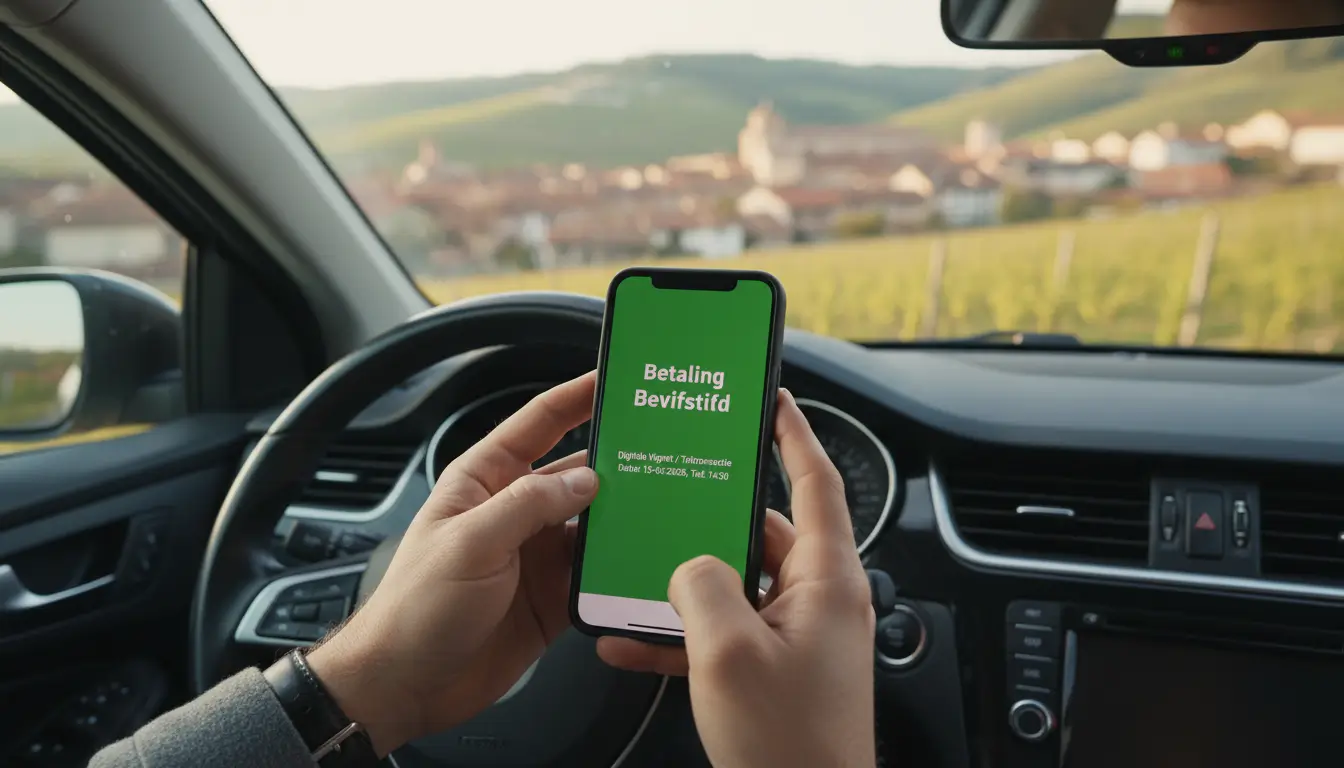
- Online in advance: Digital vignettes for Austria and Switzerland can be easily purchased online via the official websites of the road operators (e.g., ASFINAG, the Austrian road authority). This saves a stop at the border.
- On the road at the border: Sticker vignettes are available at border crossings, petrol stations, and post offices in the border region. This is a traditional and reliable method.
- At the toll station: Tolls on routes in France, Italy, and Spain are paid directly at the toll booths. Ensure you have a working credit card, as not all booths accept cash.
Electronic toll badges: travel comfort and efficiency
For those who regularly travel through countries with toll roads or simply want to avoid queues, an electronic toll badge is a great solution. Systems such as Bip&Go or Telepass offer a small device (a badge) that you place behind the windscreen. This badge communicates with the toll booths, causing the barrier to open automatically. You can drive through special, faster lanes, and payment is automatically debited monthly. Many badges are now valid in multiple countries, such as France, Spain, Portugal, and Italy, making it a very efficient solution for a road trip.
‘ Rules can vary by city. ’
Environmental zones and other charges: pay attention in urban areas
In addition to motorway charges, you increasingly need to consider rules in and around cities. Many European cities have implemented environmental zones to improve air quality. To enter these zones, you need an environmental sticker (such as the Crit’Air in France or the Umweltplakette in Germany) or you must register your vehicle online in advance. Before you leave, check which cities on your route have an environmental zone and which sticker or registration applies to your vehicle. Rules can vary by city.
Cost estimation and smart saving tips for your route
The costs for tolls and vignettes can be a significant item in your holiday budget. Fortunately, there are ways to save money.
- Plan your route: Use a route planner that calculates the toll and vignette costs for your route. Google Maps and ANWB offer this function. This gives you a clear idea of the total costs in advance.
- Consider alternative routes: In countries like France and Spain, you can often choose toll-free national roads (routes nationales). These routes take longer but often lead you through beautiful landscapes and villages, enhancing the travel experience.
- Choose the right vignette: For vignette countries like Austria, buy a vignette whose validity period exactly matches your stay. Two 10-day vignettes are often cheaper than a 2-month vignette.
Frequently asked questions and tips for a carefree journey
Some practical answers and tips will help you on your way.
- Where do I stick the vignette? Always stick the vignette on the top left of the inside of the windscreen or behind the rearview mirror. Ensure it is clearly visible and remove old, expired vignettes.
- What if I have a digital registration? A digital vignette or a toll badge means your license plate is known in the system. Cameras above the road automatically check this. So you don’t need to do anything.
- Can I get a fine? Yes, driving without a valid vignette or failing to pay tolls leads to high fines that are collected on the spot or retrospectively by post. Checks are strict and automated.
- Is a toll badge worth it? If you are only driving a short distance through a toll-road country, it may not be necessary. For a longer road trip or frequent visits, it offers a lot of convenience and time savings at busy toll booths.
‘ Invest time in researching the rules for your specific route and consciously decide which vignettes, badges, or routes best suit your travel plan. ’
Well-prepared for the European roads
With the right knowledge and preparation, navigating European toll and vignette systems becomes much easier. Invest time in researching the rules for your specific route and consciously decide which vignettes, badges, or routes best suit your travel plan. This approach provides peace of mind, financial control, and more space to enjoy the journey itself. This lays a strong foundation for a carefree and pleasant car holiday through Europe.