 NL
NL
The Nightjet services to Paris and La Spezia are being discontinued. The Paris–Berlin route will stop in December 2025, and European Sleeper will take over the route. La Spezia will disappear from 2026 onwards due to engineering works on the railway. For travellers who like to take the night train to France or the Italian Riviera, there are concrete alternatives available. Read on for your alternative routes.
What now that the Nightjet to Paris is disappearing?
The Nightjet service between Paris and Berlin will be discontinued from December 2025. The route will be taken over by European Sleeper. From March 2026 this company will start a direct service between the two cities. This night train runs via Brussels and for the time being skips the Netherlands. The timetable starts with departures on Sunday, Tuesday and Thursday from Paris.
Travellers from the Netherlands or Belgium to Paris will find here a direct option towards Central Europe. This route is suitable for longer journeys to eastern destinations combined with a visit to Paris. You can expect a journey time of around 14 hours, including intermediate stops.
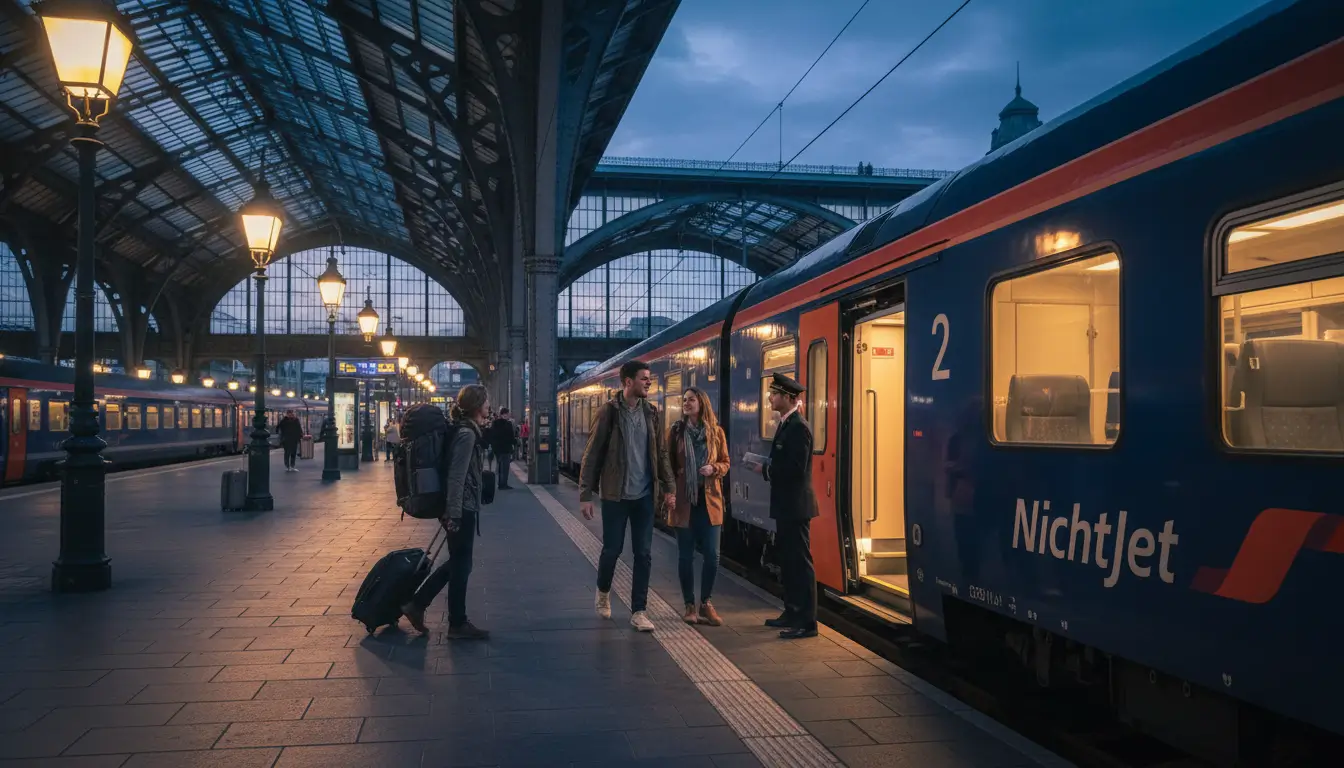
The Nightjet service between Paris and Vienna will continue to run several times a week. European Sleeper is an addition to this. This route serves travellers who travel further east via Paris, for example towards the Danube region. You can choose between seats, couchettes or deluxe cabins with breakfast included. Book well in advance so you have the widest choice and pay lower prices.
French night trains as an alternative
The French Intercités de Nuit offers a wide network of night train services from Paris. These trains depart from Paris Austerlitz and serve various popular holiday destinations in the south of France, the Pyrenees and on the Mediterranean. Are you travelling from the Netherlands or Belgium? You transfer via Paris Nord and from there you take a high-speed connection.
The main routes are available either daily or seasonally. Seasonal means that they mainly run in the months June to September inclusive. The Paris–Nice service runs daily and takes you to the French Riviera in 10 to 15 hours. This route is a good alternative for anyone who previously visited the Italian coast via La Spezia. The lines to Toulouse, Marseille, Perpignan and the Spanish border at Cerbère and Hendaye are also interesting. They are useful for travellers who want to go further south or west.
Are you travelling towards the mountains? There are connections to Briançon in the French Alps. You can also travel to regions such as the Pyrenees via Latour de Carol. Not all of these routes run daily. Check the seasonal timetable in advance. In the summer months several routes operate more frequently.
What these night trains offer
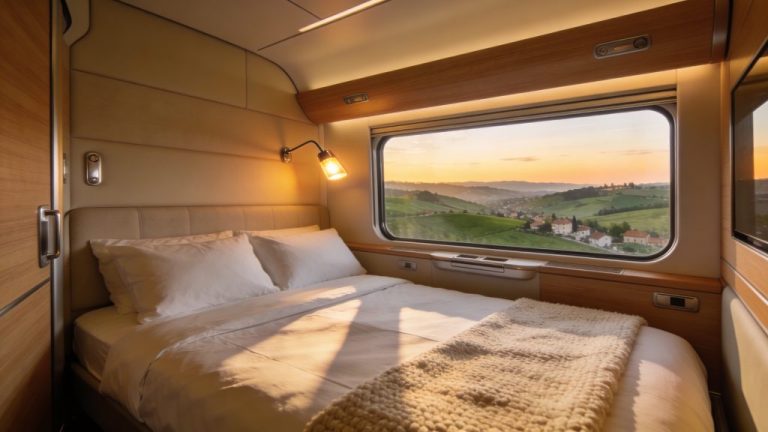
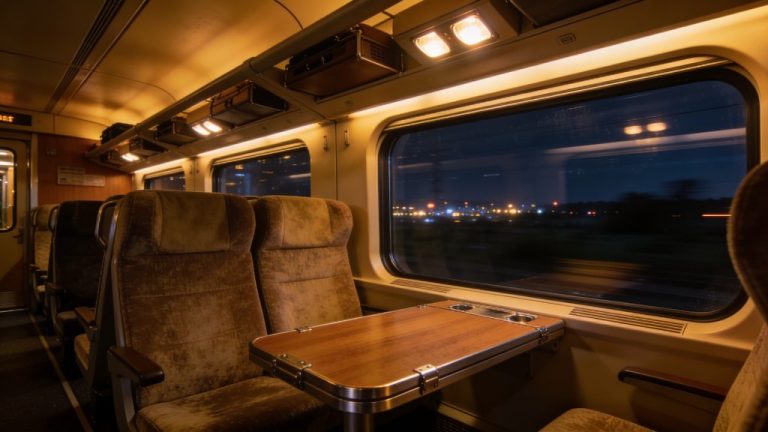
The Intercités de Nuit night trains are equipped with different comfort levels. You can choose between regular seats, couchettes with bunks or full sleeping compartments. Bedding is included in the higher classes. Breakfast on board is available, but according to travellers it remains fairly simple.
- Seats: cheapest option, suitable for shorter journeys or travellers on a budget
- Couchettes: bunks in shared compartments, popular for longer nights
- Sleeping compartments: private spaces with more comfort and privacy
Tickets range from around €50 to €150, depending on the class you choose and when you book. Book early and you pay less and have more choice of couchettes. For light sleepers, earplugs are recommended.
Alternatives for La Spezia without Nightjet
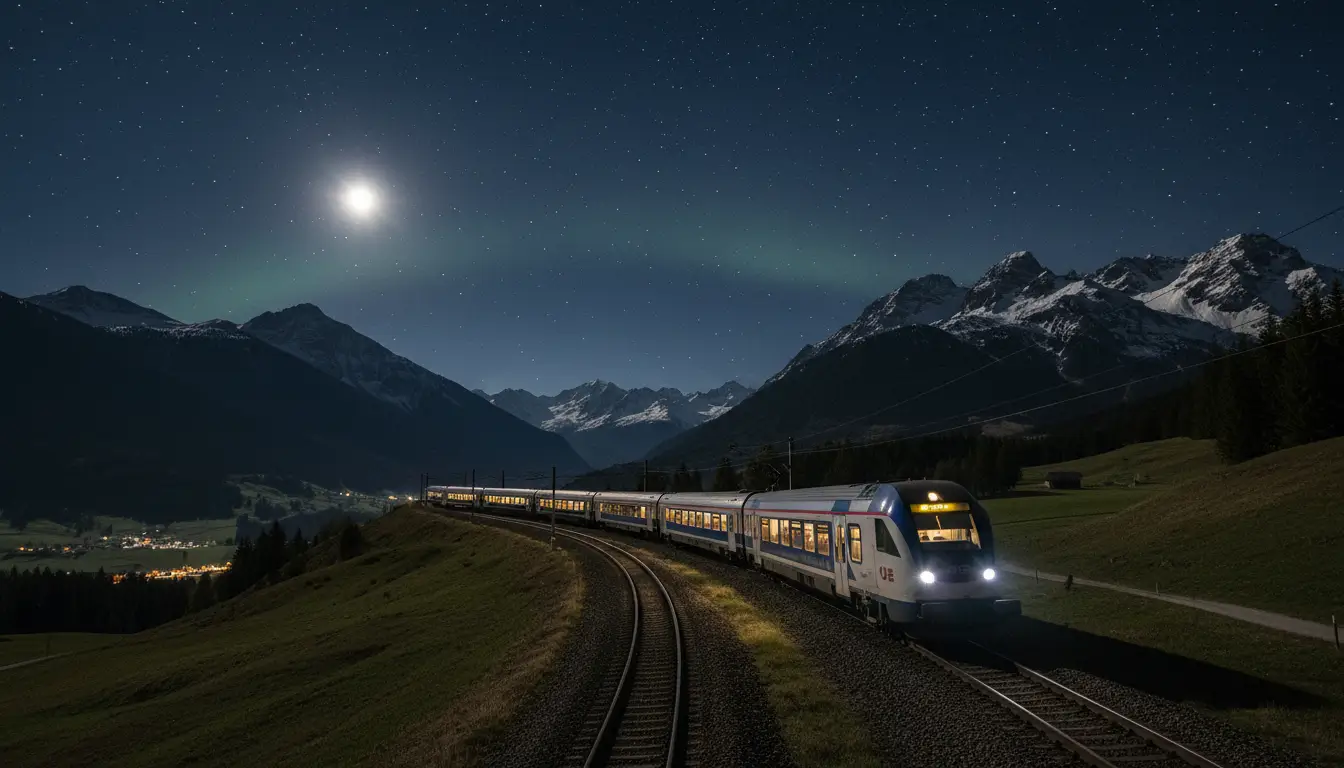
The Nightjet service to La Spezia will be axed in 2026. This is due to engineering work on the rail network. Were you hoping to travel to Cinque Terre or the Italian Riviera? There are rail routes via other cities. The most direct alternatives run via Rome or Venice, where you transfer to regional trains towards the coast.
A concrete option is the night train to Rome, followed by a regional or Intercity service to La Spezia. This combination adds a few hours of travel time, but it remains feasible within a single day. Another route runs via Venice, again with a change to regional lines towards the Ligurian coast. Both options require some planning and you may have to spend a night en route.
From France, the Paris–Nice night train offers a way to continue along the French Riviera to Italy. From Nice you take regional trains to La Spezia, with a journey time of 3 to 4 hours. This route combines the advantages of a night train with a daytime section along the coastline, which is very scenic.
Practical tips for night train travel
When planning a night train journey to France or Italy there are a few things you can arrange in advance. Always check the seasonal timetable. Some routes only run daily in the summer months. Outside the high season, they operate on a reduced schedule, meaning only a few days per week.
Combine night train services with regional trains if there is no direct night train. Destinations such as La Spezia no longer have a direct night train service, so transfers are unavoidable. Allow enough time for these connections and bear possible delays in mind.
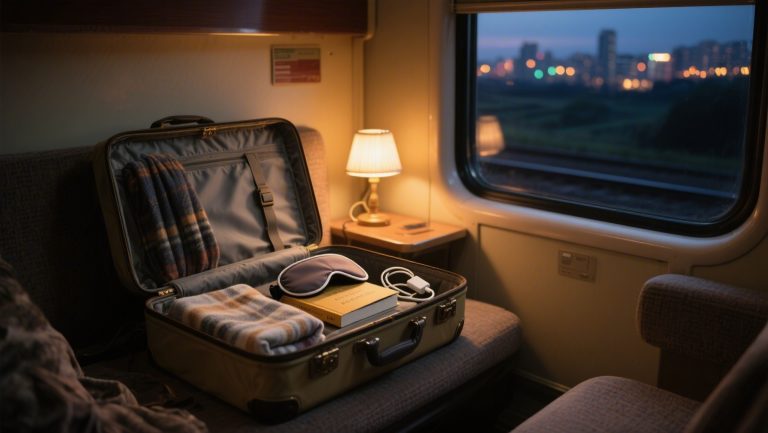
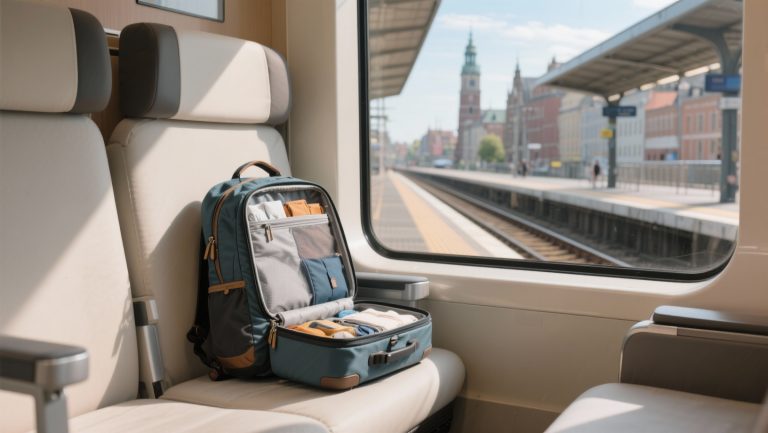
Travel light. This is especially important if you are making several changes. Bedding is included in the higher classes, so extra blankets or pillows are unnecessary. Take personal items such as a bottle of water, earplugs and an eye mask. These will help you have a more comfortable night.
Advantages of night trains
Travelling by night train saves you a hotel night and you arrive rested at your destination. You avoid crowds at airports and contribute to a more sustainable way of travelling. The routes through the Pyrenees and the Alps offer scenic highlights that you would miss from a plane.
Travellers with an Interrail pass find night trains a flexible option. Reservations are mandatory and come with a supplement, but the total price is often lower than separate tickets. Buying tickets in stages gives you more flexibility and helps when you have to make unexpected changes to your route.
‘ You retain more control over your schedule. ’
Daytime train routes as a supplement
There are also regular daytime train services. From the Netherlands and Belgium there are daily connections to Paris. These do not require a reservation like the Eurostar, the high-speed train between the two countries. A route via Antwerp, Kortrijk, Lille and Amiens takes you to Paris. The journey time is about 8.5 hours. This is a good alternative for travellers who want to travel during the day. It is also convenient if you want flexibility with an Interrail pass.
These daytime routes suit travellers who prefer not to travel at night. They are also suitable for anyone who wants to make several stops along the way. You retain more control over your schedule and can adjust your plans en route, which is useful in case of delays or changes.
Discover more on Traveler Tips
The Traveler Tips website offers extensive information about night trains (Nightjet and European night trains), routes across Europe and practical tips for planning your rail trip. You will find information on destinations, regulations and equipment for the journey. All information is reliable and in-depth. Explore more useful articles and plan your next trip with confidence.
Frequently asked questions
Comfortable and efficient alternatives are mainly the French Intercités de Nuit, for example Paris–Marseille–Toulon–Cannes–Nice as an alternative towards the Mediterranean and the Italian coast (including La Spezia). From the Netherlands/Belgium you can travel to Paris by day train (for example via Brussels or Lille) and make one easy transfer there to the night train. Journey times are similar to the former Nightjet (around 10–15 hours overnight), but you benefit from direct night trains from Paris Austerlitz to the south of France and the Spanish border. For coastal destinations in Liguria you can combine Nice with a connecting regional train to Italy.
Yes, the French Intercités de Nuit services from Paris Austerlitz offer a night train experience that is comparable in atmosphere and comfort to the Nightjet, with couchettes and sleeping cars. For an alternative towards the coast and a vibe similar to La Spezia, you can take the Paris–Nice night train and change there to regional trains towards the Italian Riviera. Towards the Pyrenees and the Spanish border there are also night trains (for example Paris–Perpignan/Cerbère or Paris–Latour de Carol) with a similar “travelling-in-your-sleep” experience. From 2026, the European Sleeper Berlin–Paris will be added, offering a modern night train experience to Paris.
Start by planning your overall route (for example via northern France and Burgundy towards Paris, or via Alsace, Switzerland and the Italian lakes towards La Spezia) and decide how many hours you want to drive per day at most in order to keep the stages comfortable. Then look for charming stopovers with good places to sleep (for example B&Bs or small hotels in historic towns) at about 3–5 hours’ drive from each other. Combine each stop with one or two unique sights along the way, such as a regional wine area, a castle, a national park or a coastal town, and deliberately allow a few hours or half a day for these. Finally, use a map/app to include tourist detours (scenic routes), so that the journey itself becomes an important part of the experience rather than just the final destination.
The daytime train routes to Paris via Antwerp–Kortrijk–Lille–Amiens cost roughly €60–€120 one way with regular tickets (less with early booking discounts or Interrail) and take around 8.5 hours, while driving routes (via Brussels–Reims or via Lille) have no train costs but do mean 5–6 hours of driving plus parking costs, on top of tolls and fuel. For La Spezia you travel fastest by day train via Paris – Nice and then 3–4 hours by regional trains along the coast to Italy; total costs are usually between €120 and €220 one way, depending on when you book and your chosen class, with total journey times of around 12–15 hours. Driving to La Spezia (via France/Mont Blanc or via Switzerland) takes 12–14 hours behind the wheel plus substantial toll, fuel and parking costs. The “smartest” option is the one where you weigh up journey time, total costs (including tolls, fuel, parking), comfort (not having to drive yourself vs. having to change trains) and sustainability, for example by entering the same date/times into a route planner and a train comparison site and using your main preference (fastest, cheapest, fewest changes) as the deciding factor.