 NL
NL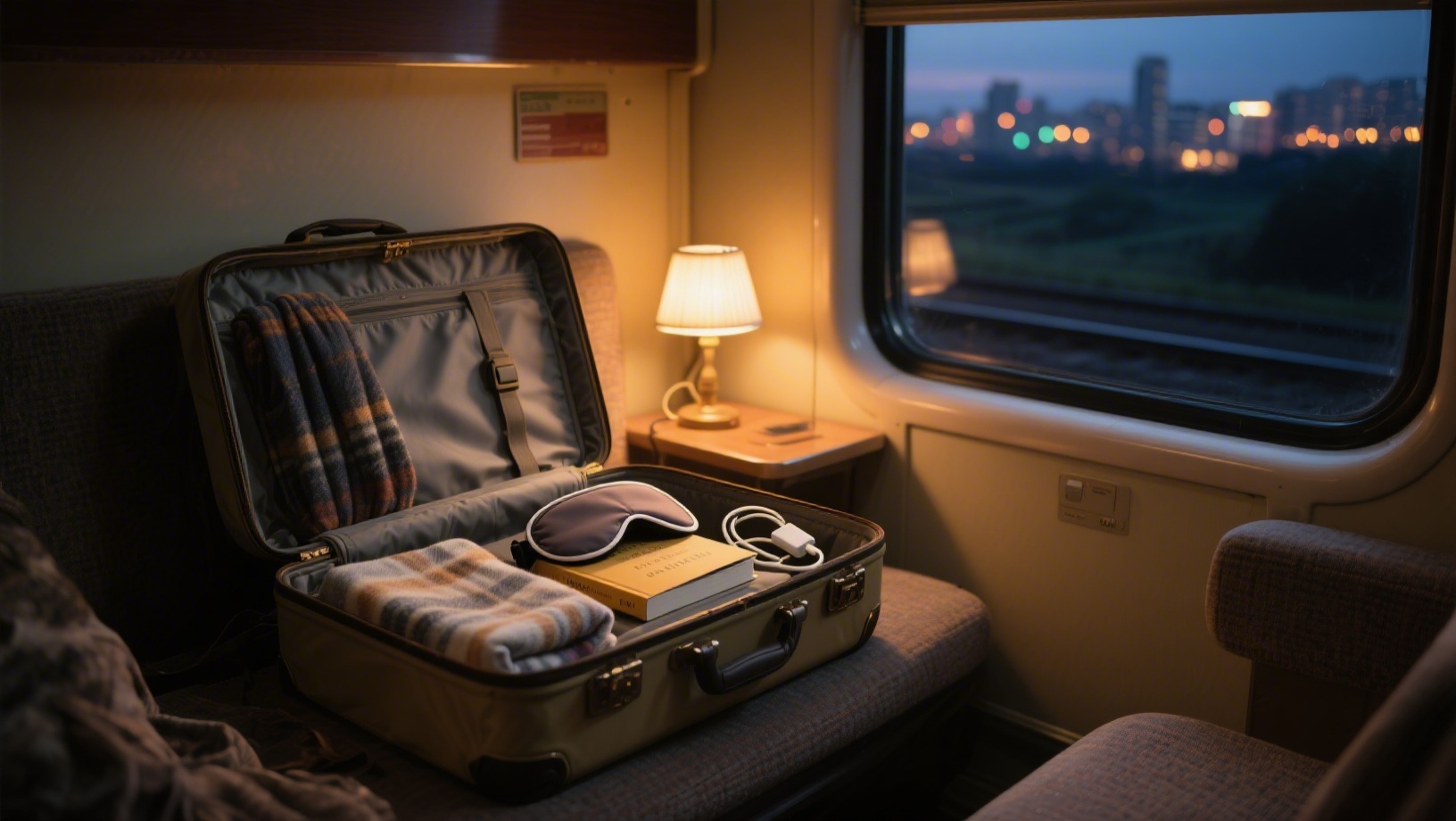
A night train journey combines transport and an overnight stay, which calls for smart preparation for comfort and safety. With the right packing list and practical tips, you can travel relaxed and get the most out of your night train experience. Read on and discover how to perfectly align your luggage, sleeping comfort and preparation.
The compact day bag as your best friend
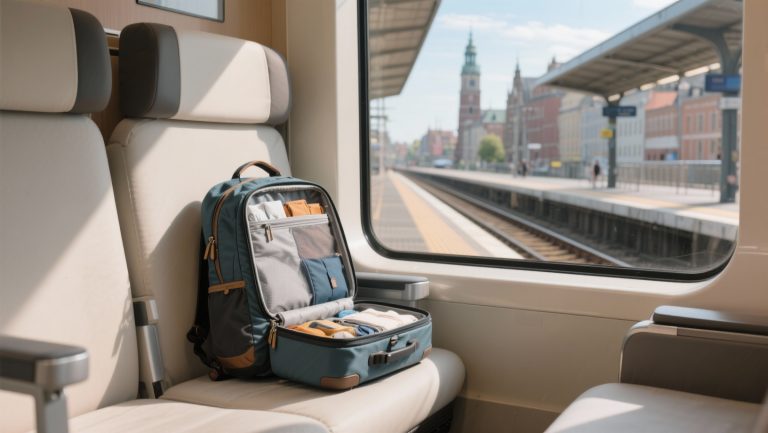
Ideally, your luggage consists of two parts: a larger suitcase that you store safely, and a compact day bag that you keep within easy reach. Space is limited on a night train, especially in sleepers and couchettes. Many night train operators have a luggage limit of a maximum of three items with a total weight of 30 kilograms. Large suitcases do not always fit in sleepers, so choose practical sizes.
Pack everything you need during the journey in your day bag:
- Toiletries for a quick freshen-up
- Nightwear and clothes for the next day
- Documents such as passport and train ticket
- Entertainment and chargers
- Snacks and a refillable water bottle
Use packing cubes to organise your belongings. That way, you can quickly find what you are looking for without turning your entire bag upside down. Roll clothes instead of folding them; this saves space and helps prevent creases.
‘ Trains fluctuate in temperature and air conditioning systems do not always work optimally. ’
Sleep comfort on the rails
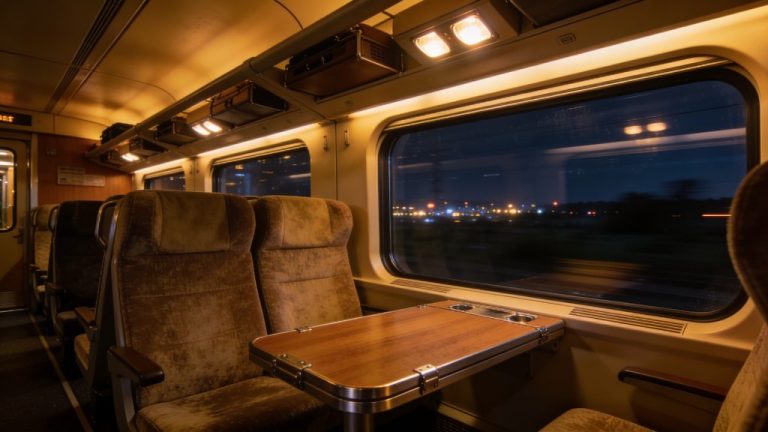
Night trains can be colder than you expect. Trains fluctuate in temperature and air conditioning systems do not always work optimally. Dress in layers and bring extra warmth. A compact sleeping bag liner or thin blanket provides hygiene and extra warmth if the blankets provided are not sufficient.
For a good night’s sleep, these items are indispensable:
- Ear pods or earplugs to block noise from fellow travellers and train sounds
- Sleep mask to shut out light from the corridor or early morning sun
- Slippers so you can walk comfortably to the toilet or washbasin
- A scarf or light blanket for extra warmth
- Headphones for relaxing music or podcasts
Choose a top berth if you want more privacy. Lower berths are closer to the corridor and may suffer more from light and movement. You can also use a scarf as an improvised curtain for extra privacy.
Hygiene and freshness on the way
Not all night trains offer extensive washing facilities. Some trains only have a small washbasin in the compartment or shared sanitary facilities in the corridor. So bring your own hygiene items to feel fresh and comfortable.
These items will keep you clean and organised:
- Toothbrush, toothpaste and soap in travel-sized packs
- Wet wipes for a quick freshen-up
- Deodorant for the morning
- Hand gel for after using the toilet
- A small rubbish bag, as not all compartments have bins
Keep your toiletry bag compact and accessible in your day bag. Avoid bottles that may leak and pack liquids in sealed bags. A foldable travel clothesline can be handy for drying a towel or an item of clothing.
Snacks and entertainment for long journeys
Many night trains have a restaurant car or sales point, but the selection is limited and prices are often higher than in a supermarket. So bring your own snacks that do not spill and do not give off strong smells. Think of nuts, crackers, fruit and energy bars.
A refillable water bottle is essential. Many trains have taps where you can fill your bottle. Avoid drinks that may spill when the train jolts or moves.
For entertainment, these items are useful:
- Chargers and a multi-USB adapter for sockets at your seat
- Headphones for music, films or series
- E-reader or book with content downloaded in advance (Wi‑Fi is not always available)
- Camera or smartphone for photos of the view
Download films, series, podcasts or music onto your device in advance. Internet connection on the way is often unreliable or unavailable. Before departure, check whether you have sockets in your compartment; not all trains offer these.
‘ If you lose something, you will always have a back-up. ’
Safety and valuables
Always keep your valuables with you, even during stops at stations. Use a money belt or a jacket with inner pockets for your passport, wallet and important documents. Keep keys and bank cards on your person, not in your bag.
A double-sided cable lock helps you secure your luggage to a rail or rack in the compartment. This gives extra reassurance, especially if you are travelling alone. Be alert if there is unattended luggage and close your compartment door properly if it has a lock.
Before departure, take photos of important documents and store them digitally. If you lose them, you will always have a back-up. Keep travel documents in a waterproof sleeve to prevent damage.

Preparation makes the difference
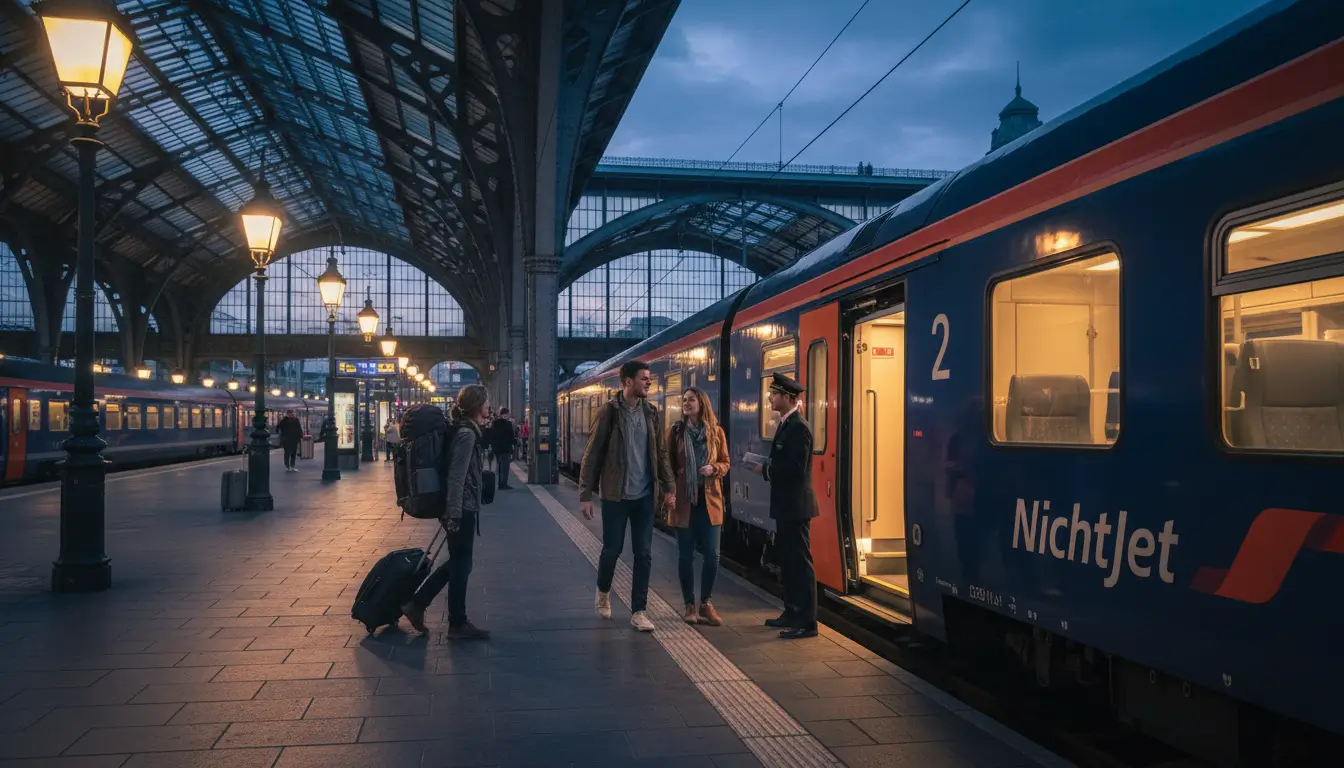
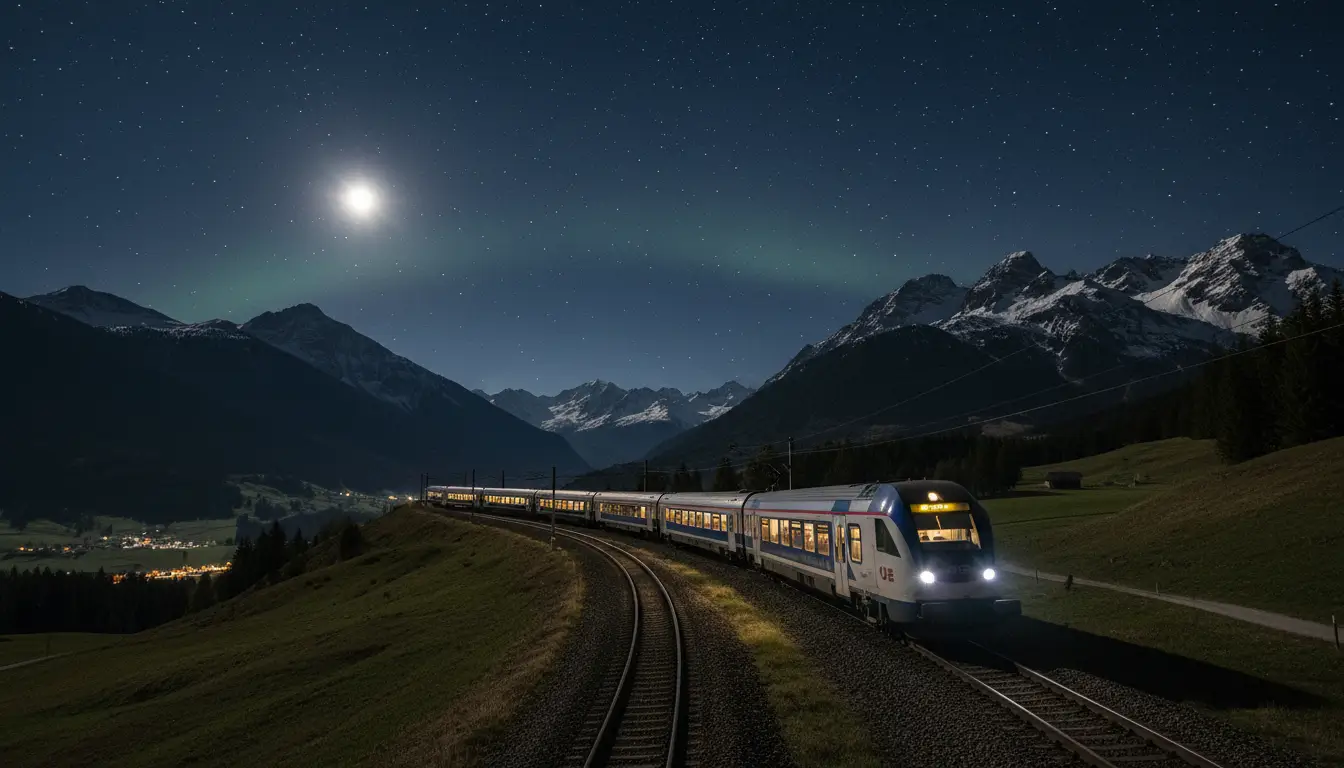
Book your night train journey well in advance. Popular routes and private compartments quickly sell out, especially during holidays and weekends. When booking, check the luggage limits of your train operator. These can vary by country and type of train.
Download your train operator’s app for live tracking and up-to-date information on delays or platform changes. This prevents stress and ensures that you are always informed about your travel schedule. Night trains often arrive early in the morning, so consider planning in some extra rest time after arrival.
A few weeks before departure, make a packing list and test your bag. Check whether everything is within easy reach without opening your large suitcase. This saves time and hassle in the confined space of the train.
Eat lightly before going to sleep. A full stomach makes it harder to sleep while in motion. Bring your own options if you have specific dietary needs; the selection on board is often limited.
Practical details that help
Trains can sway and move. Place fragile items between soft clothes in your bag. Always secure bags and bottles properly or put them on the floor, not on narrow ledges where they can fall off.
Bring a cap or hat. You can use it as extra protection against bright light or as an emergency pillow. An empty bag for dirty laundry or souvenirs is also useful; you will need more space for the return journey.
Take temperature changes into account. Trains can be cold during the night and warm up at sunrise. Wear comfortable clothing that you can quickly put on and take off.
‘ Space is more limited in couchettes and you need to take fellow travellers into account. ’
What you need to know about couchettes and sleepers
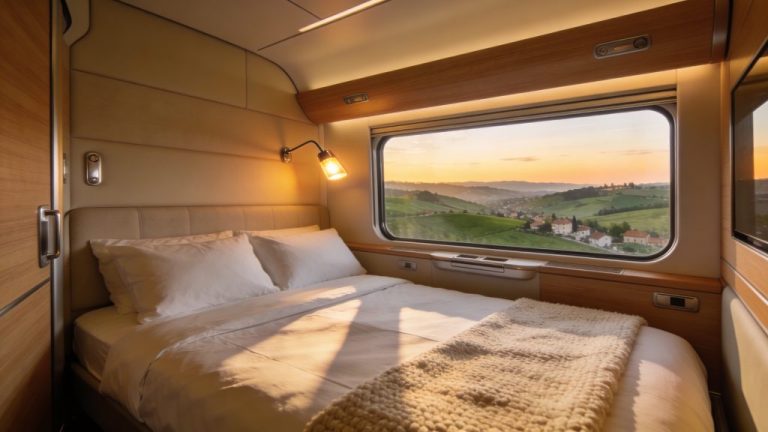
A couchette is a shared sleeping space with bunks for four to six people. A sleeper is a private compartment with one to three beds and sometimes its own bathroom facilities. Space is more limited in couchettes and you need to take fellow travellers into account. Large suitcases do not always fit; choose practical luggage that you can place under the bed or on a rack.
Sleepers offer more comfort and privacy, but are more expensive. If you are travelling on a night train for the first time, a sleeper is a good choice for a quiet night’s rest. When booking, check what is included as standard with your ticket: sometimes you get sheets and breakfast, sometimes not.

Arrival and onward plans
Night trains often arrive at their destination between 6 and 8 a.m. Stations may still be quiet at that time and not all facilities will be open. So plan in advance where you can have breakfast or take a moment to recover after the journey.
Do you have a connecting service straight away? Make sure you know where you need to go and how much time you have. Some travellers experience a kind of fatigue similar to jet lag after a night train. Allow yourself some rest if you need it.
On the Traveler Tips website you will find much more information about train travel across Europe, practical routes and tips for slow travel. Discover handy travel guides, packing tips and inspiration for your next adventure on the rails.
Frequently asked questions
Indispensable are your travel documents and valuables in a money belt or jacket with inner pockets, which you always keep with you. For comfort and sleep, a sleeping bag liner or thin sleeping bag, earplugs/ear defenders, a scarf or thin blanket and comfortable nightwear are essential. Bring a compact toiletry bag with toothbrush, toothpaste, wet wipes, deodorant and a small first aid kit with your own medicines. For convenience and entertainment, do not forget snacks, a refillable water bottle, chargers (preferably with a multi-USB adapter) and headphones.
Use one compact rucksack containing everything you need at night (pyjamas, toiletries, passport, earplugs), so you do not have to open your large suitcase. Roll clothes into packing cubes or bags per “set” (night, next day, spare) and place them in a logical order of use. Always keep valuables on your person in a jacket with inner pockets or money belt. Put small items you often need (snacks, charger, water bottle) in the outer pockets or a separate pouch that you can grab straight from the luggage rack.
Choose comfortable layered clothing such as soft leggings/jogging bottoms, a T‑shirt and a warm jumper or cardigan, plus clean socks and underwear for the next day. Take minimal but essential care products: toothbrush and small toothpaste, wet wipes, deodorant and hand gel. A sleeping bag liner or thin pyjamas is practical for hygiene in the couchette. Put everything you need at night in a separate small bag so your large suitcase can stay closed.
Always keep valuables (passport, money, phone) on your person, for example in a money belt or in a jacket with inner pockets, even while sleeping. Use a cable lock to secure your large bag or suitcase to a fixed point in the compartment. Keep a small day bag with essential items (documents, medicines, wallet) within easy reach at your bed or seat. Be extra alert during stops and when people are getting on and off, and do not leave your luggage unattended then.
Bring enough light snacks (nuts, muesli bars, fruit) and, if you like, a simple meal, plus a reusable water bottle that you can refill along the way. Avoid heavy or very fatty food just before and during the journey to feel more comfortable. Download books, podcasts, films and series offline in advance and bring good headphones. Make sure you have chargers and a multi-USB adapter to hand so your devices remain usable during the journey.