 NL
NL
Travelling on a European night train as a solo traveller is generally safe. Night trains operate with on-board staff, reserved seating, and lockable compartments, which provides peace of mind and security. Nevertheless, a night journey requires conscious preparation, especially if you are travelling solo for the first time. Those who choose wisely and take practical measures can sleep soundly as the train travels towards their next destination.
What to expect on board
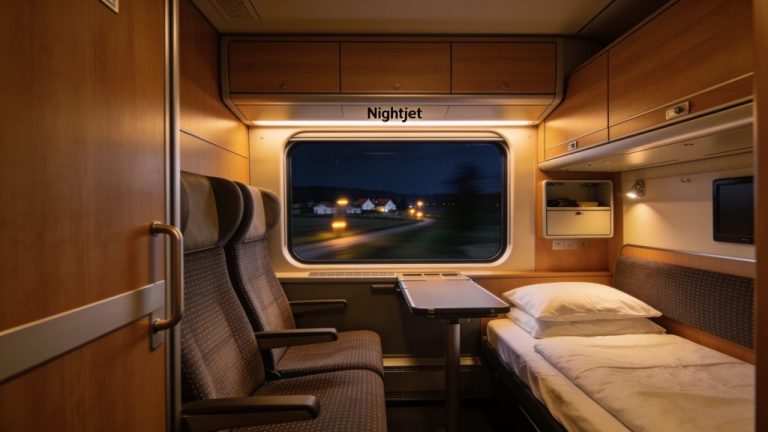
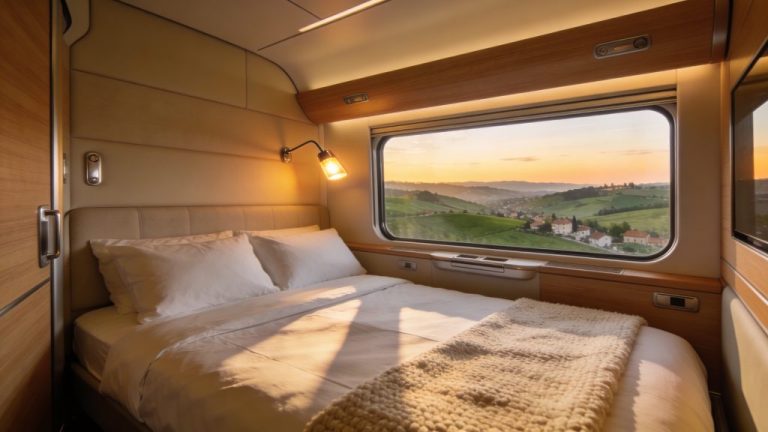
Most European night trains, such as the Nightjet and European Sleeper, offer various sleeping options. You can choose between a private compartment, a shared cabin, or a regular seat. Private compartments are the most comfortable and give you the most control over your environment. Shared cabins are cheaper, but you will be sharing the space with up to five other travellers.
Staff are usually present throughout the entire journey. They check tickets, assist with questions, and monitor the corridors. This provides an extra sense of security, especially if you wake up at night in an unfamiliar environment. On night trains (Nightjet & European night trains), there is often a choice of compartments with a lock, which is important for luggage security and privacy.
Some operators offer women-only compartments. This option is particularly useful for solo female travellers who prefer to sleep in a smaller, specific group. Most night trains have a mandatory reservation policy, which means you know in advance how many people will be in your compartment.
‘ Both options are safe; it is mainly a matter of personal preference. ’
Choose the right sleeping option
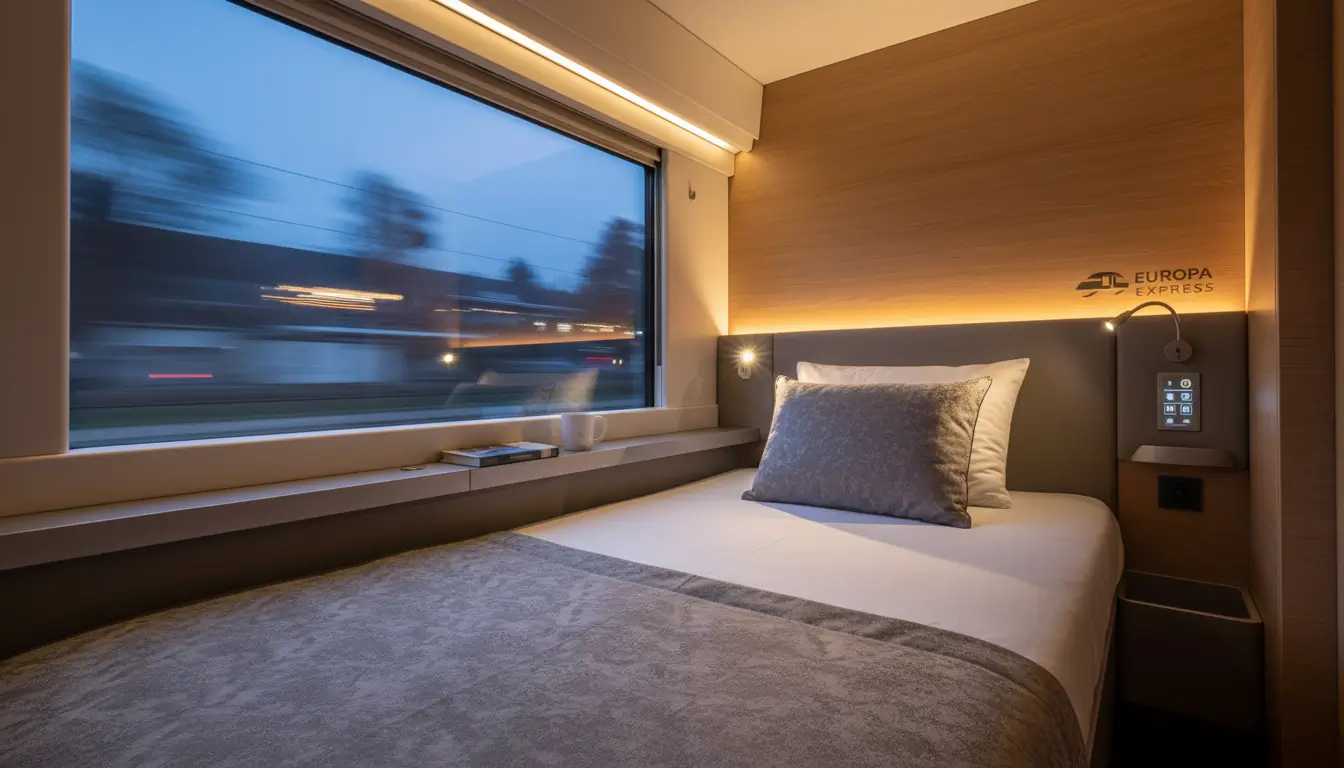
Your choice of sleeping spot directly affects safety and comfort. A regular seat in an open train carriage is the cheapest, but offers little privacy and makes it more difficult to keep an eye on your luggage. A couchette or sleeper compartment is more comfortable and provides space to store your belongings securely.
For solo travellers on a limited budget, a shared compartment is a middle ground. You share the space with others, but the door can be locked and your luggage remains within reach. Those willing to pay more for peace and privacy can choose a private compartment. This gives you the whole space to yourself, and you decide who enters.
Some travellers prefer an upper bunk because it provides more distance from the door and other passengers. Others choose a lower bunk because it is easier when getting off or visiting the toilet. Both options are safe; it is mainly a matter of personal preference.
Secure your luggage and valuables
Theft on night trains is not common, but small items such as phones, wallets, and passports are vulnerable if left lying around. Take a small bag or bum bag to store your valuables. Keep that bag close to your body, even while you sleep.
Larger luggage such as a backpack or suitcase can be attached to a hook or fixing in the compartment. Many night trains have storage space above the seats or under the beds. Ensure your suitcase remains within reach and is not left in a corridor or open luggage area.
Before departure, check that the door to your compartment closes properly. Some compartments have an internal lock. Use that lock during the night, even if you are sharing the room with others. This prevents strangers from entering unexpectedly.
Prevent common mistakes
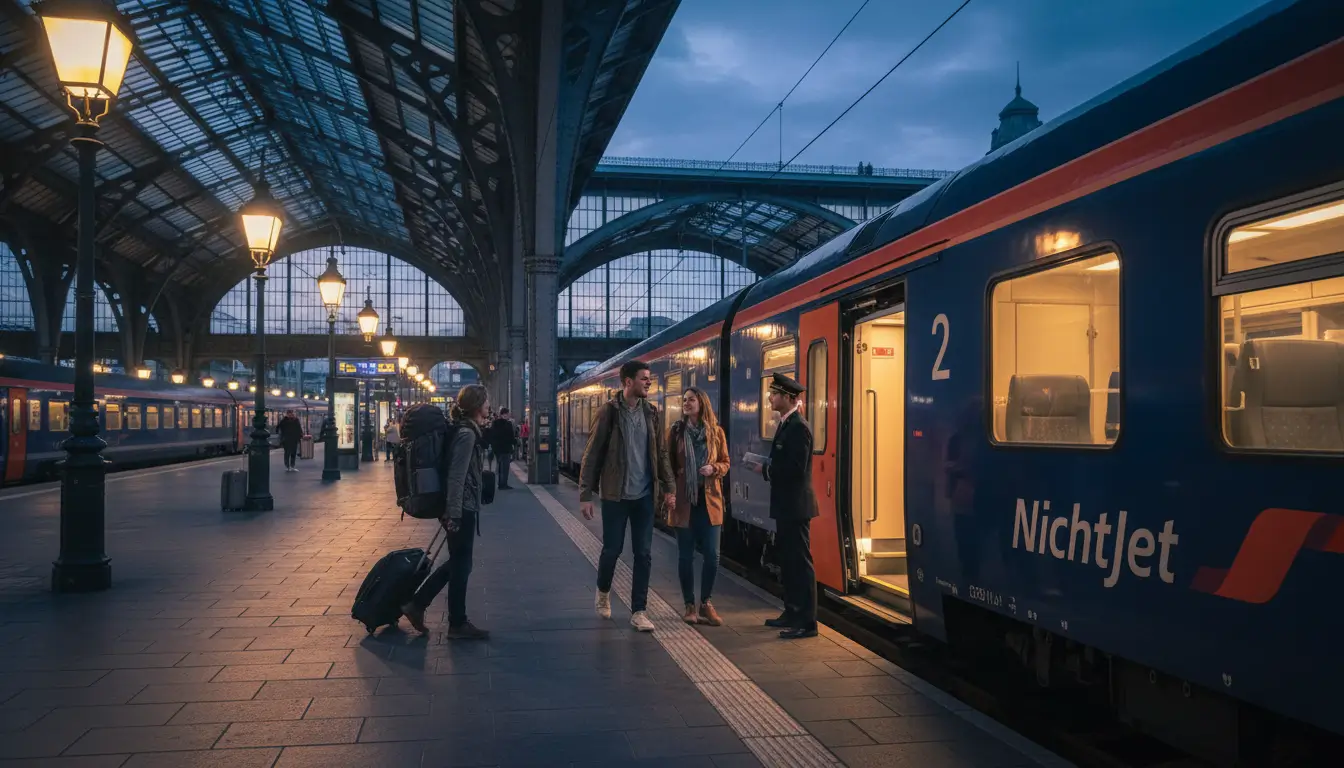
A common mistake is that travellers board too late and consequently cannot find their compartment. Make sure you are on the platform well before departure and know which carriage you need to be in. Night trains often consist of several sections that are sometimes uncoupled along the way.
Another risk is sleeping too deeply. If you do, you might miss your stop. Set an alarm on your phone and check the arrival time in advance. Some night trains stop early in the morning at small stations where few staff are present. Be alert and prepare for getting off the train.
Take enough water and small snacks with you. Not all night trains have a restaurant carriage, and facilities at a station in the middle of the night are limited. A small bottle of water and an energy bar can make the difference between a comfortable trip and a hungry night.
‘ Hygiene and comfort contribute to a relaxed feeling, which reduces the chance of sleeplessness or restlessness. ’
Extra comfort increases safety
If you sleep well, you will arrive more alert. Bring earplugs or noise-cancelling headphones to dampen sounds from fellow travellers or train traffic. A sleep mask helps against light in the corridors or from street lamps along the tracks.
A light blanket or scarf is useful if the heating in the compartment is not working well. Some night trains provide blankets and pillows, but these are not always clean or available. By bringing your own items, you stay comfortable and avoid unnecessary stress.
Wear comfortable clothing in which you can move easily. Don’t forget to bring a toothbrush, wipes, and possibly a small towel. Hygiene and comfort contribute to a relaxed feeling, which reduces the chance of sleeplessness or restlessness.
Safety starts with conscious planning
The best way to travel safely is to be well-prepared in advance. Check the regulations that apply to luggage, prohibited items, and reservations. For most European night trains, booking is mandatory, which means you secure your sleeping place in advance.
Look at the layout of the train and the available options. Some carriers offer special compartments for women, families, or travellers with extra luggage. Choose the option that best suits you and book in time, especially in the high season.
Make sure you know where you are going and how to get from the station to your accommodation. A night train can arrive early, sometimes before public transport is running. Plan your onward journey in advance and keep important addresses and contact details offline on your phone.
Discover more about train travel on Traveler Tips
Night trains are an efficient and sustainable way to discover Europe. On the Traveler Tips website, you will find extensive information about routes, destinations, regulations, and practical preparations for train travel. Whether you are travelling alone for the first time or already have experience with night trains, you will always discover more about travelling smartly and comfortably through Europe.
Frequently asked questions
Preferably book a sleeper or couchette compartment (a private or women-only compartment if possible) instead of a regular seat. Keep your passport, money, phone, and bank cards in a small bag that you keep on or attached to your body while sleeping. Place larger luggage as close to you as possible, for example, fastened to a rack or bed, so that someone cannot walk away with it unnoticed. Make sure you know where and when you need to get off and set an alarm so that you don’t leave your belongings behind in a rush or sleepily.
For a solo traveller, a private sleeper compartment (single) offers the best combination of safety and comfort, as you do not have to share the space and can keep better control of your luggage. If that is too expensive, a shared sleeper or couchette compartment with limited occupancy (e.g., 3- or 4-person) is a good alternative. For solo female travellers, a women-only compartment can feel extra safe and pleasant. In all cases, prefer a sleeper or couchette compartment to a regular seat for more peace and social security.
Yes: preferably book a sleeper or couchette compartment (possibly a private or women-only compartment) instead of a regular seat. Always keep your valuables – passport, money, phone, cards – in a small bag on your body, even while sleeping. Place and/or secure your suitcase or backpack so that you can see or feel it if someone comes near it. Set an alarm in advance for your stop, and take earplugs, a sleep mask, water, and some snacks so that you travel better and more alertly.
Stay in shared areas as much as possible, make contact with the train staff, and report it immediately if you feel unsafe or if something happens. Make sure you always carry important items (passport, money, phone) on your body and keep your luggage close to you, for example, secured with a cable lock. If a compartment or fellow traveller doesn’t feel right, ask the staff for another place or temporarily move to a safe part of the train at a stop. Trust your gut instinct: when in doubt, always choose your own safety, even if it means having to change your plans.
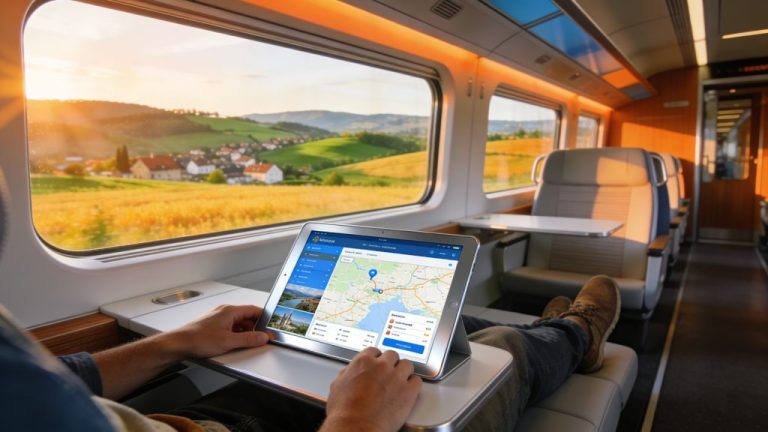
Handy gadgets include a compact door or coupling alarm (door/window alarm or door wedge with alarm) that you attach to the compartment door, and a small cable lock or TSA lock to attach your suitcase or backpack to fixed points in the compartment. A money belt or neck wallet for your passport, payment cards, and phone worn close to your body provides extra peace of mind while sleeping. In terms of apps, a live-location app (e.g., Google Maps with share your location), an SOS/emergency button app, and the official app of the railway company or night train operator are useful. If necessary, add a translation app with offline packages so you can easily communicate in the local language in emergencies.