 NL
NL
City cards and regional passes: the key to a carefree trip
Good preparation is the foundation of a successful trip. For the mindful traveller who values comfort and experience, city cards and regional passes are the tools that turn a well-planned holiday into a smooth experience. They enrich your journey. These passes offer financial benefits, convenience and the freedom to discover your destination to the full. Knowing how to choose and use the right pass is the key to smarter travel.
When you arrive at your destination after a comfortable journey, you want to start exploring straight away. This is especially true for sustainable train holidays, where you often get off right in the city centre and efficient local transport is of great value. The last thing you want is to waste time figuring out ticket machines or buying separate tickets for the metro, tram or bus. Local passes take away this hassle and let you immediately fall into the rhythm of your destination.
What are city cards and regional public transport passes?
Although the terms are often used interchangeably, there is a clear difference between city cards and regional public transport passes. A city card is usually an all-in-one package for a city break. It combines free or discounted access to museums, attractions and tours with unlimited use of public transport within the city limits. Think of well-known examples such as the I Amsterdam Card or the Barcelona Card. These cards are designed for travellers who want to see and do a lot in a short time.
A regional public transport pass, on the other hand, focuses primarily on transport within a larger area. These passes offer unlimited travel by train, bus and sometimes even boat within a specific region. They are ideal if you want to make day trips from a fixed base to nearby cities, villages or natural areas. Access to attractions is usually not included, although discounts are sometimes offered. The Berner Oberland Pass in Switzerland is a good example of such a regional pass.
‘ It enables you to optimise your travel experience and manage your budget more effectively. ’
Why are they indispensable for the mindful traveller?
For travellers who organise their own holiday and value good planning, these passes offer concrete benefits that go beyond convenience alone. They enable you to optimise your travel experience and manage your budget more effectively.
- Cost savings: The biggest advantage is often the financial saving. If you plan to visit several museums and use public transport regularly, a pass is almost always cheaper than separate tickets. Many providers have online calculators that allow you to estimate in advance whether the pass is worthwhile for your plans.
- Convenience and time saving: With a pass in your pocket, you no longer have to queue at ticket machines or ticket offices for attractions. You scan your digital or physical pass and can walk straight through. You can use this time you have gained for what you came for: experiencing the destination.
- Flexibility: A pass gives you the freedom to change your plans spontaneously. Do you spot an interesting tram line or fancy visiting a small museum that is included? With a pass you can hop on or walk in at no extra cost. This encourages a more relaxed and exploratory way of travelling.
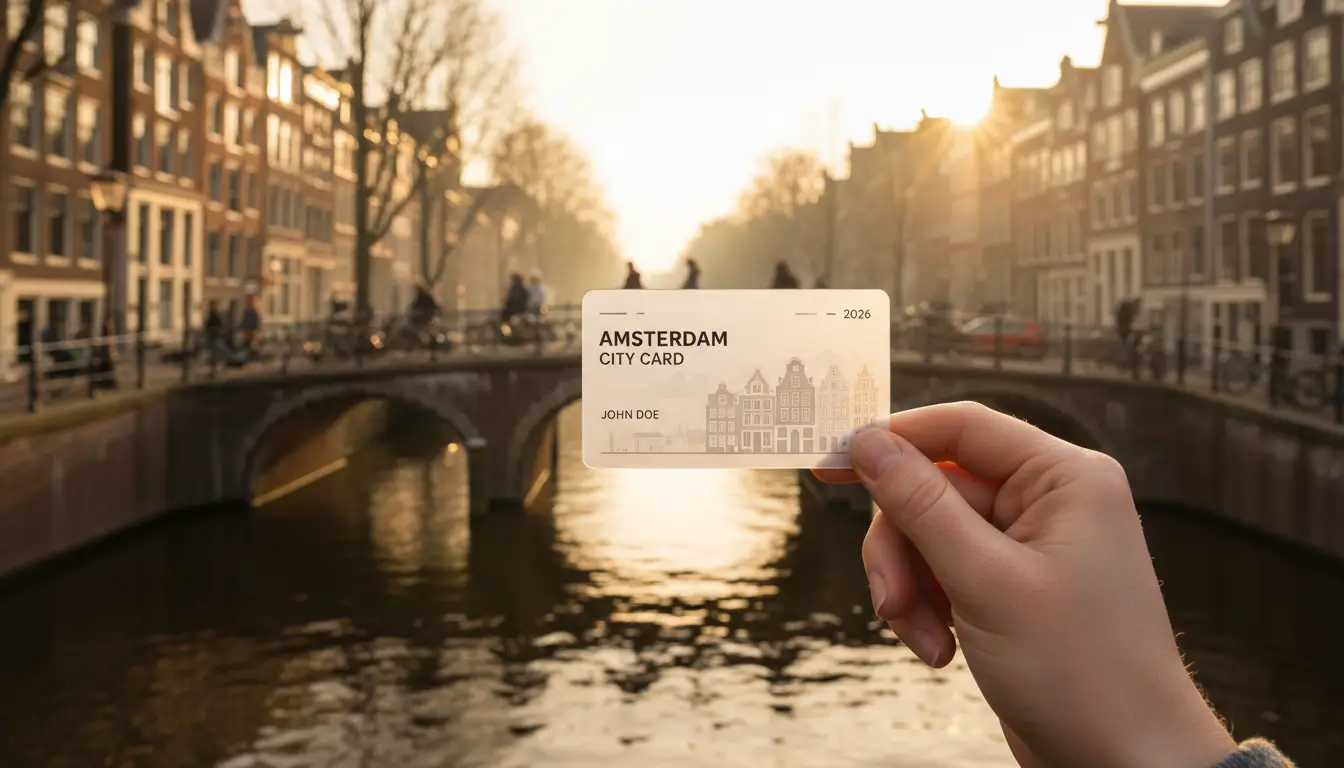
The city card: culture, attractions and public transport in one
The city card is the best friend of culture lovers and efficient city trippers. The value of the card lies in the combination of entry and transport. Before buying a card, it is important to check which specific museums and attractions are included. Popular sights such as the Louvre in Paris or the Sagrada Família in Barcelona often still require a separate time-slot reservation, even if entry with the pass is free.
Most city cards offer unlimited use of local public transport, such as metro, tram and bus. This makes it easy to move between your hotel, sights and restaurants. Pay close attention to the zones in which the pass is valid. Often the journey to and from the airport is also included, which gives you an immediate advantage upon arrival.
The regional public transport pass: your key to efficient local travel
When your plans extend beyond the city limits, the regional public transport pass comes into play. This pass is ideal for road trips where you leave the car behind for day trips, or for journeys where you explore an entire region by train. It allows you to enjoy the scenery in a relaxed way while travelling from A to B.
Regional passes are particularly popular in countries with an excellent public transport network, such as Switzerland, Austria and Germany. They give you access to an extensive network of trains, buses and sometimes even cable cars and boats. This allows you to reach remote villages, hiking areas and lakes that are more difficult to access by car. The focus here is really on the travel experience and the freedom to criss-cross a region without having to worry about individual tickets.
‘ With a structured approach you can choose the pass that best matches your travel style. ’
Choosing the perfect pass: a step-by-step plan for your trip
The range of passes can be overwhelming. With a structured approach you can choose the pass that best matches your travel style. Follow these steps to make the right decision.
- Map out your travel plans: Make a rough plan for your trip. Which city or region will you visit? How many days will you stay? Which museums and attractions are at the top of your list? Which day trips are you considering?
- List the available passes: Search online for “city card [city name]” or “regional travel pass [region name]”. Compare the different providers and the types of passes they offer (for example all-inclusive passes for a set number of days or flexible passes for a certain number of attractions).
- Make a cost comparison: Calculate the total cost of separate tickets for the attractions you want to visit and the estimated use of public transport. Compare this amount with the price of the pass. Be realistic; do not plan too much in one day.
- Check the conditions: Read the details carefully. What is the exact period of validity (per calendar day or per 24 hours)? Which transport zones are included? Do you still need to reserve a time slot for top attractions?
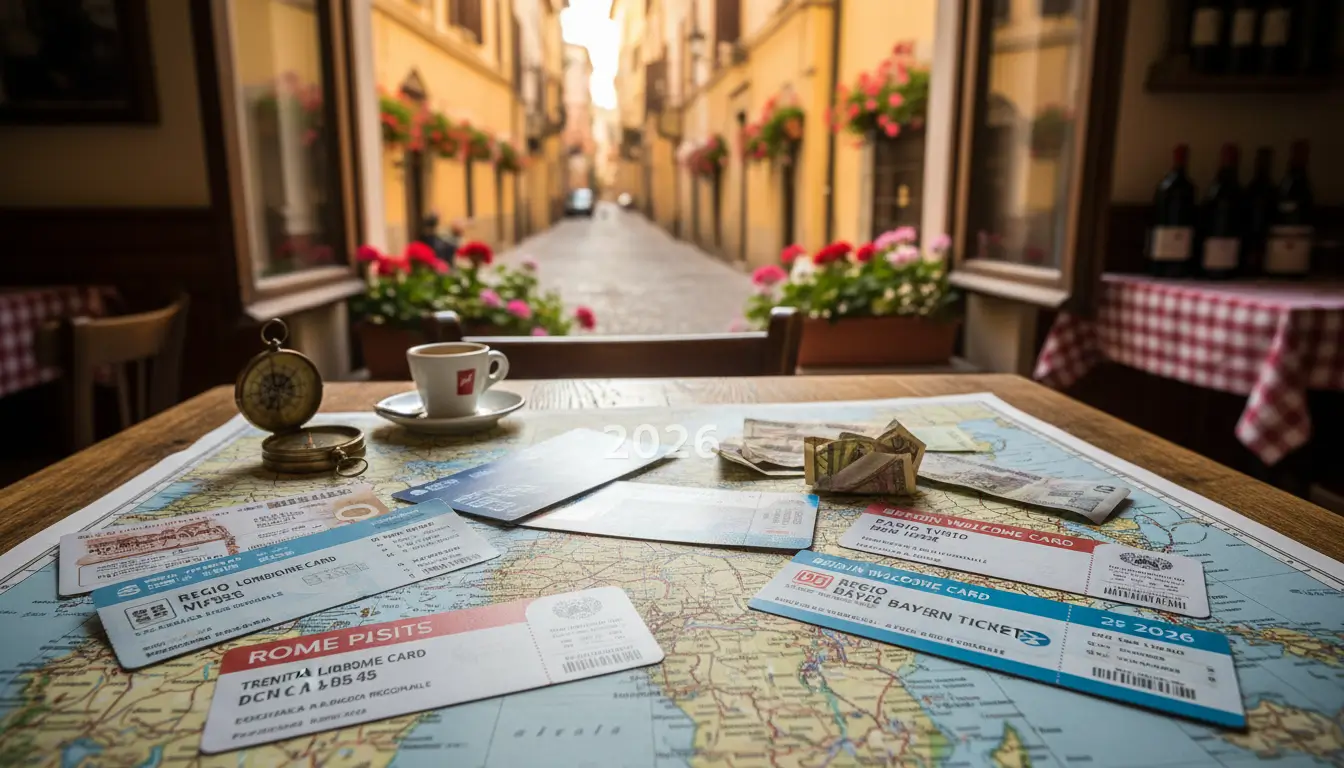
Get the most out of your pass
A pass is more than a discount card; it is a planning tool. To maximise the value of your pass, you can tailor your travel routes to the benefits included. For example, cluster sights that are close to each other and all covered by your pass. Use the free public transport to move quickly between different neighbourhoods.
Combine your train timetable with your local pass. If your pass also covers the journey from the airport or a major railway station, activate it immediately upon arrival. Plan the most expensive attractions on the days your pass is valid. By planning cleverly in advance, you ensure that your investment in the pass pays off as much as possible, both in money and in enjoyment of your trip.
Common mistakes and key points to watch out for
Good preparation prevents disappointment. There are a number of common pitfalls that you as a traveller should take into account. One of the most important is the period of validity. Many passes are valid per calendar day, not per 24 hours. If you activate a 48-hour pass on Monday afternoon, it is often valid for Monday and Tuesday, and not until Wednesday afternoon. Always check this in advance.
Another key point is the transport zones. Especially in large cities such as London or Paris, public transport is divided into zones. A standard city card often only covers the centre (zones 1–2). If your accommodation or an attraction is outside this area, you will need an additional ticket. Research in advance whether your plans fall within the geographical validity of the pass to avoid unexpected costs or fines.