 NL
NL
Budget cycling holiday packages make active trips accessible for those who like to plan themselves but still want comfort. From €39 per person you can enjoy well-organised overnight stays, meals and luggage transport, without having to dig deep into your wallet. In this article you will discover what options are available, where to find the best deals and how to book smartly for a carefree cycling trip.
How much does a cycling holiday package cost?
The price of a cycling holiday package depends on the duration, the facilities and the chosen region. For a short weekend you pay from €89 to €99 per person. Multi-day packages of four to seven days cost between €350 and €800 per person. These prices include overnight stays in hotels, B&Bs or holiday parks, usually with breakfast and dinner. For trekking tours, luggage transport is also included so you can cycle light every day.
Single-centre holidays are often cheaper than trekking tours. You stay in one location and make daily rides in the surrounding area. This saves on transport and accommodation costs. Parks such as Roompot offer stays from €15 per night, ideal if you want to put together your own route. Different types of cycling holidays are often combined. There are packages that combine routes, accommodation and meals.
Prices also vary by season. In the low season, packages are often several tens of euros cheaper than in the summer months. Early booking deals and member discounts, such as those from the ANWB, reduce costs further. Compare different providers for a smart booking. Check exactly what is included.
‘ Groningen and Friesland are interesting for culinary cycle routes. ’
Popular budget destinations for cycling packages
The Netherlands and Belgium offer plenty of regions where you can cycle on a limited budget. The Veluwe and Achterhoek are popular for short packages of three to five days, with prices from €350 per person. You cycle through vast forests, past Hanseatic towns and through the hilly Montferland. These areas are well served by cycle junction networks and have plenty of accommodation in different price ranges.
The Green Heart, with cities such as Utrecht, Gouda and Kinderdijk, offers packages from €405 for four to seven days. Here you cycle through watery landscapes, past windmills and castles. The routes are flat and suitable for beginners. Rivierenland, with Nijmegen, ’s-Hertogenbosch and the Biesbosch, has packages from €800 for seven days. This region combines nature with culture and is ideal if you want to invest a bit more in a longer trip.
Groningen and Friesland are interesting for culinary cycle routes. Packages of four to six days cost from €650 per person. You explore the Wadden coast, visit Harlingen and sample local products along the way. Drenthe offers weekend packages from €99, with wide-open fields and lots of nature reserves. The Meuse route, from Maastricht towards Belgium, is budget-friendly and runs through flat countryside with an international atmosphere.
What is included in a budget package?
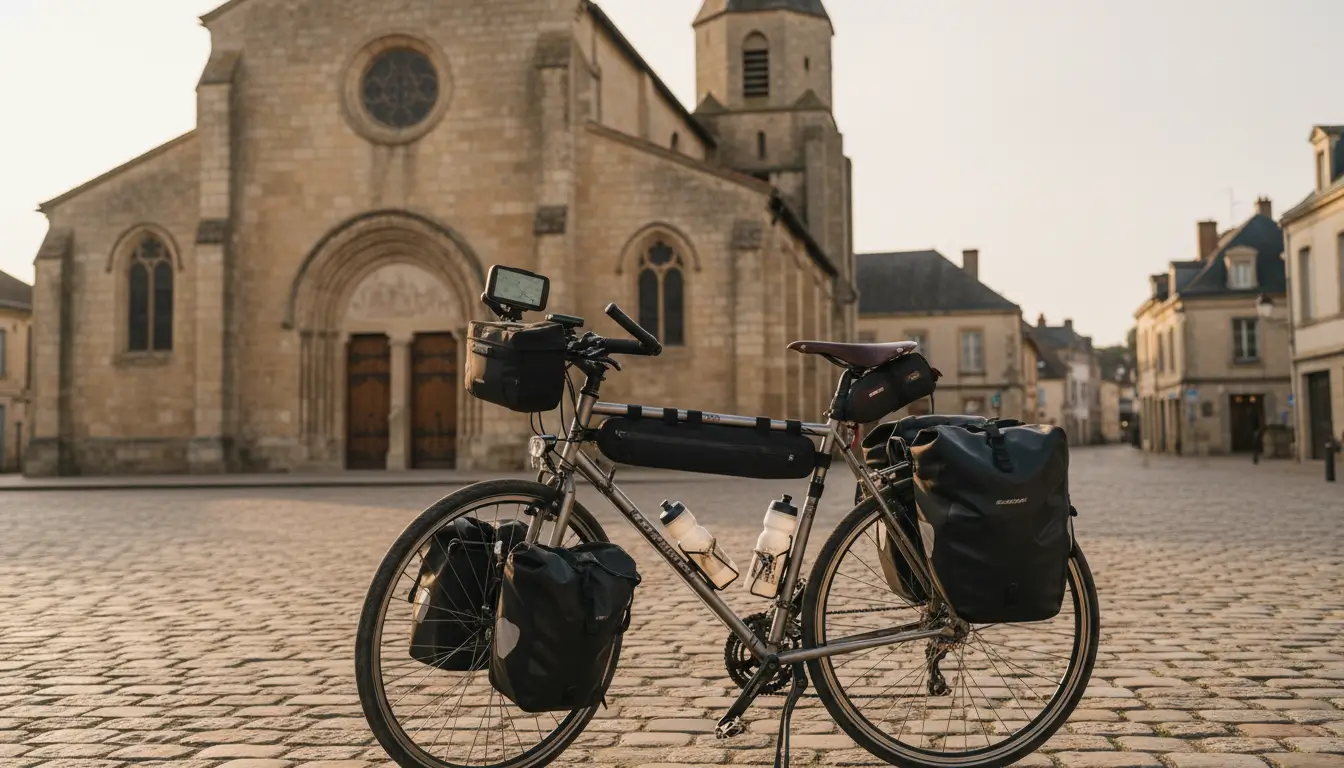
A budget cycling holiday package offers more than just a bed. Most packages include overnight stays with breakfast and dinner. On multi-day tours you are often given a packed lunch to take with you. Route descriptions are standard, either on paper, via GPS or with cycle junction references. This means you can set off with very little preparation.
Luggage transport is an important part of trekking packages. Your luggage is taken to your next accommodation every day so you only need to cycle with a small rucksack. This increases comfort and makes it easier to combine longer daily stages with sightseeing along the way. For single-centre holidays, luggage transport is not necessary as you return to the same location each time.
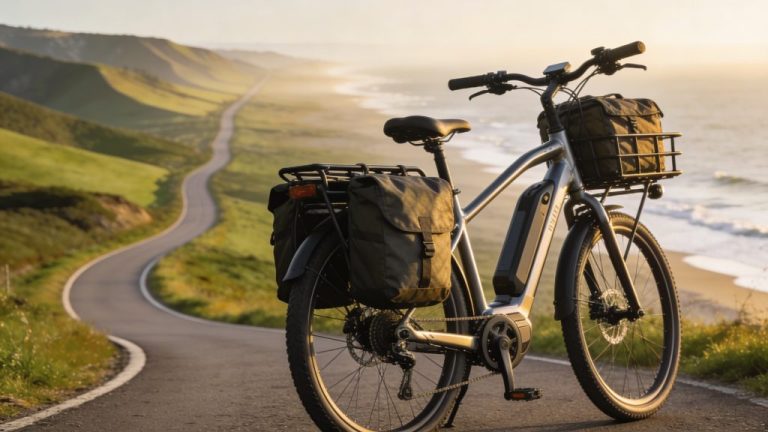
Many packages offer the option to hire a bike, including e‑bikes. Hire prices vary, but are often around €15 per day for a standard bike. E‑bikes are more expensive but make hilly areas or longer distances more accessible. You can also bring your own bike, which is especially cost-effective on shorter trips. Some providers offer bike hotels with lockable storage and repair services.
Book everything yourself or choose a package?
The choice between booking everything yourself and choosing a package depends on how much time and effort you want to invest. Booking yourself gives you full control over your route, accommodation and budget. You can opt for cheap overnight stays, map out your own routes and change plans flexibly. However, this does require more preparation and organisation.
A package takes a lot of the planning work off your hands. Routes have already been mapped out, accommodation is booked and luggage transport is arranged. This saves time and reduces the chance of surprises along the way. Little experience with cycling holidays or little time for preparation? Then a package is a practical choice. Costs are often higher than when you organise everything yourself, but the convenience makes up for this.
Budget packages are a middle ground. They offer the structure of a package at only a limited surcharge compared with booking yourself. You gain access to group discounts, optimised routes and negotiated accommodation prices. This also makes packages attractive for budget-conscious planners, especially if you book early or make use of member discounts.
‘ Take waterproof clothing and spare parts with you, even though the routes are flat and well maintained. ’
Practical tips for smart booking
Book in the low season for the best prices. April, May, September and October offer pleasant cycling weather at lower rates than July and August. When booking, check exactly what is included. Some packages charge extra for bike hire, tourist tax or luggage transport for fewer than two people.
Choose a single-centre holiday if you want to keep the budget down. You save on transport and accommodation and can explore new routes every day from one location. Places such as Tubbergen offer five-day packages from €350, including accommodation and routes. Holiday parks with direct cycle access are ideal for families or groups.
Look out for group benefits. Many providers offer discounts for bookings of four or more people. This reduces the cost per person and makes longer packages more affordable. Use apps for cycle junction routes to avoid busy paths and optimise your trip. Take waterproof clothing and spare parts with you, even though the routes are flat and well maintained.
Consider an e‑bike in hilly areas such as Limburg or if you want to cover longer distances without getting too tired. The extra hire cost is often offset by the greater range and convenience. Check the weather forecast in advance and adjust your packing list accordingly. Most Dutch and Belgian cycle routes are well signposted, but an offline map on your phone provides extra reassurance.
Which region fits your budget?
The Veluwe, Achterhoek and Drenthe are excellent choices if you are on a limited budget. These regions offer packages from €99 for two to three days, with flat to gently rolling routes. The countryside is varied and accommodation is widely available. You can enjoy forests, heathland and small villages without having to travel far.
Longer holidays with a bigger budget call for different destinations. Rivierenland and the Green Heart are then interesting. Packages of five to seven days cost between €400 and €800, with extensive routes past places of cultural and historical interest. These regions combine cycling with visits to castles, fortified towns and national parks such as the Biesbosch.
Groningen and Friesland are ideal for food lovers. The packages often include tastings and dinners with local products. The Wadden coast and islands such as Ameland offer unique cycle routes through dunes and along beaches. Packages here start from €211 for four days, with options for island tours and nature watching.
The Meuse route is suitable for those wanting to make a longer trek with an international dimension. You cycle from Maastricht towards Belgium, through flat countryside with affordable overnight stays along the way. This route can easily be combined with your own bookings for extra flexibility. The hilly Limburg region demands more effort, but offers atmospheric villages and varied landscapes.
Experiences and points of attention en route
Cyclists appreciate the tranquillity and accessibility of Dutch nature reserves. The Veluwe and Biesbosch are known for their peace and opportunities for birdwatching. Thanks to the vast forests, a long weekend often feels like a full week away. The routes are well maintained and offer few technical challenges, making them suitable for all levels.
Choose accommodation with a terrace and lockable bike storage. After a day of cycling 40 to 60 kilometres, a comfortable place to relax is important. Many bike-friendly hotels offer repair services and laundry facilities, handy for multi-day tours. Set off early to avoid crowds on popular routes, especially in high season and around sights such as Kinderdijk.
On islands such as Ameland, wind can be a challenge. Take a windproof jacket and plan your route with the wind direction in mind. Most packages provide weather advice and alternative routes in bad weather. Before departure, check the condition of your bike or hire bike, including tyres, brakes and lights. This prevents unpleasant surprises along the way.
Cross-border routes to Belgium or Germany offer variety and are often budget-friendly. The transitions are smooth and the routes remain flat and well signposted. Watch out for differences in signposting between countries and, if necessary, download region-specific apps. The combination of Dutch and Belgian landscapes makes longer tours particularly worthwhile.
‘ There you can discover background information on different regions, read which regulations apply and gain insight into what different providers actually offer. ’
Discover more on Traveler Tips
On the Traveler Tips website you will find much more information about routes, destinations, preparation and practical tips for your next trip. There you can discover background information on different regions, read which regulations apply and gain insight into what different providers actually offer. You will also find concrete sample routes and guides for putting together your own cycling holiday. Browse the in-depth articles and discover what options there are for your next trip.
Frequently asked questions
Look for “individual” or “self-guided” cycling holidays from providers of budget packages, as these often combine fixed overnight stays with free time during the day using the cycle junction network. Filter for single-centre holidays (one base) or short treks of 3–5 days, which are usually cheaper than long trips with a different hotel every night. Compare prices including luggage transport, hire bike/e‑bike and half board, and look for early booking discounts or member deals (e.g. via ANWB or cycling clubs). Check in the terms and conditions how much freedom you have to ride your own routes or add rest days, so that you are not tied to a tight day‑by‑day schedule.
Plan your daily stage distances and rest days in advance and make sure your routes (junctions/GPS) are available offline. Take good waterproofs, layered clothing, a windproof jacket and enough water bottles and snacks for the road. Bring basic bike repair gear such as a spare inner tube, tyre levers, pump and possibly a multitool. Make it comfortable with a good saddle, cycling gloves, sun protection and, if you like, a simple first aid kit.
Yes, there are various budget cycling holiday packages that are easy to reach by public transport or by car, for example in the Green Heart, the Veluwe, Drenthe and Groningen/Friesland. Many starting points are close to railway stations or major motorways, so you keep the journey there short and cheap. Single‑centre packages (one fixed base) in easily accessible regions are often the most cost‑efficient, because you have fewer journeys and parking costs. By booking in the low season and choosing departure points close to public transport hubs or main roads, you can optimise your total travel costs.
Look for a clear price–quality ratio: what is included (overnight stay, meals, luggage transport, hire bike) and how much do you pay per day for it. You can recognise a ‘rich experience’ by well‑designed routes past nature, culture and cafés/restaurants, preferably with GPS/junctions and background information. You see quality in small‑scale, well‑reviewed accommodation with bike‑friendly facilities (lockable storage, hearty breakfast, and possibly dinner and packed lunch). Finally, check independent reviews and photos from previous travellers to see whether the experience matches the promises.
Choose a single‑centre package instead of moving every night, so you save on luggage transport and extra cleaning costs. Book in the low season and use early booking discounts or member benefits (such as ANWB) to lower the base price. Take your own snacks, reusable bottles and small repair items to avoid expensive cafés and breakdown services. Use free route apps with junction networks instead of paid guidebooks or separate route packs.