NL
NL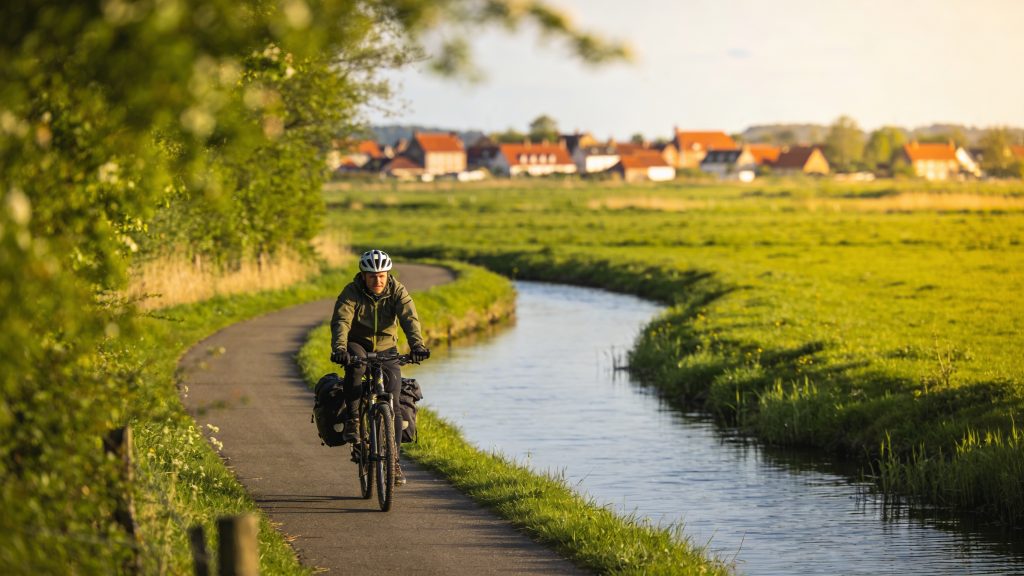
May and September are the ideal months for a cycling holiday in Flanders. These periods combine pleasant temperatures with fewer tourists on the routes. The landscape is at its most beautiful then. In spring you see flowering fields and green meadows. Late summer offers golden landscapes and stable weather. In both seasons you avoid the crowds and the rain showers that characterise other months. Read on and discover why these months make all the difference for your cycling trip.
Why late spring and late summer deserve preference
The climate in Flanders has four distinct seasons. From April through May, average temperatures range between 12 and 18 degrees Celsius. September and October offer similar values. These mild temperatures make cycling comfortable without overheating during exertion. You do not need to take heavy clothing, but an extra layer for cooler mornings and evenings is sufficient.
The amount of rainfall in these months is lower than in winter and early autumn. Although you can never completely rule out rain, showers are usually short and predictable. This makes cycling holidays easier to plan. You can map out routes without having to take prolonged downpours into account every day.
The summer months from June to August bring higher temperatures. Cycling in the midday heat can be tiring, especially on routes without sufficient shade. In addition, cycle paths and popular routes are busier because of school holidays across Europe. Accommodation is also more expensive during these peak months and requires early booking.
‘ Cycle paths can become overloaded, which makes the experience less relaxing. ’
Less crowding on popular routes
July and August attract the most tourists to Flanders. Well-known cycling routes such as the stretches between Ghent, Bruges and the coast are very busy then. Cycle paths can become overloaded, which makes the experience less relaxing. The historic towns are also busier, leading to longer waiting times at sights.
May and September fall outside this peak period. The routes are quieter and you share the path with fewer other cyclists. This gives you more space to ride at your own pace. You can stop spontaneously at places of interest. Accommodation along the route is also easier to find and often at more favourable rates. You have more freedom of choice when booking hotels, bed & breakfasts or holiday homes.
The Easter holidays are an exception in spring. This period attracts extra visitors, especially in the week around Easter. If you want to go cycling in April, plan your trip outside this school holiday or book your overnight stays well in advance.
Nature and scenery at their best
The spring months of April and May are characterised by flowering flora. Fields of rapeseed turn yellow, orchards blossom and meadows take on a fresh green appearance. This visual variety makes cycling routes through the Flemish countryside particularly appealing. You cycle through surroundings that are constantly changing and offering new views.
September and October bring out the autumn colours. Deciduous forests take on golden and reddish-brown tones. The low sunlight creates different angles of light that show the landscape in a different way. Temperatures are still warm enough for comfortable cycling, while the fresh mornings and evenings provide clear air.
Summer also has its advantages for those who like long days. The sun sets late and you have more daylight available for longer routes. Even so, this does not outweigh the crowds and the heat. Late spring and late summer offer plenty of daylight. Weather conditions are better then.
Practical considerations for your planning
Several factors play a role when choosing your travel period. Besides the weather and how busy it is, you also look at the availability of facilities. Most bike rental companies, accommodation providers and tourist services are fully operational between April and October. Outside this season some facilities may be closed or have limited opening hours.
Late autumn and winter bring more rainfall and lower temperatures. November to March are less suitable for cycling holidays because of the wet and often cold weather. Wind and rain make cycling less pleasant. The days are also shorter. This makes it harder to plan longer routes.
Festivals and events can influence your choice. In spring and late summer Flanders hosts various cultural events, food festivals and local markets. These can add extra interest to your route. Do check whether any major events are taking place, as these can create extra crowds in specific towns or regions.
‘ This makes September the favourite month for many cyclists. ’
Assessing the weather month by month
April marks the start of the cycling season. Nature awakens and temperatures rise. Rain is still quite common. However, the showers are shorter. A rain jacket in your pannier is still essential. The average temperature is around 12 to 15 degrees.
May offers more stable weather with fewer days of rainfall. Temperatures range between 15 and 18 degrees. This is one of the best months to cycle, with mild conditions and plenty of blossoming landscapes. The chance of long periods without rain is higher. In April it rains more often.
September combines the warmth of summer with the calm of the low season. Temperatures remain pleasant between 16 and 20 degrees. The weather is usually stable with regular sunny days. This makes September the favourite month for many cyclists.
October can still offer good cycling days, especially in the first half of the month. Temperatures drop to between 12 and 16 degrees. As the month progresses, the chance of rain and wind increases. Plan flexibly and keep an eye on the weather forecast.
Which month should you choose for your cycling holiday?
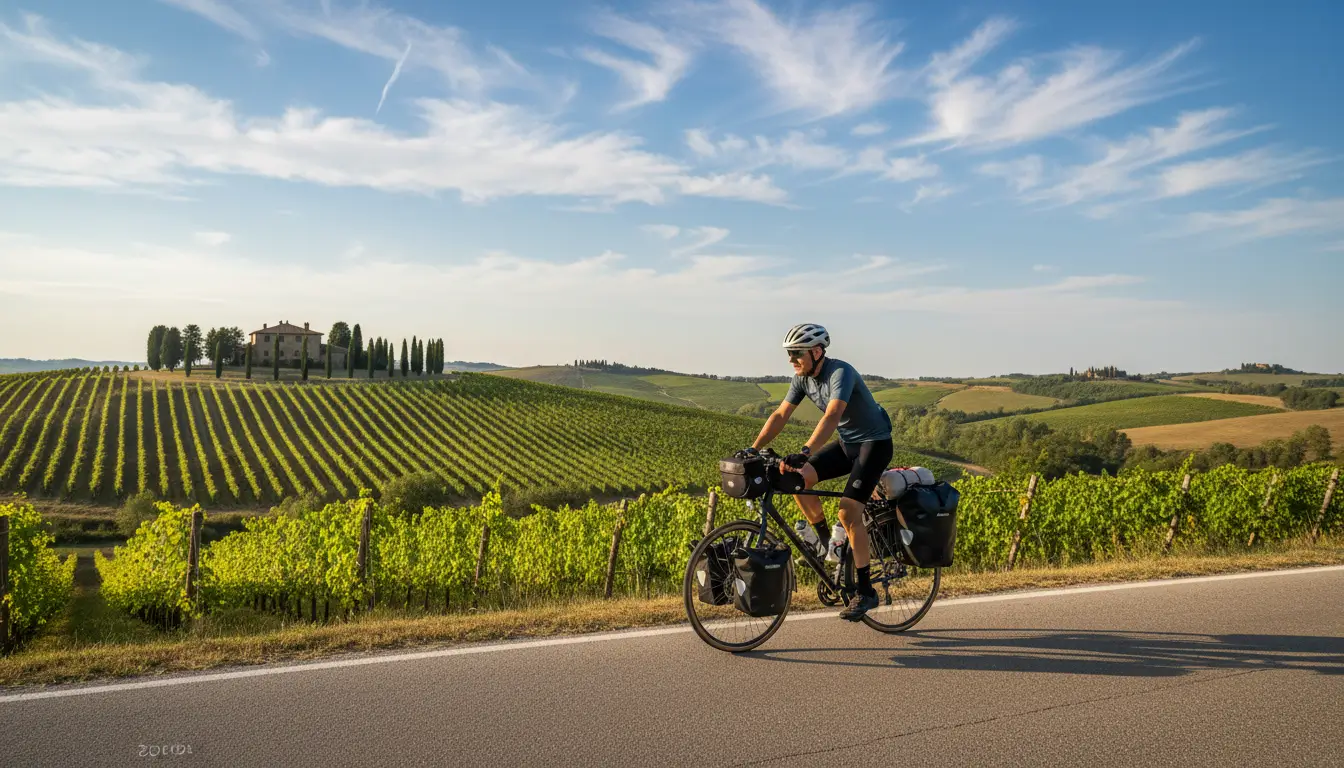
The ideal month depends on your personal preferences. If you enjoy blossoming nature and fresh green scenery, May is the best match for your wishes. The combination of good weather and low visitor numbers makes this month popular among experienced cyclists. You have plenty of daylight and the infrastructure is fully available.
If you choose September, you benefit from late-summer warmth and quiet routes. The autumn colours begin to appear and the landscape takes on a different character. For those who prefer fewer crowds and want stable weather, September is often the best option. Temperatures are slightly higher than in May, which gives extra comfort on longer rides.
If you are not tied to school holidays, you can plan flexibly. That way you make optimal use of these two prime months. You avoid the downsides of the high season and increase the enjoyment of your cycling. The combination of weather, nature and tranquillity makes May and September the smartest choices for cycling holidays in Flanders.
More inspiration for your cycling trip
The timing of your trip largely determines how you experience your cycling holiday. Flanders offers extensive route networks, historic cities and varied landscapes that you can explore throughout the year. With the right planning you will get the most out of your trip.
On the Traveler Tips website you will find much more information about cycling routes, practical tips for on the road and inspiration for destinations in Flanders and beyond. Whether you are planning a multi-day tour or just a short weekend break, there is plenty to discover. Explore the options and turn your next cycling holiday into a success.
Frequently asked questions
The most comfortable months for cycling in Flanders, taking into account the weather and rainfall, are mainly May and September. In these months temperatures are generally mild and there is less rainfall than in the wet late autumn and winter. April, June and October can also be pleasant, but on average May and September offer the best combination of comfort and stable weather.
It is quietest on the cycling routes and at tourist attractions outside the peak season of July and August. May and September in particular offer a good combination of tranquillity and pleasant weather. Weekdays are also generally quieter than weekends and school holidays.
Spring (April–May) offers the most beautiful natural scenery in Flanders, with blossoming flora and fresh green landscapes along the cycling routes. In autumn (September–October), golden deciduous forests create particularly atmospheric rides. May and September combine this natural beauty with relatively quiet cycle paths and less tourist pressure.
Yes. In the high season (especially July and August, and often also the Easter holidays) accommodation along popular cycling routes is booked up more quickly and prices are generally higher. In the shoulder seasons (April–May and September–October) it is usually quieter, with more availability and often lower rates. In busy periods, book well in advance, especially along well-known routes.