NL
NL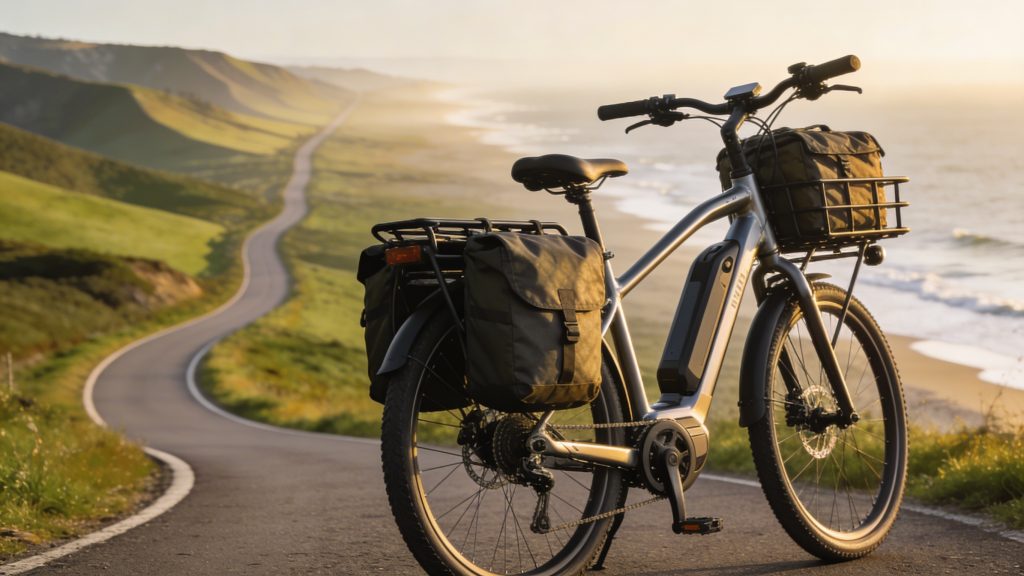
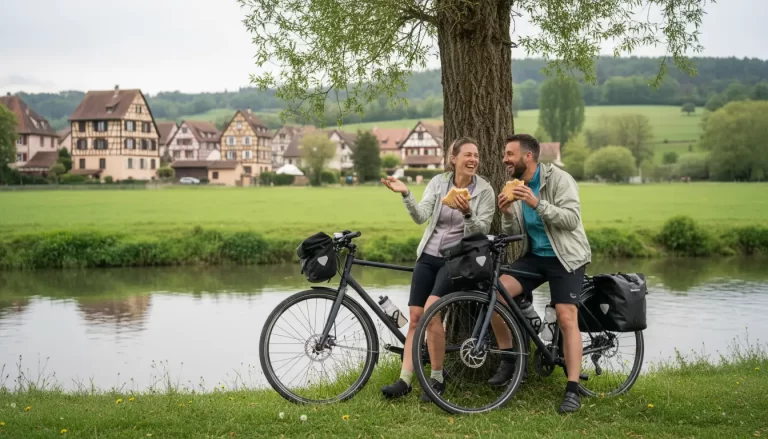
An e-bike makes long cycling routes more accessible than you might think. With the right preparation you can easily cover 50 to 100 kilometres a day. Even hilly areas such as the Ardennes or South Limburg are no problem. The motor provides assistance when you need it, while you decide how much you want to pedal yourself. Battery management, riding technique and route planning are the keys to a successful cycling holiday. This is how to prepare your e-bike optimally for your next multi-day trip.
Choose an e-bike with enough power
For long routes, the choice of your e-bike is crucial. A motor with a torque of at least 65 Nm provides enough pulling power for rolling roads. For steep climbs, 85 Nm is ideal. The torque determines how much power the motor delivers when accelerating and climbing.
Pay attention to battery capacity. A battery of 500 to 750 Wh is suitable for distances between 50 and 100 kilometres. The actual range depends on several factors. Examples are: terrain, your own weight, luggage and wind. First test at home how far you get on a comparable route. That prevents unpleasant surprises along the way.
Are you planning multi-day trips without a daily charging point? Then consider a second battery. Some e-bikes have room for an extra battery in the frame or on the luggage rack. That gives you more flexibility in your route planning.
Check your e-bike before you set off
Good preparation starts with a thorough check of your bike. Inspect the tyres for wear and make sure they are at the correct pressure. Wider tyres with good grip offer more stability on varied terrain. Also check your gears, brakes and lights.
Take a small breakdown kit with you containing:
- Tyre repair kit or spare inner tube
- Pump suitable for your valves
- Multitool with Allen keys
- Spare lights or batteries
- Charger with the correct plug
Are you travelling by car? Then check whether your bike carrier meets safety standards. E-bikes are heavier than ordinary bikes, so a solid mounting is essential.
Plan realistic daily distances
Even with motor assistance, 40 to 80 kilometres per day is a sensible distance. This is especially true for multi-day trips. That way you have time to enjoy the scenery. You take breaks and make spontaneous detours. Avoid the pitfall of planning too many kilometres. The motor can be misleading.
When planning, take into account:
- Elevation gain: hills and mountains use more battery power
- Road surface: unpaved paths cost more energy
- Weather conditions: a headwind can reduce the range by 30 per cent
- Charging options: plan stops at accommodation or hospitality venues
Use reliable cycle navigation for unfamiliar areas. Signposting is sometimes limited, especially abroad. Build in rest stops and make sure you reach your overnight stay before sunset.
Manage your battery smartly on the road
Charging your battery daily is a fixed routine. This applies to multi-day trips. Are you booking accommodation? Then ask whether there are sockets available. Most hotels and campsites offer 220V sockets where you can fully charge your battery overnight.
Do not ride continuously in the highest assistance mode. That saves energy. Switch between assistance levels depending on the terrain. On flat sections a low mode is sufficient, while on hills you can temporarily switch on more assistance. This significantly increases your range.
Be aware of the factors that influence battery consumption. Heavy luggage, high speed and frequent stop-starts all put extra demand on your battery. By maintaining an even pace and travelling light, you can get more kilometres out of a single charge.
Climbing hills efficiently
In hilly areas, climbing technique needs some adjustment. Examples include Limburg or the Ardennes. Shift into a lighter gear in good time, before you actually start the climb. Keep a high pedalling cadence of 70 to 90 revolutions per minute. This prevents overloading the motor and saves battery capacity.
Take short breaks on long climbs. This not only helps you, but also gives the motor time to cool down. On very steep sections you can temporarily increase the assistance without riding in that mode all day.
‘ Wind has a major impact on your range and riding comfort. ’
Adjust your riding technique for long distances
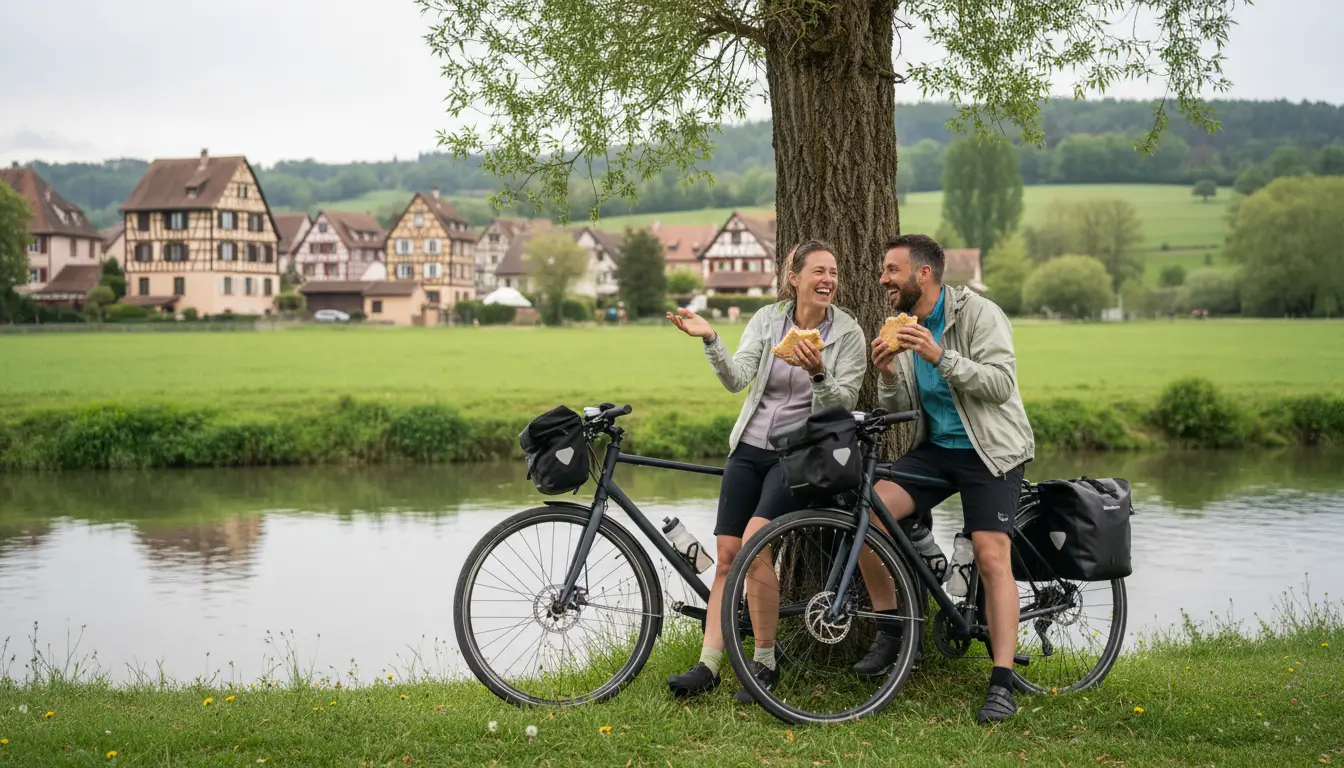
Start your day gently. Build up the pace gradually. A steady start prevents early fatigue and helps you spread your energy over the whole day. Stop regularly for water, food and a short rest. Even with motor assistance, cycling remains a physical effort.
In groups, take turns at the front. E-bikes already provide assistance, but riding in each other’s slipstream still saves energy. Change position regularly so that nobody is cycling into the wind for too long.
Check the weather forecast before you set off. Expecting rain or wind? Then adjust your route or start time. Wind has a major impact on your range and riding comfort.
Choose the right luggage and equipment
Travel as light as possible. The motor does make heavier weight manageable, but every extra kilo costs battery power. Use waterproof panniers for your essentials. Distribute the weight evenly between the front and rear.
Wear suitable cycling clothing. This wicks away moisture and protects against changeable weather conditions. A good pair of cycling shorts prevents irritation on long rides. Don’t forget your helmet and, if you like, take gloves and cycling glasses for extra comfort.
Take enough water and energy-rich snacks with you. A CamelBak or bottles in the frame holders keep you hydrated on the road. Eating in between rides prevents energy dips and helps you stay focused.
Advantages of e-bikes for hilly terrain
E-bikes make areas accessible that were previously only within reach for seasoned cyclists. The Ardennes, South Limburg or the hills of Tuscany demand some serious climbing, but with motor assistance it remains enjoyable. You still have energy left to enjoy the sights and local culture.
The main advantage: you decide your own effort level. On tough sections you use more assistance, on flat parts you choose less help. That way you can adapt every day to how you feel and what the terrain demands.
This relaxed way of travelling makes e-bikes popular with all ages. Groups with different fitness levels can ride together. The fastest riders do not have to wait; the slower ones do not feel pressured.
‘ An ordinary socket is all you need. ’
Practical charging tips for multi-day routes
Ask your accommodation in advance about charging options. Most hotels, B&Bs and campsites offer standard sockets. Some bike-friendly hotels have special charging stations, but that’s not essential. An ordinary socket is all you need.
Take your original charger with you. Cycling abroad? Then consider taking a travel adapter. Check the mains voltage and make sure your charger is suitable. In Europe, 220V is standard, but check this when travelling outside the EU.
Ideally, charge your battery between 20 and 80 per cent. This ensures the longest lifespan. Don’t let your battery run completely empty. Continuously charging to 100 per cent will also reduce the capacity in the long run. During multi-day trips this makes little difference, but it’s good to know for the long term.
Discover more on Traveller Tips
An e-bike opens up new possibilities for long cycling routes and multi-day trips through varied landscapes. When you plan your first multi-day e-bike trip, keep it realistic: choose accommodation with charging points, limit your daily distances to 50–70 kilometres and allow time for adjustments along the way. Travellers with a second battery, or those who opt for routes with regular cafés and restaurants, create extra flexibility and reduce stress. On the Traveller Tips website you’ll find plenty more practical information about routes, destinations, preparation and everything else involved in planning your ideal trip. Discover more useful tips and inspiration for your next cycling adventure.
Frequently asked questions
Use a route planner or e-bike app that explicitly shows charging points and plan your daily stages so that you arrive at a charging point with at least 20–30% battery remaining. Choose your lunch and coffee stops deliberately at locations with sockets or official charging points, so you can top up during the day. Limit the use of the highest assistance mode to steep or difficult sections in order to stretch the battery life between charging moments. Test your average range at home beforehand with your luggage and riding style, and base your maximum distance between charging points on that.
Take a well-fitting helmet, cycling glasses, (fingerless) gloves, comfortable cycling shorts with pad and layered clothing (including rain and wind jacket), plus enough water and energy-rich snacks. Make sure you have good front and rear lights, reflective elements, a sturdy lock, a phone with power bank and bike navigation or a map. For breakdowns: multitool, spare inner tube(s) or repair kit, pump or CO₂ cartridges, tyre levers and possibly a chain link or quick link. Specifically for the e-bike: original charger, possibly a second battery, key(s) for the battery and a waterproof pannier for documents, money and a small first-aid kit.
Use platforms such as Fietsersbond Routeplanner, Komoot or Strava to find e-bike routes that match your level, preferred distance (for example 40–80 km per day) and landscape. Filter for paved paths, elevation profile and points of interest along the way, and check reviews or photos from other cyclists for the “experience factor”. Plan your day so that you have enough time for stops at viewpoints, villages and nature, and do not ride the maximum distance your battery could theoretically handle, to leave room for detours. Export the route to a reliable GPS (or app on your phone) and mark charging points, cafés and restaurants, and accommodation along the way in advance.
Use an approved, sturdy bike carrier that can handle the higher weight of an e-bike, and preferably remove the battery and loose parts when transporting it by car. Secure the bike firmly (frame and possibly one wheel) and check after a few kilometres that everything is still tight. For train journeys: check in advance whether e-bikes are allowed, use the designated bike spaces and make sure you carry the battery safely and according to the rules. Protect your e-bike from bumps and scratches with covers or foam on vulnerable parts.
For a long-distance trip, a trekking or touring e-bike with a powerful mid-drive motor (at least 65 Nm, preferably around 85 Nm if there are many steep climbs) and a large battery (500–750 Wh, possibly with a second battery) is the most suitable. Choose a model with wide tyres and good grip, so you can ride comfortably on tarmac, cycle paths, light gravel and gently rolling to hilly terrain. Depending on your route you can expect both flat sections and hills, plus some short, steep climbs, especially on trips through hilly or mountainous regions. Plan your daily distances (around 40–80 km) based on this mixed terrain and the expected elevation gain.