 NL
NL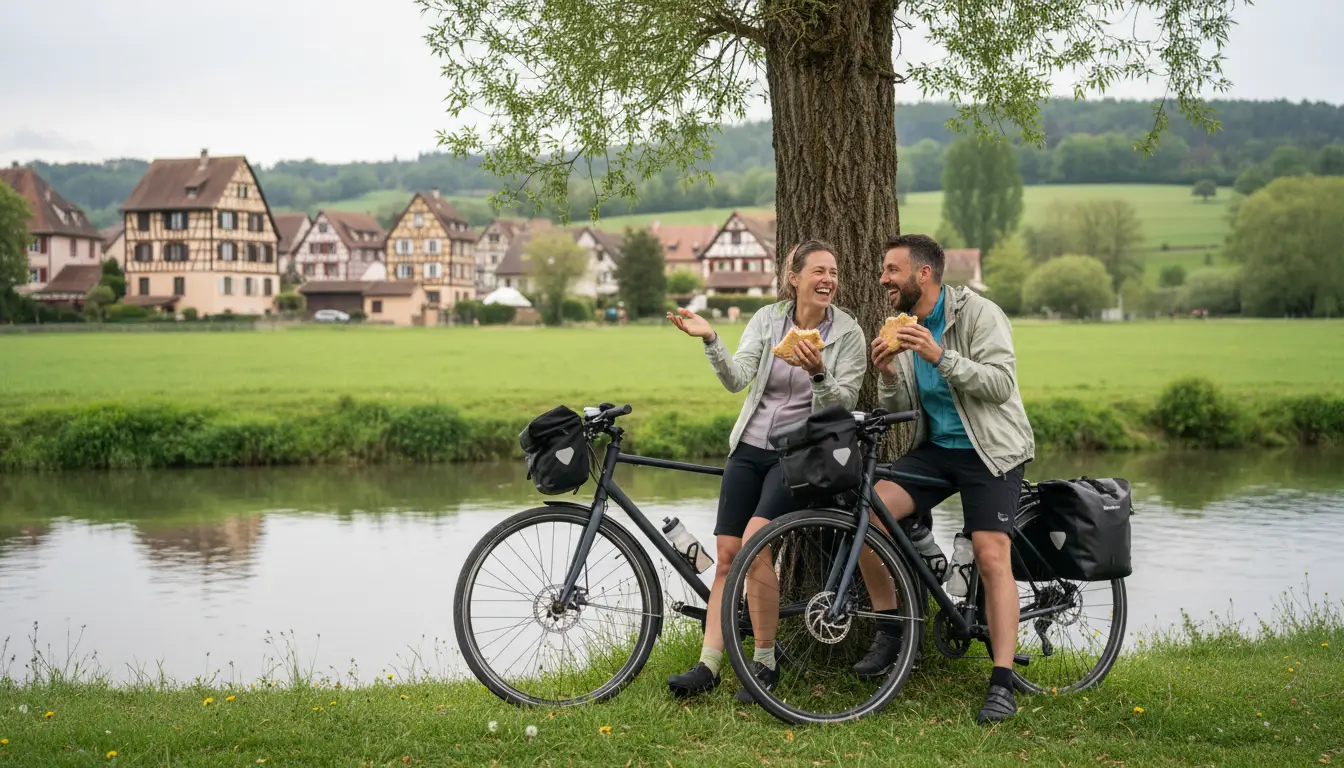
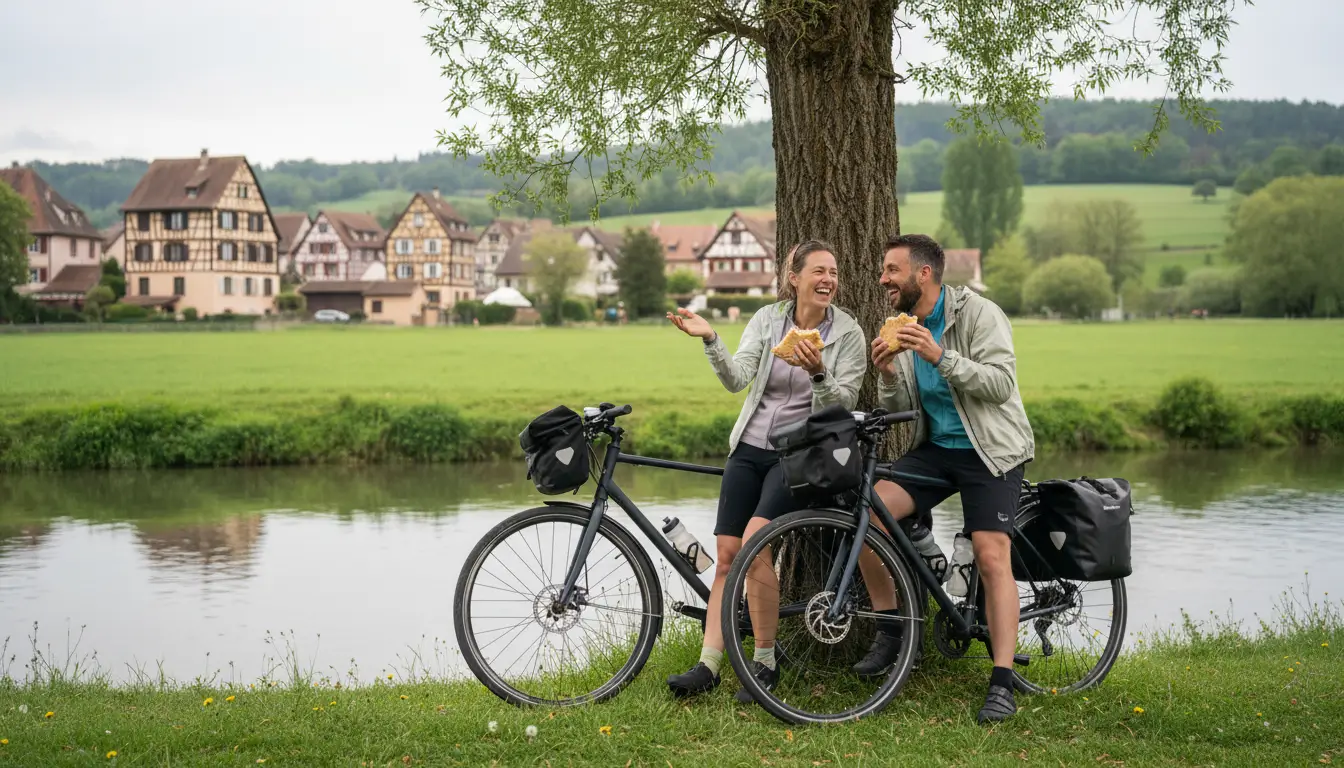
Three days of cycling through peaceful polders, forgotten creeks and historic towns offers you a perfect balance of nature, culture and exercise. In Belgium and the Netherlands you will find beautiful short routes. You explore them from one fixed base. Or you choose an arrangement with luggage transport. Ideal for anyone who wants a short break, without long travel times or complicated planning.
A three-day cycling holiday takes you through landscapes you would otherwise miss. The routes are flat, largely car-free and fully mapped out using cycle junction networks. Discover why a short cycling break gives you so much more than you might expect.
Why choose a three-day cycling holiday
A three-day cycling holiday is perfect for anyone looking for tranquillity and experiences. You do not need a full week to really unwind. Three days of cycling through landscapes with water, nature and small villages offers enough variety. Your schedule stays manageable. On top of that, most routes in Belgium and the Netherlands are easy to reach by train, so you do not have to travel far to set off.
The routes are suitable for every level. Most sections are flat and tarmacked, with many car-free paths. They are ideal for e-bikes (electric bicycles with pedal assistance). They are also suitable for anyone who wants to keep a relaxed pace. Cycling holidays in this region combine nature and culture in a way that leaves plenty of room for your own wishes.
‘ Ideal for anyone wanting to escape the hustle and bustle for a while. ’
Four recommended three-day routes in Belgium and the Netherlands
In the region you will find several three-day cycling routes. Below are four routes, each with its own character, from creeks and polders to canals and coastal landscapes.
North of East Flanders: creeks and polders
This route starts in Zeeuws-Vlaanderen. It takes you through the Meetjesland and Waasland regions. You cycle past creeks, old channels and nature reserves. Examples include Heidebos forest and the Fondatie van Boudelo. Highlights include the Vapeurbrug bridge over the Moervaart, the historic Kruiskapel chapel and the Puyenbroeck provincial domain. The total length is 58.2 kilometres, spread over three days. The route is 98 per cent tarmacked and 45 per cent car-free. The landscape is almost completely flat. It is also suitable for beginner cyclists.
Many travellers opt to stay at a single address, such as Fletcher Hotel Scheveningen. From there they make daily circular rides. That means you return to the same room every evening, without having to pack your luggage.
Along romantic canals in Hainaut
You start in Nivelles. From there you cycle via Mons to Belœil. Afterwards, you return. This route follows quiet canals through Wallonia. It offers waterside paths through varied landscapes. The total length is 56.5 kilometres, with 98 per cent tarmac and 65 per cent car-free. The terrain is flat and easy to cover in three days. You can stay overnight in gîtes such as Berges et Bois in Stambruges or on a farm in Aubechies.
The advantage of this route is the tranquillity. You encounter little traffic and the canals offer constant views of water and nature. Ideal for anyone wanting to get away from the crowds.
Between the Scheldt and Zeeland: Waasland and cross-border park
This route runs from Bazel to Zeeland. You cycle via Doel, Sint-Niklaas and Hulst. It takes you through the Kruibeke polders, the Saleghem creeks and the Grenspark Groot Saeftinghe cross-border park, the largest tidal area in Europe. The total length is about 127 kilometres. You split this into three days of 40 to 50 kilometres per day. The route combines the Scheldt valley with the coastal nature of Zeeland.
This route usually includes overnight stays in different locations. Many providers offer luggage transport. You then only take your day bag with you. The area is flat and has many car-free paths. You can extend the route with a visit to Ghent or the Scheldt Route.
Scheveningen–Delft coastal route
This route starts at Fletcher Hotel Scheveningen and also ends there. It takes you through the dunes and flat coastal paths between Scheveningen and Delft. The total length is 58 kilometres. You cycle largely car-free and the terrain is flat. This route is suitable for beginners and families. The advantage is that you stay in one place and make a circular ride from there each day.
Practical information for each route
Below you will find an overview of each route:
- East Flanders creeks: 58.2 km in total, 45% car-free, almost flat, accommodation possible at one address
- Hainaut canals: 56.5 km in total, 65% car-free, almost flat, overnight stays in gîtes or on a farm
- Scheldt–Zeeland: about 127 km in three days, largely car-free, flat with nature reserves, B&Bs with luggage transport
- Scheveningen–Delft: 58 km in total, largely car-free, flat coastal landscape, accommodation in one place
Most routes are suitable for e-bikes (electric bicycles with pedal assistance). Make sure you choose accommodation with charging points and cycle storage. Many arrangements include luggage transport, extensive breakfast and GPX tracks.
Preparation for a three-day cycling holiday
Good preparation makes your holiday more comfortable. Start by choosing a route that matches your pace and fitness. Use cycle junction networks (number systems that allow you to create your own route) or long-distance routes such as the Scheldt Route or the LF routes in the Netherlands. These networks are well signposted and offer enough places to stop for a rest.
Make sure you have waterproof clothing, especially if you are cycling along the coast or through polders. The weather can change quickly. Check your bicycle before departure: tyre pressure, brakes and chain. Take a small repair kit with you, including a spare inner tube and a small pump.
Book your accommodation in advance, especially in high season. Ask about cycle storage and charging points for e-bikes. Many providers offer arrangements with luggage transport, which makes cycling easier. You then only need to take your day bag with you.
‘ The area offers many possibilities for a stop with fresh fish or an ice cream. ’
Highlights along the routes
On the three-day routes you pass various points of interest. In East Flanders you cycle through the Meetjesland, a region with lots of peace and quiet. You pass medieval villages, nature reserves and historic bridges. In the Waasland region you ride through the Puyenbroeck provincial domain, a park with woods and ponds.
The route between the Scheldt and Zeeland takes you past Grenspark Groot Saeftinghe, where you can see tidal changes and spot many birds. In Zeeland you cycle through dune villages and along the beach. The route in Hainaut takes you through quiet canal woodlands and small villages with a fishing tradition.
Along the coastal route near Scheveningen you cycle through dunes and pass beach pavilions where you can take a break. The area offers many options for a stop with fresh fish or an ice cream.
Extra options for longer rides
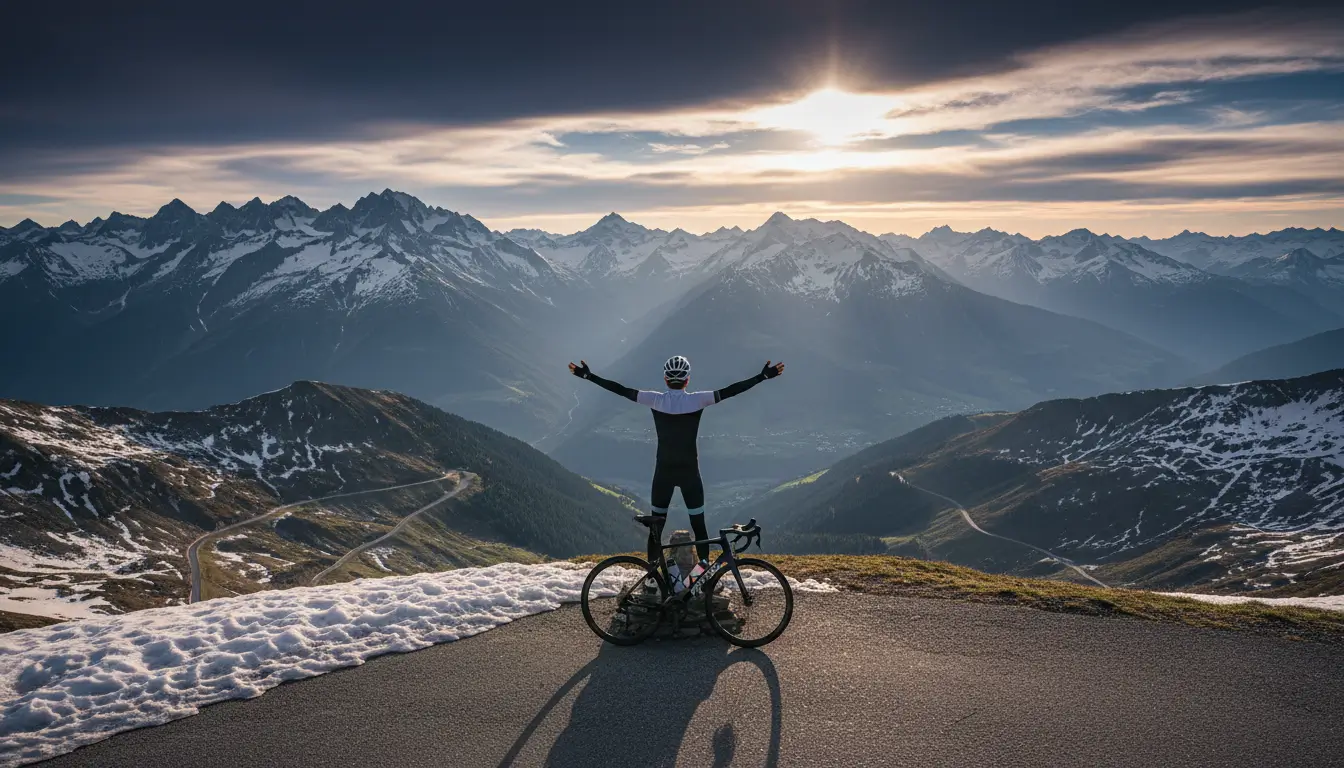
If you want to cycle more, you can extend the three-day routes. From Maastricht, for example, you can cycle to Comblain-la-Tour, a 75-kilometre route through the Jeker valley and the Ardennes. Or you can opt for a four-country route via Belgium, Luxembourg and Germany.
In Flanders you can follow the Vlaanderenroute, a 962-kilometre loop through polders, heathland and coast. This route offers plenty of variety and combines different landscapes. You can also take the LF Maasroute, which connects seamlessly to Belgian sections and takes you through cities such as Amsterdam or Utrecht.
What makes these routes suitable for self-organising travellers
The three-day routes in Belgium and the Netherlands are fully mapped out. They are well signposted. You do not have to be an experienced cyclist to follow these routes. Cycle junction networks make it easy. You put together your own route, or you adapt an existing route to your pace.
Many types of accommodation offer arrangements with luggage transport, allowing you to travel light. You can choose to stay at one address or follow a route with several stops. Both options offer comfort and flexibility. The daily distances are manageable, averaging 40 to 60 kilometres, and the terrain is predominantly flat.
Accessibility is good. Many starting points are close to railway stations, making it easy to travel by public transport. That saves time and makes the holiday more accessible for anyone who wants to avoid long car journeys.
On the Traveler Tips website you will find more information about cycling holidays. You can read about routes, equipment and planning. Discover different destinations, read practical tips and plan your next trip with reliable information. Visit the website and discover what else is possible.
Frequently asked questions
Use cycle junction networks and long-distance routes (LF routes in the Netherlands, Icoonroutes and Scheldt Route in Belgium) to put together your own three-day trip with daily stages that match your fitness (e.g. 40–70 km/day, flat or gently undulating). In route planners (such as Fietsknoop, Komoot or RouteYou), filter by “car-free”, “flat” and “circular route” and choose profiles like “recreational” or “e-bike friendly” for more comfort. Look at concrete suggestions such as the creek and polder routes in East Flanders, the canal route around Hainaut, the Waasland–Zeeland route or the flat dune route Scheveningen–Delft, and download the corresponding GPX files. Book accommodation with luggage transport, secure cycle storage and charging points, so you can ride light and relaxed.
Crucial are a bicycle that is in good technical condition (brakes, tyres, lights, spare materials) and pre-planned routes (junction numbers/GPX) with daily distances you can realistically cover. Arrange accommodation with secure cycle storage, possible charging points for e-bikes and, if possible, luggage transport so you can cycle light. Pack compactly in waterproof panniers: layered clothing, a rain jacket, basic tools, first aid kit and enough drinking water and snacks. Finally, coordinate bike transport with train or car (bike rack, reservation on trains) and make sure that your start and end points are easy to reach.
You can find comfortable overnight options by booking B&Bs, cycle-friendly hotels or gîtes along your route in advance, for example around Ghent, the Waasland region, Zeeuws-Vlaanderen or along the LF Coastal Route. Explicitly look for places with cycle storage, charging points for e-bikes and, if possible, luggage transport between stages. Nice places for breaks include nature reserves such as the creeks in the Meetjesland, the Moervaart with the Vapeurbrug, Heidebos forest, the Kruibeke polders and Grenspark Groot Saeftinghe. Combine these with stops in charming villages and towns such as Hulst, Sint-Niklaas or Ghent for a café terrace, ice cream or lunch.
Plan start and end points at easily accessible junctions with a station or park-and-ride, so your car or train journey remains short and straightforward. Choose a route that follows a logical line between two public transport hubs or parking locations, for example along LF or Icoonroutes. If possible, have your luggage transported between accommodations, so you can travel by train in a relaxed way. Check train rules for taking bikes and peak hours in advance, or choose a circular route so you can drive to a single, fixed place to stay.
Plan stops at quiet creeks and forgotten polder villages, where you leave the dike for a moment to visit small chapels, old line dikes or have an ice cream at a farm such as De Farm. Allow time for small detours along tidal areas such as Grenspark Groot Saeftinghe or the Moervaart with its historic Vapeurbrug, where the peace and birds are the real highlight. Let yourself be surprised by local spots along the way: a farm with homemade cheese, a village café with local beer or a gîte on a working farm. End each day with a sunset on a dike or in the dunes, so the last kilometres always feel like a small, personal pilgrimage.