 NL
NL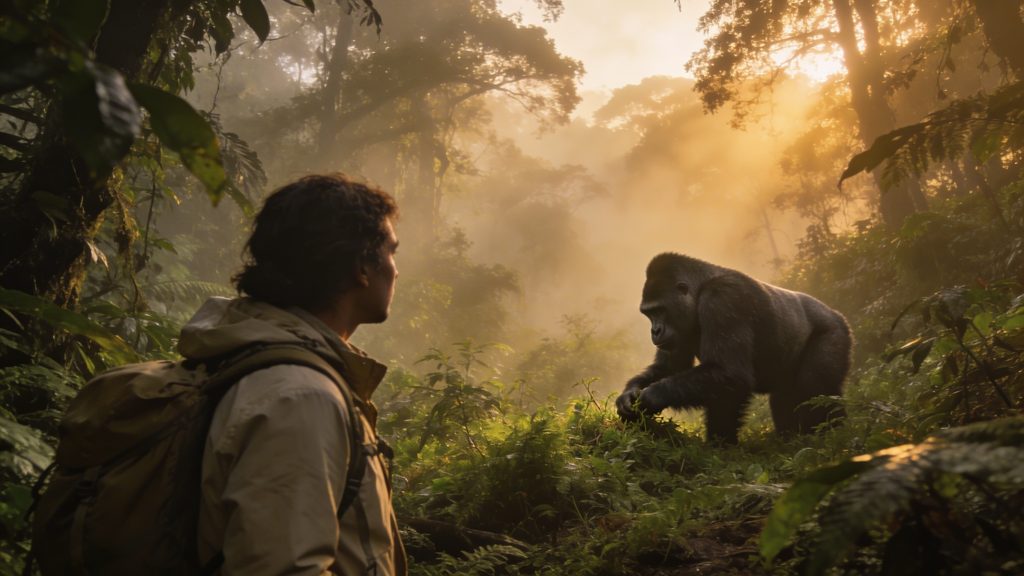
Ethical wildlife tourism minimises the impact on natural habitats and contributes to animal welfare. By consciously choosing responsible operators and keeping your distance, you protect vulnerable species and support conservation programmes that stabilise populations. The way you plan your wildlife holidays determines whether you contribute to protection or to disturbance. Read on to discover how you can make this difference.
What ethical wildlife tourism means
Ethical wildlife tourism focuses on observing animals in their natural habitat without causing stress or harm. It is about animal welfare, nature conservation and supporting local communities. You consciously avoid interactions that cause trauma, pain or unnatural behaviour in animals. Think of touching, feeding or chasing them for a photo.
The core lies in respecting the animals’ natural way of life. You observe from a safe distance and let animals decide for themselves how close they come. Flash photography, loud noises and bait are out of the question. This requires patience, but results in authentic moments that are far richer than staged encounters.
Certified operators put animal welfare first and use your visit to fund protection programmes. They do not offer guarantees of sightings, because that would mean that animals are being lured or manipulated. Ethical wildlife tourism recognises that nature is unpredictable.
‘ Research shows that when animals are repeatedly disturbed, they may abandon their habitat or alter their behaviour. ’
Why small groups have less impact
Small group sizes significantly reduce disturbance. Whereas mass tourism leads to constant human presence, small groups give animals calm periods between visits. This reduces stress and gives animals space to exhibit natural behaviour.
Guided tours with a maximum of six to eight participants create less noise and movement. Guides can more easily ensure that everyone follows the rules. In larger groups this supervision is more difficult and the chance of disturbing behaviour increases. In addition, with small groups guides can go into more depth about animal behaviour and the ecology of the area.
Research shows that when animals are repeatedly disturbed, they may abandon their habitat or alter their behaviour. Migration routes shift, reproductive cycles are disrupted and young animals become more vulnerable. Small groups reduce this impact considerably.
Core principles for responsible behaviour
Follow a number of clear guidelines to respect animals during your trip. These principles protect both the animals and their habitat.
- Observe from a safe distance without chasing animals or luring them with food
- Do not use flash when taking photos and speak softly to prevent stress
- Avoid visits during breeding seasons or vulnerable times such as migration
- Do not touch animals and avoid hands-on activities such as riding or bathing with animals
- Do not share GPS locations of rare species in order to prevent poaching
- Limit the length of your stay in animal habitats to give them rest
These rules may seem restrictive, but they actually increase your chances of special sightings. Animals that feel unthreatened show more natural behaviour. A wolf pack hunting undisturbed or a group of elephants grazing peacefully offers a far more powerful experience than staged interactions.
Red and green flags for operators
Choosing the right operator requires research in advance. Some signals immediately point to unethical practices, while other features indicate reliability.
Avoid operators that show these characteristics:
- Guaranteed sightings of specific animals
- Opportunities to touch, feed or ride animals
- Animals that appear apathetic, stressed or unnaturally calm
- Shows or performances with wild animals
- Use of bait or manipulation for photo opportunities
Choose operators with these qualities:
- Transparency about how they contribute to nature conservation
- Animals in spacious, natural enclosures with sufficient privacy
- Focus on observation from a distance
- Support for local communities and anti-poaching programmes
- Certification by recognised conservation organisations
Watch out for greenwashing. Some operators claim to be ethical but still use problematic methods. Ask specifically about their contribution to protection and how they guarantee animal welfare. Genuine conservation-focused organisations are happy to share this information.
‘ A living elephant generates, over the course of its life, thousands of times more income for local communities than ivory ever could. ’
How tourism supports conservation
Responsible wildlife tourism generates income that flows directly back into conservation programmes. Entrance fees, accommodation and guiding costs fund rangers, research and habitat restoration. Without this income many protected areas would not be able to function.
Conservation programmes in countries such as Sri Lanka and Mexico show measurable results. Populations of endangered species stabilise thanks to targeted protection. Migration routes remain intact because corridors are safeguarded with tourism revenue. Local communities benefit economically, which gives them a stake in conservation rather than exploitation.
Organisations such as the World Wildlife Fund develop trips that put nature conservation first. Participants gain insight into threats such as poaching, habitat loss and climate change. This increases awareness and leads to long-term support, even after the trip. Some programmes actively involve travellers in monitoring or research.
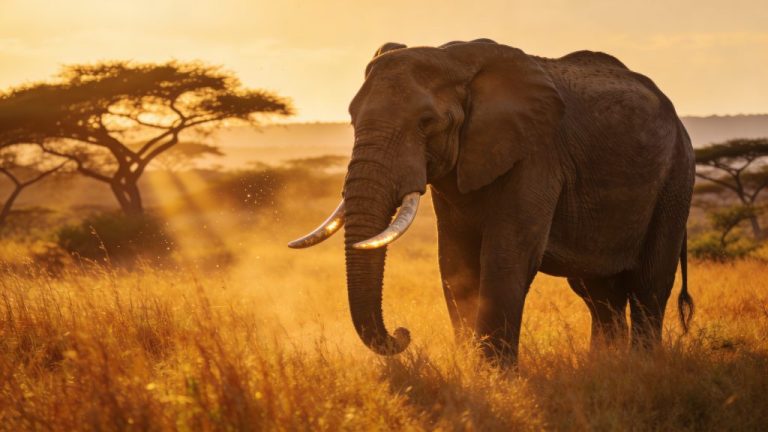
The economic value of living animals far exceeds that of illegal trade. A living elephant generates, over the course of its life, thousands of times more income for local communities than ivory ever could. This economic argument strengthens protection.
Practical tips for your wildlife holiday
Preparation makes the difference between a responsible and a problematic wildlife trip. Check whether the excursions you have chosen are transparent about their financial contribution to nature conservation. Genuine rescue centres prioritise rescue and rehabilitation, aiming to release animals back into the wild. Visitors are not at the centre of what they do.
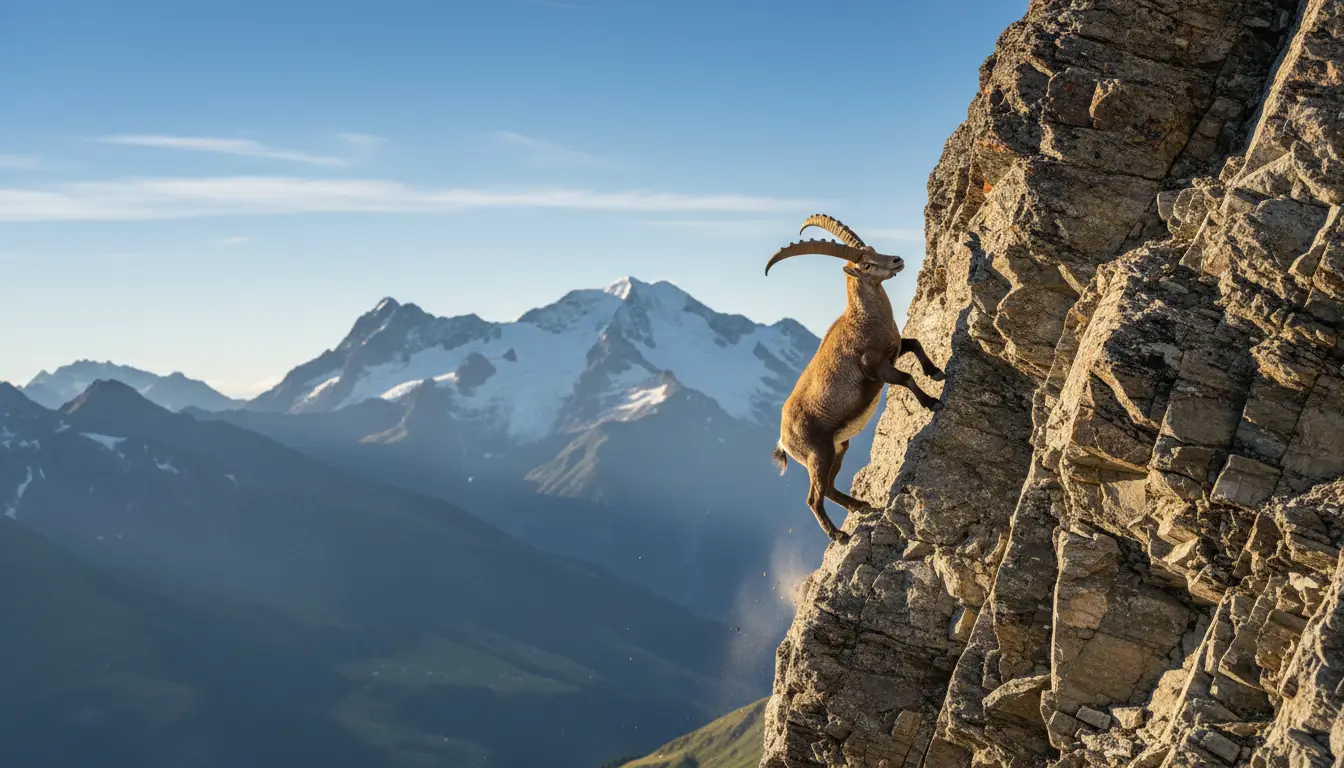
Choose activities in natural habitats. Guided safaris, walks through national parks, snorkelling at coral reefs or boat trips along coastlines offer thrilling sightings without interference. These experiences show animals in their natural context, with all their complexity.
Consider your own impact on the ecosystem. Vegetarian meals reduce pressure on wild animals and shrink your ecological footprint. Limit your use of plastic and take your rubbish back with you. Small choices add up to noticeable effects.
Night safaris require extra caution. Bright lights seriously disturb nocturnal animals. Only choose operators who understand this and use adapted lighting. Respect that many animals hunt or forage at night and that disturbance affects their chances of survival.
Common misconceptions about contact with animals
Many travellers think certain interactions are harmless, but the reality is different. Elephant rides may seem traditional, but elephants often undergo violent training methods. They develop physical problems from the weight on their backs and mental trauma from being isolated from their herd.
Feeding wild animals disrupts their natural diet and behaviour. Animals become dependent on human food, which undermines their hunting skills. They begin to associate people with food, creating dangerous situations. With some species this leads to aggression.
Selfies with wild animals often require that animals are sedated or traumatised into apathy. Baby animals used as props are often separated from their mothers too early. This permanently affects their development and makes them unsuitable for release back into the wild.
Swimming with dolphins in captivity may seem magical, but it drastically restricts their natural freedom of movement. Wild dolphins swim dozens of kilometres a day. Pools, no matter how large, do not offer this space. Constant interaction with people causes chronic stress.
‘ Certifications by local bodies do not always translate into real improvements. ’
Regional differences in regulation
Wildlife tourism is regulated differently in each country and region. Some countries have strict laws that protect animal welfare, while others barely enforce any rules. This makes prior research essential.
In parts of Asia there is a large wildlife tourism industry with varying standards. Thailand has thousands of elephants in tourist camps. Many operators claim to be ethical, but practices differ hugely. Certifications by local bodies do not always translate into real improvements. Look for international recognition.
African countries with a long safari tradition often have better developed guidelines. National parks apply strict rules regarding distance, group size and behaviour. Rangers enforce these rules actively. This generally makes these destinations safer for ethical tourism.
In Latin America, community-based tourism initiatives are on the rise. Local communities manage wildlife areas themselves and develop sustainable tourism activities. These models effectively combine nature conservation with economic development.
The long-term effects of your choices
Every choice you make when planning and taking a wildlife trip has consequences that reach beyond your holiday. By supporting ethical operators, you strengthen the market for responsible tourism. Operators that prioritise animal welfare see greater demand and can grow.
Conversely, by avoiding unethical practices you shrink their market. If enough travellers refuse to pay for animal shows or hands-on interactions, the financial incentive disappears. Change happens gradually, but every participant counts.
Your experiences also influence others. By sharing what you have learned about ethical tourism, you inspire friends and family. This ripple effect increases the impact of individual choices. Social media can help with this, provided you share responsibly and do not reveal locations of vulnerable species.
The protection of wildlife species depends on long-term commitment. One-off visits help, but structural support makes the real difference. Consider donating to reliable conservation organisations or symbolically adopting an endangered animal. That way, your contribution continues.
Discover more about responsible travel
On the Traveler Tips website you will find extensive information on nature holidays, sustainable travel and planning trips with minimal impact. From practical guides to national parks to tips for choosing reliable operators. Discover more about how to shape your trip more consciously and help preserve the nature you want to see.
Frequently asked questions
Look for wildlife parks and excursions that only show animals in spacious, natural habitats, without shows, rides, feeding or touching, and that do not offer any “guarantee” of sightings. Check whether the provider is certified, invests in conservation and local communities, and clearly explains how they safeguard animal welfare. Read independent reviews (not just their own website) and watch out for signs of stress in animals (apathy, repetitive behaviour, appearing sedated). Plan your road trip or train journey so that you observe animals briefly and respectfully, without chasing them for photos or making detours to well-known “cuddle parks”.
Schedule wildlife activities at fixed moments in your itinerary (for example, one morning safari or boat trip) so that they fit within your existing schedule and rest periods. Choose certified, animal-friendly providers in advance who do not allow touching, feeding or shows with animals, so you can join without having to figure everything out on the spot. Bring comfortable clothing, binoculars and a camera without flash so you can keep your distance without compromising the experience. Consider including a free day after an intensive excursion so that your comfort and travel pace remain in balance.
Look for international quality marks such as Travelife, GSTC (Global Sustainable Tourism Council) or B Corp, and check whether the organisation reports transparently on concrete conservation projects and measurable results. See whether they work together with recognised conservation NGOs and local communities, with demonstrable financial support and decision-making power for local people. Genuine wildlife organisations offer observation only at a distance, without coercion, shows, touching or feeding, and follow strict animal welfare guidelines. Be alert to greenwashing: vague terms such as “eco” or “rescue” without independent audits, scientific guidance or a published annual report are a warning sign.
Before booking, research whether providers have recognised animal-friendly or sustainability labels, are transparent about animal welfare and conservation, and do not guarantee sightings or interaction. Avoid activities with direct contact (riding, cuddling, washing, feeding), shows, sedated animals or baiting for photos. Read independent reviews and NGO or animal welfare websites to expose greenwashing, and choose organisations that demonstrably support conservation and local communities. Do not share exact locations of rare species and always respect distance and rules in nature reserves.
Yes, there are clear best practices: always keep a good distance, stay in your car and never block animals’ path or escape route. Do not feed or lure animals, do not make loud noises and do not use flash or bright lights. Follow the park’s rules and instructions strictly, including speed limits and no-stopping zones. Do not share exact locations of rare or vulnerable animals on social media.