NL
NL
A safari is not a trip you organise on a whim. Strategic planning determines whether you spot dozens of animals or return home disappointed. Three nights per location and early game drives make all the difference. Local knowledge of the route is what separates an average experience from an unforgettable journey through Africa’s wildest regions. What does thoughtful preparation really deliver?
How many nights per camp?
Three nights in the same place is the ideal basis for a successful safari. This length of stay gives you time to explore the area properly. Your chances of exceptional wildlife sightings increase significantly. In a single day you often see only a fraction of what a park has to offer.
Each camp has its own character and wildlife concentration. You stay three nights, allowing you to do multiple game drives in different parts of the area. You see animals in different situations and lighting conditions, which is especially valuable for photographers. You build up a feel for the area. In addition, you learn from your guide where certain species tend to be found.
Shorter stays often lead to rushing and a lot of travelling between locations. You spend more time in the car than you do observing. Longer stays may cost more, but you are investing in quality over quantity.
‘ Their knowledge of animal behaviour, seasonal patterns and terrain is indispensable. ’
Working with local guides
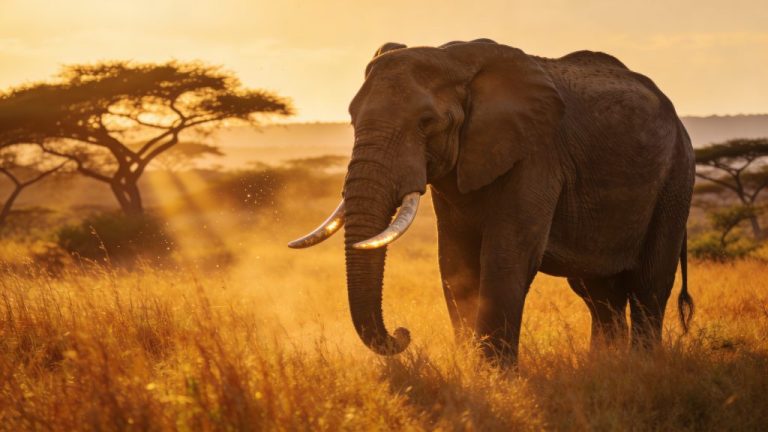
Local guides make or break your safari. Their knowledge of animal behaviour, seasonal patterns and terrain is indispensable. They know where elephants gather at waterholes, which routes lions patrol and where cheetahs hide their cubs.
Work out your route in consultation with these guides. They know the best times of day for specific areas. They also know which tracks are most likely to produce good sightings. Their network with other guides provides real-time information about animal movements. This increases your chances of rare sightings, such as hunting predators or migrating herds.
Choose private vehicles with experienced guides. Check whether your budget allows for this. It gives you the flexibility to stay longer at interesting sightings and to deviate from standard routes. On group safaris, the group usually decides when to move on, which can be frustrating if you enjoy taking photographs or simply observing.
Game drive timing determines your success
The time you head out largely determines what you see. Animals are most active during the cooler hours. Early morning and late afternoon are the best times.
Plan your game drives around these times:
- Morning drive: start before sunrise, around 6:00 am, and drive until about 10:00 am
- Midday break: animals rest in the shade, and so do you
- Afternoon drive: leave around 3:30–4:00 pm until sunset
You see less during the hottest hours of the day. Big cats sleep, elephants stand motionless in the shade and many herbivores rest. Use this time to relax at your lodge, go for a swim or have lunch.
Sunrise and sunset also provide beautiful light for photography. The golden tones and long shadows bring your photos to life. Predators are also at their most active then, as they hunt or return from a night’s hunting.
Combining different parks for more variety
Each park has its own ecosystem and species. By visiting several parks you increase the diversity of your safari. Instead of spending a week in the same place, you might, for example, combine three to four days in two or three different reserves.
Consider these combinations:
- Serengeti and Ngorongoro Crater in Tanzania: large herds in Serengeti, concentrated Big Five in the crater
- Kruger National Park and private reserves in South Africa: easily accessible wildlife in Kruger, exclusive sightings in adjoining conservancies
- Masai Mara and Amboseli in Kenya: migration in the Mara, elephants against the backdrop of Kilimanjaro in Amboseli
Each park has its own landscape. You will find open savannah, dense bush, rivers or mountain areas. This keeps your experience varied and increases your chances of seeing a wide range of species. Water-rich areas attract different animals than dry plains.
Do take travel time between parks into account. Flights between reserves are comfortable but expensive. Travelling overland takes time, but it does give you a sense of the transitions between ecosystems. Plan this in advance to avoid disappointment.
‘ Every minute in transit is a missed opportunity for sightings. ’
Optimising your route for more observation time
Route optimisation revolves around one goal: minimise travel time, maximise time with the animals. Every minute in transit is a missed opportunity for sightings.
Choose camps strategically. Lodges that are centrally located within a park or reserve save you hours of daily driving back and forth. Some areas require long access roads, which limits your daily game drive time. Ask tour operators about the exact location of accommodations in relation to wildlife hotspots.
Fly between parks that are far apart. Bush flights save you several days of overland travel. They are more expensive, but you gain valuable observation time. A flight over the savannah also gives you a unique perspective on the landscape and herds.
Combine parks that logically connect. In Tanzania, for example, Tarangire, Ngorongoro and Serengeti lie relatively close to each other. In South Africa, Kruger and adjacent private reserves share borders. This reduces travel distances.
Avoid overambitious itineraries. Four parks in ten days sounds impressive, but mainly results in stress and fatigue. Limit yourself to two or three areas for a relaxed pace with enough time in each location.
Practical considerations for your planning
A typical safari lasts seven to ten days. This gives you time for several locations without rushing. Shorter trips of five days are possible, but in that case limit yourself to one or two parks.
Book well in advance, especially for trips during the Great Migration or high season. Six to twelve months ahead is common for popular lodges and guides. If you wait too long, the best places will be taken.
Take the seasons into account. The dry season offers the best wildlife opportunities because animals concentrate around water sources. In East Africa this runs from June to October, in Southern Africa from May to September. The wet season has advantages such as lower accommodation prices and green landscapes, but animals are more spread out.
Set a realistic budget. All-inclusive lodges start from 1,000 US dollars per night and include meals, drives and often drinks. Self-drive options are cheaper, but they require more preparation and knowledge. For a comfortable week-long safari, allow for 6,000 to 11,000 US dollars per person, depending on your choices.
Preparing for game drives
Alongside your planning, practical preparation determines how comfortable you are on the road. Game drives start early, often before it gets light. Make sure you have layers of clothing. Mornings are chilly, afternoons get warm.
Pack smart:
- Neutral colours: beige, khaki and olive green, avoid bright colours
- Light layers for daytime, fleece for morning and evening
- Hat with wide brim for sun protection
- Binoculars for long-distance observations
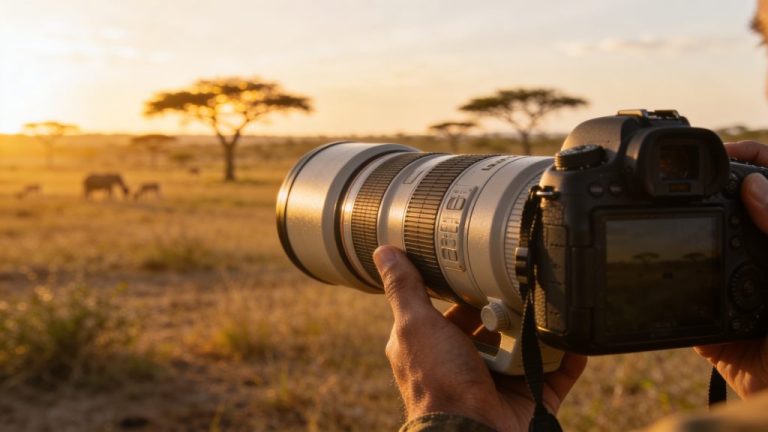
- Camera with enough memory cards and charged batteries
- Sunscreen and insect repellent
Always stay in the vehicle during game drives, unless your guide explicitly makes an exception. Animals are used to vehicles as a whole, not to individual people. Getting out puts you and other visitors at risk.
Stay well hydrated. The savannah is dry and the sun intense. Take enough water with you on every drive. Most lodges provide this, but check in advance.
‘ The website offers reliable tips that help you plan more smartly. ’
Discover more about self-organised trips
Safari planning is just one aspect of organising conscious travel. On the Traveler Tips website you will find extensive information about building an itinerary, choosing accommodation and setting a travel budget. You will also find practical preparation guides for different types of trips. You might be planning a road trip, travelling by train or hiring a campervan. The website offers reliable tips that help you plan more smartly. Discover more and prepare your next trip thoroughly.
Frequently asked questions
The safari destinations most suitable for a self-organised road trip with a good balance between wildlife and accessibility are mainly the large, well-developed parks in Southern and East Africa. Think of destinations with good roads, clear signposting and self-drive options, combined with a high density of wildlife and organised accommodation in or near the parks.
Start with a maximum daily budget and total trip cost, then choose one or two core areas in the dry or shoulder season where the chances of wildlife are highest, instead of visiting many parks briefly. Combine a few nights in a quality (possibly all-inclusive) lodge or conservancy with cheaper options or self-drive days around them to stay within budget. Plan enough rest days and limit the number of transfers so you have more time for morning and evening safaris, when animals are most active. Ideally, work with a specialised tour operator who tailors your route to your budget, desired comfort level and the species you particularly want to see.
For a safe and comfortable self-drive safari you need a solid 4×4 vehicle with high ground clearance, preferably with a second spare tyre, jack, compressor pump and sufficient fuel and water supply. Arrange all required permits and park entries in advance (game reserve fees, any cross-border vehicle documents, international driving licences and insurance). Take a good road map or offline navigation, plus a basic repair kit, first-aid kit, torch, emergency blanket and power bank. Pack neutral clothing in layers, sun protection, insect repellent and binoculars, and stick strictly to park rules to minimise risks.
Inside and bordering the parks you will mainly find (luxury) lodges, tented camps and conservancies with all-inclusive formulas, while outside the parks there are often more budget-friendly guesthouses and self-drive accommodations. For maximum comfort, choose a lodge or tented camp in a (private) conservancy: small-scale, better guiding and fewer vehicles at sightings. If you are an independent traveller on a limited budget and want a lot of freedom, a self-drive with simple lodges or campsites outside the park is a better fit. Base your choice on your desired comfort level (luxury vs basic), the number of animals you hope to see (conservancy vs busy national park), and how independent you want to be (guided vs self-drive).
Drive just after sunrise and around sunset, when animals are most active and often gather around water sources, especially in the dry season. Drive slowly, pay attention to tracks, droppings and the reactions of other animals (such as birds or antelope), and use binoculars to spot movement in the distance. Always stay in the vehicle, keep your distance, stay quiet and follow park guidelines strictly so that animals continue to behave naturally. Plan your route and accommodation in advance, take enough water, protective clothing and camera equipment with you, and build in rest moments so you stay alert while spotting.