NL
NL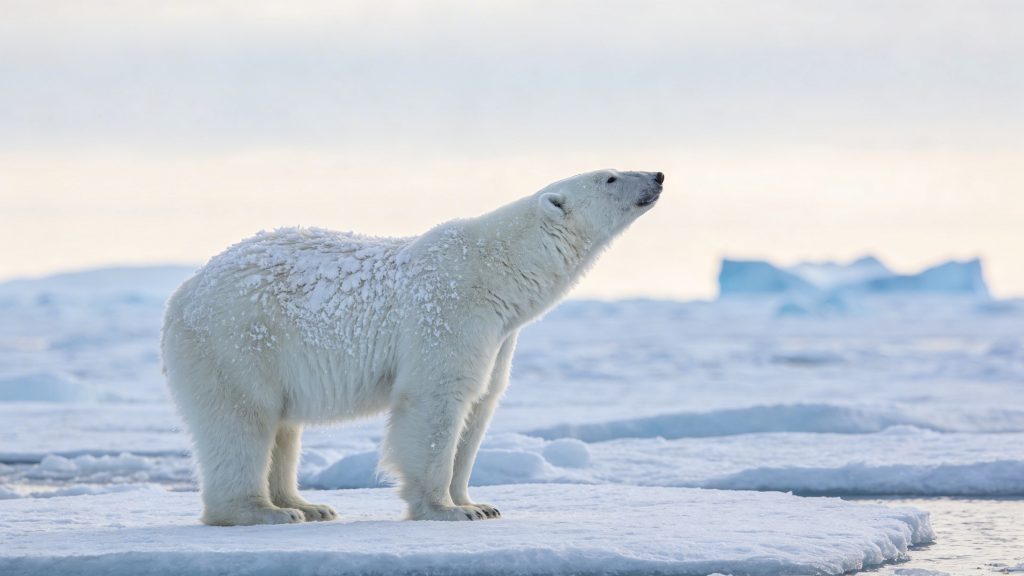
Svalbard offers some of the best chances in the world to see polar bears in their natural habitat, with around 3,000 individuals in the region. This Norwegian archipelago in the far north is a unique setting for a wildlife holiday, where from an expedition ship you can observe polar bears, Arctic foxes and walruses while experienced guides lead you through the polar landscape. Good preparation is essential for a self-organised trip with the maximum chance of wildlife encounters. Read on for practical information about timing and safety. We explain what you can expect to see on such an expedition.
When is the best time for polar bear spotting?
The optimal period for observing polar bears in Svalbard is between May and August. During these months there is 24-hour daylight and the sea ice retreats. Expedition ships reach the ice edge where polar bears actively hunt ringed and bearded seals. Mother bears appear with their cubs. They emerge from the dens where they have spent the winter months.
Spring runs from March to May. During this period polar bears emerge from their winter dens. The ice edge then offers ideal hunting conditions. However, dense pack ice limits access for ships. Summer lasts from June to August. At this time you can see polar bears both on land and near the coast. Most sightings take place in the northern and eastern parts of the archipelago. Winter trips are possible. Extreme cold down to -30°C and very limited accessibility mean these are only suitable for experienced polar travellers.
‘ Scientists expect future declines in numbers due to climate change. ’
How high is the chance of sightings?
Around 300 polar bears remain on the islands all year round. Fewer than 1,000 bears are present on Svalbard at any one time. The total population in the Svalbard and Barents Sea region amounts to about 3,000 animals. Some of these migrate to Franz Josef Land. Polar bears are completely dependent on sea ice for their hunting. They do not hibernate. They roam over large distances.
Sea ice is melting ever faster. As a result, polar bears increasingly hunt on land. They then search for eggs from bird colonies, reindeer or harbour seals. This adaptive behaviour compensates for the loss of traditional hunting grounds. Scientists expect future declines in numbers due to climate change.
What makes Svalbard special for wildlife?
Besides polar bears, Svalbard offers opportunities to see walruses, Arctic foxes, various seal species and large bird colonies. Male polar bears weigh up to 600 kilograms. Standing on their hind legs they reach a height of three metres. This makes them the world’s largest land predator. Females give birth to their cubs in dens on Svalbard or nearby islands. The cubs are weaned after about two years.
Which type of expedition should you choose?
Almost all polar bear sightings are made from expedition ships or smaller cruise ships. These sail to the ice edge and the north-eastern coasts. That lies far from inhabited areas such as Longyearbyen. Guides with knowledge of the polar region accompany you during the voyage. They ensure safe observation. Walks on land are possible. These never take place without supervision because of the risk of encounters with polar bears.
Small groups offer more flexibility. They give better chances to respond quickly to wildlife sightings. With longer expeditions of one to two weeks you sail deeper into the polar region. Book trips with flexible dates. Unpredictable ice conditions affect routes. Also visit bird colonies to enrich your wildlife holiday.
What safety rules apply?
Since 1 January 2025, stricter distance rules apply for observing polar bears. Keep at least 300 metres away. From 1 March to 30 June a distance of 500 metres applies. If a polar bear comes closer, withdraw immediately. These rules protect both the animals and visitors.
Outside Longyearbyen you only walk with armed supervision. Polar bears are unpredictable and can approach quickly. Abandoned areas require extra caution. Think of the former mining town of Pyramiden. Always follow the instructions of your guides and never leave the group during excursions on land.
What should you pack for a polar expedition?
Good preparation makes all the difference. Without proper clothing you will have a very cold experience. Take the following equipment with you:
- Warm, layered clothing
- Thermal underwear, fleece and a windproof outer layer
- Waterproof jacket and trousers for damp conditions
- Warm gloves, hat and scarf
- Sturdy, waterproof walking boots with good grip
- Binoculars for long-distance observations
- Camera with telephoto lens for quality wildlife photos
- Choose a focal length of at least 300 mm
- Sunglasses and sun cream, because of reflection from snow and ice
Many expedition ships provide boots and expedition jackets. You receive these on board. Check with your operator in advance. Ask what is included.
How do you prepare for your trip?
Book your expedition well in advance. Trips in July and August are very popular. These departure dates are quickly fully booked. Check what is included in the price. Think of meals, shore excursions and any flight to Longyearbyen.
Visit the Polar Bears International Ice House in Longyearbyen. There you can learn about polar bear research and conservation. That gives context to your expedition. During your voyage you will see what researchers are studying. Check your travel documents. Make sure everything is valid. For Svalbard you need a valid passport. A visa is not required for EU citizens.
What are realistic expectations?
You will not always see wildlife. It is never guaranteed. Polar bears live spread out over large areas. Their movements depend on ice conditions and prey availability. Experienced expedition captains and guides know the best areas and times. Nature ultimately determines your sightings. Travellers report breathtaking moments. Some polar bears raise their young on melting ice or forage near glaciers.
What role does conservation play?
Before 1973, overhunting killed more than 30,000 polar bears. The species has been protected since then. The population has recovered. Svalbard serves as a nursery for the Barents Sea population. Many young polar bears are born here. Choose tours that contribute to research. Also choose operators that minimise disturbance. Favour operators who adhere to strict distance rules. Check whether they work with scientific institutions.
Climate change remains the biggest threat to polar bears. Melting sea ice shortens the hunting season. This forces bears to adopt alternative feeding strategies. Travel consciously and show respect for the fragile polar environment. In this way you contribute to sustainable tourism in this unique region.
‘ “Keep your expectations realistic.” ’
What else can you discover?
An expedition to Svalbard calls for thorough planning. Think about the right time to travel. Pay attention to safety measures. Keep your expectations realistic. On the Traveler Tips website you will find much more information about planning nature holidays and wildlife trips. We also describe other destinations where you can observe special animals in the wild. Discover more tips and practical guides. These give you concrete information for your next trip.
Frequently asked questions
Travel comfortably on a scheduled flight via Oslo to Longyearbyen and from there choose a multi-day expedition cruise on a smaller ship towards the north and east coasts and the ice edge, where the chances of seeing polar bears are greatest. Plan your trip between May and August, when 24-hour daylight and retreating sea ice provide optimal viewing conditions. Always travel with experienced guides in small groups and keep at least 300–500 metres away so as not to disturb the animals. Make sure you have extremely warm, layered clothing, binoculars and a telephoto lens so you can observe comfortably and safely from the deck.
The optimal time to travel to spot polar bears in Svalbard is from May to August, when there is 24-hour daylight and expedition ships can easily reach the ice edge. During this period the chances of sightings are highest, especially in the northern and eastern parts. The most rewarding excursions are expedition cruises with small ships heading towards the ice edge and the remote north and east coasts, away from inhabited areas. Prefer small-scale expeditions with experienced guides who can respond flexibly to weather and ice conditions.
Essential practical preparations include booking an accredited expedition with experienced guides, bringing appropriate Arctic clothing and optics (binoculars, telephoto lens) and allowing for changeable ice and weather conditions in your travel schedule. Ethically, it is crucial always to keep a large distance (at least 300–500 metres), never to walk independently in polar bear territory and to avoid behaviour that attracts or disturbs bears. Choose small-scale, educational trips that support research and conservation rather than mass tourism. Respect all local rules and seasonal protection measures relating to polar bears and other wildlife.