NL
NL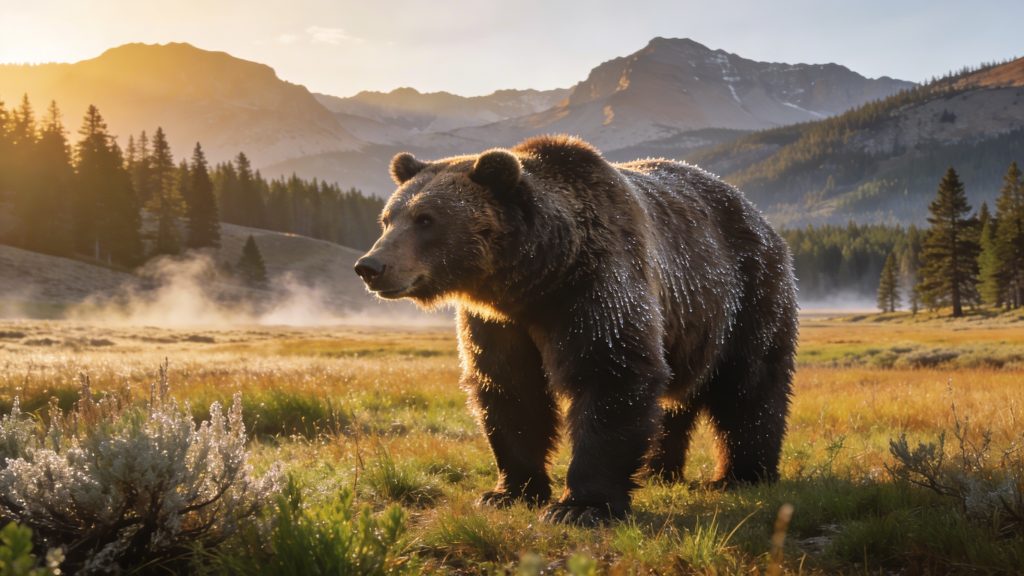
Nowhere else in the world will you see wolves and grizzly bears in the wild as regularly as in Yellowstone National Park. The right route, timing and preparation ensure you actually encounter these majestic predators. The Lamar Valley is known as the wolf hotspot of North America. Grizzly bears are especially active in spring around Yellowstone Lake. Discover which routes, viewpoints and times of day will make your wildlife holiday unforgettable.
Why Yellowstone is unique for wildlife
Yellowstone is one of the few places where you can observe wolves without having to hike into the park. The open valleys and well-maintained roads mean you can see wildlife straight from your car. Wolves returned to Yellowstone in 1995. Their return restored the balance in the ecosystem. Wolves, for instance, regulate the populations of elk and bison. Grizzly bears leave their winter dens from March onwards and are active until October.
The park is home to several wolf packs, each with its own territory. Most packs hunt in the northern areas. Grizzly bears are spread throughout the park. They tend to stay near food sources such as elk and bison carcasses.
‘ Spring and autumn offer the best chances, but each season has its own specific advantages. ’
Best season for wolves and grizzly bears
The season largely determines what you will see. Spring and autumn offer the best chances, but each season has its own specific advantages.
Spring: March to May
Spring is the best season for grizzly bears. Males leave their dens in early March, females with cubs a little later. They search for carcasses of animals that died over the winter. Wolves are active during the calving season. Young elk calves then form easy prey. The landscape is still open with little vegetation. This increases visibility.
Autumn: September to October
Wolves are very active during the elk rut. This is the elk mating season. It often results in spectacular hunting scenes. The vegetation has died back, giving you a better view. Grizzly bears are preparing for hibernation. They are intensively searching for food. Temperatures are pleasant and the peak crowds have passed.
Lamar Valley route for wolf watching
The Lamar Valley is often called the Serengeti of North America. This area offers the highest concentration of wolves. Drive from Mammoth Hot Springs to the Lamar Valley. The distance is roughly 30 kilometres.
Key viewpoints along this route:
- Slough Creek: well-known habitat and hunting ground of the Slough Creek pack
- Lamar Canyon: an ideal vantage point over the valley
- Soda Butte: often an active area in the early morning
- Confluence: where Soda Butte Creek and the Lamar River meet
The best time is from just before sunrise until two hours after sunrise. Wolves mainly hunt in the early morning. Park your car in the designated car parks. Then scan the valley with binoculars. Look for groups of bison or elk that suddenly become alert. This often indicates the presence of wolves.
Yellowstone Lake route for grizzly bears
The area around Yellowstone Lake is the place for grizzly bears. Drive from Madison to Norris and then south towards Yellowstone Lake. This central route combines several ecosystems where grizzly bears search for food.
Hotspots for grizzly bears:
- Hayden Valley: open area where bears often walk along the river
- Fishing Bridge to Lake Butte Overlook: spring area for bears searching for carcasses
- Dunraven Pass: higher area with berries in late summer
- Mary Bay: active area early in the season
Grizzly bears are especially active in the early morning. They are also active in the late afternoon. They avoid the midday heat. Scan open areas and riverbanks. Watch for ravens circling above a carcass. This often attracts bears.
‘ This area is less busy than the Lamar Valley, giving you more space at viewpoints. ’
Western route for combined sightings
This route combines geological sights with opportunities to see animals. Drive from Old Faithful via Fountain Paint Pot to Norris. The area offers chances of seeing both wolves and grizzly bears, although the odds are lower than in the northern and central areas.
This route combines wildlife with geysers and hot springs. You can alternate a day of wildlife watching with the famous geological attractions. This area is less busy than the Lamar Valley, giving you more space at viewpoints.
Timing and observation tips
The right timing determines whether your sightings are successful. Wolves and grizzly bears follow natural patterns. Plan your schedule around these.
Plan your day as follows:
- 4:30–7:00: drive to Lamar Valley early in the morning
- 4:30–7:00 (alternative): drive to Hayden Valley early in the morning
- 7:00–9:00: scan from viewpoints with binoculars
- 9:00–16:00: rest
- 9:00–16:00 (alternative): visit other parts of the park or take short walks
- 16:00–19:00: second round of wildlife watching in the same areas
- After 19:00: return to your accommodation, wildlife becomes less active
Buy good binoculars or a spotting scope. You will see many animals from a distance. A camera with a powerful zoom is valuable but not essential. Watch other visitors with large lenses. Photographers have often already spotted wildlife.
Safety when watching wildlife
In Yellowstone, bears can appear anywhere. Safety comes first, even when watching from the car. Keep at least 100 metres away from grizzly and black bears. You can estimate this distance by checking whether you can still see the animal clearly on your phone with your arm fully outstretched. For wolves the minimum is 25 metres. More distance is always better.
Always carry bear deterrent with you. Bear deterrent is bear spray. Take it with you even for short stops. Store it within easy reach, for example in a side pocket of the car. When walking to viewpoints, stay on maintained paths. Make noise to warn bears of your presence. Walk in groups of at least three people.
Safe food storage is mandatory. Store all your food, rubbish and scented items in your car or in bear-proof containers. Do not drop anything on the ground. Bears have an exceptionally good sense of smell. Food odours attract bears.
Practical preparation for your road trip
Good preparation increases both your chances and your comfort. Book accommodation months in advance. This applies especially to visits in spring and autumn. Download offline maps of the park. Mobile coverage is limited.
Take with you:
- Binoculars with at least 10x magnification
- Bear spray, stored within easy reach
- Warm clothing – mornings are cold, even in summer
- Enough water and snacks for long observation sessions
- A booklet on the park’s animals to help identify species
Check road conditions before you set off. In March and April there can still be so much snow that roads are closed. Some areas only open later in spring. The official Yellowstone National Park website shows which roads are open.
Grand Teton National Park as an extension
Grand Teton National Park lies directly south of Yellowstone. This park also offers chances to see grizzly bears and wolves. The park is also home to grizzly bears and wolves. Wolves are rarer here. The focus is more on grizzly and black bears.
Important areas in Grand Teton include Willow Flats and Oxbow Bend. These areas are especially active early in the morning. Grizzly bears search here for plants and small mammals. To combine both parks and visit the main areas, you will need at least five days.
Recent developments and seasonal information
In spring 2026, the first grizzly was seen on 9 March. The bear was feeding on a bison carcass in the northern part of the park. This confirms that early March is the start of the best period to see bears. The timing differs from year to year. It depends on winter conditions. Snow cover also plays a role. A mild winter, for example, means bears become active earlier.
Report it to park staff if you see a bear. This information helps biologists to count and track bears. It also improves safety for future visitors. Yellowstone maps where wolf packs and individual bears move.
‘ You will also find out how to prepare for your next trip. ’
Discover more on TravelerTips
On the TravelerTips website you will find extensive information about wildlife trips and road trips in the USA. You will also find practical tips for national parks. Discover more routes and read tips on where to stay. You will also find out how to prepare for your next trip.
Frequently asked questions
The most optimal route is to drive the northern road via Mammoth Hot Springs to Lamar Valley, where you have the highest chance of spotting wolves early in the morning and around sunset. Combine this with a central route from Madison via Norris to the Yellowstone Lake area, where grizzly bears often forage on carcasses in spring. Plan your driving days so that you are in these core areas around sunrise and in the late afternoon. Always use binoculars or a spotting scope and keep a generous distance for safety.
The best time to see both wolves and grizzly bears in Yellowstone is mainly spring (March to May), when grizzlies emerge from hibernation and wolves are very active around the calving season. In autumn (September–October) wolves are also easy to see during the elk rut. For wolves, the Lamar Valley in particular, in the north (between Mammoth Hot Springs and Lamar Valley), offers the best odds. For grizzly bears, the areas around Yellowstone Lake and the central Madison → Norris route are especially good, particularly early in the season when they are searching for carcasses.
Always keep a large distance: at least 100 metres from bears (including grizzlies) and preferably more than 25 metres from wolves, and use binoculars or a telephoto lens to watch them. In Yellowstone always carry bear spray, walk preferably in groups on marked paths and make noise so animals are not taken by surprise. Store all your food, rubbish and cooking gear in a bear-safe way (car with hard bodywork or bear locker) and never leave food scraps behind. Do not run if you encounter a bear, but stay calm, make yourself known with a calm voice and retreat slowly if you can.
Essential are good binoculars or a spotting scope and a camera with a telephoto lens, so you can observe wolves and grizzlies from a safe distance. Always carry bear spray in a place you can reach quickly, keep at least 100 metres away from bears and stay on official roads and trails. Prepare with offline maps, up-to-date information on road and seasonal conditions, and plan your driving and viewing times around sunrise and sunset, when the animals are most active. In addition, ensure safe food storage (bear-safe boxes or car), reservations for accommodation and warm layered clothing for rapidly changing weather.
Plan your day so that you drive through Lamar Valley and Hayden Valley around sunrise and sunset for the best wildlife spotting, and fill the middle of the day with geysers and hot springs around Old Faithful, Norris and Mammoth Hot Springs. Choose your overnight stays strategically: one or more nights in/around Gardiner or Mammoth for the northern (wolf-rich) side, and a few nights at Canyon Village or Lake Yellowstone for the grizzly and lake region. Drive in loops (for example Gardiner → Lamar Valley → Canyon → Lake → Old Faithful → Norris → back) so you combine sights and wildlife chances without long detours. Book accommodation well in advance and plan a maximum of 2–3 main stops per day so you keep enough rest and flexibility to stay longer when you have a special wildlife sighting.