 NL
NL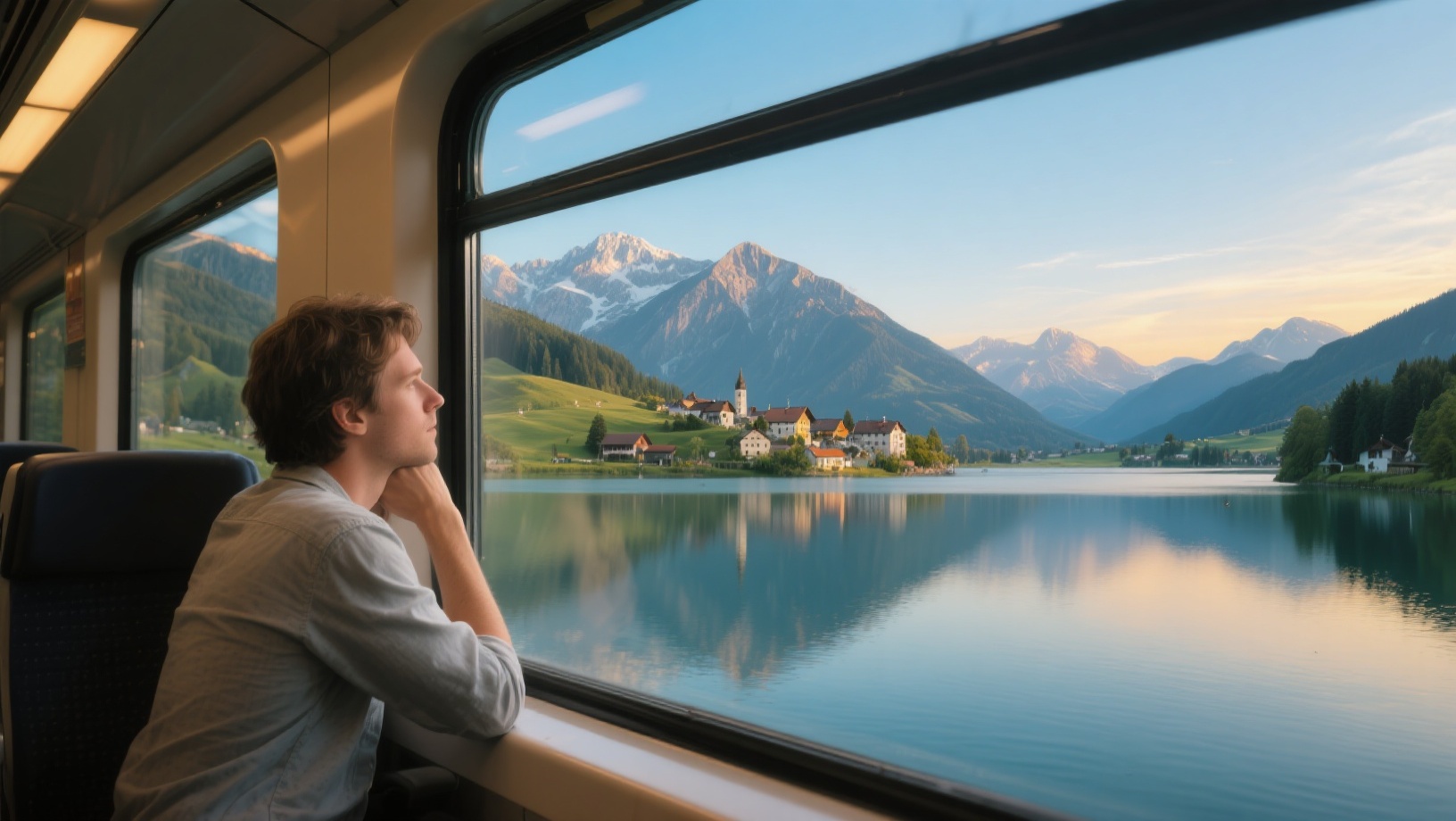
The train from Frankfurt to Munich and Austria connects you with the Bavarian capital in three to four hours. From there you can quickly reach Salzburg, and Vienna is also within easy reach. This ICE connection takes you through the heart of southern Germany to the Alps, with regular departure times and room for stopovers. The journey feels like a small road trip, but without the stress of sitting behind the wheel.
Direct connections from Frankfurt to Munich
The distance between Frankfurt (Main) Hbf and München Hbf is 304 kilometres. Around 34 trains run every day. The first departs at 01:19, the last at 20:54. You can choose between direct connections and services with one change. The fastest trains take 3 hours and 13 minutes, but most ICE services allow around 3 hours and 40 minutes.
Direct connections often depart every hour or every other hour. Trains with a change can be slower, but sometimes offer more flexibility in planning. Always check the current timetable via the DB Navigator app or NS International, as engineering works or seasonal changes can affect frequency.
Sample weekday timetable
- Departure 09:36, arrival 13:02 (3h 26m, 1 change)
- Departure 10:50, arrival 15:10 (4h 20m, direct)
- Departure 12:50, arrival 17:10 (4h 20m, direct)
- Departure 12:54, arrival 16:10 (3h 16m, 1 change)
The timetable may differ at weekends or on public holidays. Always check the schedule before you leave.
‘ Salzburg is perfect for a stopover or day trip. ’
Travelling on from Munich to Salzburg and Austria
Munich is the starting point for several fast connections to Austria. You can travel directly to Innsbruck, Salzburg, Klagenfurt and Graz. The journey time to Innsbruck is around 1 hour and 45 minutes via Rosenheim and Kufstein. Salzburg is even closer, often reachable within an hour by Railjet.
From 2026 there will be new direct EC and ICE connections to Klagenfurt and Graz. These routes use the new Koralm high-speed line and the Tauern railway line. The number of services will increase to almost every two hours. The Dortmund–Münster–Munich–Innsbruck–Klagenfurt–Graz connection will also be expanded with modern ICE rolling stock.
Interesting places along the way
The route from Munich to Austria takes you through the Bavarian Alpine foothills and along alpine passes. Near Kufstein you see castle ruins appearing, and on the Tauern line you travel through nature reserves. Salzburg is perfect for a stopover or day trip. Mozart’s city has a compact historic centre, the Hohensalzburg Fortress and plenty of cafés in historic streets.
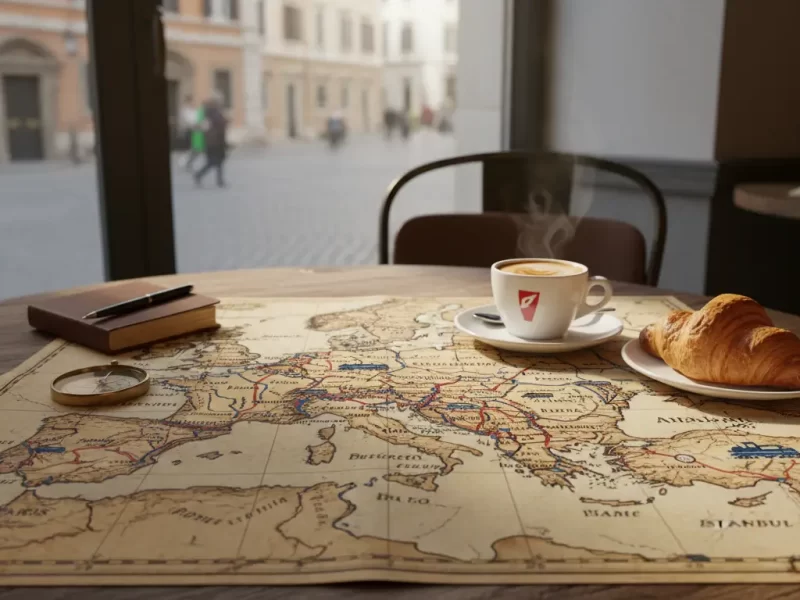
Prices and booking tips for the train journey
A single ticket from Frankfurt to Munich costs from €5.20 if you book early. Depending on your flexibility and the time of booking, the price can go up to €38. Munich to Salzburg or Innsbruck costs between €20 and €50 one way. Night trains such as the Nightjet from Amsterdam to Munich start from €35, but reservations are compulsory.
Book as early as possible for the lowest fares. Use the DB Navigator app for current prices and journey times. NS International also offers bookings for these routes. If you have an Interrail pass, check whether you need reservations. On ICE connections from Amsterdam to Frankfurt and Munich, reservations are compulsory in high season.
Bavarian stops for beer fans and nature lovers
The train journey through Bavaria offers more than just a means of transport. You pass landscapes with rolling hills, lakes and villages. Cities such as Nuremberg lie on the route between Frankfurt and Munich. Nuremberg has a medieval castle and a compact old town. It is a good place for a break of a few hours.
Munich itself is known for beer gardens, Oktoberfest and the English Garden. If you want to travel to Munich during Oktoberfest, book weeks or even months in advance. The festival attracts millions of visitors and trains are extra busy around that time. The best time to visit by train from Frankfurt is late September to early October, when the event takes place.
‘ Always book night trains well in advance. ’
Night trains to Vienna and beyond
From Munich you can also take the night train to Vienna and other Austrian destinations. ÖBB’s Nightjet offers reclining seats, couchettes and sleeping compartments. You board in the evening, sleep on the way and arrive at your destination fresh in the morning. That saves on hotel costs and daytime travel time.
Always book night trains well in advance. Reclining seats and sleeping compartments in particular sell out quickly. You can reserve your place via the ÖBB website or the DB app. Pay attention to the different classes and facilities. Take luggage that you can easily store and don’t forget your own sleeping gear if you are in a seat.
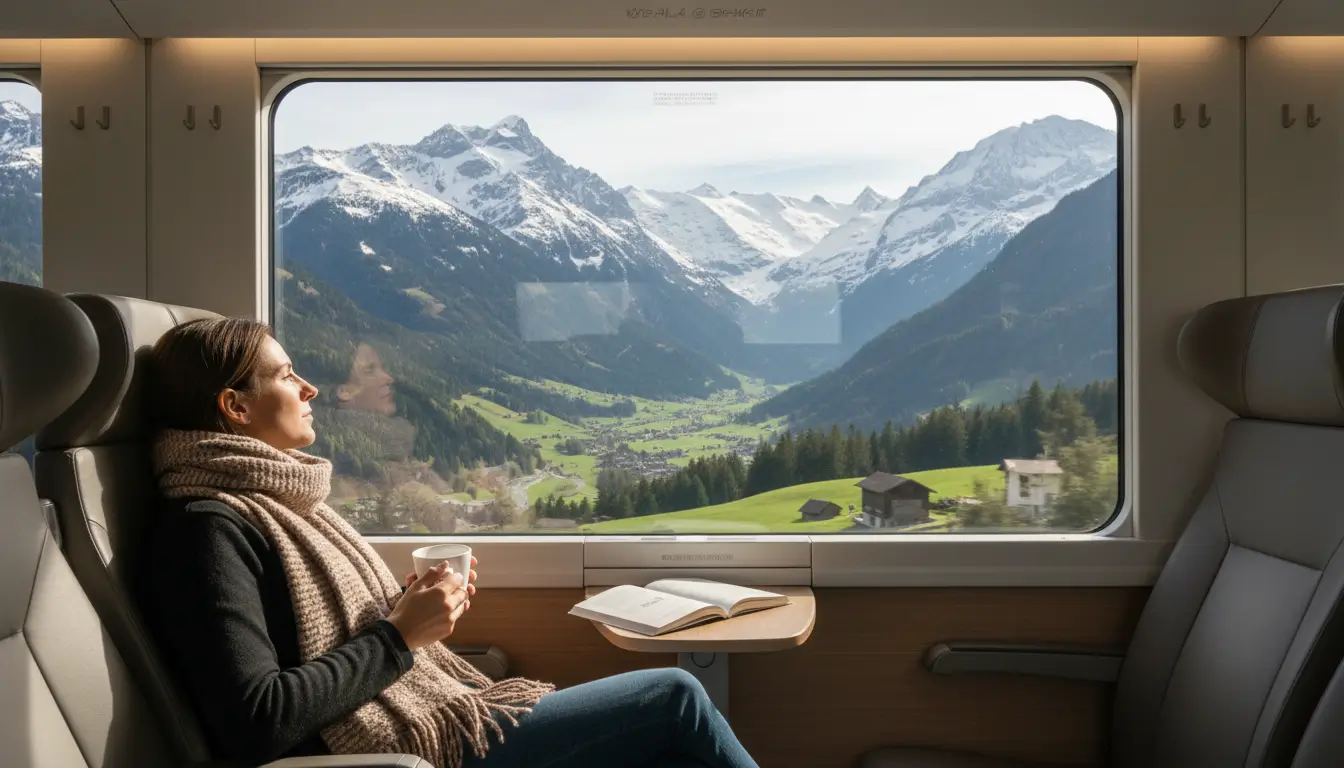
Disruptions and engineering works between 2026 and 2028
Between 2026 and 2028 there will be engineering works on the Munich–Rosenheim line. This may lead to diversions and longer journey times for Railjets to Italy and Villach. The ICE route via Garmisch-Partenkirchen serves as an alternative, but it takes longer and is less fast.
The expansions in the rail network also bring benefits. New ICE services between Brussels and Frankfurt will start in December 2026, with up to eight services a day. The evening connections make it easier to travel at night. Railjets from Frankfurt to Innsbruck may be discontinued, but the focus will then be on expansions from Munich.
Allow extra buffer time for your journey during this period. Check the current timetable and expected delays before departure. The DB and ÖBB apps provide real-time updates.
Practical preparation for a smooth journey
Before you leave, download the Deutsche Bahn and ÖBB apps. That way you always have the most up-to-date information on departure times, platform changes and delays. Take your Eurail or Interrail pass with you if you are using one, and reserve seats on busy ICE connections. In high season this is often compulsory.
ICE trains offer Wi-Fi, power sockets and catering facilities. Still, take a bottle of water and something to eat with you, especially on longer stretches. Check whether your train has first and second class sections and where your seat is located. That saves searching on the platform.
The train is more environmentally friendly than the car. For the same distance by car you are looking at around 221 kilometres of driving and 2 hours and 8 minutes. On top of that come fuel costs, parking fees and toll roads. By train you sit comfortably, can work or read on the way and do not have to worry about traffic jams.
‘ plan your next trip smartly and consciously. ’
Discover more routes and travel tips
On the Traveler Tips website you will find extensive information about train journeys across Europe, road trip routes and destinations in Bavaria and Austria. We also offer practical tips for booking night trains. Take a look at articles on luggage, travelling with children and the best times to visit popular cities. Discover what else is possible and plan your next trip smartly and consciously.
Frequently asked questions
The fastest and most comfortable connection between Frankfurt (Main) Hbf and München Hbf is the direct ICE, with journey times from around 3 hours 15–20 minutes and up to about 34 trains a day. From Munich there are fast, comfortable Railjet and ICE connections to Austrian cities such as Salzburg and Innsbruck (around 1 hour 45 to Innsbruck via Rosenheim–Kufstein) and further on towards Klagenfurt and Graz via the new high-speed lines. From 2026, frequent direct EC/ICE trains will run from Munich to Klagenfurt and Graz, roughly every two hours. For optimum comfort and peace of mind, it is advisable to book early, reserve seats and check current times via DB Navigator or ÖBB.
Book the longest stretch (Frankfurt–Munich–Austria) as one international connection via DB or ÖBB: this is often cheaper and gives you better passenger rights in case of delays. Play around with departure times and dates to find Sparpreis/Super Sparpreis fares, and avoid peak hours and Fridays/Sundays for lower prices. Reserve seats on ICE/Railjet, preferably in a quiet or family zone, and where possible choose a direct Railjet or ICE instead of several changes for more comfort. Take into account possible engineering works around Munich (2026–2028) and plan some transfer time as a buffer.
Yes, there are stretches with particularly scenic views on this route. Between Munich and Austria, the connections via Rosenheim–Kufstein–Innsbruck and the panoramic ICE route via Garmisch-Partenkirchen to Innsbruck are especially beautiful, with views of Alpine landscapes. Railjet and EC trains towards Salzburg and further into Austria also offer attractive mountain and river scenery along the way. For the best experience, a window seat on the mountain side is recommended.
Take a suitcase you can comfortably lift yourself and use a small daypack for valuables, snacks and a bottle of water; always keep tickets, passport and reservations to hand. Plan transfers with at least a 15–20 minute margin, especially in Munich, and check for changes in the DB/ÖBB app shortly before departure and during the journey. Reserve a window seat for the Alpine panorama and use the travel time to read, work or relax with the on-board Wi-Fi and catering. Keep chargers and a power bank within easy reach so your devices remain usable throughout the trip.
From Munich, Salzburg, Innsbruck, Klagenfurt and Graz are particularly easy to reach, often directly, by (Railjet/ICE) train. For a short stopover, Salzburg is ideal because of its compact historic centre within walking distance of the station. Kufstein, just across the border in Tyrol, is also very suitable for a short break with views of the castle. A stop in Rosenheim is possible, but offers fewer sights than Salzburg or Kufstein.