 NL
NL
Interrail and Eurail: Flexible Train Travel through Europe
An Interrail or Eurail train pass is the key to complete freedom and flexibility during your journey through Europe. For the conscious traveller who plans their own route and views the journey itself as part of the experience, these passes offer a unique way to explore the continent. The essence of a train pass is that one ticket grants you access to an enormous rail network in over 33 countries, eliminating the need to buy countless individual tickets. This article explains how Interrail & Eurail train passes work. You’ll discover the available options and learn how to determine if it’s the right choice for your trip. But how exactly do they work and when is such a pass truly worth the investment? Let’s delve into the details and find out how to make your European train adventure a success.
Choosing a train pass is often the start of an adventurous planning process. Do you dream of the Swiss Alps, the Italian coastline, or the vibrant cities of Eastern Europe? The train will take you there comfortably and sustainably. These passes form the backbone of many planned train journeys through Europe. The itinerary isn’t set in stone; there’s room for spontaneous decisions. Understanding the conditions is important to avoid unexpected costs and disappointments.
Interrail vs. Eurail: Which Pass is for You?
Although the names are often used interchangeably, there is a fundamental difference between an Interrail and a Eurail pass. The choice is exclusively determined by your place of residence.
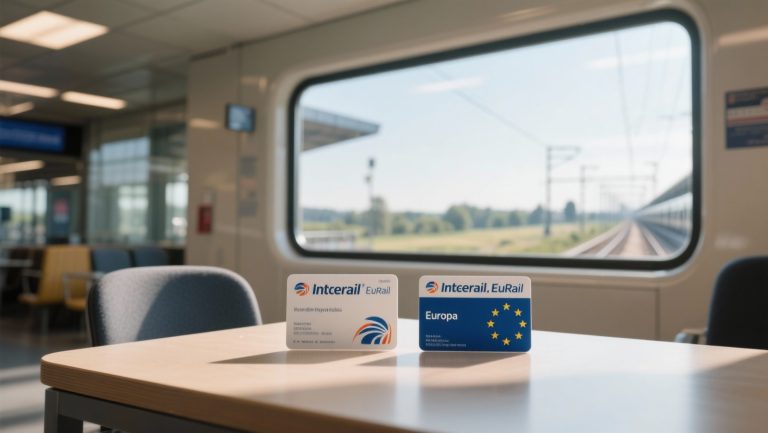
- Interrail Pass: This is intended for residents of Europe. This includes not only European Union countries but also countries such as the United Kingdom, Norway, and Turkey. You must prove that you are an official resident of a European country.
- Eurail Pass: This is for travellers who live outside Europe. An American, Canadian, or Australian wishing to travel through Europe would therefore choose a Eurail pass.
Functionally, the passes are identical. They provide access to the same train network and adhere to the same terms and conditions. The only difference is therefore the target audience based on nationality or residency.
‘ The most important choices you need to make are between a Global Pass and a One Country Pass, and between a Flexi and a Continuous Pass. ’
The Different Types of Passes and Their Flexibility
Within both Interrail and Eurail, there are different types of passes, tailored to the duration and nature of your journey. The most important choices you need to make are between a Global Pass and a One Country Pass, and between a Flexi and a Continuous Pass.
Global Pass vs. One Country Pass
- Global Pass: This is the most popular option and gives you the freedom to travel through all 33 participating countries. It’s the perfect choice for travellers who want to cross multiple borders and plan a diverse route.
- One Country Pass: As the name suggests, this pass is valid for train travel within one specific country. It is ideal if you want to undertake an in-depth exploration of, for example, Italy, Spain, or France.
Flexi Pass vs. Continuous Pass
- Flexi Pass: This pass gives you a set number of travel days that you can use flexibly within a longer period. An example is the ‘7 days within 1 month’ pass. You choose which 7 days you travel within that month, which is ideal if you want to stay longer at certain destinations.
- Continuous Pass: With this pass, you travel every day throughout the entire validity period, for example, 15 days, 22 days, or a whole month. This is the best option for travellers who have a very intensive travel schedule and take the train almost daily.
Travel Days and Validity: How Does it Work Exactly?
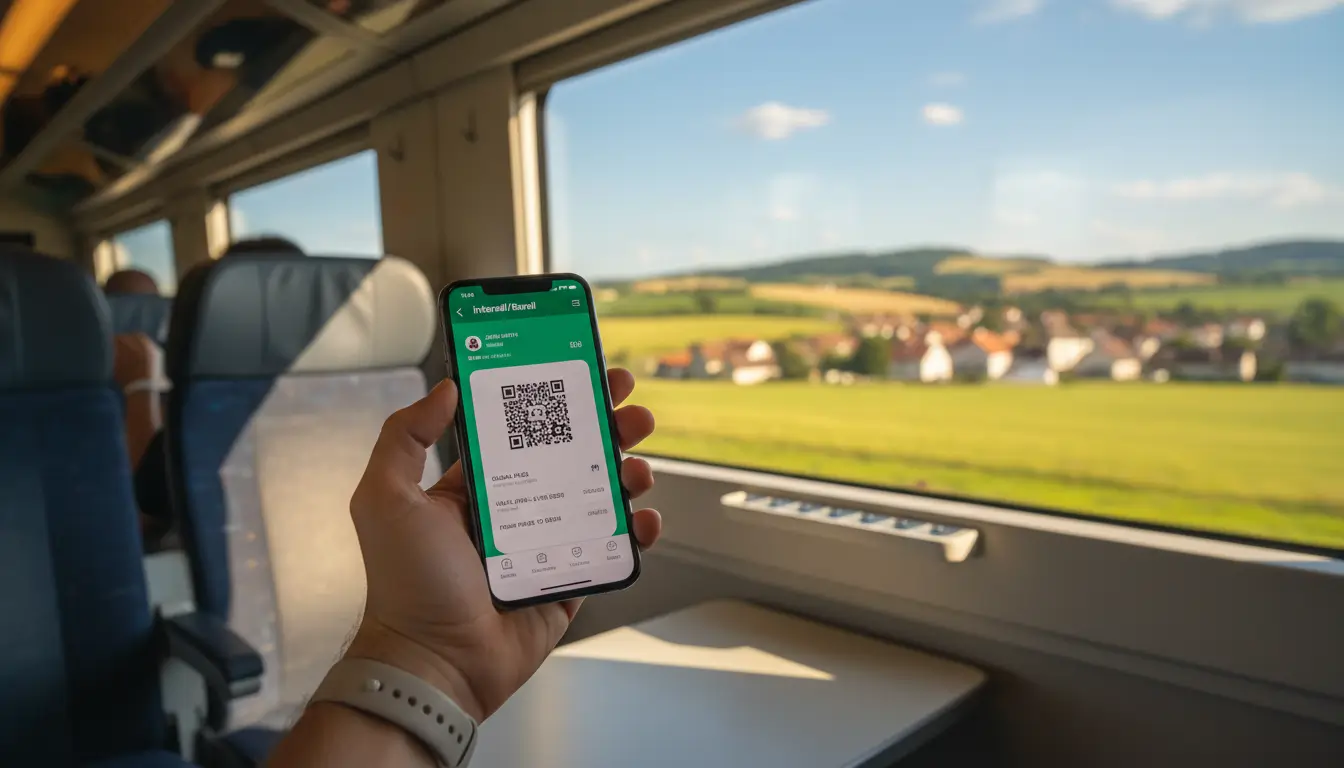
The concept of a ‘travel day’ is important for using a Flexi Pass. A travel day lasts from 00:00 to 23:59 on a calendar day. Within these 24 hours, you can take as many trains as you wish. You activate a travel day in the Rail Planner app the moment you take the first train of that day. Once activated, the entire day counts as one used travel day. For overnight trains departing after 19:00 and arriving after midnight, a useful rule often applies: you only activate the day of departure as a travel day.
1st or 2nd Class: Comfort versus Budget
When purchasing your pass, you must choose between travelling in 1st or 2nd class. 2nd class is the standard option: comfortable, affordable, and a great way to meet other travellers. 1st class offers significantly more luxury and peace. Benefits include wider seats, more legroom, quieter compartments, and sometimes extras such as complimentary drinks, snacks, or access to lounges at major stations. For long travel days or for travellers who value extra comfort and quiet to work or read, a 1st class pass is worth the additional cost.
‘ The pass gives you the right to travel, but does not guarantee a seat. ’
Mandatory Seat Reservations: A Key Part of Your Planning
A common misconception is that an Interrail or Eurail pass is a ticket for every train. The pass gives you the right to travel, but does not guarantee a seat. For many trains, especially high-speed trains (such as the TGV in France or the Frecciarossa in Italy), international trains, and all overnight trains, a seat reservation is mandatory. This reservation costs extra, with prices varying from a few euros to sometimes more than thirty euros for popular routes. It is important to book these reservations in advance, especially during peak season, as the number of seats available for pass holders is limited.


Additional Costs and Surcharges: What to Look Out For?
In addition to mandatory seat reservations, there are other costs to consider. Some panoramic trains, such as the Glacier Express in Switzerland, require a special surcharge on top of the reservation fees. Furthermore, not all railway companies in a country are affiliated with the Interrail/Eurail network. This often applies to smaller, private railways. Therefore, always check your route in the Rail Planner app to ensure your chosen itinerary is fully covered.
When is an Interrail or Eurail Pass the Best Choice?
A train pass is not always the cheapest option. Its value heavily depends on your travel style. The pass is most financially advantageous if you:
- Cover multiple long distances in more expensive Western European countries.
- Want to make a flexible and spontaneous trip, without booking tickets weeks in advance.
- Plan to travel extensively within a short period.
If you only plan a few short journeys and book your trip well in advance, individual, early-bird tickets can sometimes be cheaper. A good rule of thumb is to outline a general route and compare the price of individual tickets with the daily cost of your pass.
‘ It is wise to be aware of these kinds of local exceptions when planning your route. ’
Restrictions and Exceptions per Country or Train Type
Although the pass is valid in 33 countries, there are some nuances. In the United Kingdom, for example, the rail network is operated by many different private companies, which makes planning slightly more complicated. The Eurostar train between the mainland and London requires an expensive and very popular reservation, which is often fully booked weeks in advance. It is wise to be aware of these kinds of local exceptions when planning your route.


Tips for Planning Your Trip with a Rail Pass
- Use the Rail Planner app: This is your best friend. Use the app to plan routes, see which trains require a reservation, and manage your travel days.
- Book in advance: For popular routes during peak season, book your seats several weeks ahead to avoid disappointment.
- Combine fast and slow trains: Alternate high-speed trains (with reservation) with regional trains (without reservation). This not only saves money but also allows you to see more of the landscape.
- Be flexible: The beauty of a train pass is the freedom it offers. Dare to deviate from your plan if you discover an interesting place.
How to Buy and Activate Your Interrail or Eurail Pass?
You can purchase your pass most easily via the official Interrail or Eurail website. Nowadays, the standard is a mobile pass. After purchase, you will receive a code to add to the Rail Planner app. Before starting your journey, activate the pass by entering your passport details and your travel start date. From that moment, your pass is ready for use, and you activate your first travel day when you board the first train.
‘ With the right knowledge and a bit of planning, your Interrail or Eurail pass will become the golden ticket for an unforgettable European rail adventure. ’
Make the Most of Your Train Adventure
An Interrail or Eurail pass is more than just a ticket; it’s an investment in freedom, flexibility, and adventure. It allows you to experience Europe in a comfortable, sustainable, and in-depth way. The key to a successful journey lies in good preparation: understand how travel days work, know when to make reservations, and weigh the cost of the pass against your specific travel plans. With the right knowledge and a bit of planning, your Interrail or Eurail pass will become the golden ticket for an unforgettable European rail adventure.