NL
NL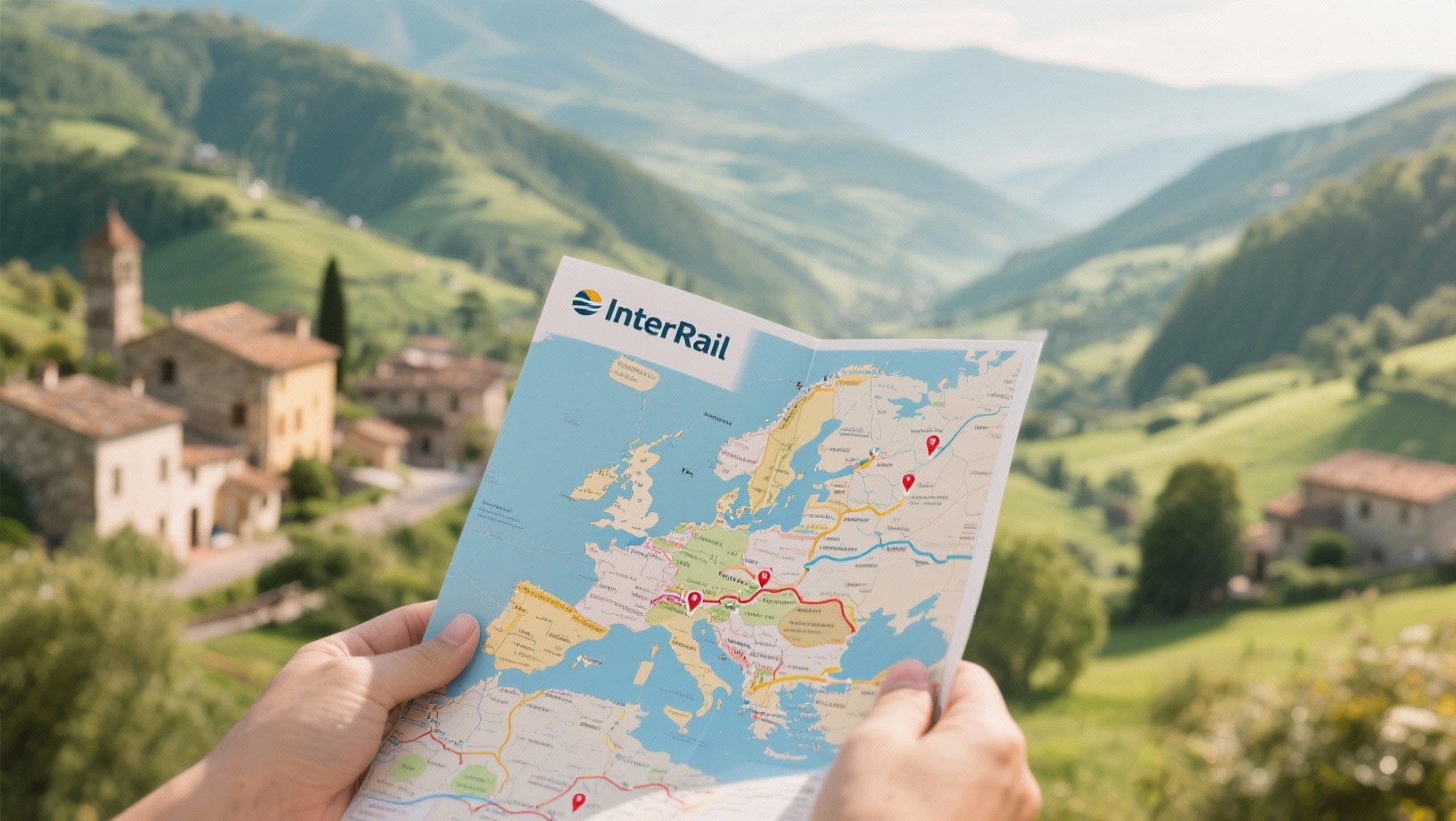
For a successful first Interrail experience, the most popular routes for beginners are those that combine major cities. These cities have reliable connections, such as the classic journey through Central Europe. These routes offer a good balance between culture, comfort and ease of travel. Curious how to plan such a trip with confidence?
Why Interrail is a good place to start
An Interrail trip is a great way to discover Europe, especially if you are organising your own trip for the first time. The system is designed for flexibility and convenience. With a single ticket, the Interrail Global Pass, you have access to the rail networks of 33 countries. This means you do not need to buy a separate ticket for every journey. It also makes it easier to plan your route clearly.
For beginners we recommend a flexible pass, such as the “7 travel days within 1 month” pass. This gives you the freedom to travel when you want, without the pressure of having to be on a train every day. You can easily spend a few days in one city before activating your next travel day. This keeps your trip relaxed and prevents your itinerary from becoming too crowded.
‘ The Amsterdam – Berlin – Prague – Munich route is a logical and often chosen option. ‘
Route 1: the classic through Central Europe
One of the most popular Interrail routes for beginners starts in Amsterdam and takes you to the historic heart of Central Europe. The cities on this route are well connected, so you rarely spend too long on the train. The Amsterdam – Berlin – Prague – Munich route is a logical and often chosen option.
Amsterdam to Berlin
Your journey begins in the Netherlands. From Amsterdam you take the direct international train to Berlin. This journey takes a little over six hours and takes you from the canals to the heart of the German capital. Berlin is a city of history and creativity. Visit the remaining parts of the Berlin Wall. Explore the different districts such as Kreuzberg and Friedrichshain. Discover the rich museums on Museum Island.
Berlin to Prague
After a few days in Berlin you continue your journey to Prague. The train ride takes around four hours and leads you through the rolling landscape of Saxony. Prague, the “Golden City”, feels like an open-air museum. Walk across Charles Bridge at sunrise. Climb the hill up to Prague Castle. Enjoy the affordable local food and the famous Czech beer.
Prague to Munich
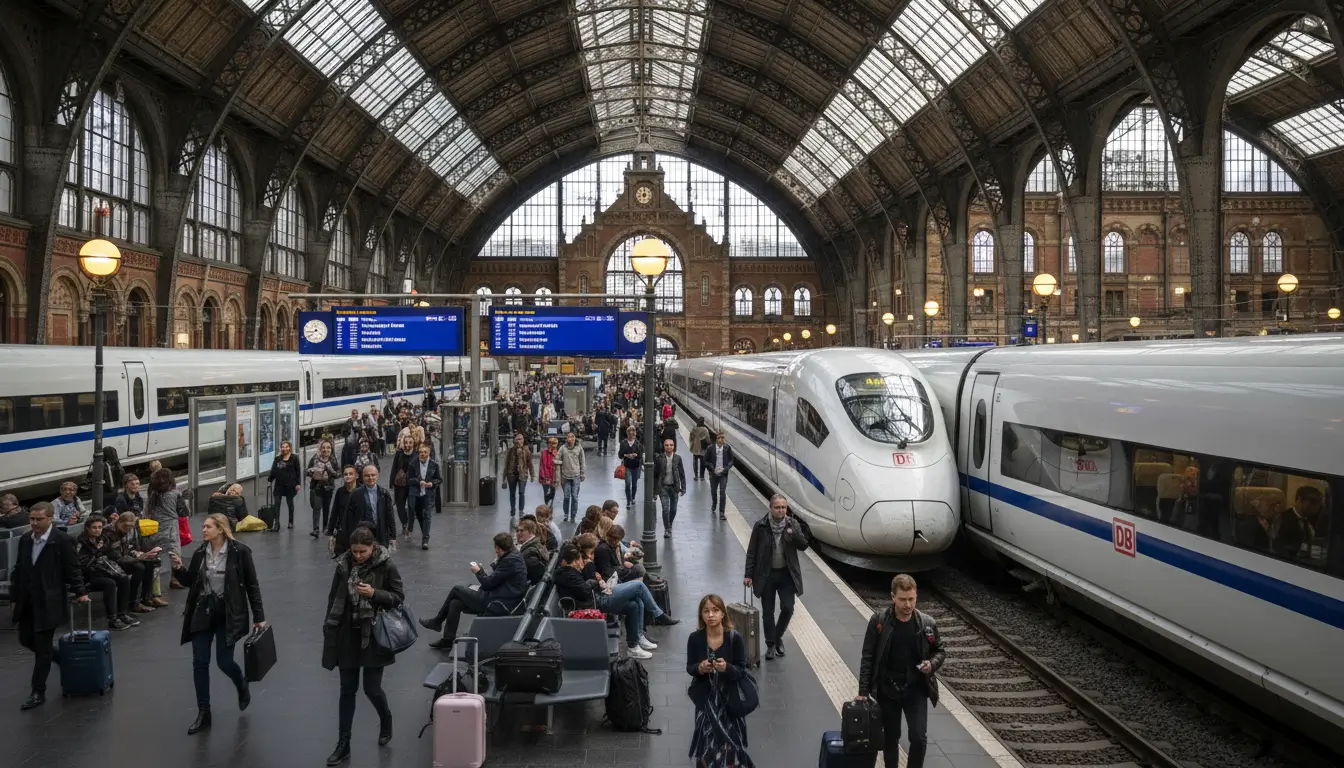
The final leg of this route takes you to Munich in southern Germany. The train journey takes about five to six hours. Munich is the capital of Bavaria. The city is known for its hospitality, traditional beer gardens and its proximity to the Alps. Explore Marienplatz, visit the Englischer Garten and experience Bavarian culture. From Munich you also have good connections back to the Netherlands, or onwards to Austria and Italy.
Route 2: city break through the sunny southwest
Do you prefer to head for the sun? Then a route through Spain and Portugal is a good option. The cities of Lisbon, Madrid and Barcelona offer a strong mix of culture, architecture and gastronomy. Bear in mind that seat reservations are often required for high-speed trains in Spain.
- Lisbon: Start your journey in the colourful capital of Portugal. Explore the narrow streets of the Alfama district, listen to fado music and try the famous pastéis de nata. Seven hills form the foundation of this city. From various viewpoints you can look far out over the River Tagus.
- Madrid: From Lisbon you can travel to Madrid by night train or day train. The Spanish capital has a lively nightlife and is buzzing until the early hours. Visit the Prado Museum, stroll through Retiro Park and enjoy tapas in the evening in the La Latina district. Madrid is the geographical and cultural centre of Spain.
- Barcelona: The final stop is Barcelona, which you can reach by high-speed train from Madrid. This city combines beaches with Gaudí’s distinctive architecture. Admire the Sagrada Família, lose yourself in the Gothic Quarter and relax on Barceloneta Beach.
Route 3: from the Netherlands to Italy via the Alps
A train journey from the Netherlands to Italy lets you experience the Alpine landscape. This is especially true if you take the route through the Swiss Alps. This route is ideal for travellers who want to enjoy mountain scenery as well as cities. Allow a bit more time for this, for example with a 10-day pass.
You start with a comfortable train journey to Cologne or Heidelberg in Germany for a short stopover. You then continue on to Switzerland. Here you can take the world-famous Bernina Express, a panoramic train that takes you over high viaducts and past glaciers. This train journey is on the UNESCO World Heritage List and is a highlight of your trip. It is advisable to reserve a seat.
The Bernina Express ends in Tirano, just over the border in Italy. From there you can easily continue to cities such as Milan or Verona. This way you combine an efficient journey south with one of the most remarkable train rides in Europe.
‘ It is the experience itself that makes travelling by train so special. ‘
Practical tips for your first Interrail trip
Good preparation makes for a relaxed trip. Here are some practical things to bear in mind:
- Choose the right pass: The Interrail Global Pass is the most versatile option. Think about how many days you actually want to travel and choose a pass that fits, for example 4, 5 or 7 travel days within a month.
- Plan reservations: For most trains in countries such as Germany, Austria and Switzerland you do not need a reservation. For high-speed trains (such as Thalys or TGV) and night trains, it is often compulsory. Check this in advance in the Rail Planner app and book your seat in good time, especially in high season.
- Budget: Allow for a daily budget of around 40 to 60 euros, excluding the cost of your pass. This is an average for hostel accommodation and food. Eastern Europe is generally cheaper than Scandinavia or Western Europe.
- Pack smart: Travel with a light rucksack. Only take what you really need. A power bank for your phone and a reusable water bottle are essential.
A well-planned Interrail trip is a rewarding way to see Europe. Whether you opt for the cultural cities of Central Europe, the sunny coast of Spain or the mountains of Switzerland, the train takes you comfortably to your destination. It is the experience itself that makes travelling by train special. On the Traveler Tips website you will find many more articles about train travel. You can also read about route planning and preparing for your holiday. Explore our guides and get ready for your next trip.
Frequently asked questions
For beginners looking for a balance between sights and ease of travel, the “Eastern Europe Basics” (Prague, Kraków, Warsaw, Gdańsk) and the “Central Europe Classic” (Venice, Milan, Munich, Vienna, Budapest, Ljubljana) are good options. The Eastern Europe route is budget-friendly and offers plenty of historic centres, while the Central Europe route combines cities rich in culture. For nature lovers, the “Amsterdam to Italy” route via the Bernina Pass offers a wonderful experience. For a relaxed start it is advisable to begin close to home and not plan too many stops.
For a comfortable Interrail trip you can combine popular destinations with lesser-known hidden gems by choosing routes with direct connections and planning a maximum of two to three cities per week to avoid exhaustion. Consider a 7- or 10-day flexi pass for shorter trips and reserve night trains and panoramic trains well in advance via the Interrail app. For example, start with Eastern Europe for an affordable and less touristy experience, or combine the Alps with the Rhine Valley for nature and wine tastings.
A light rucksack, a power bank and an EU adapter are essential items for your Interrail trip. Reserve seats on high-speed trains and night trains 2–3 months in advance, and consider a Youth Global Pass if you are between 12 and 27 years old. Do not plan too many stops (a maximum of 2–3 cities per week) to avoid exhaustion and download the Rail Planner app for offline use.
For a relaxed Interrail experience as a beginner, choose a 7- or 10-day flexi pass to avoid overload. Plan a maximum of 2–3 cities per week to prevent exhaustion. Start close to home and avoid too many stops for a calmer travel pace. Spring or autumn are ideal travel periods if you prefer fewer crowds.