NL
NL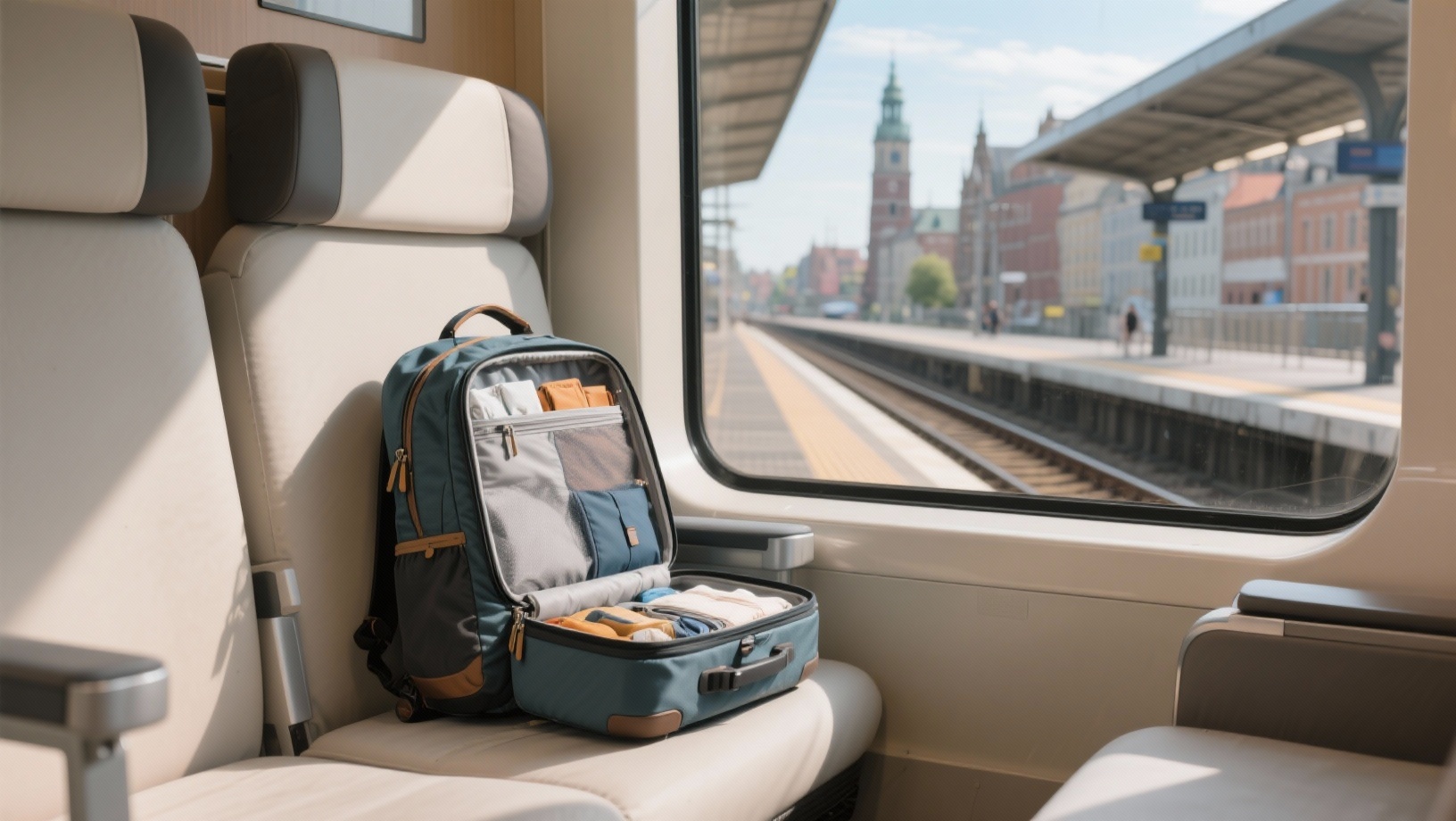
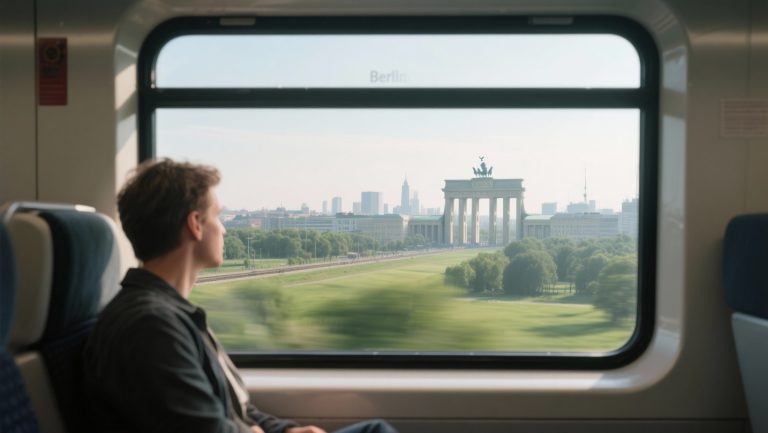
A city break by train means freedom; you are not tied to strict baggage limits like on a plane. Packing smart and selectively is the key to a comfortable, hassle-free trip. With the right luggage and practical tips for your city break by train, you are assured of a smooth start. Discover how to make the most of the space and be prepared for unexpected situations.
How much luggage can you take on the train?
One of the biggest advantages of travelling by train is the flexibility with luggage. On most European trains, including the popular ICE and Eurostar (formerly Thalys), a simple rule applies: you can take whatever you can carry and store yourself, as long as it does not hinder other passengers. In practice, this means there are no strict weight limits like with airlines.
However, there are guidelines you should take into account. Most rail companies use a maximum size per item of luggage, often around 85 cm for the longest side. Anything larger than that may be treated by the operator as special or oversized luggage.
- Eurostar (to Paris and London): On Eurostar you are generally allowed to take two pieces of regular luggage (max. 85 cm) and one piece of hand luggage. Your luggage must be labelled with your name. Always check the current conditions, as specific routes may have different rules.
- ICE International (to Germany and beyond): Deutsche Bahn has a relaxed policy. There is no formal limit on the number of items, as long as you can carry them yourself and store them safely in the designated racks.
Storage space on trains can be found in the racks above the seats, in special luggage racks at the beginning or middle of the carriage, or in the space between seats. Bear in mind that on busy routes this space can be limited. Ideally, travel with a compact suitcase or a practical backpack.
‘ Your hand luggage is your survival kit. ’
A practical packing list for your city break by train
Packing smart starts with good preparation. A city break requires a different approach to a long holiday. You will be on the move a lot and do not want to carry unnecessary weight. Think of multifunctional items and layers of clothing you can mix and match. Use packing cubes to keep your belongings organised and compact.
Essential items for your hand luggage
Make sure you have the most important items within easy reach, both for on the train and for unexpected situations such as delays. Your hand luggage is your survival kit.
- Travel documents and tickets: Keep your passport, ID card and train tickets (digital or printed) in a safe but easily accessible place. Install the train operator’s app for up-to-date travel information.
- Electronics and chargers: A power bank is indispensable for charging your phone. Don’t forget your earbuds or headphones for music, podcasts or a film.
- Comfort on the go: A bottle of water, some snacks, a good book or a neck pillow will make your journey more pleasant.
- Personal medication and basic toiletries: Make sure you have any medication you need and a small toiletry bag with, for example, hand sanitiser and painkillers.
Clothing and gear for your destination
Match your clothing to the weather forecast and your planned activities. Choose comfortable shoes you can walk in for hours. A foldable umbrella or a lightweight rain jacket is always a good idea. For a weekend trip, one or two pairs of trousers and a few shirts or jumpers you can combine are often enough. Roll your clothes instead of folding them; this saves space and reduces creasing.
What to do if your train is delayed?
Delays are annoying, but with the right preparation they don’t have to ruin your trip. The first step is to stay calm and assess the situation. Via the operator’s app (such as NS International or DB Navigator) you will receive the most up-to-date information about the length of the delay and any alternative routes. The staff on the train or at the station can also help you further.
In the event of a significant delay, you have certain rights as a passenger. Within the European Union these passenger rights are laid down in legislation. Depending on the length of the delay, you may be entitled to compensation. Keep your ticket and, if necessary, make notes of the departure and arrival times. The customer service of the relevant rail company can inform you about the procedure for claiming compensation.
With the right luggage and preparation, your city break by train becomes a relaxing experience. The adventure begins the moment you step on board, with the landscape passing by and the freedom to move around. Good planning ensures that you can fully enjoy your destination without unnecessary stress about your belongings.
On the Traveler Tips website you will find many more articles to help you plan your perfect trip. Whether you are looking for the most beautiful train routes through Europe, tips for booking the cheapest tickets or inspiration for your next destination, you will find it here. Explore the travel articles and turn every trip into an unforgettable experience.
Frequently asked questions
For a city break by train, choose light luggage, such as a rucksack and handbag, that you can easily carry and store yourself. Most European trains do not apply strict weight limits, but the maximum dimensions are often around 85 cm per item. Use luggage racks above the seats or in the middle of the carriage and make sure your luggage does not block aisles. Travel light for a comfortable journey and easy changes on busy stations.
For an efficient and light train journey for a city break, a carry-on only strategy is recommended, with a maximum of one rucksack and one handbag. Use packing cubes and roll your clothes to save space, and choose multifunctional items, such as walking shoes that are also suitable for a smarter occasion. Label your luggage with contact details and use locks, and avoid rush hours at stations for easier navigation. Always check the specific luggage rules of the train operator, as these may vary.
On European trains, you can usually take unlimited luggage, as long as you can carry and store it yourself. Typical dimensions are around 85 cm per item, with exceptions for larger items that count as oversized luggage. To avoid surprises, it is advisable to travel light, keep an eye on your luggage at all times and check the specific rules of the train operator in advance, especially for high-speed trains or special luggage such as bicycles. Use the available luggage racks above the seats or in the middle of the carriage.
Travel light with a carry-on strategy and use packing cubes for organisation to keep your luggage manageable. Navigate stations smartly by using lifts/escalators and avoiding rush hours. Label your luggage, use locks and always keep it in sight for extra security, especially at busy stations. Reserve seats with luggage space on international trains and always check the specific rules of the train operator.
The amount and type of luggage strongly affect your flexibility and experience: travelling light with a carry-on only strategy (max. 1 rucksack and 1 handbag) makes changing trains at busy stations and using public transport much easier. Large or bulky luggage can restrict your freedom of movement, block aisles and cause inconvenience on busy trains and while exploring the city on foot. Being able to carry and store your luggage yourself is essential for a smooth travel experience, as many luggage racks on trains are small. Travellers’ experiences highlight that travelling light is preferable to avoid theft and discomfort, especially when changing modes of transport.