NL
NL
The best travel experiences often come from a thoughtful combination of planning and freedom. The discussion about flexible routes versus fixed itineraries does not lead to a single winner, but to a smart middle ground. A fully planned route offers certainty, while complete freedom leaves room for unexpected discoveries. Find out how to strike the right balance that fits your travel style and destination.
The certainty of a fixed itinerary
Planning a holiday with a fixed itinerary means that you decide on the key elements of your trip in advance. Think of accommodation, transport and sometimes even excursions. This approach is particularly suitable for travellers with limited holiday days, or for those visiting a particular destination for the first time. The biggest advantage is the peace of mind it brings. You don’t have to worry on the way about the availability of a hotel or a seat on the train. Everything is already arranged, leaving you with more time to enjoy your surroundings.
In addition, with a detailed plan you make optimal use of your time. By looking up travel times and routes in advance, you avoid unnecessary time loss and can include more sights in your schedule. Financially, a fixed itinerary also has benefits. Booking early often results in lower prices for flights, train tickets and overnight stays. For beginners, this structured way of travelling provides a safe framework and helps to avoid overwhelming choices.
- Efficiency: You use your time efficiently thanks to a logical route and pre-booked activities.
- Cost control: Booking early and locking in prices help you stay within budget.
- Less stress: No last-minute searching for accommodation or transport, resulting in a more relaxed trip.
- Certainty: Especially in high season or at popular destinations, you are guaranteed a place.
‘ The most beautiful memories often come from unplanned moments. ’
The freedom of a flexible route
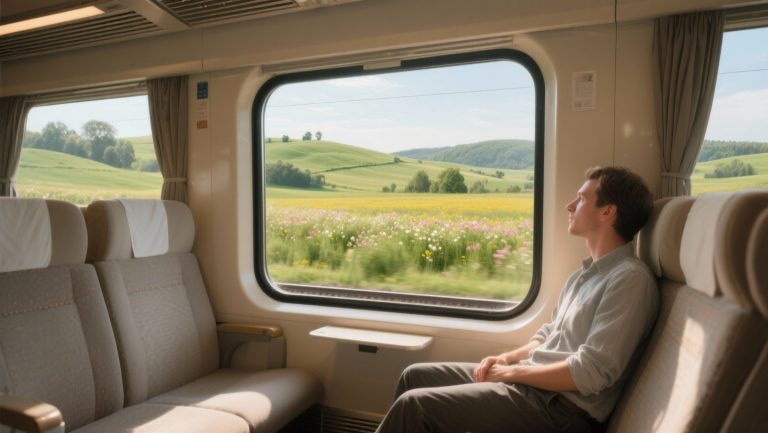
For many travellers, spontaneity is at the heart of a successful holiday. A flexible route, where you arrange little to nothing in advance, gives you complete freedom to adjust your plans along the way. Do you stumble upon a charming village? Then you simply stay an extra night. Is the weather disappointing? Then you change your route and travel towards the sun. This way of travelling allows you to respond to the moment and be guided by your feelings and new discoveries.
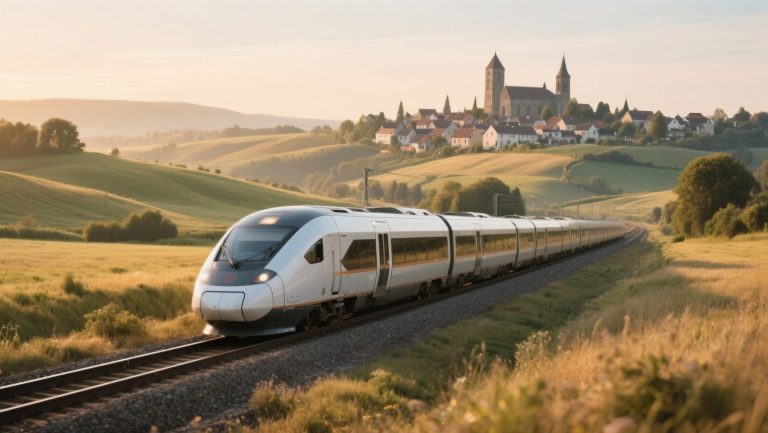
This approach is ideal for road trips and longer journeys, where the pace of travel is less fixed. It gives you the chance to discover places that are less well known and that aren’t in every guidebook. For train travellers in Europe, an Interrail Pass can, for example, support this flexibility. While some popular high-speed trains require a reservation, regional trains often allow you to travel spontaneously from one city to another. Impulsive travel is generally safe and practical, as long as you take into account how busy certain periods and popular routes can be. Good preparation, such as installing booking apps on your phone, helps you adjust your plans quickly while on the road.
- Freedom: You can adjust your trip at any moment to suit the weather, your mood or unexpected recommendations.
- Local and personal experiences: More room to discover local spots and connect with the culture.
- Less pressure: You don’t have to follow a tight schedule, which leads to a more relaxed travel pace.
- Unexpected discoveries: The most beautiful memories often come from unplanned moments.
The ideal middle ground: a hybrid approach
For most self-organised trips, a purely fixed or completely flexible approach is not the best solution. In reality, a hybrid model is often needed, where you combine structure with spontaneity. This means sketching out the broad outlines of your trip, but leaving enough room within that framework for improvisation. How do you balance planning with spontaneity? Start by fixing the elements that require certainty or are essential to your journey.
For example, book your flights or the first and last night of your trip. If you are on a road trip through a popular area in high season, it may be wise to reserve accommodation in tourist hotspots in advance. At the same time, you can keep the days in between open to decide on the route and pace yourself. Planning a train journey? Book the long stretches by high-speed train, but leave the shorter, regional legs open for spontaneous decisions. That way you benefit from the best of both methods: the calm of good preparation and the excitement of the unknown.
Draw up a rough route with key stops, but don’t plan every day down to the last detail. Use tools such as route planners to make a realistic estimate of travel times, but build in buffer days. These days give you the flexibility to stay somewhere longer, take an unexpected detour or enjoy a day of rest. This balanced approach reduces stress and ensures your trip runs smoothly while still leaving room for personal choices.
Planning a trip is a personal process. For every type of traveller—whether you love a tight schedule or complete freedom—the Traveler Tips website offers practical information about routes, destinations and preparation. Explore our in-depth travel articles and turn your next trip into a personal adventure.
Frequently asked questions
To build flexibility into a well-planned trip without losing comfort or efficiency, plan the broad outlines such as flights and regions, while keeping the details flexible. Create gaps in your schedule for spontaneity and unexpected discoveries. Use tools such as Stippl for route planning, and Lonely Planet or Google Maps for distances, to maintain efficiency. Take regional insights into account and book key locations in advance, especially during peak periods, to avoid discomfort.
A fixed itinerary ensures that everything is arranged in advance, allowing you to see more and avoid wasting time. Realistic planning reduces stress and enables deeper experiences, because you spend less time searching for accommodation. It can also be more cost-effective thanks to group discounts and offers a sense of security. This allows you to fully focus on the experience of the journey, without worrying about logistics.
To avoid blocking spontaneous discoveries and unique moments, you can create a rough travel plan that includes the start and end points, but keep the details in between flexible. Deliberately build “gaps” into your planning for spontaneity and adjust your route with apps such as Stippl. In this way, you combine the advantages of structure with the freedom to decide on the go and embrace unexpected finds. Bear in mind that travelling flexibly can be risky during peak periods, so consider booking crucial places in advance.
Combine flexible and fixed planning: define the broad outline of your project, but leave room for spontaneous adjustments. Use tools to quickly find alternative routes or options, which saves time when unexpected opportunities arise. Book essential elements in advance to prevent budget surprises, while keeping details open for flexibility. By finding a balance between preparation and spontaneity, you can seize unexpected opportunities without overstepping your limits.
The crucial considerations when choosing between a fixed route and a more flexible approach are freedom versus efficiency. A flexible approach offers more freedom and the ability to adapt, ideal for adventurers and long trips, but can mean missing certain places. A fixed itinerary, on the other hand, minimises stress, maximises efficiency and is more cost-effective, especially for short trips or group travel, but offers less spontaneity. Combining both by fixing the broad outlines and keeping details flexible can provide a good balance. The best choice depends on your travel style, the type of trip and the destination.