 NL
NL
A well-thought-out holiday is not just a random sequence of destinations. It is all about a carefully designed route. That route saves unnecessary kilometres, costs and travel time. The art of planning round trip routes is about designing logical loops and stop patterns that make your journey smoother and more enjoyable. Discover how to turn a simple list of locations into a smart and efficient round trip.
The basis of an efficient route: linear versus circular
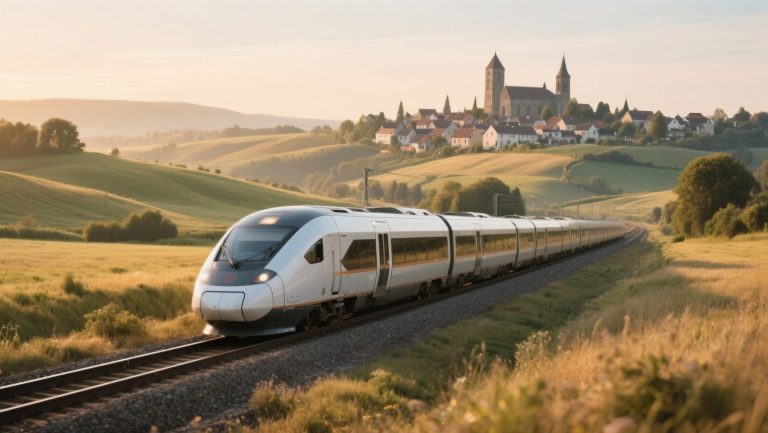
Before you start plotting your stops, it is important to determine the basic structure of your trip. At its core there are two types of routes: linear and circular. A linear route runs from point A to point B. This is ideal if, for example, you are travelling through a country by train. You then fly back from a different airport. You travel in one direction and avoid detours.
A circular route, also called a loop, starts and ends at the same location. This is often the most practical choice for road trips or car holidays from home. You do not have to book expensive one-way tickets for flights or trains. You finish the trip in a natural way where you started. A well-designed loop prevents you from unnecessarily driving the same roads there and back. This saves both time and fuel.
‘ This forms the backbone of your route. ’
How do you design a logical loop?
An efficient loop is more than a circle on the map. It is a route that links your destinations together in a geographically logical order. This way you avoid so-called zigzagging, where you lose time by unnecessarily criss-crossing areas you have already visited.
Start by choosing a central start and end point. This can be your home town, but also an airport or train station conveniently located in relation to the region you want to explore. Then gather all the destinations you want to visit and place them on a map. Group the stops that are close to each other and determine a logical order, for example clockwise or anti-clockwise. This forms the backbone of your route.
Tools for route optimisation
Manually planning the most efficient route with many stops is complex. Fortunately, there are digital tools that take this work off your hands. These tools solve the classic ‘travelling salesman problem’ by calculating the shortest or fastest route along all your chosen points.
- Google Maps: For most travellers this is the best-known tool. Add multiple destinations and adjust the order manually to create the most logical route. With the ‘My Maps’ function you can also create your own thematic maps with layers for hotels, sights and restaurants.
- RouteXL: This planner is specifically designed to optimise a route along multiple addresses. Enter your stops and the tool automatically calculates the most efficient loop. The free version supports up to twenty destinations.
- Mapquest: An alternative that optimises up to twenty-six stops. It offers extra features, such as avoiding motorways or toll roads, allowing you to tailor the route even better to your travel style.
Smart stop patterns: finding the right balance
A good route is more than just an efficient line on the map. It is also about creating a pleasant travel pace. A common mistake is planning too many stops in too short a time, meaning you spend more time travelling than experiencing. The length of your stay per stop is an important factor here.
A general guideline is to allow one to three days per destination. For large cities you will easily need three days to get a feel for the atmosphere, whereas a small village or a nature area is sometimes covered in a day or an overnight stay. Divide your trip into manageable daily stages. Try to limit the travel time per day so that you have enough time left for relaxation, sightseeing and spontaneous discoveries along the way.
Plan your stops, but stay flexible
A detailed plan brings peace of mind, but a schedule that is too tight causes stress. A good approach is to fix around 70% of your trip: the main route, the overnight stays and the key activities. You keep the remaining 30% free for spontaneity. You might discover an interesting side road along the way, get a tip from a local resident, or like a particular place so much that you want to stay longer.
Do not forget to include rest stops in your planning. In addition to the major sights, plan stops at a beautiful viewpoint, a local restaurant or a quiet park. Moments like these often make a trip memorable and ensure that you arrive at your destination feeling relaxed.
Planning a round trip is a preparation that pays for itself in the form of a comfortable, efficient and enjoyable holiday. On the Traveler Tips website you will find many more articles on planning the perfect road trip, the most beautiful train journeys and preparing your trip down to the last detail. Discover our guides and turn your next holiday into an unforgettable experience.
Frequently asked questions
To design an efficient round trip route that minimises unnecessary travel time and links the main sights together in the best possible way, start by choosing the same start and end point. Then use route optimisation tools such as RouteXL or Mapquest to calculate the shortest, most logical loop. Divide the trip into manageable daily stages with a mix of must-sees and rest stops, and filter stops based on maximum deviation from the main route. Fix around 70% of the route so that 30% remains free for spontaneous discoveries.
To determine the ideal length of stops and overnight stays, balance between planned highlights and flexibility. Break up long routes into manageable daily stages and alternate must-sees with rest stops and spontaneous breaks. Plan 70% of the trip in advance and keep 30% free for unexpected discoveries. Use tools that offer route optimisation, offline functionality and local suggestions.
To build flexibility into your route planning, plan 70% of your trip in advance (main routes and key stops) and keep 30% free for spontaneous discoveries and adjustments. Use route optimisation tools such as RouteXL or Mapquest to create efficient loops and divide your trip into manageable daily stages. Mark different categories of stops, such as attractions and restaurants, so you can navigate quickly. Always download offline maps in case you have no signal, and be prepared to adjust your plans for unexpected gems.
For designing a loop-shaped route without duplicate stretches, tools such as RouteXL and Mapquest are very suitable; they automatically optimise the shortest and most logical loop. Google Maps offers the option to create your own maps and lists, while PlanYourTrip helps with a complete overview of the road trip including budget and daily schedule. For spontaneous, hidden stops, By The Ways can be useful. Do not forget to download offline maps for reliable navigation.