 NL
NL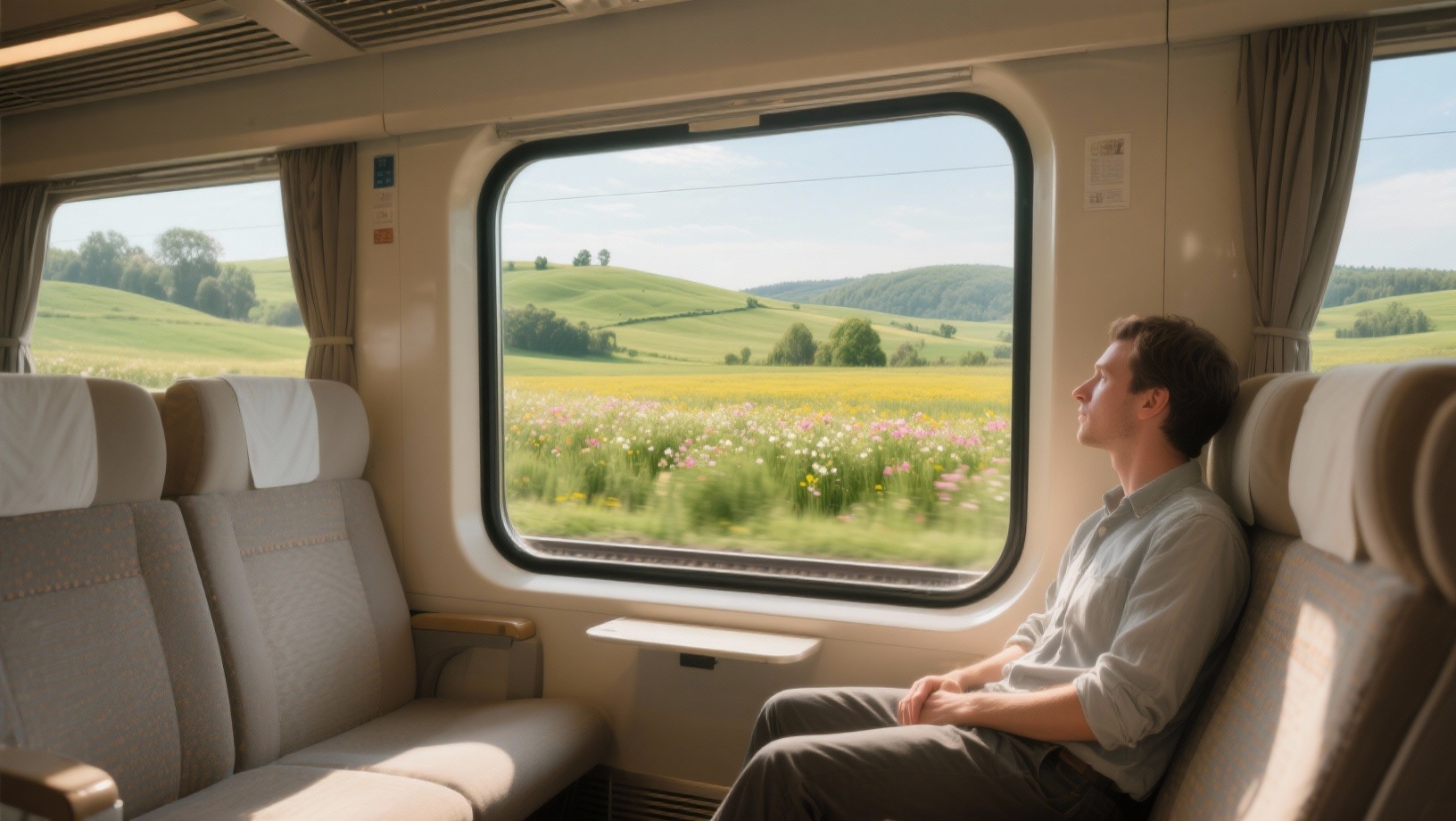
The right timing and seasonal planning are the secret to comfortable and affordable train journeys in Europe. By avoiding the summer months and choosing spring or autumn, you not only travel more cheaply, but also more pleasantly. But how do you make sure that darkness doesn’t hide your dream route through the mountains and that you get the most out of your trip?
Summer: a period of high prices and crowds
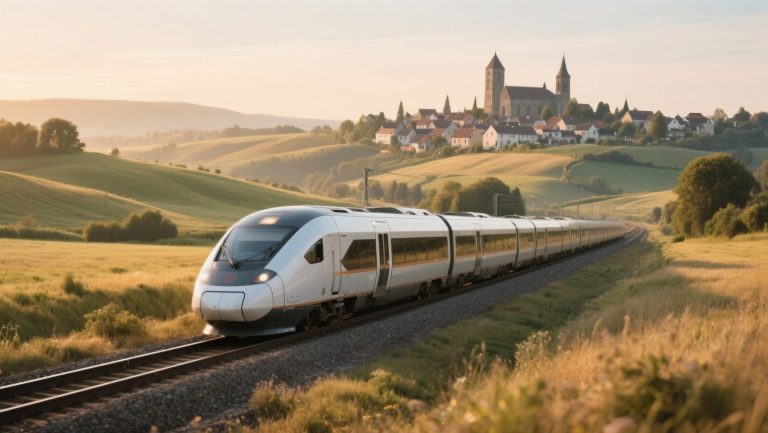
The summer months, especially July and August, are traditionally the most popular period for holidays in Europe. This inevitably leads to a peak in demand for train tickets. Rail companies adjust their prices accordingly, making tickets significantly more expensive than in other periods. Trains are also often overcrowded, which comes at the expense of travel comfort. Long queues at stations and a struggle for luggage space are not uncommon. Although sunny destinations such as the Côte d’Azur with the Eurostar Sun are attractive, a comfortable journey in summer requires early planning. Book your tickets six to eight months in advance to avoid the highest prices and the biggest crowds.
‘ Ticket prices are usually lower than in high season, especially if you book a few months before departure. ’
The best seasons for train travel: spring and autumn
For the savvy traveller who wants to combine comfort, affordability and experience, spring and autumn are the ideal seasons for a train journey through Europe. These periods, also known as shoulder seasons, offer a perfect balance between pleasant weather, manageable crowds and more favourable ticket prices.
Spring (April – June)
Travelling in spring means witnessing the landscape waking up. Nature is in bloom, temperatures are mild and the days are getting longer. This is an excellent period for city trips to places such as Paris or Brussels, but also for nature routes through Scandinavia or Switzerland. Trains are quieter, giving you more space and allowing you to relax and enjoy the view. Ticket prices are usually lower than in high season, especially if you book a few months before departure.
Autumn (September – October)
When the summer rush is over and most travellers have returned home, a wonderful time for train journeys begins. Autumn dresses the landscapes in warm colours, giving routes through hills and valleys, such as the Glacier Express in Switzerland, a charming atmosphere. Temperatures are often still pleasant and cities are quieter. This season is perfect for exploring capital cities or taking long-distance trips while benefiting from falling ticket prices.
Train journeys in winter: pros and cons
A train journey in winter (October – March) has its own charm. The chance of a white landscape, the cosiness of Christmas markets in cities such as Vienna or Prague, and the tranquillity on the trains make it a special experience. Ticket prices are often at their lowest during this period. The biggest drawback is the limited amount of daylight. The days are short, so part of a beautiful route takes place in the dark. For a journey where the scenery is the main attraction, winter is therefore less suitable. For city visits or using night trains, however, it is an interesting option.
Plan your journey around daylight
A common mistake when planning a train journey along a scenic route is ignoring sunrise and sunset times. It is a shame if you book a ticket specifically for a panoramic ride only to end up travelling through the darkness. Always check the daylight hours for the period and region in which you are travelling. This will help you choose the optimal departure time.
- Choose an early departure time: Especially in autumn and winter, this maximises the number of daylight hours.
- Avoid late arrivals: Make sure the most beautiful part of the route takes place well before sunset.
- Use a night train: For long distances or less interesting stretches, consider taking a night train. This way you cover the distance while you sleep and you also save on a hotel stay.
‘ The rule of thumb is simple: the earlier you book, the lower the price. ’
Smart booking for the best price
In addition to seasonal planning, there are more ways to keep costs down. The rule of thumb is simple: the earlier you book, the lower the price. For popular international connections such as the Eurostar, book six to eight months in advance. If you travel outside peak hours, for example on a Tuesday or Wednesday instead of at the weekend, prices often drop as well. By being flexible with your travel dates and planning early, you can save significantly on your travel costs.
Good preparation is the basis of a successful trip. Timing and planning are essential, especially when travelling by train. On the Traveler Tips website you will find plenty more practical information on planning your ideal train journey, from the most beautiful routes and ticket choices to tips on luggage and travelling with children. Discover how to travel more smartly and more consciously.
Frequently asked questions
You can secure the most affordable train fares by booking 6 to 8 months in advance, especially for popular routes and during the summer season. Spring (April–June) and autumn (September–October) are generally the best periods for affordable and comfortable journeys, thanks to mild weather and fewer crowds. Night trains can also save on hotel costs. Keep an eye on the websites of NS International, Eurostar and European Sleeper for current offers and new routes.
Spring (April–June) and autumn (September–October) are the most suitable seasons for a comfortable train journey with fewer crowds. These periods offer mild temperatures and beautiful scenery, while trains are quieter than in high season. Booking early (6–8 months in advance) helps you get the lowest fares.
Spring (April–June) and autumn (September–October) are the optimal periods for comfortable temperatures, stunning scenery and lower prices thanks to fewer people on the train. In these seasons trains are quieter than in the peak summer months, making travel time more pleasant without long queues. By booking 6–8 months in advance, the lowest fares and the most flexible tickets are available. Night trains are often a cost-effective option because they save on hotel costs.
Travelling outside the high season offers a richer local experience because there are fewer tourists, leading to more authentic interaction with the local culture and population. There is also less overtourism, which reduces pressure on local facilities and the environment. Lower prices for accommodation and transport, and a more relaxed travel experience, are additional advantages. Spring and autumn are ideal periods for mild weather and beautiful scenery without the summer crowds.
To travel comfortably and affordably by train during school holidays and public holidays, it is best to travel in spring (April–June) or autumn (September–October), when it is less busy and often cheaper. Book your tickets early, ideally 6–8 months in advance, to secure the lowest fares, especially for popular routes and during the summer months. Consider night trains to save on hotel costs and use your travel time efficiently. Use Interrail for unlimited travel on more extensive trips, and check local and regional offers for the best deals.