 NL
NL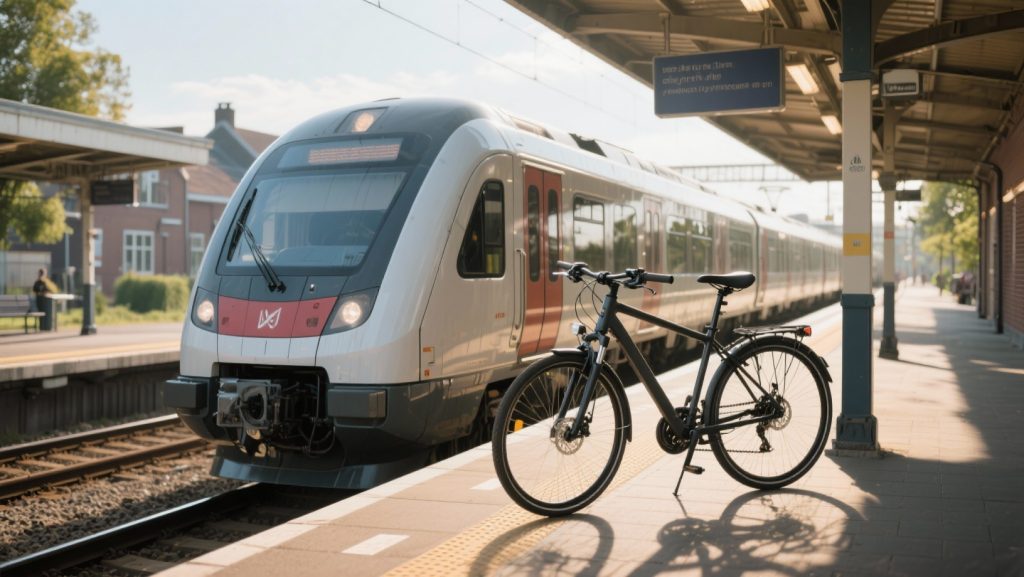
Your Guide to Train and Cycling Holidays
A train holiday with a bike is an excellent way to travel flexibly, sustainably, and with more experience. By combining the speed of the train with the freedom of the bike, you can discover Europe in a way that is impossible by car. Good preparation is necessary for a smooth journey. Discover here how to organise your trip from start to finish.
The combination of train and bike opens up a world of possibilities, far more than with most other types of train travel. It allows you to comfortably cover long distances and then explore the surroundings at your own pace. You are not tied to one location and avoid the stress of traffic jams and parking spaces. This way of travelling perfectly aligns with a conscious and active holiday.
Why opt for train and bike travel?
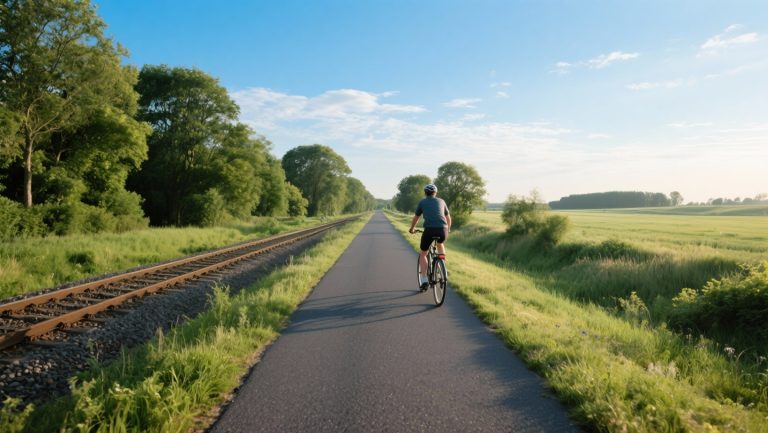
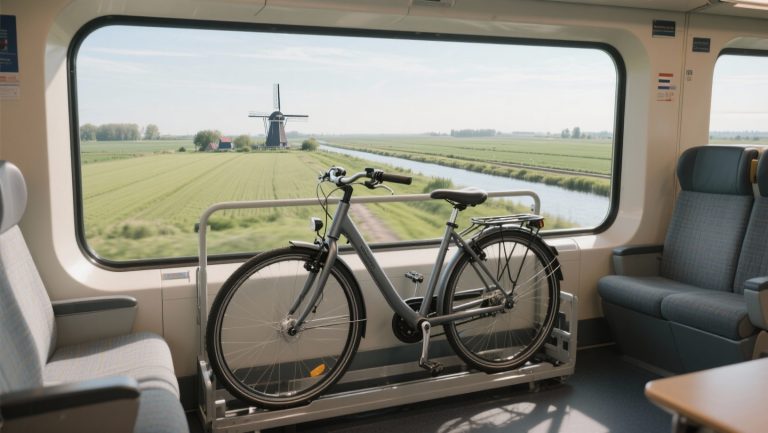
Choosing to travel by bike and train offers several advantages. Firstly, it is a sustainable way to travel. You significantly reduce your ecological footprint compared to a car or flying holiday. Additionally, this method of travel offers a sense of freedom. You can alight at a small station and cycle directly into a nature reserve, or you can cover a less interesting part of your route by train. The landscape glides past you from the train, while on the bike, you truly experience the local atmosphere, scents, and sounds. This creates a deeper connection with your destination.
‘ A folding bike is the most practical option; when folded, it counts as hand luggage on most trains and can be taken free of charge. ’
Preparing your bike for the journey
Proper preparation of your bike is crucial for an enjoyable trip. Not every bike is equally suitable, and packing rules vary by train operator. Ensure your equipment is in order before you depart.
Suitable bikes for a train journey
A touring bike or trekking bike is often a good choice due to its robustness and comfort over longer distances. An electric bike is also an option, but consider its weight when getting on and off. Check the rules for transporting batteries in advance, although they usually can remain in the bike. A folding bike is the most practical option; when folded, it counts as hand luggage on most trains and can be taken free of charge, even during peak hours.
Disassembly and Packing
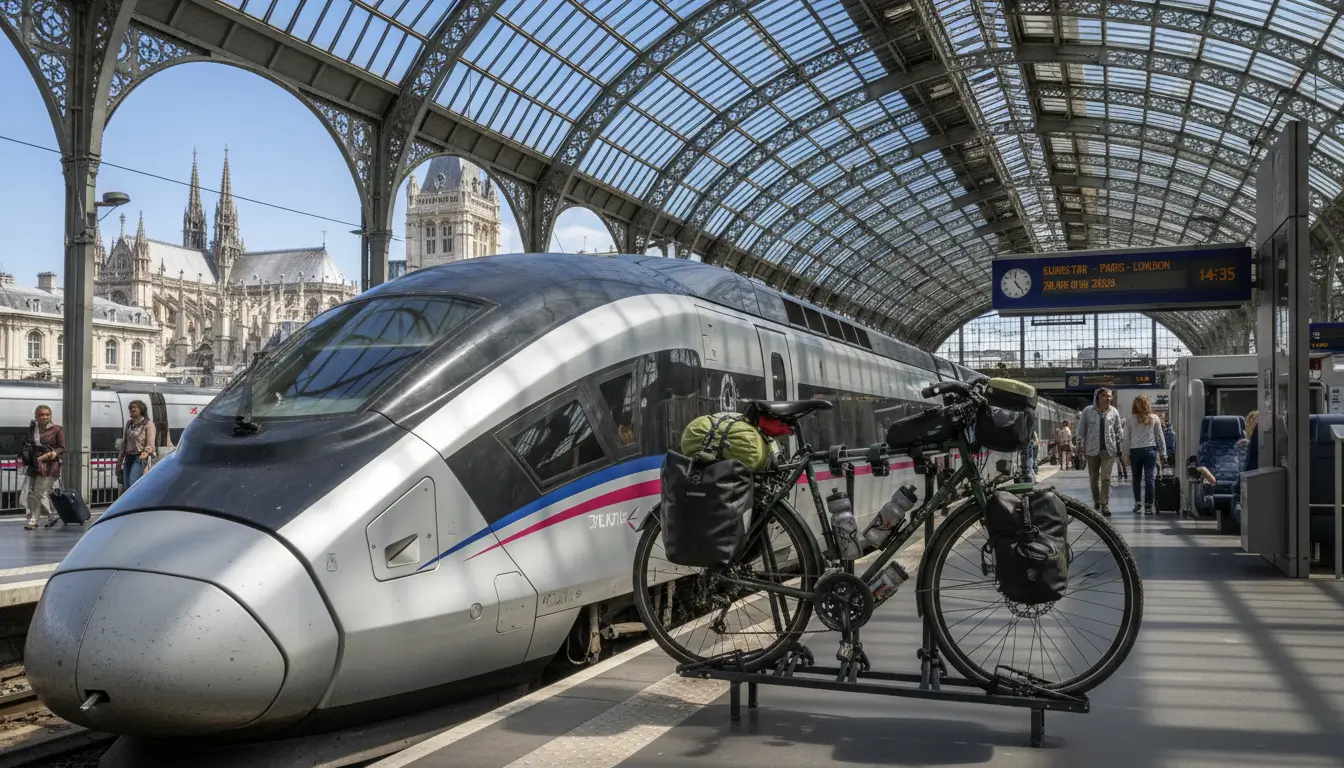
On many regional trains, you can take your bike without modifications. For high-speed trains such as Eurostar or TGV, it is often mandatory to disassemble the bike and pack it in a special bike bag or case (maximum 120 x 90 cm). This means removing the front wheel and pedals and turning the handlebars. Practise this at home once, so you don’t encounter any surprises at the station.
Essential accessories
Bring a compact set of tools for minor repairs. This includes a multi-tool, tyre levers, and a bike pump. Waterproof panniers are practical for keeping your luggage dry. Also, don’t forget a good lock, lights, and a holder for your phone or navigation system.
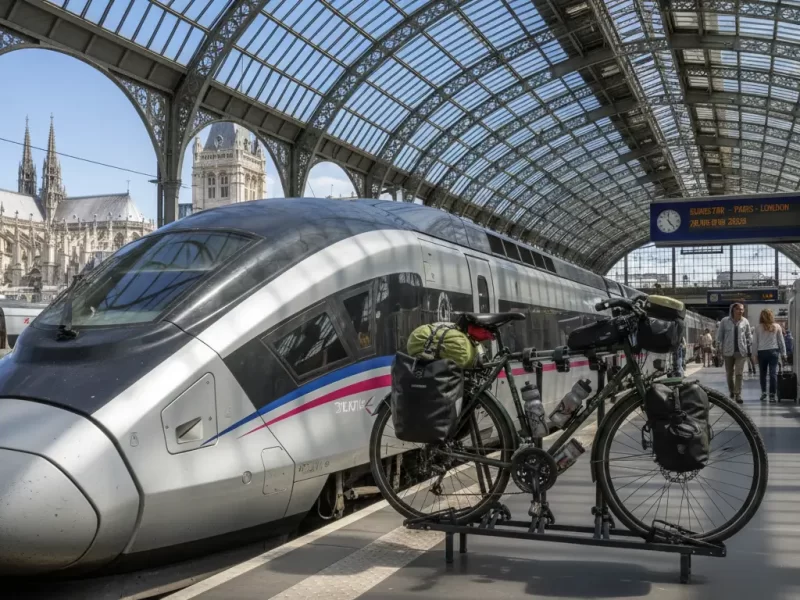
Train and bike: tickets, reservations, and restrictions
Planning the train journey itself requires attention to tickets and regulations. These vary significantly by country and train type. Generally, the faster the train, the stricter the rules for bike transport.
Bike tickets and reservations
For almost every train, you will need a separate bike ticket in addition to your own. In the Netherlands, this is the ‘Fietskaart Dal’ (Off-peak Bike Ticket). For international travel, the price varies, and you are often required to reserve a bike space. The number of bike spaces is limited, so book your trip, especially during peak season, as early as possible. You can do this via the websites of national railway companies such as NS International, DB (Germany), or SNCF (France).
General rules by country and train type
The rules for taking your bike are not the same everywhere. Below is a brief overview:
- Netherlands: Your bike can be taken during off-peak hours (outside 6:30-9:00 and 16:00-18:30 on weekdays). This restriction does not apply at weekends and in July and August. A folding bike can always be taken free of charge, provided it is folded.
- Germany: A reservation is mandatory on long-distance trains (ICE, IC, EC). On regional trains, this is usually not necessary, but it can sometimes be busy on popular routes.
- France: On TGV trains, you often have to pack your bike in a cover. Regional TER trains often offer special bike compartments where the bike can be taken as is, although the number of spaces is limited.
- Belgium: Here, you buy a fixed-rate bike ticket for a single journey, regardless of the distance. Reservations are usually not necessary but are recommended.
Logistics around the station
Once at the station, it is important to know your way around. Especially with a packed bike, navigating and changing trains can be a challenge. Plan enough time for this.
Boarding and alighting with your bike
Check the information boards on the platform for where the carriage with the bike symbol stops. Make sure you are ready there. Boarding and alighting often happen quickly. Remove your panniers from the bike if it is very heavy; this makes lifting easier. The doors and aisles are narrow, and the step-in height can sometimes be high. Be prepared and, if necessary, ask fellow passengers or staff for help.
Navigating and changing trains
Large stations can sometimes be confusing. Use the lifts instead of escalators to change platforms. Plan ample transfer time so you don’t have to rush. A 30-minute transfer is not an unnecessary luxury for a trip with a bike. This gives you enough time to find the right spot and prepare for the next train journey.
‘ This offers the opportunity to start your tour directly in the heart of a cycling region. ’
Popular cycling regions accessible by train
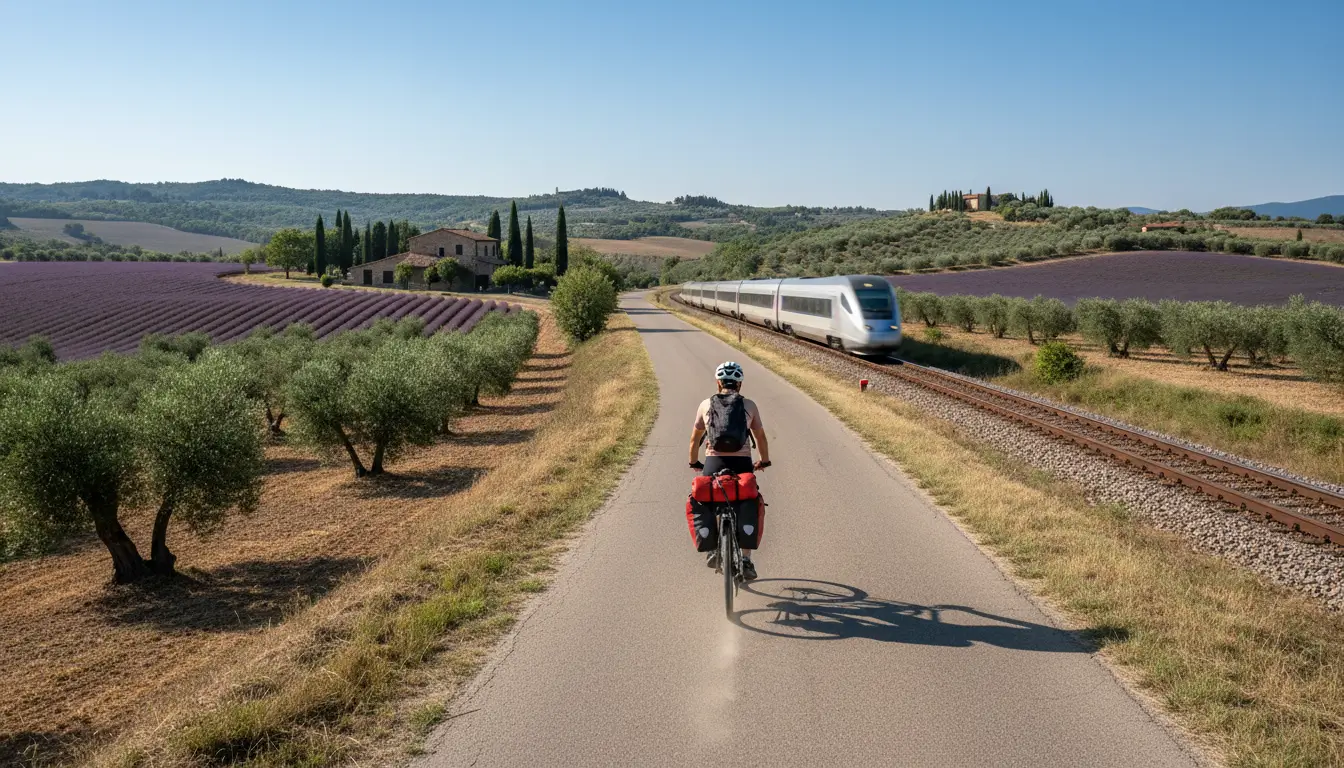
Many of Europe’s most beautiful cycling routes are easily accessible by train. This offers the opportunity to start your tour directly in the heart of a cycling region.
- The Danube Cycle Path: Travel by train to Passau in Germany and cycle along the Danube towards Vienna. The route is largely flat, and many regional trains run parallel to the route.
- The Loire Valley: Take the train to Orléans or Tours and cycle along the famous castles of the Loire. The French railways have special ‘Loire à Vélo’ trains with extra bike spaces in summer.
- The Rhine Cycle Route (EuroVelo 15): This route follows the Rhine from Switzerland to the Dutch coast. Cities like Cologne, Koblenz, and Arnhem are easily accessible by train and are ideal starting or ending points.
- The Flemish Ardennes: For the sporty cyclist, the hills of the Tour of Flanders offer a great challenge. Take the train to Oudenaarde and start your tour directly from the station.
Useful tips for a carefree journey
A good journey hinges on the details. Consider digital tools, suitable accommodation, and flexible planning.
Use apps like Komoot or the Fietsersbond Routeplanner (Cyclists’ Union Route Planner) for mapping out your cycling routes. For the train journey, apps from national railway companies or an overarching planner like Trainline are useful. Book bike-friendly accommodations; many hotels and bed and breakfasts offer secure, locked storage. Don’t pack too much. You’ll be carrying everything yourself, so limit your luggage to the essentials.
Alternatives and extra options
Do you find taking your own bike too much hassle? There are good alternatives. Consider hiring a bike at your destination. Especially in popular cycling areas, the range of rental bikes is wide and of good quality. This saves you the logistics at the stations. Another option is to use luggage transport. There are services that transport your luggage from one hotel to another, so you only cycle with a small day bag during the day. This significantly increases comfort.
‘ With the right planning and a flexible attitude, Europe is at your wheels. ’
The advantages of travelling by bike and train
Travelling by train and bike offers a unique combination of efficiency, sustainability, and experience. It requires careful preparation, but the reward is great. The freedom to discover the most beautiful places at your own pace, far from busy motorways, makes this way of travelling the perfect holiday for many. With the right planning and a flexible attitude, Europe is at your wheels.