 NL
NL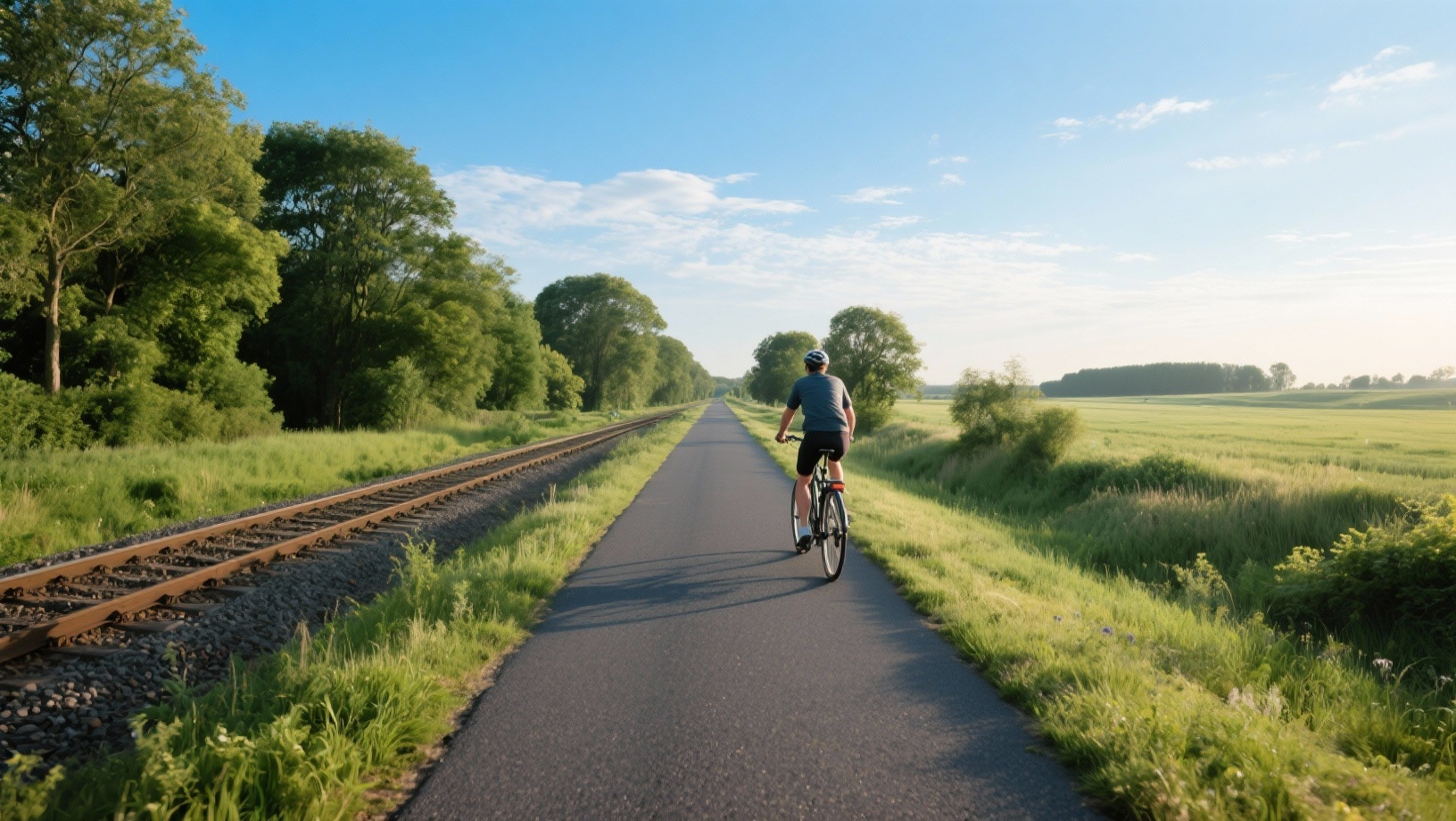
The Vennbahn cycle route proves that a comfortable and almost flat bike ride through three countries is perfectly possible, even with the whole family. This 125-kilometre route along a former railway line offers a special combination of nature, history and smart logistics. Discover how to plan this unique trip, divide it into stages and make optimal use of the train for a relaxed cycling holiday.
What is the Vennbahn cycle route?
The Vennbahn is a fully asphalted cycle path that links Aachen in Germany with Troisvierges in the north of Luxembourg, cutting straight through Belgium’s Eastern Cantons. Because the route follows an old railway track, the gradients are minimal. With an average incline of just 2%, the route is very accessible. You cycle largely traffic-free through a varied landscape of forests, the plateaus of the High Fens and the green Our valley.
The route is clearly signposted with blue and yellow signs and offers plenty of rest areas and facilities along the way. Thanks to the flat profile and safe, segregated bike paths, the Vennbahn is very suitable for leisure cyclists, e-bikers and families with children who want to undertake a multi-day tour without tough climbs.
‘ The best period to cycle the Vennbahn is from May to October. ’
The route in practice: starting point, duration and best time to travel
The official starting point of the Vennbahn is at Aachen central station, a city that is easily reached by train from the Netherlands and Belgium. This makes it simple to leave your car at home and start your cycling holiday sustainably. You can cover the full 125-kilometre route in three to six days, depending on your pace and how much time you want to spend on sightseeing.
The best period to cycle the Vennbahn is from May to October. The weather is generally pleasant then and nature is in full bloom. In tourist hotspots such as Monschau it can get busy at summer weekends. Those looking for more peace and quiet should plan their trip during the week.
Cycling in stages: a flexible plan using the train
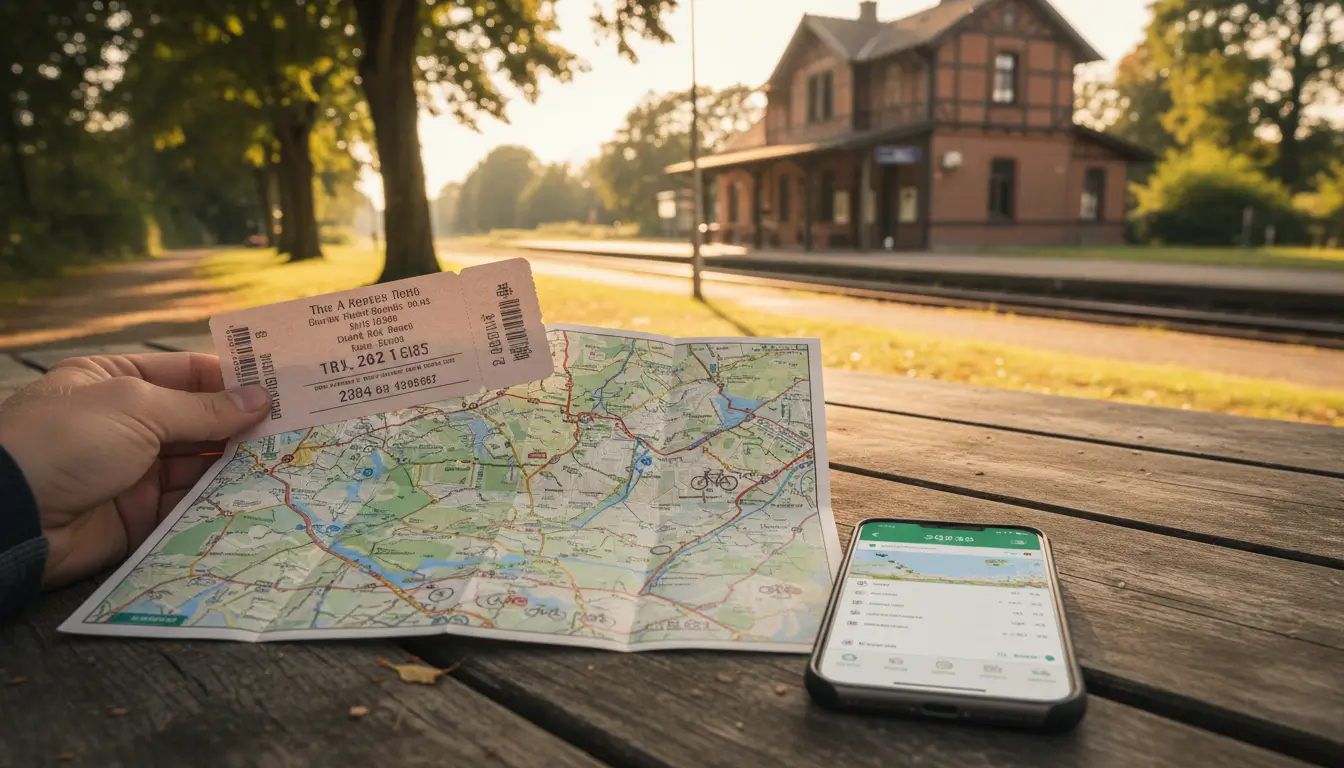
One major advantage of the Vennbahn is the possibility to divide the route flexibly. You do not have to ride the full 125 kilometres in one go. Thanks to the proximity of various train stations, you can easily break the route into shorter stages. This is particularly useful for families with children or for those who only have a day or a weekend to spare.
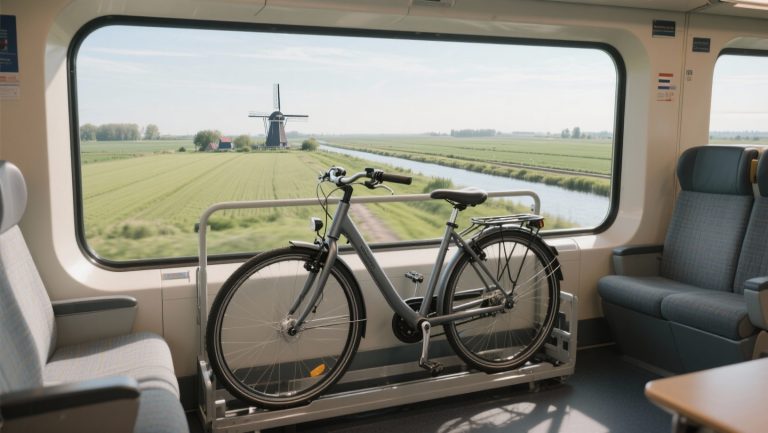
How does this work in practice? For example, choose a central base and travel from there by train to the start of a stage, then cycle back to your accommodation. Another option is to ride a stage and take the train back to your starting point at the end. Always check the latest timetables of the railway companies in advance (NMBS in Belgium, Deutsche Bahn in Germany) and ask about the options and conditions for taking bikes on board.
The route in six clear stages
To help you with your planning, the route has been divided into six manageable stages. This division is a suggestion that you can adapt as you see fit.
- Stage 1: Aachen – Raeren (22 km)
The tour starts in the historic city of Aachen and soon leads you to the green outskirts of town. Via the abbey town of Kornelimünster you gently cross the border into the Belgian village of Raeren, known for its pottery museum. - Stage 2: Raeren – Monschau (26 km)
This part of the route takes you to one of the highlights: the town of Monschau, with its half-timbered houses and medieval atmosphere. This is a good place for a longer break. - Stage 3: Monschau – Waimes (28 km)
From Monschau you head into the forests of the Eifel. You cycle through the High Fens-Eifel nature park, an extensive area with a unique raised bog landscape. The paths here are surrounded by peace and nature. - Stage 4: Waimes – St. Vith (17 km)
A relatively short stage that takes you further through the Eastern Cantons. St. Vith is a lively small town with a rich history and offers good options for an overnight stay. - Stage 5: St. Vith – Burg-Reuland (17 km)
During this stage you cycle mostly downhill through the green Our valley. The landscape becomes more hilly, but the cycle path itself remains comfortably flat. - Stage 6: Burg-Reuland – Troisvierges (15 km)
The final stage is short and takes you to the end point in Luxembourg. A lovely descent leads to Troisvierges station, from where you can start your return journey by train.
What do you need for the Vennbahn?
You do not need any specialist equipment for the Vennbahn. A good touring bike or e-bike is very suitable for this route. Thanks to the smooth asphalt, the route is also fine on a road bike, apart from a few short unpaved linking sections. Along the way you will find various “Bed & Bike” accommodations that are specifically geared to cyclists, with facilities such as secure bike storage and tools for minor repairs. There are also several charging points for e-bikes.
Thinking about luggage transport? Several local providers will transfer your luggage from one hotel to the next. That way you cycle light and comfortably and can fully enjoy your surroundings. Download the GPX tracks of the route beforehand so that you can always find the right way, even without an internet connection.
The Vennbahn is just one of the many well-organised cycle routes that Europe has to offer. On the Traveler Tips website you will find more inspiration and practical articles for planning your next cycling holiday, from routes along the Danube to trekking tours through the Alps. Discover our extensive articles on route planning, equipment and special destinations for your next trip.
Frequently asked questions
The Vennbahn cycle route starts in Aachen (Germany) at the central station. The route is suitable for touring bikes, road bikes and e-bikes. The best period to travel is from May to October, while weekends in Monschau can be avoided because of the crowds. Luggage transport is available and “bed+bike” accommodation can be booked via 50 partners. Detailed information, GPX tracks, and services such as bike rental and repairs can be found at vennbahn.eu.
The Vennbahn is an accessible cycle route, ideal for families and leisure cyclists, with minimal gradients. Stage 1 (Aachen – Raeren, 22 km) is flat and passes through Kornelimünster. Stage 6 (Burg Reuland – Troisvierges, 15 km) is a gentle descent. Along the route you will find Monschau with its half-timbered houses, the Eifel forests, the High Fens and the Our valley.
The 125-kilometre-long Vennbahn cycle route offers accommodation and places to eat directly on or close to the route. You can make use of the “bed+bike” concept, with around 50 partner accommodations offering bike storage and repair facilities. Along the route you will find various cafés and restaurants where you can enjoy local specialities. Book accommodation early, especially during peak season.
When preparing for a multi-day tour such as the Vennbahn cycle route, it is essential to download the GPX tracks for navigation and to look for accommodation with bike storage and repair facilities via “bed+bike” partners. Plan your trip preferably between May and October and consider luggage transport for carefree enjoyment. Use e-bikes for longer stages and make use of the charging points along the route.
Yes, the Vennbahn cycle route can easily be combined with a road trip through the region. The 125-kilometre route crosses Germany, Belgium and Luxembourg, allowing you to explore nature parks such as the High Fens and the Eifel. Recommended extra destinations include the picturesque town of Monschau, Raeren with its pottery heritage, St. Vith with its Second World War history, and the abbey town of Kornelimünster. A detour into the High Fens or to small towns along the route is also well worthwhile.