 NL
NL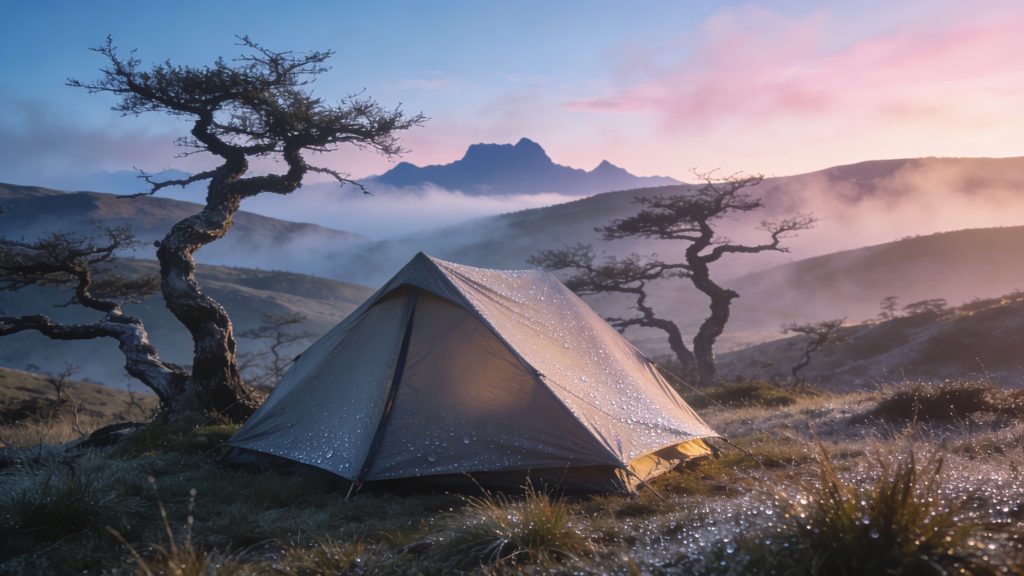
If you are caught wild camping in the Netherlands or Belgium, you risk a fine of between 140 and 300 euros, and that amount keeps going up. Since stricter enforcement began in 2020, checks have become tighter and the risks higher, especially in national parks and coastal areas. Wild camping may sound appealing, but it is important to know exactly where you stand before you pitch your tent outside an official campsite. Read on for a complete overview of what you can expect when you choose to spend the night outside designated areas.
How much is the fine in the Netherlands?
In the Netherlands, wild camping has been officially banned since June 2020. The fine for wild camping starts at 140 euros per offence. This amount can increase depending on the municipality and the time of the penalty notice. In some municipalities the starting amount is around 150 euros, but in case of repeat offences or damage to nature, it can end up being considerably higher.
The financial consequences are not limited to the offence itself. Related offences add up. Lighting a campfire will cost you 340 euros. Leaving rubbish behind will get you a fine of 170 euros. When you enter the forest after sunset, you can quickly be fined 100 euros or more. In cases of serious disturbance of breeding areas or animal suffering, the fine can rise to 500 euros or more.
The total amount can increase significantly when several offences occur together. Fine levels are adjusted annually. In 2025, they were increased again by 10 euros per category.
‘ Since 2025, cameras, outdoor wardens and strict checks based on the Municipal By-Law (APV) have been deployed. ’
What happens if you get caught?
Although the statutory fines are substantial, in practice you will often receive a warning first. You will be told to pack up your things and leave the location. However, the authorities are legally authorised to fine you immediately without a prior warning.
Enforcement is seasonal. Checks are particularly strict in the summer months. Since 2025, cameras, outdoor wardens and strict checks based on the Municipal By-Law (APV) have been deployed. The place where you are caught makes a difference. Wild camping is more strictly enforced in protected nature reserves, national parks and on the beach than in towns, industrial estates or residential areas.
If you spend the night in a motorhome in a car park, this can fall under wild camping. This depends on the local Municipal By-Law (APV). Parking a caravan, motorhome or trailer tent on the public highway for too long will result in a fine of 120 euros.
What about fines in Belgium?
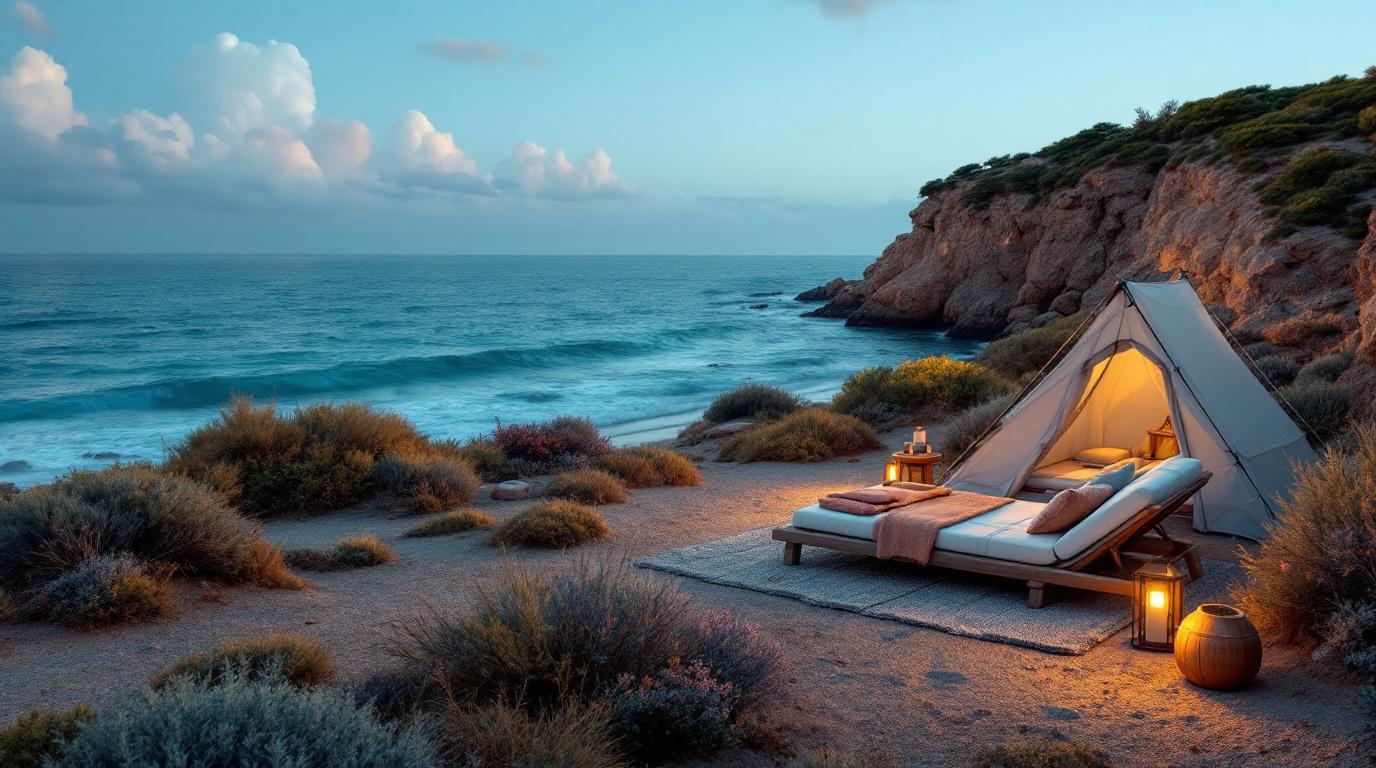
In Belgium, wild camping is also prohibited, but enforcement differs by region. Fines range between 150 and 300 euros per offence. As in the Netherlands, there are stricter checks in protected areas and nature parks. Local municipalities set their own policies, so the amount of the fine and the intensity of enforcement can vary.
In Belgium too, related offences such as leaving rubbish, lighting fires or disturbing wildlife can lead to additional fines. The exact amounts differ per municipality and may change from year to year.
Risks in national parks and protected areas
National parks and nature reserves apply stricter enforcement than other areas. The reason is clear: these areas are protected in order to preserve vulnerable nature. Offences are taken more seriously here and the chance of an immediate fine is higher.
Specific risks in these areas include:
- Increased likelihood of checks by forest rangers and wardens
- Higher fines for damage to flora and fauna
- Additional sanctions for disturbing breeding areas
- Possibility of being banned from the area in case of repeated offences
If you disturb birds during the breeding season or damage protected plants, you risk fines of up to 500 euros or more. Regulations on protected areas are tightened every year. Municipalities invest in better monitoring and make use of modern tools such as cameras and drones.
‘ Putting out chairs, rolling out awnings or clearly camping next to your vehicle significantly increases the chance of a fine. ’
Difference between wild camping and other forms of overnighting
It is important to understand that different forms of sleeping outdoors fall under different rules. Bivouacking, where you sleep under the stars without a tent, is also prohibited in the Netherlands. Free standing on private land is likewise not allowed without the owner’s permission.
Pole camping used to be a legal way of camping in the wild. However, since June 2020 it has been banned by Staatsbosbeheer (the State Forest Service) due to pollution and nuisance. A few pole campsites still exist, but they are rare and the rules can differ by location.
When spending the night in a vehicle, there is a grey area. Whether this counts as wild camping depends on the local Municipal By-Law (APV) and the circumstances. Putting out chairs, rolling out awnings or clearly camping next to your vehicle significantly increases the chance of a fine.
Legal alternatives for nature lovers
For travellers who want to experience nature without breaking the rules, there are several legal options. Staatsbosbeheer manages nature campsites scattered across the country, in both forests and dune areas. These sites offer varying facilities while still preserving that feeling of being in nature.
Other alternatives include:
- Camping with private landowners who offer legal overnight stays in nature
- Farm campsites with sustainable camping pitches on farms
- Micro-tourism overnight spots in nature
- Nature campsites with minimal facilities
These alternatives offer the feeling of camping in the wild without the legal risks. The range is growing every year and more and more private owners are opening up their land to travellers looking for peace and simplicity.
Practical tips to avoid risks
Anyone still considering spending the night outside designated areas should be aware of the risks. The best way to avoid problems is to research legal options thoroughly in advance. Check the local Municipal By-Law (APV) and, where possible, ask landowners for permission.
If you opt for a discreet stay, there are a few points that reduce the likelihood of enforcement. Arrive late at the spot and leave early. Do not put chairs or tables outside. Do not leave any rubbish behind and do not disturb nature. Avoid campfires and be mindful of animals and the surroundings.
These points reduce the risk but do not eliminate it. Regulations are moving towards stricter enforcement and higher fines. Municipalities are investing in better monitoring, and the chance of remaining unnoticed is getting smaller.
‘ The fines are not symbolic and enforcement is strict. ’
What does this mean for your travel planning?
For travellers who organise their own holidays, it is important to know in advance which rules apply at your destination. Wild camping may be tempting because of the sense of freedom and being close to nature, but the financial and legal risks are real.
Take the time to explore legal alternatives. The range is extensive and often offers a similar experience without the risks. Nature campsites, farm campsites and privately owned sites give you the chance to experience nature in a responsible way.
Find out about local regulations before you travel, especially if you are heading to national parks or protected areas. The fines are not symbolic and enforcement is strict. By planning consciously, you avoid unexpected costs and legal problems during your trip.
On the Traveler Tips website, you will find much more information about routes, preparation and practical tips for travelling in the Netherlands, Belgium and other European destinations. Discover how to plan your holiday more smartly and consciously, and what options there are for travelling in greater comfort and with more experience.
Frequently asked questions
In many popular road trip countries (such as the Netherlands, France, Spain and Italy), wild camping outside official campsites or designated spots is in principle forbidden, especially in nature areas, on the coast and near towns. Rules often prohibit pitching tents, ‘free standing’ with motorhome or van, lighting open fires, leaving rubbish and overnight stays in car parks outside permitted times; locally, the APV or municipal regulations can impose further restrictions. Fines roughly range from around €100–€200 for “simple” wild camping up to several hundred euros in the case of combined offences (such as campfires, pollution, disturbance of nature), and can be imposed per person. In some countries there are exceptions such as designated ‘bivouac zones’, tolerance for one night of parking/overnighting or specific free-camping schemes, but it is essential to check local rules per country and region in advance.
Legal and safe alternatives that closely resemble wild camping are mainly nature campsites (such as those run by Staatsbosbeheer), small-scale farm campsites and camping on private land with spacious, natural pitches. These often offer minimal facilities, lots of peace and quiet and a ‘being-in-nature’ feeling without the high risk of fines. You can find them via platforms and organisations such as Natuurkampeerterreinen, Staatsbosbeheer, SVR farm campsites and “camping at the farm” or micro-camping websites. Filter for small-scale, back to basics and plenty of nature around the pitch.
Besides fines you run the risk of eviction in the middle of the night, confiscation or removal of belongings and increased checks in the event of repeat offences. There are also safety risks such as theft, unwanted encounters and natural hazards (e.g. falling branches, high water, animals). You can minimise these by choosing remote but legal or tolerated spots, arriving late and leaving early, not putting anything outside and always applying the “leave no trace” principle. Find out in advance about local rules and alternatives such as nature or farm campsites to avoid conflicts and unsafe situations.
Always check both national legislation and the local APV (Municipal By-Law) of the municipality or region where you want to stay overnight, for example via the municipal website. In addition, use specialist apps and platforms (such as camping and motorhome apps) that list legal camping spots, nature campsites and any designated “rest areas”. Consult nature managers (Staatsbosbeheer, Natuurmonumenten or local equivalents) for up-to-date maps and permitted zones. If in doubt, ask local residents, tourist information offices or forest rangers on the spot before setting up camp.