
 NL
NL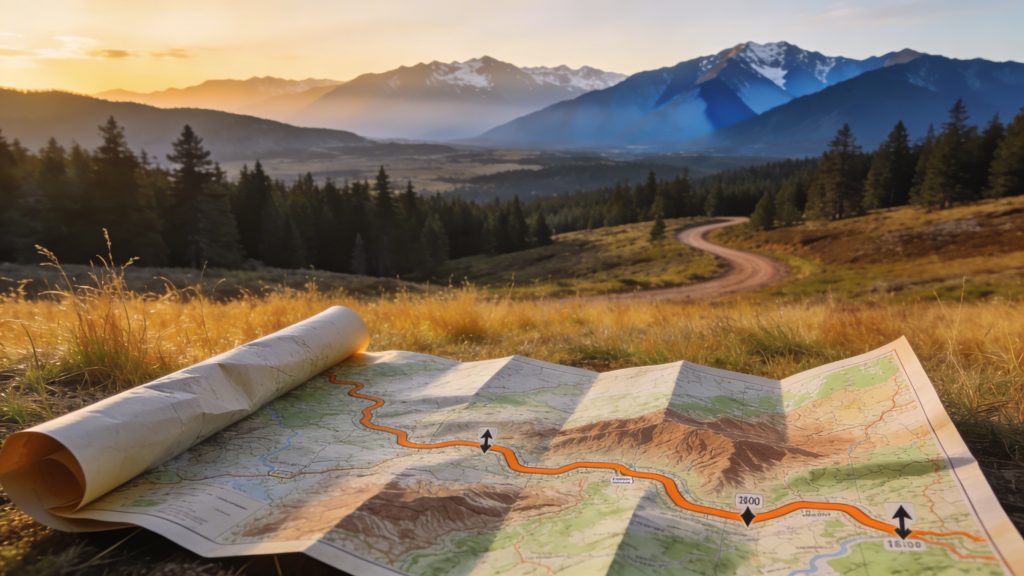
Wild camping on a road trip takes more than just a car and a tent. Thoughtful route planning makes the difference between a feeling of freedom and disappointment. Map out legal bivouac zones, realistic daily distances and access to permits in advance. Wild camping combines adventurous nights in nature with the flexibility of travelling. You do need to check in advance where it is allowed. You should also plan multi-day routes smartly. Discover below how to do this.
How do you plan a wild camping road trip in the Netherlands and Belgium?
In the Netherlands and Belgium wild camping is largely prohibited. However, there are legal alternatives that you need to integrate into your route beforehand. In the Netherlands, dozens of nature reserves offer pole camping spots: designated places in nature where you may stay overnight for free or for a small fee. These pole camping spots can often be found via walking networks or apps such as Trekking NL. In Belgium you can use bivouac zones, designated areas where overnight stays without facilities are permitted.
Start by determining your trip length and starting point. For a three-day road trip through the Netherlands you might, for example, choose a route along pole camping spots in the Veluwe, Drenthe or Limburg. Aim for a daily driving distance of no more than two to three hours, so you still have plenty of time to explore the surroundings. Plan your overnight spots in advance using GPS coordinates or camping apps. These apps show bivouac zones and pole camping spots. Check whether reservations are mandatory and whether there are restrictions such as seasonal availability.
Use tools such as Google Maps or dedicated wild camping apps to map out your route. Mark every planned overnight spot and add alternative places. That way you have a buffer if a location is occupied or inaccessible. Link your route to nearby sights, walking trails or quiet areas that match your interests. This gives you a clear route map with all stops, distances and expected travel times.
Sample route: three days of wild camping in the Ardennes
The Ardennes in Belgium offer excellent opportunities for a wild camping road trip thanks to the available bivouac zones. A good three-day example starts in the region around La Roche-en-Ardenne. This area has vast forests and accessible bivouac sites.
Day one: drive from the Netherlands via Liège to the Nadrin bivouac zone. This bivouac zone is located close to La Roche-en-Ardenne. Here you will find a designated bivouac area along the river Ourthe. The driving time is around three hours from the border. Arrive in the afternoon and use the remaining time for a short walk along the river. Stay overnight in the bivouac zone without extra facilities.
Day two: head towards the Houffalize bivouac zone, about 30 kilometres away. This zone is close to vast forests and gives access to mountain biking routes. The short driving distance leaves you room to make a stop halfway. For example, visit the Belvedère de la Roche or local hiking trails. Spend the night in the bivouac zone and prepare your meal on a camping stove.
Day three: finish your route with a drive to the Bouillon bivouac zone, on the French border. This area lies on the river Semois. It offers kayaking routes and medieval sights. From Houffalize it is about an hour’s drive. Spend the night here or return to the Netherlands, depending on how much time you have.
- Check in advance whether bivouac zones are seasonal or have specific rules of use
- Download GPS coordinates or use apps such as Park4Night for up-to-date locations
- Allow extra travel time for narrow mountain roads and limitations in sat nav systems
Combining wild camping with a train journey
A road trip does not always have to be by car. Combining wild camping with a train journey is sustainable and often surprisingly practical. You travel relaxed to your starting point. From there you use walking, cycling or local transport to reach bivouac zones. This works well in countries with an extensive rail network such as Germany, Switzerland and Scandinavia.
Choose a final destination that is easy to reach by train and lies close to wild camping areas. For example: take the train to Freiburg in Germany and walk from there to bivouac sites in the Black Forest. Or take the night train to Stockholm and use local trains to access natural areas where the Swedish allemansrätt applies, a legal right that allows wild camping for one night.
Adjusting your packing list is important when travelling by train. Choose light equipment that you can easily carry, such as a small trekking rucksack, compact tent and lightweight sleeping bag. Plan your route along stations with good connections. Allow for daily walking distances of a maximum of 15 to 20 kilometres to bivouac zones. Use walking apps such as Komoot or AllTrails to plan routes that combine rail links with footpaths to camping locations.
- Buy train tickets with flexible travel options in advance for unexpected changes
- Check whether stations have luggage lockers for temporary storage during day trips
- Combine your train journey with local buses or bike hire for last-mile transport to remote bivouac zones
Checking permits and regulations for each country
Regulations around wild camping vary greatly between countries, and also between regions or seasons. Checking in advance where you are allowed to stay overnight and whether you need a permit prevents fines or awkward situations.
In Scandinavian countries the right of public access applies, for example in Sweden, Norway and Finland. This gives you the right to camp for one night on uncultivated land. You must keep a distance of at least 150 metres from houses and avoid causing any damage. In Germany wild camping is prohibited, but some federal states such as Mecklenburg-Vorpommern do offer designated trekkers’ huts and nature camping sites. Scotland allows wild camping under the Scottish Outdoor Access Code, although there are restrictions in national parks during the high season.
Check in advance via the official websites of national parks which rules apply. Tourist offices can also clarify this. Use apps such as Park4Night, iOverlander or local equivalents that share user experiences about permitted bivouac zones. Some areas require seasonal permits, for example in certain Swiss Alpine areas or national parks in the United States. Download these permits digitally or arrange them on arrival at a ranger station.
- Write down checkpoints for permits and the opening hours of visitor centres
- Save contact details for local conservation authorities in case you have questions on the road
- Check whether wild camping is prohibited in specific protected areas within a country that allows it elsewhere
GPS tools for bivouac zones and pole camping spots
Reliable GPS coordinates make all the difference: you find your location without having to search for long. Apps and websites offer databases of bivouac zones, pole camping spots and informal overnight locations shared by other travellers.
Park4Night is a popular app that shows thousands of locations, including reviews, photos and up-to-date information on accessibility. Users upload GPS points for bivouac zones, free camping spots and parking places for motorhomes. Filter for tent-only locations to see non-motorised sites. iOverlander works in a similar way and is particularly strong in North and South America. For the Netherlands, Trekking NL provides an overview of pole camping locations with booking options.
Download maps offline before you leave, so you have access to locations even without an internet connection. Use Google Maps to mark favourite bivouac zones and share your route with travel companions or emergency contacts. Save alternative spots within a 10-kilometre radius in case your first choice is occupied or unsuitable.
- Check the upload date of GPS points; outdated information can lead to closed zones
- Read user reviews for details on access, safety and available facilities
- Use map layers such as satellite imagery to assess terrain type and distance from roads
Building in flexible buffers and realistic stages
A rigid schedule rarely works when wild camping. Changes in the weather, road closures or unexpected discoveries all demand flexibility. Build in buffers. Do not plan a new location every single day. Also drive fewer kilometres than you could manage technically.
Keep daily driving distances between two and three hours. This gives you room to stop spontaneously at interesting places and to set up camp in peace before it gets dark. Plan one rest day for every four travel days. On this day you stay at the same bivouac zone and explore the area without moving on. This prevents fatigue and gives you time for walking, swimming or simply relaxing.
Save several alternative overnight spots for each planned day. If your first choice turns out to be inaccessible or unsuitable, you immediately have a plan B without stress. Also note nearby campsites with facilities as an emergency option in bad weather – or if you just feel like having a shower. Communicate flexible arrival times with your travel companions and avoid rigid schedules, as these undermine the sense of freedom that wild camping offers.
Discover more on Traveler Tips
On the Traveler Tips website you will find extensive information about routes, destinations and practical preparation for independent travel. Whether you want to learn more about road trips through Europe, combining train journeys with nature experiences or specific camping regulations for each country, you will find reliable tips to help you plan smartly.
Frequently asked questions
In Scandinavia (Norway, Sweden, Finland) and Scotland, the “right of public access” applies: you can usually wild camp for 1–2 nights on uncultivated land, roughly 50–150 metres away from houses, without causing any disturbance or leaving rubbish, and open fires are often restricted. In many other European countries (e.g. Germany, Italy, Spain), wild camping is in principle prohibited or heavily restricted; overnighting in your vehicle by the roadside is sometimes tolerated as long as you do not “camp” (no chairs, awning, washing lines). On a road trip you should always check local rules for each region or national park, as fines and enforcement vary widely. Use apps and maps (for example park and camper apps) to find legal spots, and always follow leave-no-trace principles and any maximum stay limits.
Use apps and sites such as Roadtrippers, Google Maps, Freeontour or Nomady to find and mark official (semi-)wild camping spots, state parks and quiet campsites along your route in advance. Filter for small-scale, natural locations and read recent reviews to check safety, crowds and accessibility. Plan realistic daily distances (200–300 km), so that you still arrive in daylight and have time to assess the area. Always keep a back-up spot along your route (for example a campsite or park) in case a planned place turns out to be full, off-limits or unsafe.
Essential gear for wild camping on a road trip includes a reliable tent or sleeping set-up in your vehicle, a warm sleeping bag and mat, a cooking set with gas stove, enough water and food supplies, and basic tools. Take good lighting (head torch, torch), a power bank, navigation tools (offline maps) and a first-aid kit. Prepare your route with pre-identified (legal) camping options and alternative locations, and keep realistic daily distances in mind. Also plan a hygiene strategy (for example showers at campsites, a solar shower) and always follow leave-no-trace principles.
First decide on your daily rhythm (for example 2–4 hours of driving per day) and mark the main sights you definitely want to see on a map. Then use apps such as Google Maps, Roadtrippers and dedicated camping apps to look for legal (wild) camping spots within a comfortable distance of those highlights. Plan a spot with facilities (shower, water, toilet) every few days and leave room in your schedule for spontaneous trips or extra rest days. Finally, connect your points into a logical, scenic route and avoid moving on every single day so that you can really enjoy both nature and the sights.