NL
NL
A diving holiday comes with health risks that you can largely avoid with the right preparation. Medical checks, suitable insurance, correct certification and precautions against decompression sickness form the basis for a safe diving experience. Certain medical conditions make diving impossible. Discover what you need to arrange before you get into the water.
A medical examination is mandatory for every diver
Before your diving holiday you must have a valid medical diving examination. Up to the age of fifty you repeat this check every three years. If you are over fifty, you need an annual examination. A statement of medical fitness is standard for diving trips and many resorts check this document on arrival.
If your health changes, schedule a new examination immediately. Think of illness, accidents, medication use or previous decompression incidents. Book a diving doctor through your local diving club and always take the statement with you when you travel. Only dive if you are completely fit and have no limitations.
‘ You do not dive with certain conditions. ’
These medical conditions prevent you from diving
Not everyone is allowed to dive. With certain conditions you do not dive at all. With others you run a high risk. Check whether your health situation is safe:
- Cardiovascular diseases limit the oxygen supply under water
- Lung conditions such as asthma increase the risk of barotrauma
- Epilepsy can lead to loss of consciousness during a dive
- Severe anxiety disorders make calm diving impossible
- Ear problems can accelerate decompression sickness
Always consult a diving doctor if in doubt. Even temporary colds or ear infections can make a dive unsafe. Wait until you have fully recovered.
You can prevent decompression sickness with smart planning
Decompression sickness, also known as the bends, is caused by nitrogen bubbles in your blood. These bubbles are released if you ascend too quickly. This leads to joint pain, dizziness and paralysis. In severe cases, breathing problems or cardiac arrest may occur. Fortunately, you can prevent this with good dive planning.
Always make a safety stop of five minutes at a depth of three to six metres after dives deeper than eight metres. This stop significantly reduces the risk of decompression sickness. Limit your depth to a maximum of fifty metres and decompression time to twenty minutes.
Other important precautions:
- Ascend slowly at a maximum speed of nine metres per minute
- Build up repetitive dives gradually instead of starting off intensively
- Limit the number of dives per day to a maximum of four from fifteen metres or six from ten metres
- Drink enough water before and after each dive to prevent dehydration
- Avoid alcohol before diving
Keep a logbook of your dives with depth, time and gas usage. This helps you recognise patterns and limit risks.
Flight rules after diving are strict
Wait at least twelve hours after a no-decompression dive before flying. After multiple dives or decompression dives, wait twenty-four hours. Otherwise, the pressure differences on an aircraft can cause decompression sickness.
A waiting time also applies after arrival at your destination. Wait at least twelve hours after a long flight before diving. This gives your body time to acclimatise. Plan your trip around this waiting time.
‘ Proximity to medical facilities is particularly important in remote areas. ’
The right insurance prevents financial problems
A standard travel insurance policy often does not cover diving accidents. Make sure your insurance specifically includes diving activities. Check these points:
- Cover for treatment in a decompression chamber
- Medical evacuation by helicopter or aircraft
- Repatriation in the event of serious incidents
- Cover to the depth you plan to dive to
Prefer resorts with a decompression chamber on site or nearby. This saves time in emergencies. Proximity to medical facilities is particularly important in remote areas.


Certification determines your diving limits
Never dive deeper or undertake more complex dives than your training allows. Your diving certificate states to what depth and in what conditions you may dive. Stay within your comfort zone for both enjoyment and safety.
After arrival, do a check dive in shallow water. This tests your equipment, skills and local conditions. Ideal after a long flight to get back into the rhythm. For group dives, ask whether instructors have access to dive planning, emergency plans and surface support.
The buddy system increases your safety
Always dive with a buddy. Avoid groups of three, especially with buddy lines, as this increases the risk of accidents. Before each dive, carry out a buddy check together: Breathing, Inflation, All OK.
Communicate non-verbally and stay close to each other during the dive. Check each other’s equipment and gas regularly. On group dives, a dive leader guides the activity, but you remain responsible for your own safety and that of your buddy.
‘ Every dive requires an emergency plan with surface support and medical supervision on standby. ’
Equipment must be certified and maintained
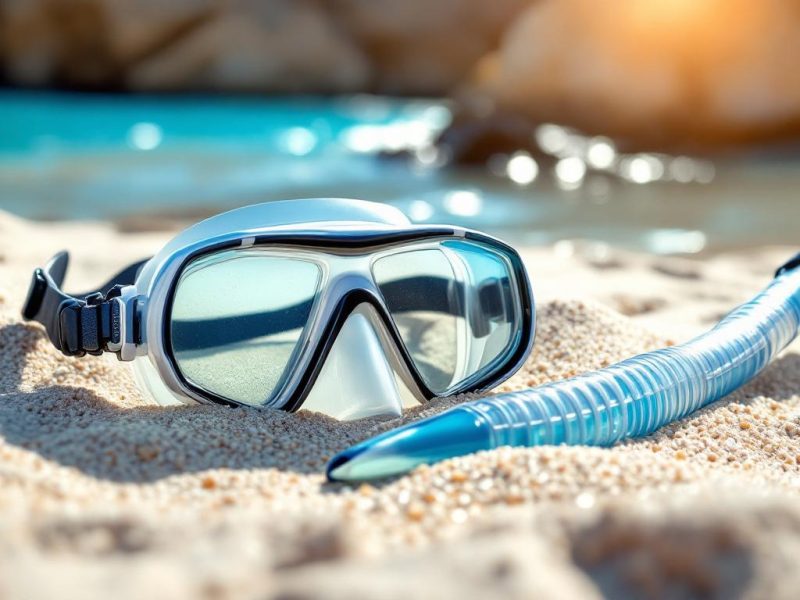
Use only certified, well-maintained equipment. Always take an alternative air supply with you. Before each dive, check:
- Mask, fins and regulator are working properly
- BCD and cylinder are fully functional
- Emergency air is available and within reach
- Signal flares and knife are in place
- Breathing gas is high quality and sufficiently available
Keep a first aid kit with the group. Every dive requires an emergency plan with surface support and medical supervision on standby.
Emergency procedures save lives
Report high-risk dives deeper than nine metres or with strong currents where required. Ensure that a standby diver and medical supervisor are present. Know the emergency procedures of your dive site.
In the event of a diving accident:
- Bring the diver safely to the surface
- Call professional help immediately
- Give oxygen if available
- Keep the diver warm and calm
- Record dive details for medical treatment
Choose dive resorts with PADI standards (PADI is an international diving organisation) or SSI standards (SSI is also an international diving organisation). These organisations apply strict safety requirements.
Local conditions require adjustment
Every dive site has its own challenges. Adapt your planning to currents, visibility and water temperature. Check in advance via resort briefings what you can expect. In tropical areas with strong currents, extra preparation is needed.
For family dives, start with age-appropriate programmes. Build up experience and prioritise child safety. Also check the current coronavirus measures for each destination before you book.
On the Traveler Tips website you will find more information about safe travel, insurance and practical tips for your holiday. Discover how you can prepare even better for your next trip.
Frequently asked questions
Before departure, have a medical diving examination carried out by a diving doctor and make sure it is recent, especially if you are over 50 years old or have had a recent illness, medication or accident. Discuss existing conditions (such as heart and lung disease, asthma, diabetes, ear/sinus problems) and your fitness for the planned depths and conditions. Only go diving if you feel fit, have no respiratory infection, earache or residual symptoms and your medication does not affect your diving. Take the written statement of medical fitness and a good diving accident insurance policy with you when travelling.
Choose a dive school that is affiliated with internationally recognised organisations such as PADI, SSI or CMAS and check that instructors are actively certified. Look at reviews on independent platforms and pay particular attention to comments about safety, equipment maintenance and emergency procedures. On site, ask about the emergency plan, availability of oxygen kits, first aid and the distance to a decompression chamber. Check whether the rental equipment set is complete, recently inspected and visibly well maintained, and preferably do a short check dive first.
At the very least, a travel insurance policy with explicit cover for diving accidents and medical costs is recommended, and preferably an additional (or separate) diving insurance with cover for emergency transport and evacuation, including a decompression chamber. Make sure that diving is not excluded as a “high-risk sport”, check to what depth and type of diving (recreational/technical) you are covered and whether rental equipment and cancellation due to medical unfitness are insured. For repatriation, check whether medical evacuation by speedboat/helicopter and return home is fully reimbursed, without maximum amounts that are too low for treatment abroad. Finally, check whether the insurance offers 24/7 assistance and support on site, especially in remote diving destinations.
Stick to the basic rules: only dive with a valid medical examination and appropriate certification, dive within your training limits and comfort zone and always use the buddy system with a careful buddy check before every dive. Plan your dives conservatively with attention to depth, time and gas, always make a safety stop and limit the number of (repetitive) dives per day. Make sure your equipment is certified, well maintained and complete, including an alternative air source, signalling devices and a first aid kit on the surface. Discuss and know the emergency plan (standby diver, first aid, route to decompression chamber) and take into account travel rules such as waiting times between diving and flying and local conditions such as current, visibility and temperature.
After diving, you need to be extra careful with activities where you are exposed to lower air pressure, such as flying or driving over high mountain passes, because this increases the risk of decompression sickness. As a general guideline: wait at least 12 hours after a single no-decompression dive and 24 hours after multiple dives or decompression dives before flying. For mountain passes (or other large altitude differences) it is wise to observe similar waiting times, especially after deep or repetitive dives. Plan your journey so that your last dive is well before your flight or mountain route.