 NL
NL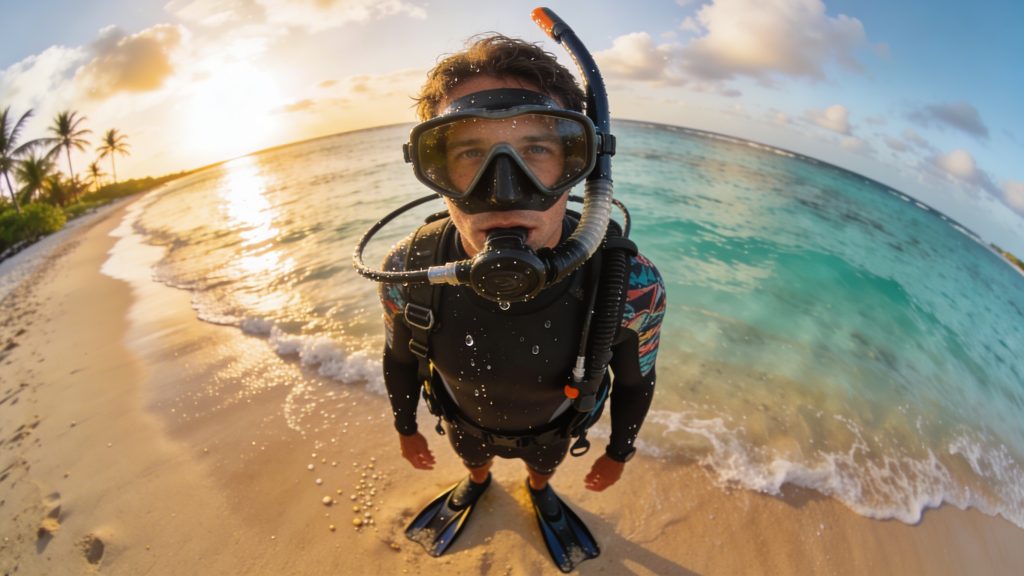
Shore diving offers travelling divers maximum flexibility during a diving holiday: you start directly from the beach without a boat, save time and money, and decide your own schedule. This way of diving is especially popular on house reefs of resorts in destinations such as Egypt or Curaçao, where after a check dive (a guided orientation dive to get to know the site) you can enter the water independently with your buddy. Discover how to shore dive safely and efficiently without a boat operator.
What is shore diving and how it differs from boat diving
Shore diving is a form of diving where you enter the water from the beach or shoreline instead of taking a dive boat out to the dive site. You walk into the water with your kit on, swim out to the reef and return to shore the same way after the dive. This is in contrast to boat diving, where you are tied to fixed departure times and group planning.
The key differences between the two lie in planning, travel time and costs. With shore diving you decide yourself when you dive and how long you stay. You do not have to wait for other divers or rush to make a boat. Nor do you have to share space on a boat or rely on sea conditions that might affect the boat trip. This makes shore diving more accessible for divers who want to explore at their own pace.
The downside of shore diving is that you have to carry your own equipment from the beach to the water and back. This can be tiring, especially over sand. That is why many divers rent lead and cylinders locally to minimise the carrying. Boat diving takes you to sites further offshore, but shore diving gives you more freedom and is often more cost‑effective.
Best locations for shore diving
Several destinations are particularly suitable for shore diving because of their easily accessible reefs and calm coastal conditions. The choice depends on your experience, budget and preferences for underwater nature.
- Bonaire: This destination is known as a paradise for shore divers. The whole island has accessible dive sites that you can explore independently. The reefs are close to shore and suitable for all levels.
- Curaçao: At many dive centres you can dive straight from the beach. The sites offer clear water and varied marine life, with options for both beginners and experienced divers.
- Egypt (Red Sea): Resorts along the Red Sea often have house reefs where, after a check dive, you can dive independently at set times. This is popular with divers who spend several days at the same location.
- Malta and Gozo: These islands offer rocky shorelines with accessible entry points. The clear water and variety of underwater landscapes make them very appealing.
- Zeeland (Netherlands): For those who want to practise close to home, Zeeland offers suitable sites to train skills before you go on holiday.
Many sites have markers or guides showing where you can safely enter the water. Always ask locally about the best entry points and for information on currents and tides.

Safe shore diving for beginner divers
Shore diving is safe if you stay within the limits of your certification and experience. Every diver is primarily responsible for their own safety and that of their buddy. For beginners it is wise to have guidance the first time, so you can get familiar with the location and conditions.
Many resorts and dive centres offer a check dive for shore divers. This is a guided first dive during which you learn where to get in and out of the water, look at the route underwater and discuss any hazards such as current or swell. After this check dive you can usually dive independently with your buddy.
The main risks in shore diving are fatigue from carrying equipment and unexpected conditions such as waves or current. Always assess the weather and water in advance. If the waves are too high or the current too strong, choose another site or postpone the dive. Also plan a back‑up site in case your first choice turns out not to be suitable.
Equipment for shore diving
For shore diving you need the same basic kit as for any other kind of diving: a wetsuit or drysuit, BCD, regulator with alternate air source, cylinder, weights, fins, mask and dive computer. The difference lies in how you get your equipment to the water.
You have to carry everything yourself. So it is sensible to take only what is essential. Some divers opt for lighter equipment or hire heavy items such as cylinders and weights on site. This reduces the strain while walking across the beach.
Additional equipment that is useful for shore diving:
- Surface marker buoy: Makes you visible to boats and other water users when you are on the surface.
- Dive boots or booties: Protect your feet when walking over rocks or uneven ground.
- Emergency kit: Such as a whistle and safety mirror for emergencies.
- Waterproof bag or dry bag: To keep personal belongings dry at the entry point.
Before every dive, check that your equipment is properly maintained. Carry out a full buddy check (the safety check divers perform on each other before the dive) in which you inspect the fastenings, weights, alternate air source, BCD and cylinder band. Test the alternate air source by breathing in and out calmly through it.
Preparation for independent shore diving
Good planning is the foundation of safe shore diving. Make a dive plan in advance setting out the dive site, maximum depth, bottom time, safety stop and emergency procedures. Discuss this plan with your buddy and make sure you both have the same information.
First explore the dive site without equipment. Walk the route to the water, look at the entry and exit points and note obstacles such as rocks or areas with strong surf. This helps you decide the best way to get in and out of the water. At sites with swell or waves, wait for calmer periods between sets of waves before entering the water.
Practical steps for preparation:
- Check the weather forecast and water conditions such as current, wave height and visibility.
- Set your maximum depth based on the lowest certification level in your buddy pair.
- Agree on underwater communication and the return route.
- Make sure you have enough gas for the planned dive plus a reserve buffer for both you and your buddy.
- Contact local dive centres for up‑to‑date information about the site and any particular points of attention.
During the dive stick to the planned profile. At five metres depth always make a three‑minute safety stop, unless your gas reserve is insufficient for both you and your buddy. Always stay close to your buddy and follow the agreed route.
Practical tips for shore diving
Shore diving becomes easier as you build up more experience at a site. Divers who regularly dive on the same house reef keep discovering new details and get to know the marine life better. This makes every dive more interesting.
To make carrying your equipment easier, you can bring your BCD and cylinder to the waterline first and only put them on there. That way you do not have to walk across the whole beach with the full weight. Just make sure your kit is lying safely and cannot be taken by the waves.
When breaking through the surf, stay low and use strong fin kicks to move through the water. Timing is important: wait for a calm period between bigger waves. When exiting, look ahead at the next wave and get ready either to brace yourself or to walk on quickly.
Be mindful of your energy levels. Shore diving demands more physical effort than boat diving because of carrying gear and wading through the water. Take enough rest between dives and stay well hydrated. Overexertion increases the risk of fatigue and mistakes.
Discover more on Traveler Tips
On the Traveler Tips website you will find much more information about planning trips where you stay in control. From practical tips for planning routes to in‑depth guides on destinations and activities. Find out how to prepare your next trip even better and get more out of your holiday.
Frequently asked questions
For comfortable and safe shore diving you need well‑fitting, well‑maintained basic dive gear (exposure suit appropriate for the water temperature, BCD, regulator set, sufficient weight, mask, fins, dive computer and a surface marker buoy with line). In addition, make sure you have emergency and navigation equipment such as a knife or line cutter, torch (useful even during the day), whistle and/or signal mirror and preferably a backup gas source in line with your training. Prepare by scouting the site on foot beforehand, checking tide, weather and current information and making a clear dive plan with buddy and emergency procedures. Finally, practise your entry and exit techniques in surf, make clear buddy agreements and stay strictly within the limits of your certification and experience.
The most accessible and beautiful shore‑diving locations for a car or road trip are often places with easily reachable house reefs and dive centres directly on the beach, such as Curaçao and certain coastal towns in Egypt. In Europe, Zeeland and other well‑connected coastlines are especially popular for shore diving because you can easily drive to just near the entry point. When planning your route, look for dive sites with clear entry and exit points, parking close by and dive centres on site for air fills and local briefings. Combine several shore‑dive sites along the same stretch of coast to create a logical road‑trip route.
Always ask a local dive school or guide about permitted dive sites, entry and exit points, protected areas and any permit or parking rules. On site, check tide, current, surf and visibility, and choose an alternative site if conditions are at or beyond your personal limits or those of your buddy. Make a clear dive and emergency plan in advance (including maximum depth according to the lowest certification, gas management, route and exit) and perform a full buddy check. At unfamiliar sites, it is best to start with a guided dive, respect the environment and other water users, and stay conservative in your limits.
Optimise your shore dive by scouting the site on foot beforehand, identifying entry and exit points and making a clear dive plan with your buddy. Match your equipment to the conditions (correct weighting, not too much kit, sufficient gas and a thorough buddy check) and choose calm moments between waves for entering and exiting. Reduce fatigue and increase comfort by hiring weights and cylinders locally and keeping your walking distance with full kit as short as possible. After the dive, rinse yourself and your gear with fresh water, eat and drink enough, record your dive in your logbook and briefly evaluate with your buddy what went well and what you would like to do differently next time.
Plan multiple shore dives in a row at one house reef or beach site so you do not need extra travel time or boat trips and you get to know the area better and better. Combine dive times with quieter spots in your travel schedule (for example early in the morning) to avoid crowds and waiting times. Arrange equipment, cylinders and possibly weights at a local dive centre on the beach to limit lugging kit around and transport costs. Stick to a consistent dive plan with buddy checks, safety stop and a back‑up site so you can dive efficiently and safely without compromising on quality.