
 NL
NL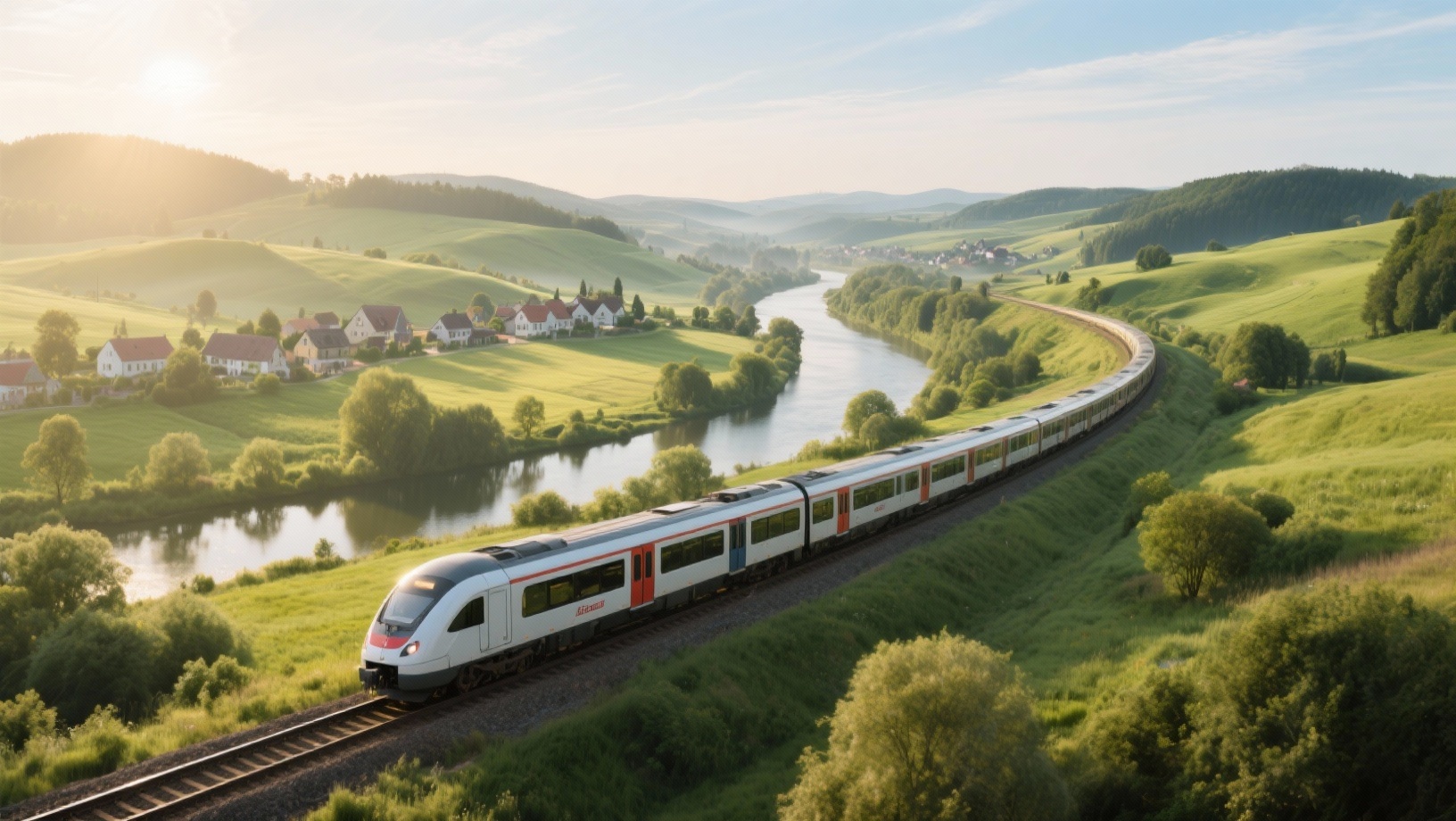
Central Europe by train: discover the heart
A train holiday through Central Europe is a wonderful way to experience the rich diversity of this continent. The rail network connects historic cities, unspoilt nature and hidden gems in a comfortable, sustainable and often surprisingly affordable way. The landscape glides past your window and you step off right in the heart of Prague, Budapest and Ljubljana. The secret of a successful trip lies in the preparation, and with the right planning your rail adventure becomes an unforgettable experience full of cultural discoveries. Curious how to put together your ideal route? Read on and discover the art of smart train travel.
The charm of travelling by rail is the journey itself. While the train effortlessly takes you from one destination to the next, you enjoy panoramic views you would never see from a plane. If you are considering a sustainable and relaxing alternative to flying, our extensive resources on train holidays offer plenty of inspiration to plan your next adventure.
The charm of Central Europe by train
Exploring Central Europe by train is an experience in itself. The region, with countries such as the Czech Republic, Hungary, Slovenia and Croatia, offers a unique mix of cultures and landscapes that flow seamlessly into one another. The train serves as a red thread linking these diverse destinations. You travel from the Gothic splendour of Prague via the rolling hills of Bohemia to the grand boulevards of Budapest. You also continue on to the green, mountainous landscapes of Slovenia and end your journey on Croatia’s sun-drenched Adriatic coast. Each leg reveals a new perspective, from wide open fields and dense forests to picturesque villages and vibrant metropolises.
‘ Apps from national railway companies such as Deutsche Bahn (DB), ÖBB (Austria) and ČD (Czech Republic) are indispensable. ’
Planning your route: essential preparation tips
Good preparation is half the work. Start by mapping out a rough route. Do you want to focus on the big cities or escape into nature instead? Apps from national railway companies such as Deutsche Bahn (DB), ÖBB (Austria) and ČD (Czech Republic) are indispensable. For a flexible trip through several countries, an Interrail Global Pass is often a good-value option. Reserve seats for popular routes and night trains well in advance, especially in high season. As for luggage: travel light. A suitcase of up to 20 kg and a backpack are ideal. That way you stay mobile and move easily through stations.
Train travel in the Czech Republic: fairytale towns and landscapes
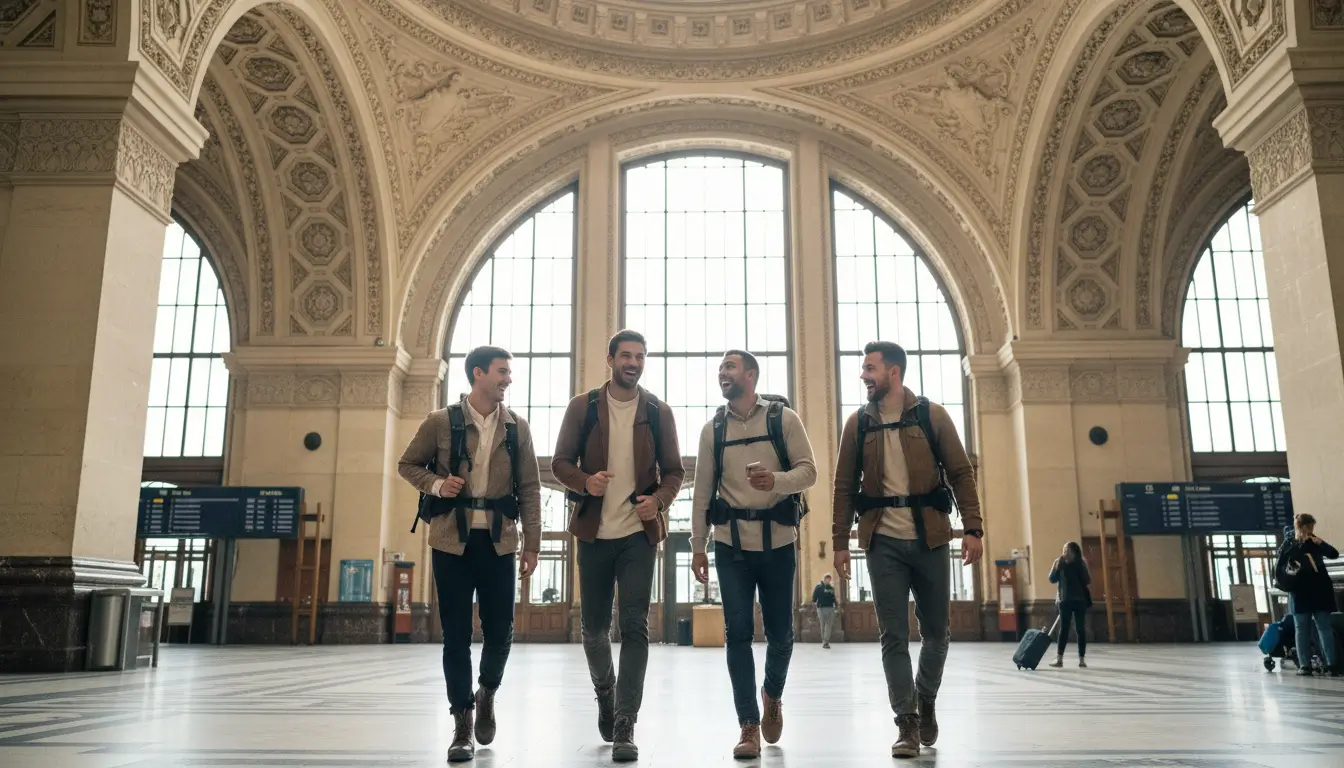
The Czech Republic is a fantastic country to discover by train. Prague, with its historic centre and iconic Charles Bridge, serves as the central hub. From the main station, Praha hlavní nádraží, you have excellent international connections to cities such as Berlin, Vienna and Budapest. The trains are generally modern and comfortable. Ticket prices are attractive, especially if you travel outside peak times or book in advance. Lesser-known cities such as Olomouc and the beautiful Bohemian countryside are also easy to reach by regional train.
Train travel in Hungary: the pearl of the Danube and beyond
Budapest is Hungary’s undisputed star and an important rail hub in Central Europe. From the beautiful Keleti and Nyugati stations, international trains depart to all corners of the region, including direct connections to Bratislava, Zagreb and even Belgrade. Vienna and Budapest are linked by a classic route offering a comfortable journey of about 2.5 hours. Travelling by train within Hungary is affordable and an efficient way to see the country. Consider, for example, a day trip to Lake Balaton, the largest lake in Central Europe.
‘ The train route from Ljubljana to Lake Bled is particularly scenic and highly recommended. ’
Train travel in Slovenia: green and adventurous by rail
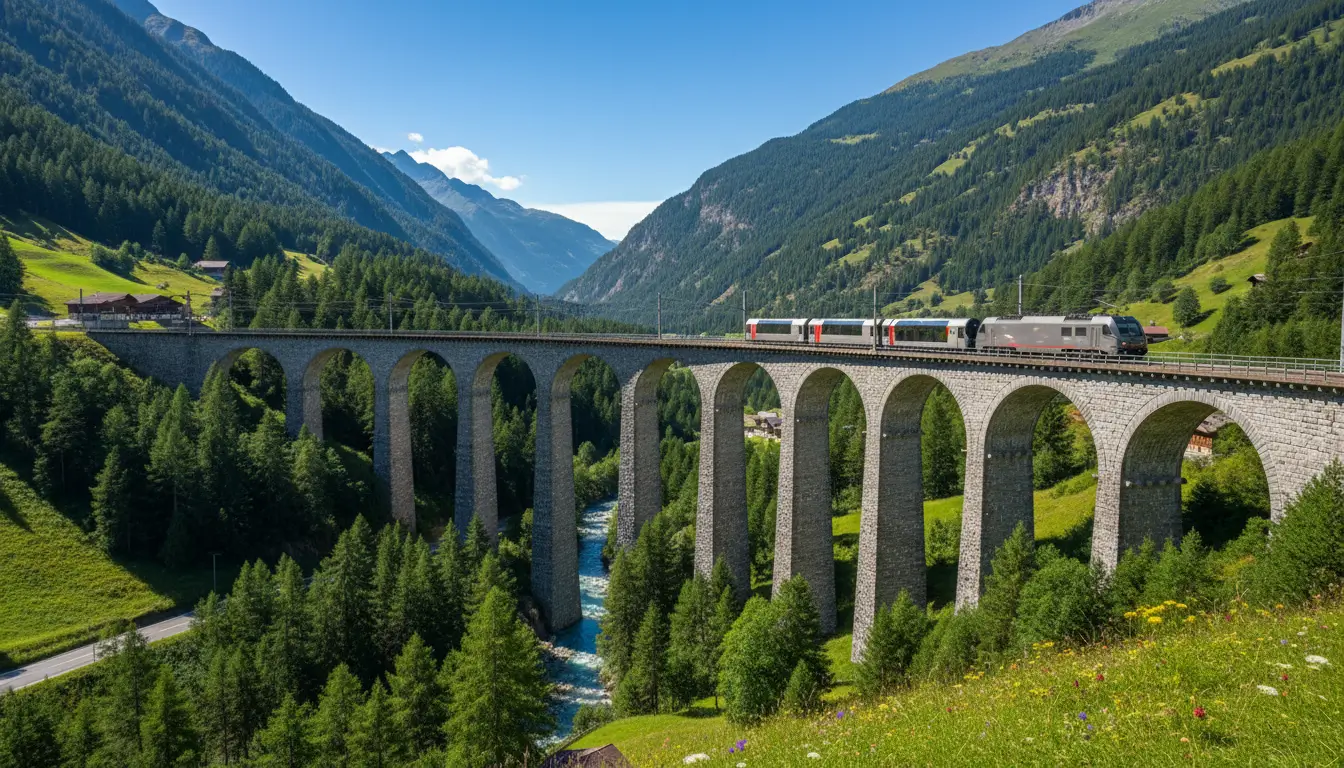
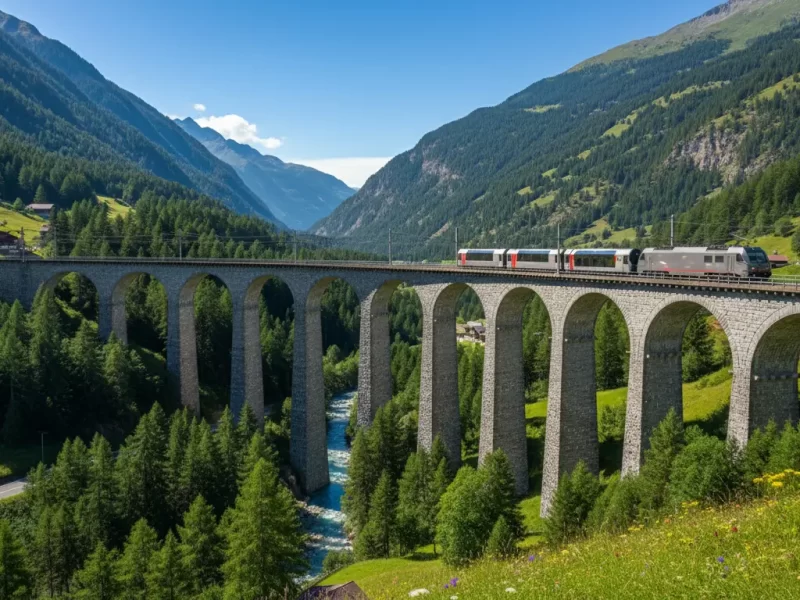
Slovenia is a country of breathtaking nature and the train is a perfect way to cross this green landscape. The capital Ljubljana is a charming and compact hub with good connections to neighbouring countries. The train route from Ljubljana to Lake Bled is particularly scenic and highly recommended. The journey through the Julian Alps also offers spectacular views. The main sights are easy to reach, even though the rail network is less extensive than in neighbouring countries. Ticket prices are reasonable and the trains are clean and punctual.
Train travel in Croatia: from culture to coastline
In Croatia, Zagreb is the main railway station. From here there are good connections to cities such as Ljubljana, Budapest and Vienna. While the train is an excellent way to explore the interior, the rail network to the popular coastal towns on the Adriatic Sea is more limited. A combination of train and bus is usually the best option to reach destinations such as Split or the Plitvice Lakes. Ticket prices are comparable to those in other countries in the region. An overnight train from Zagreb to Split in the summer months is a popular and efficient way to reach the coast.
Night trains: comfortably asleep across Central Europe
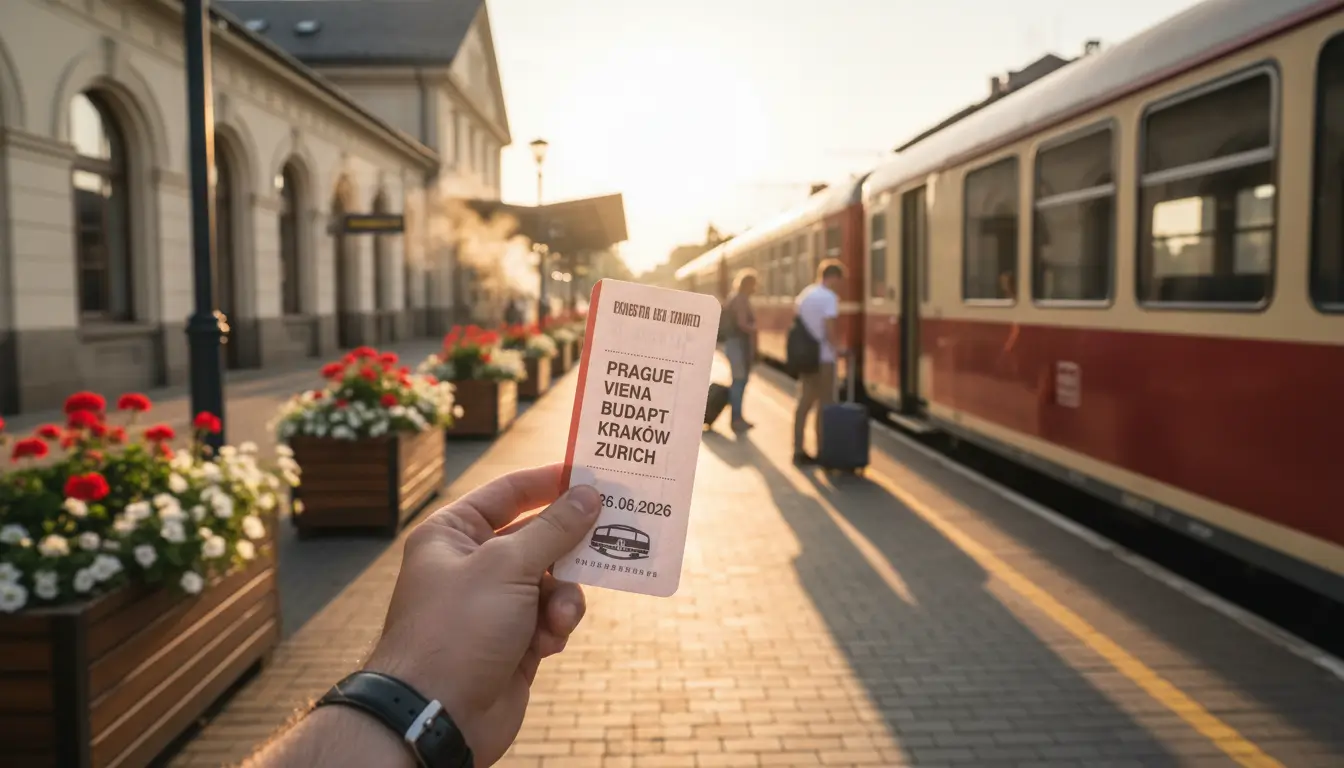
Night trains are a smart and comfortable way to cover long distances. You save a night in a hotel and arrive at your destination in the morning feeling rested. Popular night train routes link cities such as Prague with Kraków, Budapest with Berlin and Vienna with Bratislava. The European Sleeper, for example, offers a connection from Brussels to Prague. Book your compartment (couchette or sleeper) well in advance, as they sell out quickly. Take earplugs and an eye mask for extra comfort and enjoy the adventure of travelling while you sleep.
‘ Overall, travelling by train in Central Europe is very affordable, especially compared with Western Europe. ’
Smart budgeting: rail passes, tickets and price levels
Whether a rail pass such as the Interrail Pass is cheaper than individual tickets depends on your travel plans. Make an overview of the journeys you plan to take and compare the costs. For a trip with many and long legs through several countries, a pass is often the best deal. If you are only travelling between a few cities, individual tickets booked in advance are usually cheaper. Overall, travelling by train in Central Europe is very affordable, especially compared with Western Europe. Meals and drinks also tend to be cheaper, which benefits your overall travel budget.
Practical tips on the road: travelling comfortably and with peace of mind
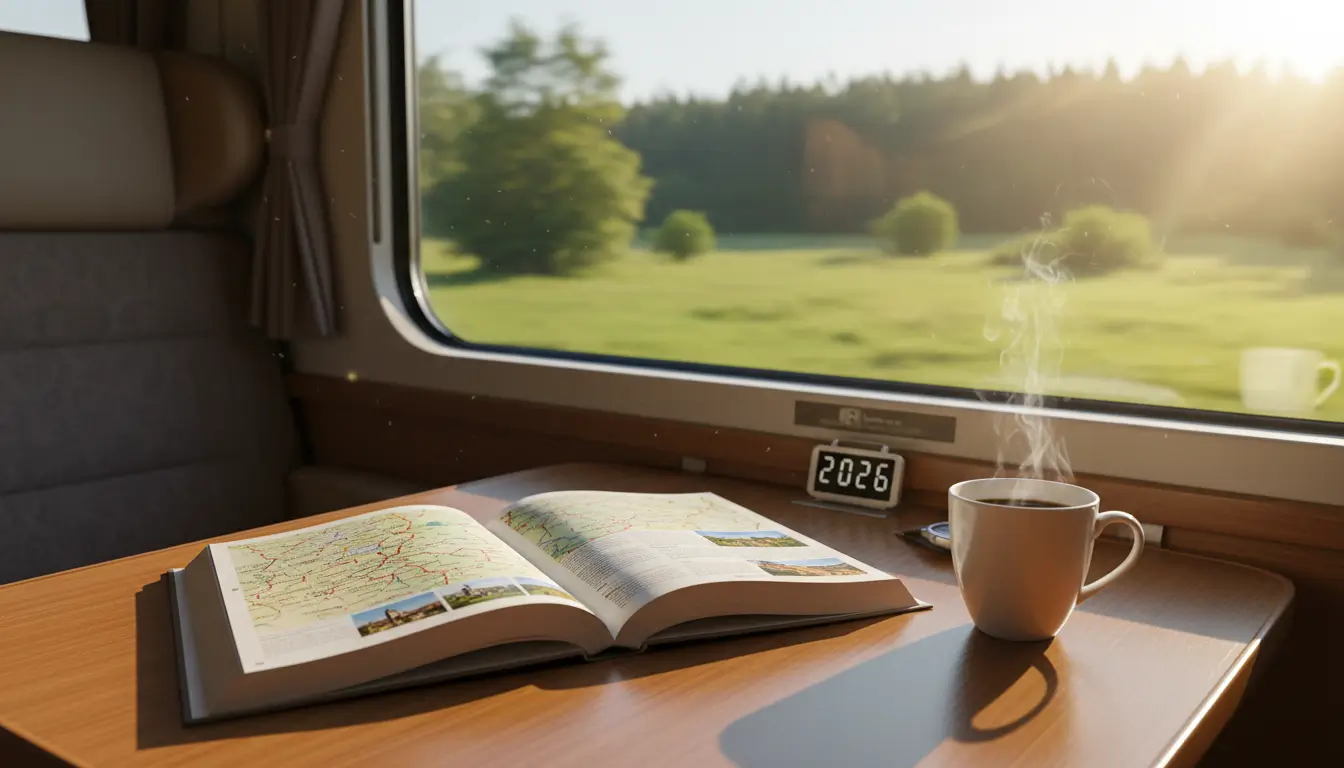
Here are a few tips for a smooth journey. Download the apps of the relevant railway companies and the Eurail/Interrail Rail Planner app for up-to-date travel information. Take a reusable water bottle and some snacks for on the way. Although most international trains have a dining car, the choice is sometimes limited. Keep a close eye on your luggage at stations, especially in crowded places. Learn a few basic words in the local language, such as ‘hello’ and ‘thank you’; it is always appreciated.
Inspiring routes and highlights
Be inspired by tried-and-tested routes. A classic city-trip route is, for example, Berlin – Prague – Vienna – Budapest. This route of around two weeks gives you a great impression of the imperial history and the vibrant atmosphere of these metropolises. For nature lovers, a route such as Munich – Innsbruck – Ljubljana – Lake Bled – Zagreb is a fantastic option, combining the Alps with Slovenia’s green landscapes. Do not be afraid to stray from the beaten track and visit lesser-known places such as Bratislava or the High Tatras in Slovakia.
‘ Prepare for changeable conditions by packing layers of clothing and check in advance whether certain mountain routes are closed. ’
Climate and best time to travel by train
The climate in Central Europe varies by season and influences your travel experience. The summer months (June to August) offer warm weather and long days, ideal for sightseeing, but expect crowds on popular routes and higher prices. Spring and autumn (April–May and September–October) combine pleasant weather with fewer tourists and often lower fares. Winter (November to March) brings cold temperatures and snow in the mountains, but also enchanting Christmas markets and cheap tickets. Prepare for changeable conditions by packing layers of clothing and check in advance whether certain mountain routes are closed.
Meet locals and experience authentic culture
Travelling by train offers unique opportunities to connect with local people in a way that flying never can. On regional trains and less touristy routes, you often sit next to people commuting daily or visiting family. A smile and a few basic words in the local language open doors to spontaneous conversations about secret spots, food tips and cultural customs. Visit local markets near railway stations to sample fresh produce and avoid tourist traps. Join free walking tours in cities such as Prague or Budapest, led by locals who are passionate about their city. These authentic encounters and experiences make your journey memorable and give you insights no guidebook can offer.