 NL
NL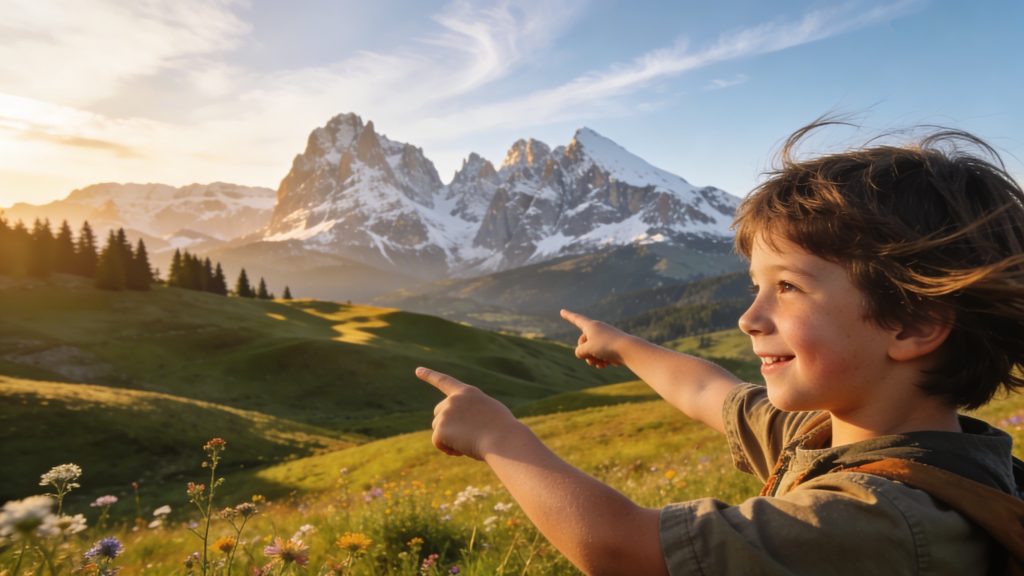
Seasonal nature trips with the family offer a different atmosphere at every moment of the year: from summer walks through alpine meadows to autumn mushroom hunts and winter snowshoe hikes. By tailoring your trips to the season, children experience nature at its most beautiful and most educational. Discover how to make the most of every season for unforgettable outdoor moments with your family.
Why seasonal nature trips give you more
Every season offers unique natural phenomena that your children would otherwise never experience. In spring you see flowering fields and young animals, while autumn dresses forests in colourful leaves and mushrooms. By consciously choosing seasonal activities, you increase children’s engagement with nature. They learn how ecosystems work and develop respect for the outdoors.
Seasonal planning also has practical advantages. In every season you benefit from the best possible weather: long days in summer for extended walks, mild temperatures in autumn for comfortable outings, and snow in winter for playful activities. On top of that, many destinations are quieter and more affordable outside the high season.
‘ “This combination of physical activity and cosiness makes spring ideal for those first nature adventures.” ’
Spring: discovery walks among flowers and streams
Spring transforms nature into a vibrant environment that perfectly matches children’s curiosity. Fields burst into bloom, forests turn green and birds are singing everywhere. This season is perfect for gentle walks where children actively search for spring flowers and young animals.
In spring, opt for nature holidays with children in the Dutch hills or the Lower Alps. Hut-to-hut treks with short stages of 4 to 6 hours are suitable for children from around 6 years upwards. You stay overnight in simple mountain huts where stories by the campfire end the day. This combination of physical activity and togetherness makes spring ideal for first adventures in nature.
From a practical point of view, spring calls for flexibility. Always pack waterproof jackets for unexpected showers. Start with short day hikes of up to 10 kilometres to test your children’s fitness. Treasure hunts for flowers and streams also help keep the youngest walkers motivated.
Summer: intensive mountain hikes and long days
Summer offers the longest days and the most stable weather for extended nature trips. This season is perfect for organised hut-to-hut treks of 5 to 8 days in the Alps, Pyrenees or Scandinavia. Routes are tailored to various ages, from young children of 6 to teenagers of 16.
You walk through alpine meadows, pass glaciers and spot wildlife along the way. Daily altitude differences are kept to a maximum of 500 metres, which is manageable for children. Accommodation ranges from basic huts to comfortable mountain huts with play areas. This creates a mix of challenge and relaxation.
For summer hikes, take walking poles to take the strain off your children’s knees. Plenty of snacks and water are essential on longer stages. These trips build team spirit within the family: together you overcome daily challenges and share impressive views.
Autumn: colourful forests and educational walks
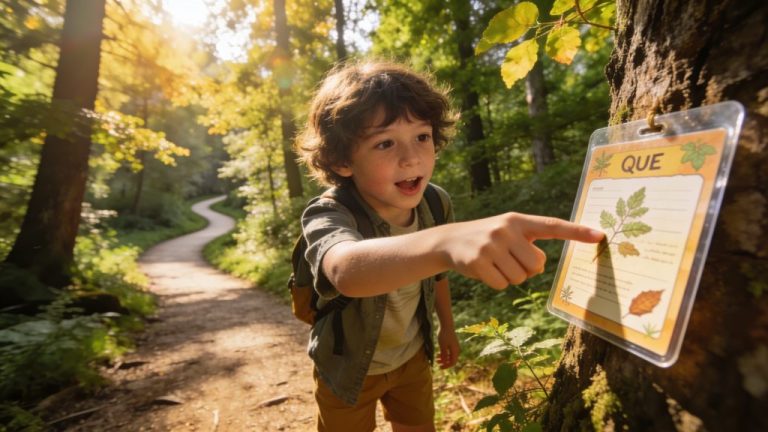
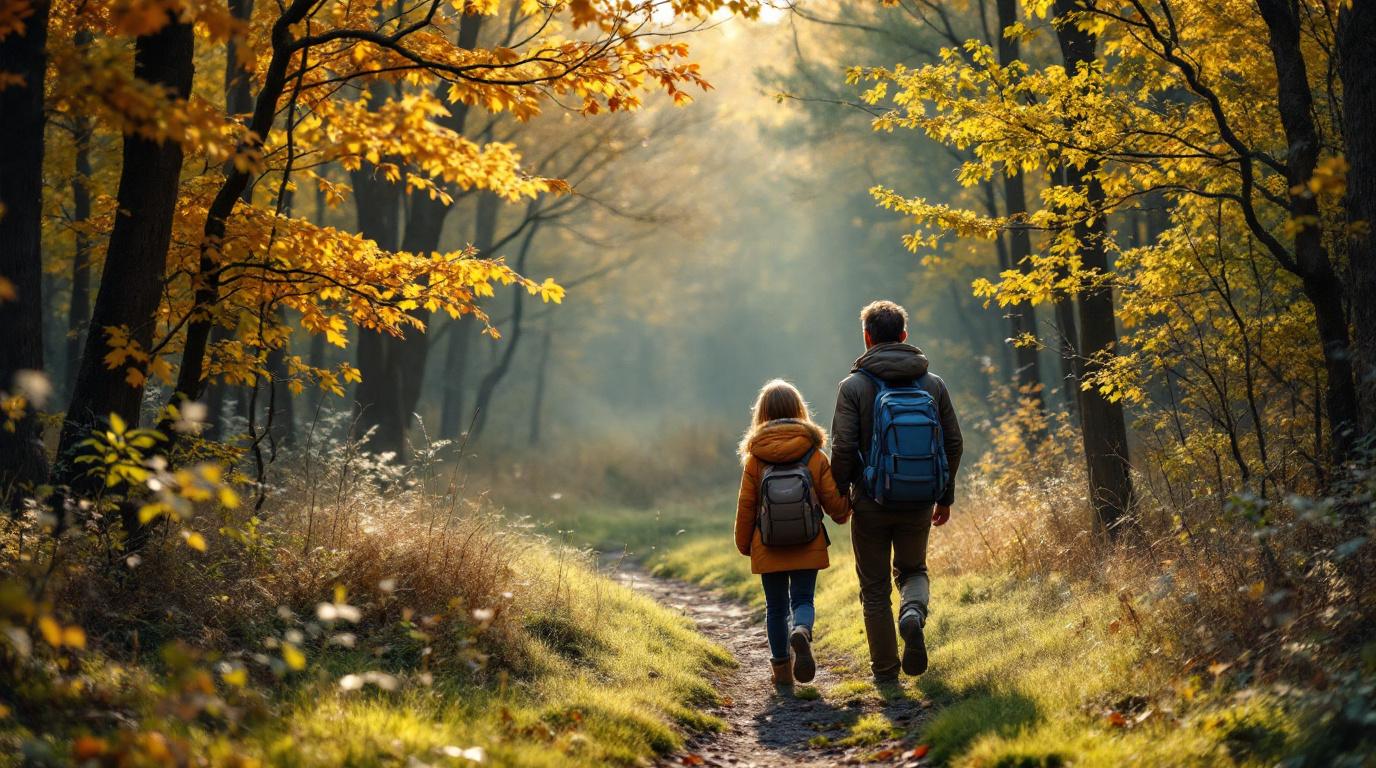
Autumn turns forests and lakes into a colourful landscape that fascinates children. This season is ideal for quieter outings where you let children collect leaves, observe mushrooms and discover small water creatures. Temperatures are mild enough for comfortable walking without the summer heat.
Choose autumn walks in Dutch nature reserves or the Bavarian Mountains and Lakes. Group activities such as forest walks and canoeing combine exercise with education. Midweek trips are cheaper and quieter at this time of year, perfect for families who can travel outside school holidays.
- Collect coloured leaves for educational projects at home
- Teach children to recognise mushrooms safely without touching them
- Observe how animals prepare for winter
- Enjoy a hot chocolate as a reward after a walk
Autumn calls for layered clothing that you can easily put on and take off. Temperatures fluctuate throughout the day, especially in mountainous areas. Waterproof shoes are important because paths are wetter than in summer.
‘ Good preparation is what determines success in winter. ’
Winter: snowy adventures in a white world
Winter trips with snow offer a fairy-tale setting that children would not experience otherwise. Snowshoe hikes and gentle winter walks in Scandinavia or the Alps let children discover a quiet, white natural world. Guides teach your children to recognise animal tracks in the snow.
Winter walking trips in small groups are suitable for children from 8 years upwards. Routes remain short and safe, with stops for stories and hot drinks. Some trips offer special overnight stays such as igloos, which heighten the experience. Sledging and snowball fights in between keep energy levels high.
Good preparation is what determines success in winter. Dress your children in layers: thermal underwear, an insulating mid-layer and a waterproof outer layer. Take flasks with hot drinks and energy-rich snacks. Gloves and hats are a must, even for short walks.
Practical preparation for seasonal trips
Your children’s fitness determines which trips are realistic. Test this at home with day walks of about 10 kilometres to get a realistic picture. Travel organisations tailor routes to ages between 6 and 16, but individual differences remain large.
Invest in good equipment suited to the season:
- Sturdy walking shoes with good grip and ankle support
- Backpacks sized for children, weighing no more than 10% of their bodyweight
- First aid kit with blister plasters and painkillers
- Seasonal layered clothing that you can adjust
Budget and booking timing vary by season. Dutch nature trips cost from around 200 euros per person for a midweek. European hut-to-hut treks range between 800 and 1,500 euros per family. Book early for popular periods such as the summer and autumn school holidays.
Travelling sustainably with respect for nature
Teach your children to respect the outdoors during nature trips. The ‘leave no trace’ principles are easy to put into practice: take all your rubbish with you, stay on marked paths and do not touch wild animals. These rules turn every trip into a learning moment.
Choose travel organisations that take nature conservation seriously. They use local guides, limit group sizes and avoid vulnerable areas. This way you can enjoy nature without damaging it. Your children see that travel and nature conservation can go hand in hand.
At Traveler Tips you can find more information about nature destinations, equipment and planning for every season. Discover practical routes, reliable tips and inspiration for your next family trip in nature.
Frequently asked questions
The most suitable seasonal nature trips for families are short hut-to-hut treks in spring and summer, and gentle autumn walks around forests and lakes, because the daily stages and activities are specifically tailored to children of roughly 6–16 years. For comfortable car travel, keep driving days to a maximum of 3–5 hours, stay overnight close to the start of the walking route and build in plenty of breaks with play or picnic stops. If you are travelling by train, choose destinations with good bus or mountain railway connections to the start of the route and plan to arrive a day earlier so everyone can acclimatise. Integrate the trips into your travel schedule by including a rest day with a lake, playground or village every 2–3 walking days and by booking child-friendly accommodation (huts, holiday homes) along the route in advance.
In spring: layers, waterproof jacket and wellies, small backpack with water bottle, binoculars and jars/magnifying glass for bugs. In summer: lightweight UV-protective clothing, hat/cap, swimwear, sunscreen, lots of water and snacks, plus a first aid kit and insect repellent. In autumn: warm, waterproof layers, high shoes or boots, extra socks, rain cover for the backpack, penknife, bag for leaves/pine cones and a flask with a hot drink. In winter: thermal clothing, snow boots, waterproof gloves/hat/scarf, handwarmers, hot drinks, spare socks and possibly a sledge or snowshoes.
Explore which nature trips suit your family in each season: in spring, short hut walks and treasure hunts for spring flowers; in summer, longer hut-to-hut treks in mountains with child-friendly stages; in autumn, colourful forest walks and lakes; and in winter, snowshoe or winter walks. Focus on regions where that particular season is at its best (for example the Alps/Pyrenees in summer and winter, the Bavarian mountains and Dutch forests in autumn, the lower Alps or hills in spring). The best times are school holidays within that season, preferably outside the absolute peak weeks for more peace and better prices. Choose organised family group trips with guides and child-focused activities for an optimal, worry-free experience.
Where possible, use the train or bus to a nearby village and then take a short taxi ride or shuttle bus to the starting point of the walk; this way you avoid crowds and expensive mountain passes. If you are travelling by car, park at official park-and-ride sites or designated car parks at cable cars, mountain huts or nature car parks, where there are often toilets, picnic areas and sometimes playgrounds. For families, routes with mountain huts or nature campsites along the way are the smartest option: you can shorten stages, take shelter from bad weather and children have space to play. Check in advance whether there are family-friendly facilities such as highchairs, hot drinks, simple meals and possibly an indoor play area.