 NL
NL
The driving routes in Belgium prove that you don’t need thousands of kilometres for a successful road trip. From the expansive coastline and the hills of the Flemish Ardennes to the historic cities and the creek landscapes. Belgium offers a surprisingly varied scenery in a compact area. Discover here how good planning helps you get the most out of a driving holiday and reveals the country’s most characteristic places.
The Flemish coastal route: from De Panne to Knokke-Heist
A road trip along the Belgian coast is an excellent way to experience the diversity of the region. The route from De Panne to Knokke-Heist combines nature, culture and relaxation, with a detour to historic Bruges. Start the journey in De Panne, known for its wide sandy beaches and dune reserves. Then drive via Koksijde and Ostend, where you can stop for fresh fish on the Visserskaai or visit the James Ensor House.
A recommended detour is to De Haan, a seaside resort that has managed to preserve its Belle Époque charm. The Concessie district, with its distinctive villas and winding avenues, is a protected village view. From De Haan it is only a short diversion to Bruges. Park the car outside the centre and explore the medieval city on foot or by boat. The historic market square, the Belfry and the Rozenhoedkaai are must-see stops.
The route ends in upmarket Knokke-Heist. In addition to luxury shops and art galleries, you will find the Zwin Nature Park here. This nature reserve on the border with the Netherlands attracts more than 100 bird species. The total route is flexible, but allow at least two days to visit the main sights at a relaxed pace.
‘ Although the route is driven by car, it’s a good idea to take a bicycle with you. ’
In the tracks of the pros: the Tour of Flanders driving route
For those who enjoy a sporting challenge and rolling landscapes, the Tour of Flanders driving route is an excellent choice. This route through the Flemish Ardennes follows the course of the legendary cycling classic. It is ideal for a long weekend of three to four days and covers around 120 kilometres. The starting point is Oudenaarde, home to the Tour of Flanders Centre.
From Oudenaarde you drive through a landscape of hills, cobbled sections and picturesque villages. Along the way you will find iconic climbs (the Oude Kwaremont, the Paterberg and the Muur van Geraardsbergen). Although the route is driven by car, it’s a good idea to take a bicycle with you. That way you can experience for yourself what it feels like to tackle these thigh-burners. In spring the region is in full bloom, which makes the trip even more colourful.
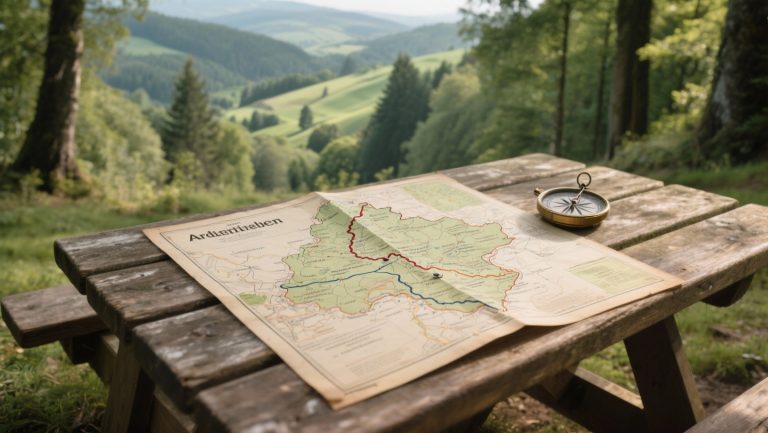
Plan stops in villages such as Ronse, Zwalm and Geraardsbergen. Enjoy a locally brewed beer on a terrace and soak up the atmosphere of Flemish cycling. A detailed map or GPX file of the route can be found online. This helps you navigate the small, often hidden roads that make the route so special.
Practical planning for the Tour of Flanders trip:
- Day 1: Arrival in Oudenaarde. Visit the Tour of Flanders Centre and explore the historic market square.
- Day 2: Drive the eastern part of the route. Climb the Muur van Geraardsbergen and explore the Zwalm valley.
- Day 3: Explore the western part with the Oude Kwaremont and the Paterberg. A bike ride is a great option here.
- Day 4: Visit Ronse and enjoy the hilly landscape one last time before starting the journey home.
From Antwerp to Bruges: through polders and creeks
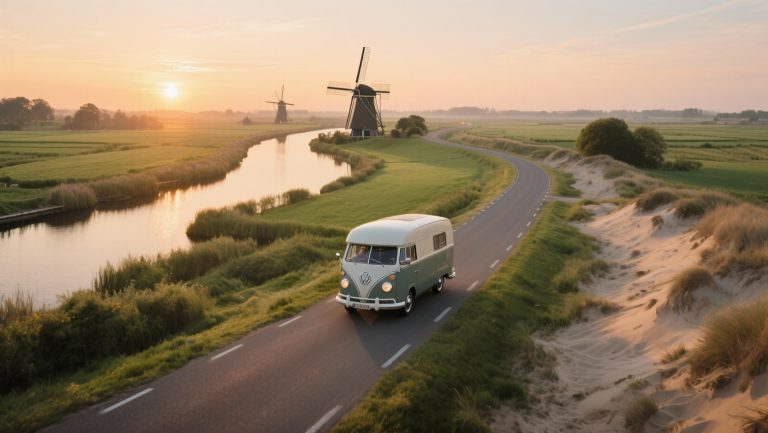
A lesser-known but equally attractive route connects the cities of Antwerp and Bruges via the Meetjesland and the creek area. This trip of around 160 kilometres leads through a unique landscape of polders, dykes and ponds. The battle against the water shaped this landscape. It is a quiet route that can be driven in one or two days.
Start in Antwerp and drive west along the Scheldt. Via Sint-Niklaas and the land of Reynard the Fox you reach the Meetjesland. This area, located between Ghent and Bruges, is known for its creeks. These waterways are remnants of past floods and now form a tranquil backdrop for the drive. Visit the Creek Area of Eeklo and Sint-Laureins, where you can take a variety of walks along the water.
An interesting stop is the route along the Disappeared Zwin Harbours. With the help of VR viewers at several locations, you can see what this area looked like in the Middle Ages. At that time the Zwin channel was still an important trade route. The route is about 80 kilometres long and combines history with modern technology. The trip ends in Bruges, where you can enjoy the peace of the countryside in a lively, historic setting.
Smart travel in Belgium
Good preparation makes a road trip through Belgium more enjoyable. The roads are generally good, but especially on the smaller N-roads and in the Ardennes they can be narrow and winding. Avoid traffic around the major cities during rush hour. It’s sensible to download a route in advance by using an app such as RouteYou or Google Maps. This is particularly important in rural areas, where reception can be less reliable. Book accommodation in advance, especially in high season, to avoid surprises. Whether you choose the coast, the hills or the polders, Belgium has something to offer every car enthusiast.
On the Traveler Tips website you’ll find plenty more inspiration and practical guides for your next trip. Discover detailed routes, tips for planning a road trip and information about popular destinations at home and abroad. Let this information inspire you and start preparing your next adventure today.
Frequently asked questions
Belgium offers various driving routes with stunning landscapes and unique cultural experiences. The coastal route from Ostend to Brussels combines beaches and art nouveau, while the Flemish Ardennes route leads through picturesque villages and over famous cycling climbs. For more adventurous drives there are the Ardennes routes, such as the Semois Valley–Bouillon route with castles and river cliffs, and the Ourthe route with valleys and rock formations. In addition, the East Cantons offer routes through the High Fens and the 1,000 Bends drive through little-known regions.
To travel comfortably and avoid crowds when planning driving routes, it’s advisable to avoid weekends on N-roads and to use real-time traffic information via apps such as Waze or RouteYou. Book accommodation in advance, especially in popular areas such as the Ardennes or along the coast. Consider travelling in the shoulder seasons to dodge the busiest periods and enjoy particular highlights such as blossom in spring. For winding roads, especially in the Ardennes, hiring an SUV can provide extra comfort.
Think of beach breaks and fish in Ostend, art and architecture in De Haan, and the canals of Bruges along the coastal route. Enjoy local specialities such as beer tastings in the Zenne Valley and Dinant, and discover the caves of Han and mountain biking routes in Houffalize. Explore historic harbours with VR viewers in the Meetjesland and the cycling climbs of the Flemish Ardennes with blossom in spring.
For a road trip in Belgium it is essential to download routes in advance via Routen.be or RouteYou and to avoid busy N-roads at weekends. Allow for a daily budget of €50–100 excluding fuel and book accommodation in good time. Be aware of toll roads, such as the Liefkenshoek Tunnel, and install charging apps if you are driving an electric car. Consider an SUV for comfort on winding roads in the Ardennes and plan your trip in spring for the blossom.
Yes, there are several thematic driving routes available that cater to specific interests. For example, there are routes along the Belgian coast focusing on architecture and First World War sites, routes through the Flemish Ardennes known for their cycling climbs and picturesque villages, and routes through the Ardennes and Wallonia offering adventurous drives through green valleys and past castles. There are also routes in the East Cantons focusing on nature and viewpoints, such as the High Fens. These routes are ideal to plan based on your starting point and the weather, and include stops at sights, natural areas and local specialities.