NL
NL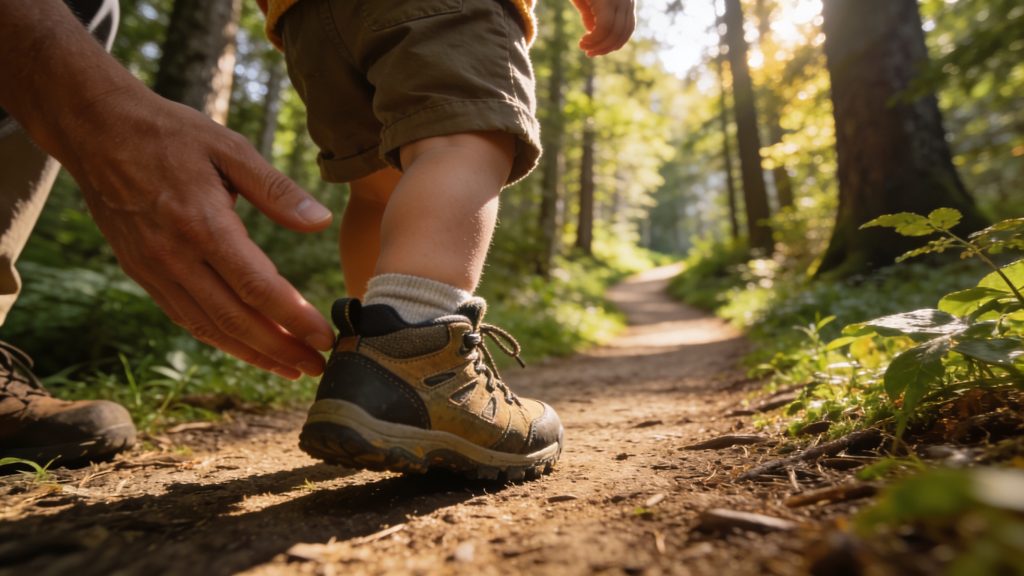
Walking, camping or playing in nature with young children calls for thoughtful preparation so that small risks do not turn into major problems. A complete first aid kit, weather-appropriate clothing and clear agreements about what to do if someone gets lost are essential. With the right measures you can really enjoy nature holidays with children. Read on for concrete, practical tips to help you head out safely and with peace of mind.
What should go in your first aid kit for nature holidays?
A complete first aid kit is the foundation of every nature holiday with young children. Think of standard plasters and bandages, plus specific items for outdoor adventures. This helps prevent a small cut or bite from escalating into a medical problem.
Top up your first aid kit with these items:
- Plasters in different sizes, sterile bandages and bandage scissors
- Tick remover for quick and safe removal of ticks
- Paracetamol or another painkiller in a child-appropriate dose
- Anti-itch gel or cream for insect bites and itching
- Whistles, one per child, for emergencies or if a child gets lost
- Disinfectant and cotton buds
Always keep the first aid kit within easy reach. On walks, during camping evenings or a day at the beach: you don’t want to spend time searching when something happens. Check the contents before you leave and replace anything that is missing or out of date.
What clothing and footwear are suitable for young children in nature?
The right clothing protects against changeable weather and injuries. It also helps prevent insect bites. Choose functional layers that you can quickly put on or take off. The temperature and level of activity determine which layers you use. This is especially important for walks, mountain areas and camping, where the weather can change quickly.
Pay attention to these points when packing:
- Dress children in layers, with a waterproof and windproof outer layer
- Choose sturdy walking shoes with good grip and ankle support
- Take spare clothes for unexpected situations such as mud, rain or toilet accidents
- Use flip-flops or plastic shoes in campsite showers and at the beach or near water to prevent slipping
- Use light, breathable fabrics in warm conditions and darker colours to make children less attractive to insects
Don’t forget that young children cool down faster than adults. An extra fleece or jumper in the backpack means you can respond quickly to temperature changes, especially when there are changes in altitude in mountain areas.
How do you protect children against insect bites and ticks?
Insect bites and ticks are common during nature holidays. Forests, grasslands and areas near water are high-risk spots. A tick bite can lead to Lyme disease in young children. Checking and preparing properly is essential.
Follow these preventive measures:
- Spray or rub bare skin with an insect repellent without DEET that is suitable for young children
- Wear long sleeves and trousers on walks through forests or high grass
- Check children thoroughly for ticks every evening, especially in skin folds, behind the ears and around the neck
- Remove ticks immediately with a tick remover and disinfect the area
- Monitor the spot for a few weeks for red rings or swelling
Have you never removed a tick before? Practise with the tick remover before you leave. That way you know how to use it quickly and effectively. Always keep the remover in your first aid kit, not somewhere at the bottom of your rucksack.
What safe sun and heat measures are important for young children?
Young children have sensitive skin that burns quickly, even on cloudy days. UV radiation is stronger at higher altitudes such as in the mountains. Regular protection is therefore essential.
Take these measures:
- Apply sun cream with a high protection factor to children several times a day
- Use UV suits or long sleeves for extra protection at the beach or when swimming
- Seek shade during the hottest hours of the day, between 12:00 and 15:00
- Never place children in direct sunlight, not even in the pushchair
- Take parasols, caps or sunshades with you for on the go
Watch out for signs of overheating: flushed cheeks, irritability, tiredness or headache. Always provide enough water and encourage children to drink small sips regularly, even if they don’t say they are thirsty.
How do you prevent children from getting lost on walks?
Young children are curious and often run ahead or wander off. In unfamiliar natural surroundings this can lead to dangerous situations. A few simple agreements and tools can help. That way, children are less likely to get lost or out of sight.
Make these agreements in advance:
- Give children an ID wristband with your name and phone number
- Teach children to always stay on the path and not to leave it without permission
- Agree that children should stand still and use their whistle if they lose sight of you
- Use bright colours or eye-catching caps so you can spot your children quickly
- Walk with young children at the front or use a child carrier on longer routes
Always take a charged phone with you and store the local emergency number. In mountain areas or remote nature parks coverage may be limited, so make a plan in advance and tell others where you are going to walk.
What should you know about walking in the mountains with young children?
Mountain areas come with specific risks, such as differences in altitude, thinner air and sudden weather changes. Young children are more sensitive to altitude sickness and temperature changes. Adjust your plans to their age and fitness level.
Keep these guidelines in mind:
- Do not go to the mountains with babies younger than 6 weeks
- Stay below 2800 metres to prevent altitude sickness in young children
- Acclimatise gradually: climb no more than 500 metres per day and avoid strenuous activities on the first day
- Give children something to drink or eat in cable cars or when there are rapid changes in altitude so they can swallow and relieve the pressure on their ears
- Take warm clothing with you, even in summer, because temperatures in the mountains can drop quickly
Plan routes that suit your children. Short, varied walks with opportunities to play, such as looking for stones or visiting a waterfall, keep motivation high and help prevent tiredness.
What safety measures are important at the beach and around water?
Beaches and natural swimming spots offer refreshment and fun. They also come with risks. Think of sharp objects, glass, jellyfish or unexpected currents. Supervision and preparation are therefore indispensable.
Follow these safety rules:
- Wear plastic water shoes to protect against sharp shells, stones or glass
- Check the colour of the beach flag and whether lifeguards are present before you arrive
- Keep constant watch over children in and near the water, even in shallow water
- Watch out for sand pits that can collapse and for blowing sand that can get into eyes or mouth
- Rinse children off with fresh water after swimming and dry them well to prevent irritation
- Reapply sun cream after drying off
Check in advance whether there are jellyfish or other hazards in natural swimming waters. If you are in any doubt about safety, choose a swimming pool or guarded swimming area instead.
How do you prepare for changeable weather during nature holidays?
Weather changes are unpredictable, especially in nature reserves, mountains and on the coast. Rain, wind or sudden drops in temperature call for flexibility and preparation. That way your holiday remains comfortable and safe.
Make the following preparations:
- Check the weather forecast daily and adjust your plans if the outlook is poor
- Always pack a waterproof suit, extra warm clothing and waterproof bags for dry spare clothes
- Take a nappy or changing bag with you with rubbish bags, baby wipes and extra towels for wet situations
- Choose flexible activities that you can reschedule in bad weather, such as a covered museum or indoor play area
Changeable weather doesn’t have to spoil the fun, as long as you are prepared. Young children often enjoy rain and mud, so with the right clothing you can all enjoy it together.
What handy extras help make a nature holiday relaxed and safe?
Besides the basic safety measures there are small extras that make the difference between stress and relaxation. Think of entertainment on the way, practical facilities and a predictable daily routine that matches the rhythm of young children.
Consider these extras:
- Take simple toys, games or a tablet for long car or train journeys
- Choose accommodation with a swimming pool or play facilities as a change from walking
- Combine nature activities with rest moments, such as collecting shells or having a picnic
- Make sure you have enough healthy snacks and water bottles that are easy to grab
- Plan routes that match your children’s age and stamina
By tailoring activities to the needs of young children you can avoid tears and tantrums and create space for relaxation and shared experiences. This makes your nature holiday not only safer, but more enjoyable too.
On the Traveler Tips website you will find much more information about planning nature holidays, suitable routes, places of interest and practical preparation for travelling with children.
Frequently asked questions
Take a complete first aid kit (plasters, bandages, tick remover, pain relief for children, product for insect bites) and make sure you have good sun protection such as sun cream, UV clothing, caps and plenty of drinking water. Give the children ID wristbands with contact details and take one whistle per child for emergencies. Make sure they have suitable clothing and sturdy footwear (walking shoes, water shoes/plastic beach shoes) and helmets if needed for cycling or other activities. Take basic emergency equipment with you such as extra warm clothing, rain and wind protection, and a charged phone or power bank.
Dress children in long, light clothing and closed shoes, use a child-friendly insect repellent and check their skin carefully for ticks every day (especially behind the knees, under the arms and along the hairline). Remove ticks immediately with a tick remover and watch for redness or fever in the following weeks. Teach children not to touch or put unknown plants in their mouths, and familiarise yourself beforehand, using leaflets or apps, with common irritating plants in the area. Always take a small first aid kit with you containing remedies for itching, disinfectant and, if agreed with a doctor, an antihistamine.
Always keep young children within arm’s reach, make clear rules (stay together, stop at junctions) and make sure they have recognisable clothing, an ID wristband and possibly a whistle. Agree in advance what they should do if they lose you: stay where they are or go back to the last familiar point and wait there. If a child does get lost, stay yourself at the agreed place, let one adult search calmly along the route you walked and alert the emergency services or land manager immediately if it takes longer. When you do, give details of the child’s clothing, age, name and the last place they were seen.
We assess safety around bodies of water and unstable terrain by always staying close by, checking the depth and current or muddiness, and looking at whether the surface is slippery, steep or unstable. Young children are at extra risk of drowning, even in shallow water, because they can slip quickly and cannot judge how deep or cold the water is. They can also get stuck in muddy banks or hollows, or trip over stones and roots. On top of that, they lose their bearings more easily, which means they can wander unseen into dangerous places.
The essentials are local emergency numbers (such as 112 in Europe, 911 in the US), including the direct number for the nearest ambulance station, police and fire service. Also note the number and address of the nearest hospital, GP out-of-hours service or medical clinic, plus the local poison or toxicology centre. In remote areas the contact details of mountain or rescue services, park wardens/rangers and the campsite or hut manager are also crucial. Record this information on paper as well as in your phone, and keep it in your first aid kit.