NL
NL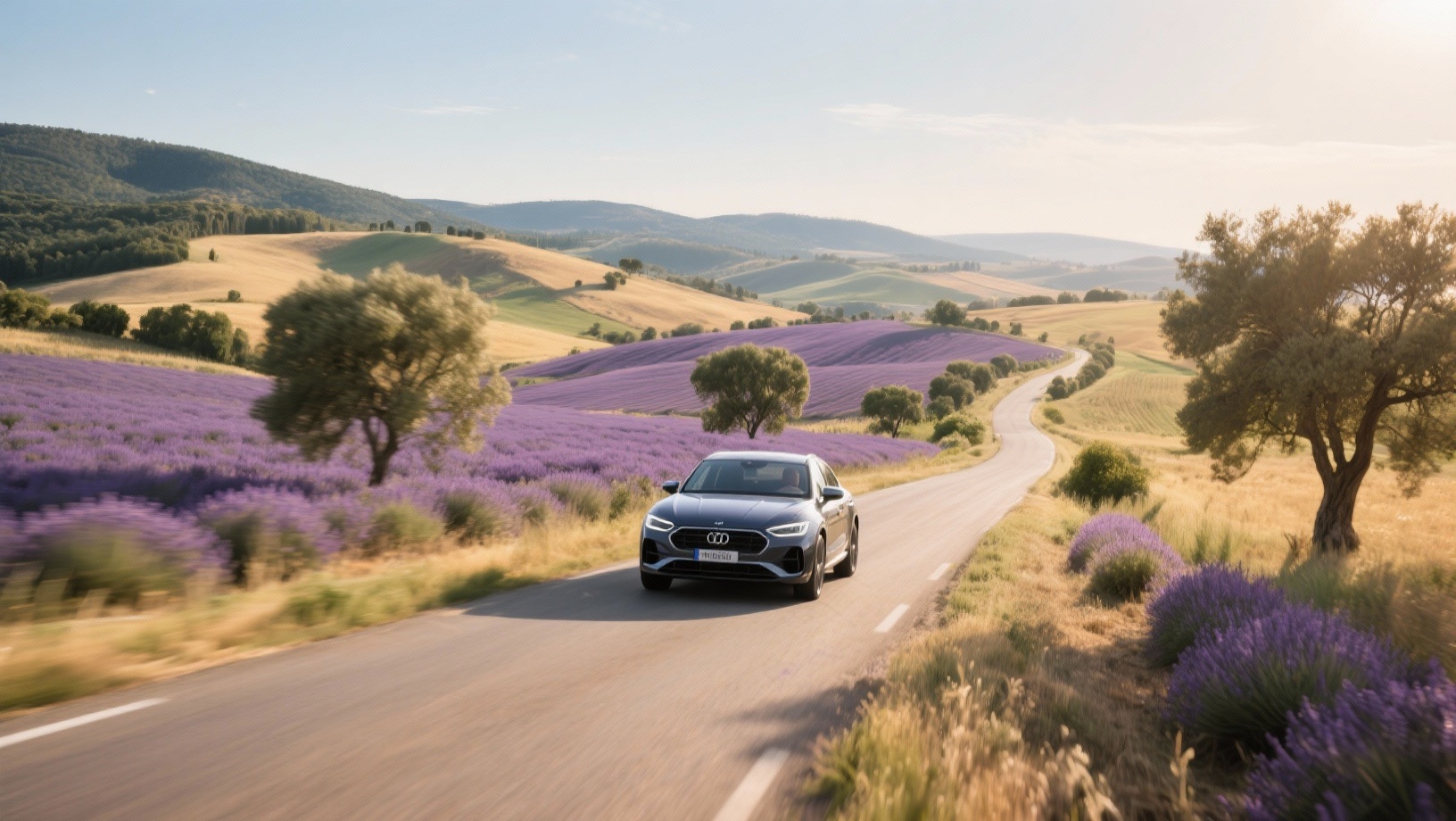
Careful planning is essential for a successful driving holiday. For the most beautiful road trips through the French Provence, this means mapping out a route along purple lavender fields, historic towns and impressive natural scenery. Discover how, with the right preparation, a truly special journey can be put together.
A practical preparation for your Provence road trip
The Provence is a region that is perfect for exploring by car. The roads are generally good, but the narrow streets in medieval villages call for a compact hire car. Choose the D-roads (routes départementales) to really experience the authentic landscape. The toll roads (autoroutes) are quicker, but you lose much of the region’s charm. The ideal time to travel depends on your personal preferences. For flowering lavender fields, the period from late June to early August is the most suitable. May and September offer milder weather and fewer crowds, which makes driving and visiting sights more pleasant.
Practical tips for on the road
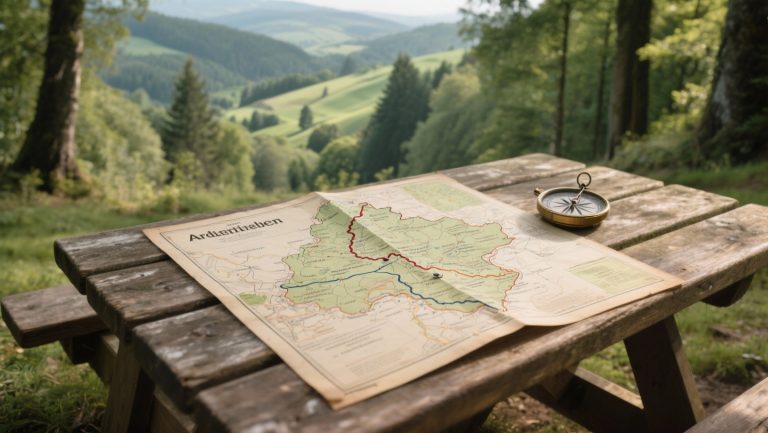
- Navigation: Use a reliable navigation app, but also take a physical map with you. In remote areas, GPS reception can sometimes be poor.
- Parking: In popular villages such as Gordes and Roussillon, parking is often paid and limited. Park on the edge of the village and walk the last stretch.
- Accommodation: Book your overnight stays in advance, especially in high season. Staying in a ‘chambre d’hôtes’ (bed & breakfast) gives you a genuine local experience.
- Market days: Every village has its own market day. This makes a great stop for local products, but it also means extra crowds. Check the market days of the villages along your route.
‘ The scent of lavender, the hum of bees and the views over the rolling hills turn this drive into a feast for the senses. ’
Route 1: along the lavender fields of the Valensole plateau
The Provence is synonymous with lavender. The best-known lavender route lies on the Plateau de Valensole. This route is at its best from late June to mid-July, when the fields are in full bloom. Start the trip in the village of Valensole, the heart of lavender production. From here, various D-roads lead you past endless rows of purple flowers, often interspersed with golden-yellow sunflower fields.
A recommended stop is Sénanque Abbey, set in a valley near the village of Gordes. This Cistercian abbey is surrounded by its own lavender field, creating a picture-perfect scene. Be prepared for many visitors, especially in the morning. A visit in the late afternoon usually means a calmer experience. The scent of lavender, the hum of bees and the views over the rolling hills turn this drive into a feast for the senses.
Route 2: the ochre-coloured villages of the Luberon
The Luberon is known for its ‘Plus Beaux Villages de France’, a designation for particularly picturesque villages. A road trip in this area links these hilltop villages together. You can start the route in Gordes, a village built in terraces against a hillside with spectacular views over the valley. The road then continues to Roussillon, famous for its ochre-coloured rocks and houses. The walking trails through the former ochre quarries, ‘Le Sentier des Ocres’, are highly recommended.
The road continues to other villages such as Bonnieux, with its twin church towers, and Lourmarin, where you can visit the château. The route through the Luberon is characterised by winding roads, vineyards and olive groves. It is advisable to take your time at each stop to soak up the atmosphere in the narrow streets and on the lively village squares. This route is less about covering long distances and more about discovering the region’s culture and architecture.
Route 3: from Roman history to rugged nature
This route combines culture and nature and starts in the historic city of Avignon. You can visit the Palais des Papes and the famous Pont d’Avignon before heading out onto the road. The route runs westwards towards the Pont du Gard, an impressive Roman aqueduct that is perfectly preserved. It is an imposing structure where you can take peaceful walks along the River Gardon.
From here, the road leads south towards the Alpilles, a low mountain range with a rugged landscape. The final destination of this route is Les Baux-de-Provence, a medieval fortified village perched on a rocky outcrop. The ruins of the castle offer wide-ranging views over the surroundings. A remarkable attraction here is the Carrières de Lumières, a former quarry where artworks are projected onto the high rock walls. This route offers a beautiful contrast between the grandeur of Roman times and the raw nature of the Alpilles.
‘ Careful planning helps you get the very most out of your trip. ’
Route 4: the Gorges du Verdon and the Route des Crêtes
For lovers of dramatic scenery, a circular drive along the Gorges du Verdon is a must. This gorge, often called the ‘Grand Canyon of Europe’, offers spectacular views. The best-known route is the Route des Crêtes, a 23-kilometre loop north of the gorge. This road has many viewpoints where you can stop to admire the depth and the jagged rock faces.
You can start the route from the village of Moustiers-Sainte-Marie, known for its pottery and the chapel that towers high above the village. Drive the loop clockwise so that your car is on the right side of the road for the viewpoints. It is advisable to allow plenty of time, as there are many places to stop. For a different perspective on the gorge, you can hire a pedal boat or kayak at the Lac de Sainte-Croix and paddle a stretch into the Gorges. The clear blue water forms a stunning contrast with the grey rocks.
A road trip through the Provence offers enormous variety, from culture and history to nature and gastronomy. Careful planning helps you get the very most out of your journey. On the Traveler Tips website you will find various articles and guides for planning a driving holiday, not only in France but across Europe. The website offers detailed routes, checklists and tips for on the road.
Frequently asked questions
A comfortable and varied road trip through the Provence takes in rolling lavender fields, medieval hilltop villages and Roman ruins, with routes that start from Nice or Marseille. Choose May or September to avoid the peak summer crowds and heat, while June to August is ideal for the lavender blossom. Use compact cars for narrow roads and plan overnight stays in chambres d’hôtes to sample local specialities. A flexible 10–14 day route can combine well-known highlights with hidden gems such as the Calanques de Sormiou and the Gorges du Verdon.
For a road trip through the French Provence, essential tips include: hire a compact car well in advance, navigate with GPX apps for winding D-roads and reserve chambres d’hôtes. Toll roads speed up the journey, but the D-roads show you the real Provence. On market days, and in villages, park early and outside the centre.
The last week of June is ideal for a road trip in the Provence to see the lavender in bloom, especially on the Valensole plateau, while still avoiding the worst of the summer crowds. May or September offer milder weather and fewer tourists, but the lavender may not yet be in bloom or may already have finished. Bear in mind that the summer heat can make mosquitoes a real nuisance in the Camargue.
For authentic and comfortable accommodation that suits a road trip in the Provence, it is best to look at chambres d’hôtes in small villages, with a budget of €100–200 per night. Choose local farms for a sustainable, locally rooted experience, such as troglodyte houses in Cotignac. Flexibility is crucial, so adjust your pace and book Carrières de Lumières in advance.