NL
NL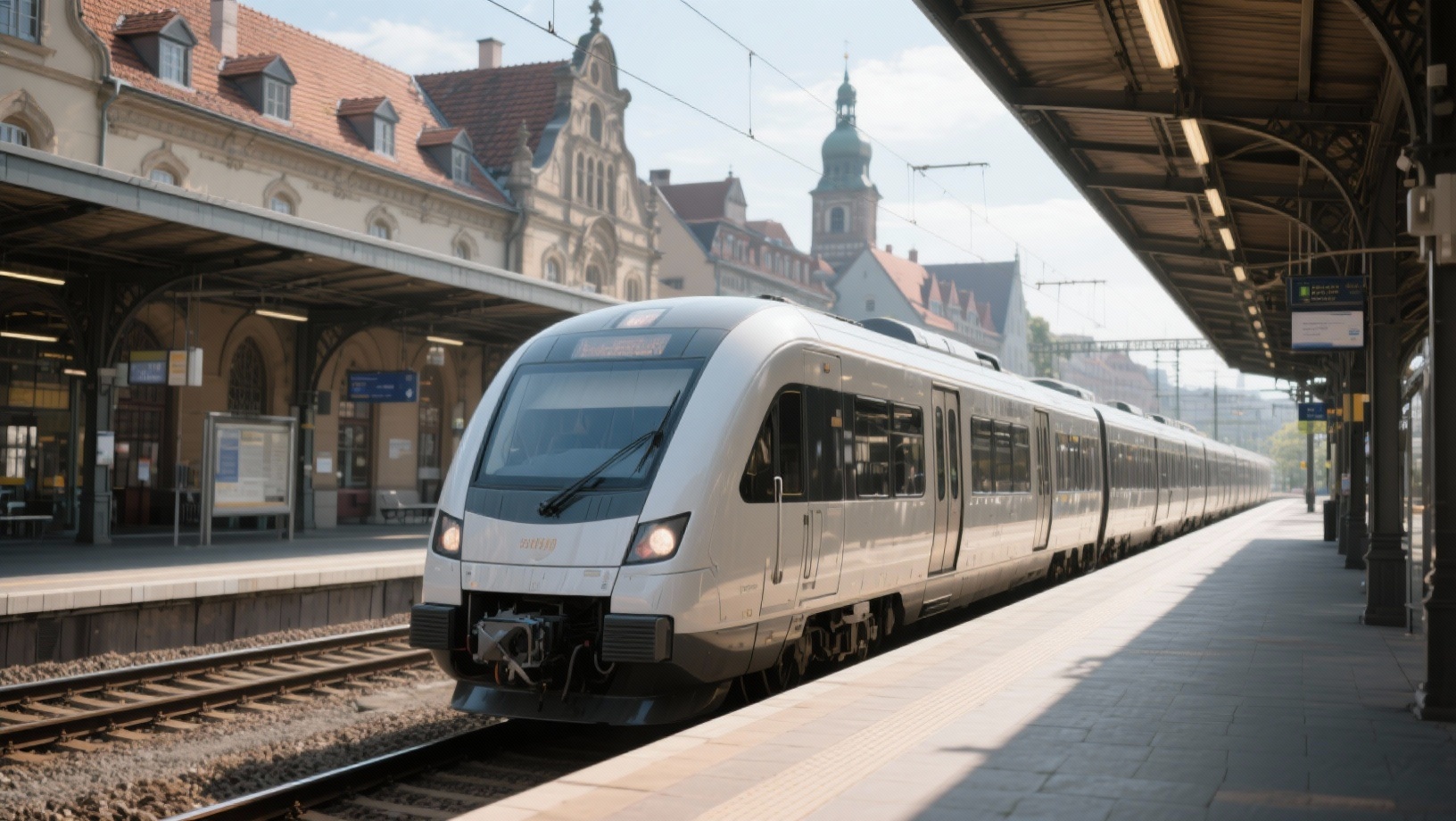
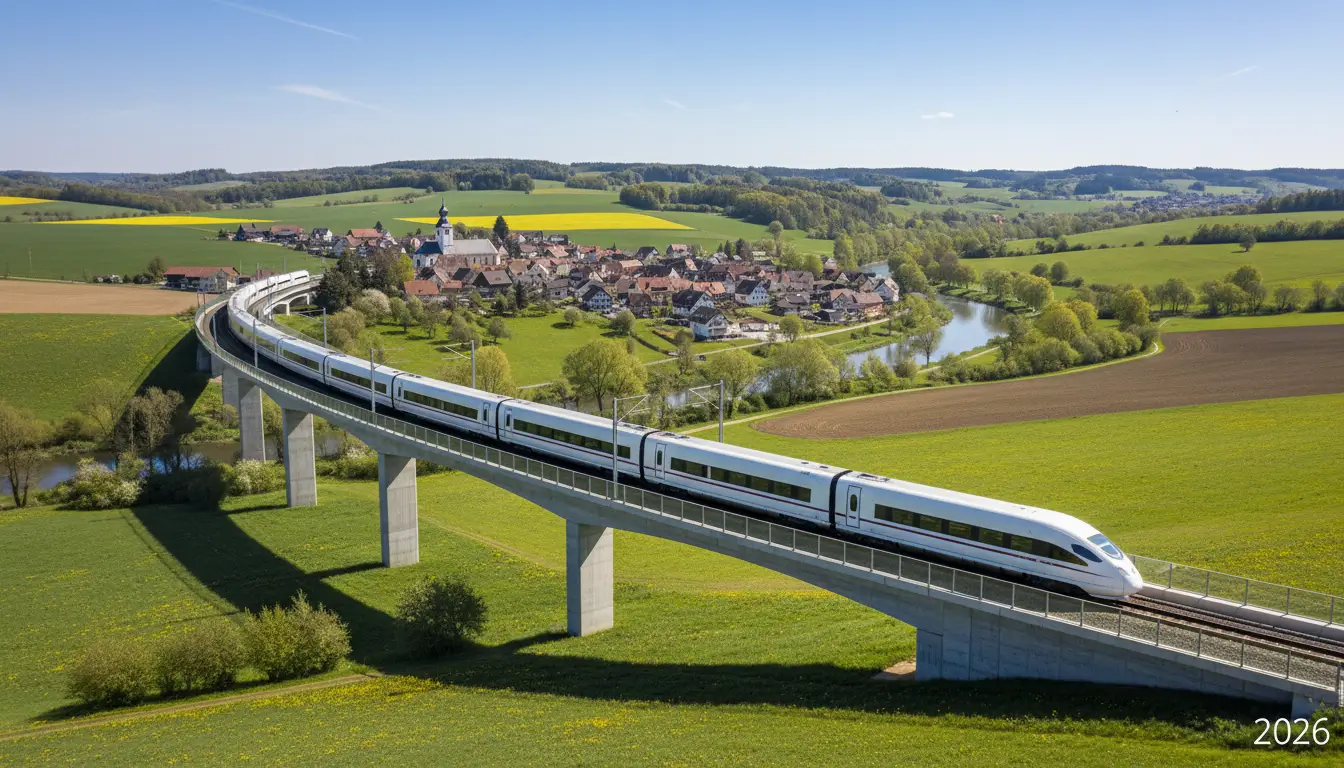
A city break in Germany by train is an efficient way to discover interesting cities, because you arrive right in the heart of the city. Public transport is excellent, stations are centrally located and connections from the Netherlands are fast and comfortable. Curious how to use the station as a smart base and which cities are perfect for a rail trip? Read on and discover how to plan your next trip optimally.
The station as the perfect base for your city break
If you choose to travel to Germany by train, you are choosing convenience. The German main stations, the so-called “Hauptbahnhöfe”, are almost always right in the city centre. This means that upon arrival you immediately get a feel for the atmosphere of the city. You avoid an expensive taxi ride or a complicated public transport route from a remote airport. You step off the train and you’re there.
This central location makes planning your stay a lot easier. Many hotels, from budget to luxury, are within walking distance of the station. By booking a hotel nearby, you create the perfect base. After arrival you can quickly drop off your luggage and head straight out to explore. What’s more, the station itself functions as a hub for local transport such as the S-Bahn, U-Bahn and trams, allowing you to easily reach the suburbs as well.
“ You don’t need to read a map; the two towers point the way. ”
Cologne: culture right next to the tracks
Cologne is the perfect example of a city made for train travellers. From Amsterdam Central you can travel with a direct ICE service in around two and a half hours to the heart of the city. As you leave Köln Hauptbahnhof, an imposing building greets you straight away: the impressive Cologne Cathedral. You don’t need to read a map; the two towers point the way.
From the station you can walk to the main sights within minutes. Explore the historic Altstadt with its colourful facades, narrow alleys and traditional breweries serving the local Kölsch beer. Stroll along the Rhine promenade, visit the Ludwig Museum with its impressive collection of modern art, or cross the Hohenzollernbrücke, famous for its thousands of love locks. Everything is within walking distance, allowing you to experience the city in a relaxed way.
Compact German cities for exploring on foot
Besides Cologne, there are plenty of other German cities that are perfect for exploring on foot, starting directly from the station. Thanks to the efficient rail network they are well linked to one another, which opens up the possibility of a trip taking in several cities.
Dresden: from baroque to street art
Dresden, also known as the “Florence on the Elbe”, is a city of contrasts. The central station is within walking distance of the historic inner city, which was painstakingly rebuilt after the Second World War. Admire the baroque splendour of the Frauenkirche, the Semperoper and the Zwinger Palace. For a completely different vibe, cross the Elbe to the Neustadt district. Here you will not find baroque architecture, but a lively neighbourhood full of street art, unique boutiques and cosy cafés. Its compact layout makes Dresden ideal to discover on foot in just a few days.
Hanover: green and surprising
Hanover is a city that many travellers overlook, but it is a pleasant destination for a short break. The station is right on the edge of the shopping district and the old town. A unique route is the “Roter Faden”, a 4.2-kilometre red line painted on the pavement that leads you past 36 major sights. A highlight is the Herrenhäuser Gärten, one of Europe’s exceptionally well-preserved baroque gardens. These gardens are slightly outside the centre, but are easy to reach by tram from the station.
Munich: tradition in the heart of Bavaria
The Bavarian capital is larger, but the centre is surprisingly compact. From München Hauptbahnhof you can walk to Karlsplatz in about ten minutes and then on to Marienplatz, the central square with its impressive town hall. From here, many of the sights are within easy reach. Visit the Viktualienmarkt for local specialities, explore the Englischer Garten or enjoy a stein of beer in one of the many traditional beer gardens. The city has a relaxed, friendly atmosphere and, despite its size, is easy to get around on foot.
Practical planning for your train journey
Good preparation ensures a relaxed journey. The German rail network is extensive, but it pays to plan your trip in advance. Here are a few tips:
- Book tickets in good time: This is especially true for the high-speed ICE trains, where booking early is often cheaper. Tickets are usually available several months in advance via NS International or the Deutsche Bahn (DB) website.
- Consider the Deutschlandticket: Are you travelling for a longer period or do you want to visit several cities in one region? With the Deutschlandticket you can use all regional public transport throughout Germany for a fixed monthly amount, with the exception of high-speed long-distance trains (ICE/IC).
- Check for engineering works: The German rail network is constantly being maintained. Shortly before departure, check the latest travel information in the DB Navigator app to avoid surprises such as diversions or delays.
- Choose a strategic hotel: A hotel near the station saves you a lot of time and lugging luggage around. It gives you the freedom to start exploring the city straight away and also makes continuing your journey on to another destination very easy.
A city break by train to Germany offers a comfortable and sustainable way to travel. Whether you opt for the cultural treasures of Cologne, the baroque splendour of Dresden or the Bavarian cosiness of Munich, the train takes you straight where you need to be. On the Traveler Tips website you will find many more practical travel guides and routes for your train journey through Germany and to other European destinations. Discover more and plan your next trip smartly and consciously.
Frequently asked questions
To plan your train journey to and within Germany efficiently and affordably, book your ICE tickets early for the best prices, or consider the Deutschlandticket for unlimited travel on regional trains. Where possible, combine this with low-cost tickets from GoVolta for destinations such as Hamburg and Berlin from March 2026. Consult the DB Navigator app for real-time updates on timetables and any engineering works. Choose scenic regional routes, such as the MittelrheinBahn, for a budget-friendly and beautiful travel experience.
Cologne, Berlin, Hamburg and Munich are ideal German cities for a city break by train from the Netherlands. Cologne is directly accessible in 2.5–3 hours and offers Cologne Cathedral. Berlin, Hamburg and Munich can be reached within 4–8 hours, with highlights such as the Brandenburg Gate, HafenCity and Marienplatz, and are well connected with direct ICE services or short transfers. Budget-friendly tickets such as the Deutschlandticket and low-cost tickets from GoVolta make these journeys particularly attractive for budget travellers.
Consider budget-friendly tickets such as the Deutschlandticket and low-cost options from GoVolta. Book early for NS International ICE tickets and combine them with Eurail or Interrail for multi-city trips. Be aware of engineering works up to 2027 and use the DB Navigator app for real-time updates on connections. Take a picnic with you and sit on the river side for the best views on scenic routes such as the MittelrheinBahn.
To combine a train journey to a German city with a seamless local travel experience and interesting sights, you can use budget-friendly tickets such as the Deutschlandticket for unlimited regional transport. Choose scenic train routes such as the MittelrheinBahn along the Rhine valley to combine cities with nature. Book flexibly, take possible engineering works into account via the DB Navigator app and consider multi-city trips with Eurail or Interrail. Enjoy the flexibility to discover new places spontaneously and prepare for a relaxed and meaningful travel experience.