 NL
NL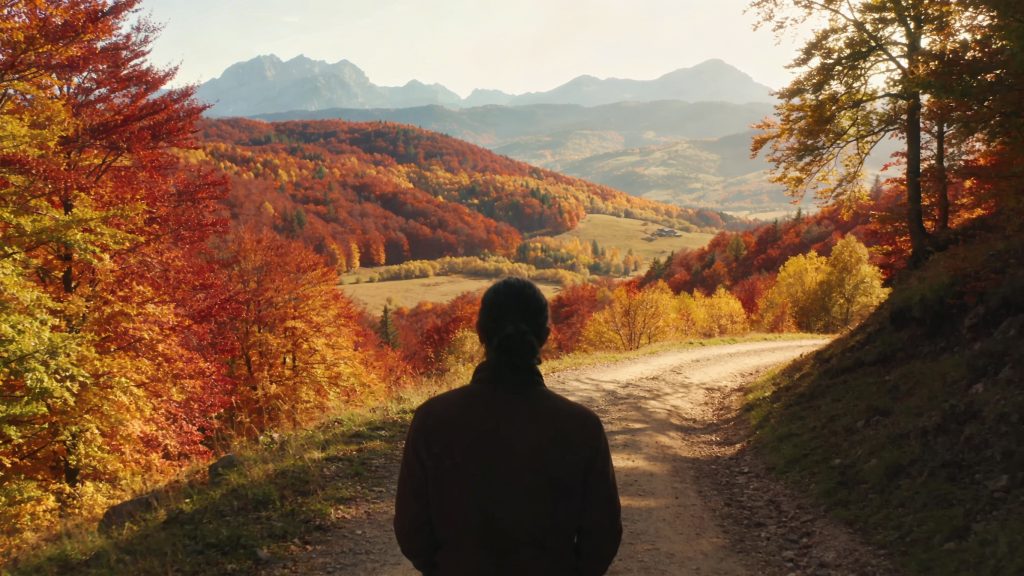
The Netherlands offers unique nature experiences all year round that you can easily reach by public transport. From the purple heather bloom in August at the Posbank to the golden autumn colours in Veluwezoom and exuberant spring blossoms in the Kennemerduinen – each season has its own charm. These packages combine walking and cycling routes in national parks with convenient train and bus connections, tailored to each season’s surprises. Do you want to know more about how to plan a nature holiday by public transport? Read on for the most beautiful routes, up-to-date timetables and weatherproof alternatives.
Why choose seasonal public transport packages
Seasonal nature packages using public transport offer unique advantages. You start your route directly from the station without having to worry about parking. Buses and trains take you right up to quiet areas with heathland, forests and wetlands. This way of travelling is sustainable and mindful. It fits perfectly with environmentally friendly tourism.
Travel outside the high season. That way you avoid crowds and benefit from better availability and lower costs. You can choose between individual packages with luggage transport for your cycling or walking holiday, or group trips with guides. The guides share nature stories along the way. The flexibility of public transport makes it possible to adapt routes to the weather or to your own pace.
Summer: purple heather at the Posbank
In August the Veluwe turns into a purple landscape when the heather comes into full bloom. The Posbank near Rheden is one of the best-known locations for heather blossom and is easily accessible by public transport. From Arnhem Centraal station you take bus 85 towards Dieren, which stops at Rheden. From there it is about a 20-minute walk to the Posbank.
The best time to see the heather in bloom is from mid-August to early September. Check the current bus timetable in advance via the 9292 app, especially at weekends when services may differ. The route from Rheden to the Posbank leads you through mixed woodland before you reach the extensive heather fields with wide views.
Practical tips for your heather visit
- Wear waterproof walking shoes, as heathland can be damp
- Go early in the morning for the best light and the least crowds
- Take enough water with you, as there are limited facilities out on the heath
- Download offline maps, as mobile reception can be patchy
As an alternative in changeable weather, you can head for the nearby Netherlands Open Air Museum in Arnhem. The museum is easy to reach by public transport and offers covered exhibitions.
Autumn: golden-brown forests in Veluwezoom
Veluwezoom National Park shows a beautiful palette of gold, brown, red and orange in October and November. The park is the oldest national park in the Netherlands and is home to red deer, wild boar and Scottish Highland cattle. From Arnhem Centraal station or Dieren station you can reach the park with bus 85.
The autumn colours are at their best between mid-October and early November. The weather plays a role in this. Get off at the Posbank stop or Zijpenberg stop for different starting points. From these stops there are waymarked walking routes of 5 to 15 kilometres. The routes take you through different types of landscapes.
Highlights of autumn walks
- Burgerlijke Schemering route (8 km): starts from the Posbank and leads through heathland and deciduous woodland
- Zijpenberg route (12 km): more challenging, with hills and wide views over the IJssel valley
- Go early in the morning to spot red deer during the rutting season
- Pack warm clothing in layers, as temperatures in the forest can change quickly
In wet weather the Schaarsbergen visitor centre offers information and indoor facilities. The centre is accessible with bus 108 from Arnhem Centraal.
Spring: a blaze of flowers in the Kennemerduinen
South Kennemerland National Park turns into a flower-rich dune landscape in April and May. Orchids, skylarks and little yellow dune flowers colour the dunes. The area is easy to reach by train via Overveen station or Zandvoort aan Zee station.
From Overveen station you can walk to the main entrance at Zeeweg in 10 minutes. Zandvoort aan Zee station offers direct access to beach walks. From there you walk via the Noordvoort path into the dunes. The spring flowering starts in mid-April and peaks at the end of May. Meadow birds are also very active then.
Recommended spring routes
- Koevlak route (7 km): starts at Overveen and passes through flower-rich dune valleys with Scottish Highland cattle
- Pandjesveer route (10 km): combines dunes, woodland and shallow creeks you can wade through. This route is suitable in dry weather.
- Duin- en Kruidberg route (6 km): a shorter alternative with many flowering plants and quiet areas for birds
Take binoculars for bird and nature observation. The area has many protected zones. Stay on the paths. Dune walks are more challenging in strong winds. The Kennemerduinen visitor centre near Overveen offers covered exhibitions as well as up-to-date route advice.
‘ Some bus services to nature areas are seasonal. ’
Current timetables and planning
Always check the latest timetable before you set off. Bus services to nature areas often run a weekend service pattern. Download the 9292 app for up-to-date departure information and any disruptions. At weekends the frequency may be lower, so allow plenty of time for connections.
During school holidays and public holidays services may differ. Also check whether there are engineering works along your route. Some bus services to nature areas are seasonal. They only run from April to October.
Weatherproof alternatives and flexibility
Dutch weather is changeable, so flexibility pays off. Approach your walking route with a plan B. Rain in Veluwezoom? Switch to nearby Middachten Castle or the Bronbeek Museum in Arnhem. For the Kennemerduinen, the Frans Hals Museum in Haarlem is an interesting alternative on a rainy day.
Thermal clothing and a good waterproof jacket make many walks possible. Even in light rain you can often still go walking. Check the weather forecast the evening before you leave and adjust your plans if necessary. Some dune routes are closed during storms. Trees may come down.
Essential items for every season
- Waterproof walking shoes with good grip
- Waterproofs and an extra warm layer in your rucksack
- Thermos flask with a hot drink for cooler months
- Offline maps of your route on your smartphone
- Small first aid kit and enough water
From station to countryside: practical preparation
Preferably buy a day ticket or weekend pass if you are taking several bus journeys. This is often cheaper than single tickets. Check that your public transport chip card has enough credit before you leave. Not all stops near nature areas have top-up facilities.
Start your walk early in the day. That’s when nature is at its most beautiful, and there are fewer fellow walkers. Early mornings are ideal for spotting wildlife. Take a small rucksack with food and drinks, as catering facilities are scarce in many nature areas.
Ask at visitor centres for up-to-date route advice. Also ask about special natural phenomena such as flowering plants or active animals. Staff often have valuable tips about less well-known routes, and they share recent sightings of rare animals or plants.
‘ Every season offers unique experiences you can enjoy without a car. ’
Discover more nature experiences
Seasonal public transport packages make Dutch nature accessible for travellers who want to journey consciously and sustainably. Summer heather, autumn colours and spring blossom each offer their own experience. Every season offers unique experiences you can enjoy without a car. On the Traveler Tips website you will find more information about route planning, nature areas and practical tips for your next public transport nature trip. Use public transport and discover the nature areas the Netherlands has to offer.
Frequently asked questions
Plan your itinerary around public transport hubs near nature areas (such as stations by the Veluwe or Sallandse Heuvelrug) so that each stage flows logically from train or bus onto a walking or cycling path. Choose routes suited to each season (spring woodlands, summer cycle tours, autumn heathland, short winter walks) and record them in one clear day-by-day schedule. Make use of hotel or B&B packages with luggage transfer, so you can travel light and move comfortably from place to place. Finally, use public transport apps to check live travel times and build in enough margin for transfers and a relaxed pace.
In spring, the Sallandse Heuvelrug and parts of the Veluwe, both easily reached by train and bus, offer the richest experience thanks to fresh greens and abundant blossoms. In summer, the Veluwe and the Green Heart are particularly suitable for public transport packages with long cycling routes and varied landscapes. In autumn, South Limburg’s hill country and the Veluwe provide an intense nature experience with golden-brown forests, tranquillity and wildlife watching. In winter, short public transport walks on the Veluwe and in the Wadden Sea region deliver the purest, quietest nature experiences.
Plan your trip outside weekends and school holidays to avoid crowds and higher fares, and choose nature areas that start directly from a train station or bus stop so you do not need extra transfers. Check travel times and connections in advance via public transport apps and match your walking or cycling route to them so you do not waste valuable time waiting or detouring. Make use of seasonal packages and low-season deals, which often combine discounts on transport and accommodation. Where possible, opt for multi-day hotel, cycling or walking packages with luggage transfer, so you can travel efficiently from A to B without extra costs for taxis or hire cars.
Yes, you can often extend public transport nature packages with lesser-known walking or cycling routes that start from smaller stations or quiet bus stops, away from the standard hubs. Extra activities include visits to wildlife viewing points on the Veluwe, small local museums or lesser-known country estates in the Green Heart. You can also build in seasonal specials, such as wildlife watching in autumn or sunrise walks in spring. Finally, some packages can be combined with culinary stops at local farms or small village cafés for an extra surprising experience.