 NL
NL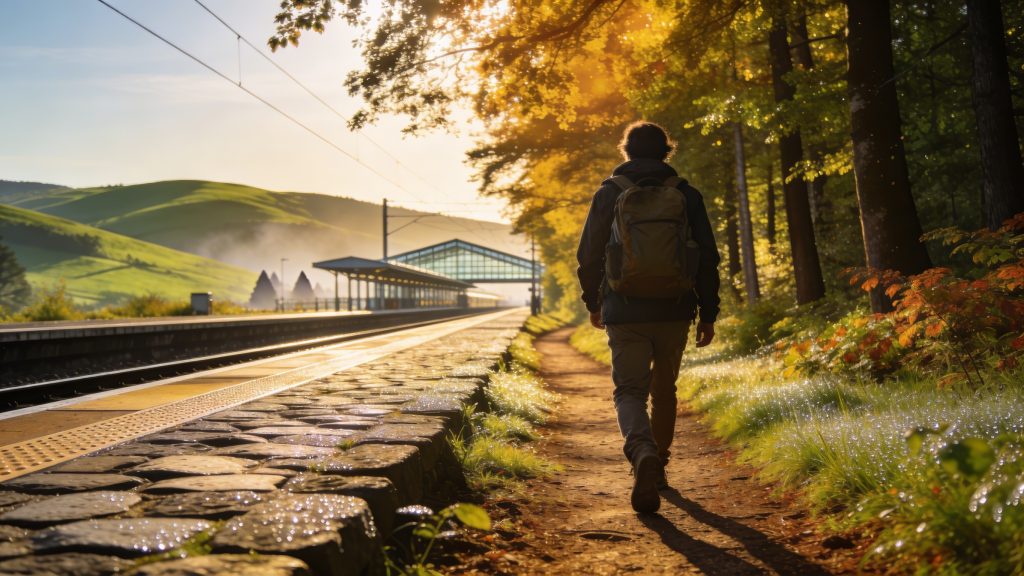
The last few kilometres between the train station and the trailhead are easier to cover without a car than you might think. With a rental bike, regional bus or even a short walk you can reach nature areas such as the Dutch Mountain Trail in Limburg or the Wadden Islands without parking stress. These last-mile solutions make a nature holiday by public transport feasible, more sustainable and often more pleasant. Discover how to plan that final step smoothly.
Why last-mile solutions make the difference
Many nature areas are within walking or cycling distance of a train or bus stop, but travellers often do not realise this. The last few kilometres can feel like a barrier, but with the right preparation they are easy to overcome. Last-mile solutions reduce pressure on parking facilities and on nature. They also significantly reduce the CO₂ emissions of your trip.
Using public transport to reach nature areas such as Natura 2000 zones helps to reduce nitrogen deposition. Traffic causes almost 12% of the deposition in protected areas. By choosing public transport and a smart transfer to a bike or shuttle, you avoid unnecessary emissions and enhance your nature experience.
Rental bike from the station to your walking route
Shared bikes and rental points at stations are ideal for the last few kilometres to a trailhead. At many stations you will find bike rental companies or bike-share systems that you can book in advance. That is convenient during peak periods when demand is high.
For hilly areas, such as the Utrechtse Heuvelrug or South Limburg, choose an electric bike. It makes the ride more comfortable, even with a rucksack. The Dutch Mountain Trail, for example, starts from stations in Limburg that are well connected to the local bike rental network. You cycle calmly to the starting point, return the bike at another station after your hike, and hop on the train without any hassle.
Important points when renting a bike:
- Book in advance, especially in high season or on popular routes
- Check whether you can return the bike at another station (one-way rental)
- Pay attention to closing times of rental companies, especially for longer walks
- Choose an electric bike for hilly terrain or longer distances
Regional buses and shuttles to nature areas
Many nature areas can be reached by regional bus lines that connect with railway stations. Shuttle buses often run at weekends or during holidays to popular nature areas, such as cross-border parks or national parks. These shuttles are deliberately set up to reduce the impact of cars on nature and offer a comfortable connection.
On the Wadden Islands this system works extremely well. With the ‘Waddenretour’ ticket you combine ferry and bus and do not need to take a car. The island buses take you to beach access points, nature areas and the starting points of walking routes. You save on parking costs and contribute to peace and quiet on the island.
Regions such as the Kalmthoutse Heide or the Veluwe are also investing in shuttle connections. These are often seasonal, so check the timetable in advance. Apps and websites of regional transport operators show real-time information so you don’t miss any connections.
On foot from the nearest public transport stop
Sometimes walking from the bus or train stop is the simplest solution. Many nature areas are within 5 kilometres of a stop. You can walk that distance in about an hour, which extends your walk but also deepens it. Your experience already begins at the station and you gradually transition into nature.
This approach works well for longer multi-day routes or trails where you will be walking a lot anyway. For the Dutch Mountain Trail you can walk directly from Schin op Geul station to the route. The same applies to the Pieterpad: many stages start or end within walking distance of a station.
Advantages of walking from public transport:
- No extra transport needed, so no costs or reservations
- No emissions or pressure on fragile areas
- Your experience starts as soon as you arrive
- Ideal for anyone planning a long walk anyway
‘ Charging points at stations make it easy to charge electrical devices during your journey, so your phone and navigation keep working on the way. ’
Practical tips for a smooth transfer
Plan your final kilometres just as carefully as your train journey. Check the distance between the station and your destination using route planners or nature management websites. Many areas mention on their site which public transport options are available and how to continue from the nearest station.
Use apps for up-to-date public transport information and book bikes or shuttles in advance. Avoid rush hours: public transport is quieter then and you have more choice of transport options. Charging points at stations make it easy to charge electrical devices during your journey, so your phone and navigation keep working on the way.
Take weather and season into account. In winter or bad weather a bike is less comfortable and a bus or short walk may be nicer. In summer cycling is pleasant, but check whether there are enough bikes available.
From train journey to trailhead without hassle
With a rental bike, bus or walk you can cover the last few kilometres to nature areas without stress. You avoid parking problems, reduce your ecological footprint and deepen your nature experience. The combination of public transport and smart last-mile choices takes you to routes such as the Dutch Mountain Trail, the Wadden Islands or the Utrechtse Heuvelrug, even without a car.
Choose the option that suits your route, fitness level and preferences. Book in advance where needed, check up-to-date connections and allow enough time for transfers. That way you start your trip relaxed and arrive fresh at your trailhead.
On the Traveler Tips website you will find much more information about travelling by public transport, nature destinations and smart route planning. Discover useful tips for your next nature holiday and plan your trip consciously and comfortably.
Frequently asked questions
From the nearest public transport stop or car park, the most comfortable way to continue is usually with a shuttle bus or (electric) shared bike available at the hub. Check in advance in public transport and shared-mobility apps which shared bikes or shuttles are available there and book if possible. If you go on foot, choose a route with paved paths and minimal height differences so the walk remains relaxed. Plan your arrival outside peak hours to avoid crowds on the route and at the entrance to the nature area.
Popular nature areas often offer shared bikes (including e-bikes and cargo bikes) at nearby train stations or mobility hubs, and seasonal shuttle buses from public transport hubs. You usually book shared bikes via provider apps (for example Dutch Railways/shared-bike platforms) and pay per ride or per day in advance by iDEAL or credit card. Shuttles to nature areas often use online booking via the website of the area or the regional public transport/tourism organisation, sometimes included in a combined train+shuttle ticket. In advance, check the nature area’s website or the regional mobility/tourism site for links to specific providers, routes and booking systems.
Yes, there are various last‑mile options such as electric shuttles, shared bikes and walking routes that are specifically designed to make the transition from public transport to the nature area smooth and sustainable. Shared bikes and e‑bikes at stations or hubs within roughly 5 km of the area give you a lot of freedom and reduce congestion and emissions. In some nature areas shuttle buses run from tourist hubs, so you don’t need a car and the peace and quiet in the area is preserved. Choosing a walking route from such a hub also strengthens the nature experience, because by walking you gradually ‘arrive’ in the landscape.
Shared bikes usually cost a few euros per hour with a travel time of 10–30 minutes from a public transport hub to a nature area; shuttle buses are often included in a ticket or cost a few euros per ride with a similar duration. Plan your day by first fixing your main public transport journeys (train/bus) and then booking last-mile options based on distance (up to around 5 km by shared bike or on foot, further by shuttle). Use one journey app or planner to schedule transfers with generous margins (at least 10–15 minutes) and to avoid rush hours. Group intensive activities (walking/cycling) around a single hub to minimise back-and-forth travel and thus reduce time, costs and environmental impact.
The shuttle bus from a public transport hub to the nature area is generally seen as the most reliable and user-friendly last-mile solution. It usually runs to a fixed timetable, departs from clearly signposted transfer points and does not require any local route knowledge. Shared bikes are flexible, but demand more orientation and planning, which can be more challenging for visitors who are unfamiliar with the area.