 NL
NL
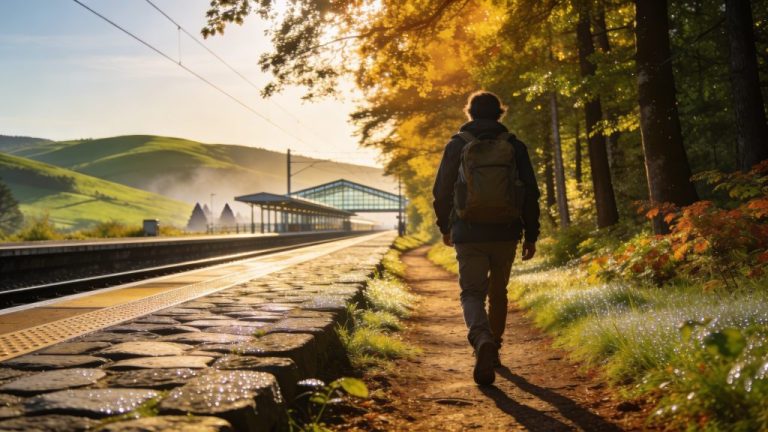
Step off the train and within a few minutes you are walking through woodland, heath or dunes. NS walking routes from station to station are designed so that you can fully enjoy Dutch nature without a car. Whether you go for the hills of the Veluwe, the rolling Limburg landscape or the Zeeland dunes, these routes of 9 to 15 kilometres combine the freedom of walking with the convenience of public transport. Ready to lace up your walking boots?
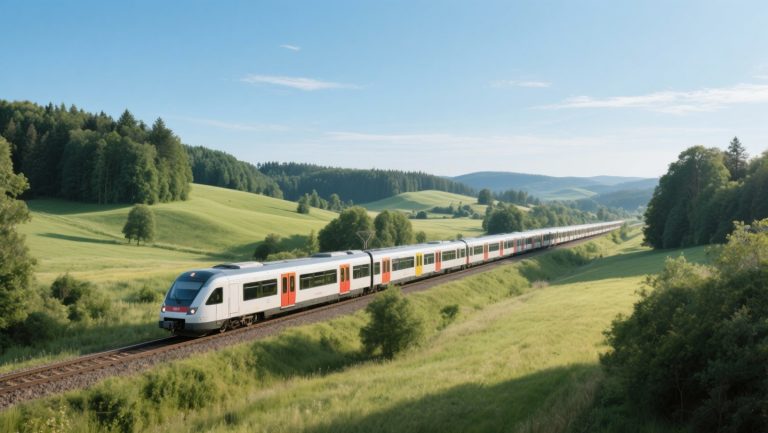
A walking holiday by train is practical. You do not have to worry about parking and you can enjoy the journey without the hassle of a car. At the same time, it is a sustainable choice. For many travellers, this kind of nature holiday by public transport is a welcome discovery. It offers variety: every route has its own character and takes you to places you might never otherwise have found.
The network of NS walking routes is accessible, well signposted and suitable for both beginners and experienced walkers. Some routes are flat and straightforward, others include tough climbs or demanding sandy paths. With a bit of preparation, you will know exactly what to expect.
The most beautiful NS walking routes through Dutch nature reserves
The Netherlands has dozens of walking routes that start directly from a railway station. The selection below leads you through forests, heathland, dunes and hills, with routes that you can easily combine with train journeys in a single day.
Veluwezoom: from Dieren station to Rheden or Velp
This route takes you through Veluwezoom National Park, one of the most beautiful nature reserves in the Netherlands. The shorter variant between Dieren and Rheden is 11 kilometres, the longer one to Velp about 15 kilometres. You walk through the Onzalige Bosschen, climb up to the heath around the Posbank and descend again through varied woodland. The difference in height makes the route challenging, but the views across the landscape reward your efforts.
Along the way you pass the former hunting grounds of the princes of Orange. In August and September the heath is in full bloom, giving the area a purple glow. Along the route you will find cafés and restaurants where you can stop for lunch or a drink.
Utrechtse Heuvelrug: from Driebergen-Zeist to Maarn
This 15-kilometre route runs through woodland, heathland and sand drifts. You walk via the Bornia estate and Austerlitz Forestry, and pass the Koepel van Stoop. This is a viewpoint with a remarkable story. The terrain is varied but easy to walk. In autumn the leaves turn beautiful colours, which makes this route particularly appealing.
Choose a longer variant via Den Treek if you want to see more of the typical avenues and forest paths. The route is suitable for walkers with an average level of fitness. You alternate between woodland, heath and sand drifts.
Meijendel: from The Hague Central to Wassenaar
Start in the Haagse Bos and walk via Huis ten Bosch and the Clingendael estate to the dunes of Meijendel. The 13-kilometre route combines city parks with rugged dune landscape. In the dunes you will find rare plants and shrubs that you will not see anywhere else. The visitor centre offers extra information about the flora.
Dogs are allowed on this route, provided they are kept on a lead. You return by bus, which makes planning a bit more flexible. It is a good choice for anyone who wants to escape into nature quickly from a big city.
Kennemerduinen: from Santpoort Noord to Zandvoort or Overveen
South Kennemerland National Park offers extensive dunes, wide views and special animals such as Scottish Highland cattle and konik horses. The route of 14.5 to 16 kilometres demands effort because of the loose sand and steep paths. The views from the dune tops are impressive. From the dune tops you have a view of the coastline.
Dogs are not allowed in this nature reserve. Wear sturdy walking boots and be prepared for some extra exertion. The route is suitable for walkers who are not afraid of a physical challenge.
Kampina: from Boxtel to Oisterwijk
This 18-kilometre route leads you through North Brabant heathland, pools, woodland and along streams. In spring and summer you can spot rare flowers and herbs. Sheep and cattle graze the area and help manage the landscape. Because of the length, the route requires a good level of fitness. The terrain itself is otherwise easy to walk.
In Oisterwijk you will find cafés and restaurants for a well-earned break. It is a quiet area that is ideal for anyone looking for a relaxing walking experience without crowds.
Maastricht–Valkenburg: through the Limburg hill country
The route of around 15 kilometres takes you via the Groene Loper and the Geul valley through rolling hills, woodland and fields. The differences in height make the walk demanding. The Limburg landscape is varied and appealing. Valkenburg is known as a walking town, which you will notice from the well-maintained paths and waymarking.
This route is ideal for anyone looking for a combination of greenery and characteristic Limburg villages. The valley offers peace and variety at the same time.
‘ Dress in layers so you can adapt to changeable weather. ’
Practical preparation for your walking holiday
Good preparation helps prevent problems along the way. Download digital route files (GPX tracks) or route maps in advance via apps or websites. Check up-to-date information on any obstacles or diversions. This is especially important after bad weather or in spring.
Make sure you have sturdy walking boots with enough grip, especially on routes through dunes or heathland. Take sufficient water and snacks with you, and do not forget your public transport chip card. Dress in layers so you can adapt to changeable weather.
Some routes are suitable for dogs, others are not. Check this beforehand to avoid disappointment. Many dune areas have a dog ban because of vulnerable flora and fauna.

When is the best time to go walking?
Every season has its own charm. In spring, the bulb fields and dune flowers are in bloom; in summer you enjoy long days and greenery. August and September are the months when the heath is in flower, which makes routes on the Veluwe and in Brabant extra spectacular. Autumn colours the forests and offers beautiful light, while winter often gives you peace and empty paths.
Bear in mind seasonal differences in accessibility. Some regional buses run less frequently in winter, which can affect your return journey. Plan your route and your way back in advance.
What makes station-to-station walking so appealing?
The concept is simple and effective. You step off the train and almost immediately start walking. There is no hunt for a parking space, no hassle with cars on narrow forest tracks. Afterwards you get back on the train and are home or at your next destination again in no time.
For travellers who want to walk for several days, this approach offers extra flexibility. You can combine routes, explore different regions and still stay somewhere different every night. The rail network makes this straightforward and predictable.
This way of travelling has less impact on the environment. You avoid emissions from a car and use public transport that is running anyway. For anyone who wants to travel consciously, it is an obvious choice.
‘ You do not need a car. ’
Find out more about travelling in nature by public transport
NS walking routes from station to station are an excellent way to discover the Netherlands on foot. Whether you opt for the hills of the Veluwe, the dunes of Zeeland or the forests of the Utrechtse Heuvelrug, the range is diverse and accessible. With the right preparation and equipment, you can be in the middle of nature within a few hours. You do not need a car.
On the Traveler Tips website you will find much more information about nature holidays, travelling by public transport and planning routes through the Netherlands and beyond. Discover practical tips, detailed route descriptions and reliable advice to help you make your next walking holiday even better.
Frequently asked questions
The NS walking routes Veluwezoom (Dieren–Rheden/Velp) and Utrechtse Heuvelrug (Driebergen-Zeist–Maarn) are considered top choices for experiencing nature, with heathland, hills, woodland and country estates. The Kennemerduinen (Santpoort Noord–Zandvoort/Overveen) and Meijendel (Den Haag Centraal–Wassenaar) also offer an intense nature experience through dunes and coastal landscape. In addition, Kampina (Boxtel–Oisterwijk) and Hart van het Groene Woud (Boxtel–Best) are highly rated for their quiet forests, heathland, pools and the chance of spotting wildlife. All these routes start and end at a station (sometimes with a connecting bus), which makes them easy to reach by public transport.
Start by planning your train journey with plenty of transfer time so that you arrive relaxed and do not start your walk in a rush. Choose an NS walking route or another station-to-station route so that your start and end points are well connected by public transport. Match the length and level of difficulty to your fitness and the amount of daylight (shorter route in winter, longer in summer) and download a GPX track in advance. For a multi-day trek, book your accommodation along or near the route in good time and plan each day as a manageable stage with food and rest stops.
Essential practical tips for preparation include: check the route information, timetable and any diversions in advance, and download the GPX track or map in a walking app for offline use. Put together a compact packing list with sturdy walking boots, waterproofs and layered clothing, enough water, snacks, a fully charged phone and your public transport chip card. Check in advance where cafés, water points and toilets are, and allow for the fact that some stretches may have long sections without facilities. Finally, check the rules for dogs and the access regulations for the nature reserves the route passes through.
Yes, many NS walking routes offer hidden gems and unique sights that enhance the experience. On routes such as Veluwezoom and Utrechtse Heuvelrug, for example, you pass historic country estates, viewpoints like the Posbank and quiet woodland off the beaten track. Other routes, such as Meijendel and the Kennemerduinen, surprise you with dune valleys, special flora and grazing animals such as Scottish Highland cattle and konik horses. Less well-known routes, such as Lek en Linge or Hart van het Groene Woud, also take you past quiet estates, stream valleys and unexpectedly green, peaceful areas.
Choose a route whose length and elevation profile match your experience: if you do not walk much, start with under 15 km and limited height differences. For each route, look at the described level of difficulty (for example, “demanding” because of hills or loose sand) and match your choice to your fitness and footwear. Decide on the best time of year based on nature and weather: heathland in August/September, dunes and coast when temperatures are mild in spring or late summer, and avoid extremely hot or very wet days. If you want more peace and quiet, go during the week, outside school holidays and not on sunny afternoons in popular nature reserves.