NL
NL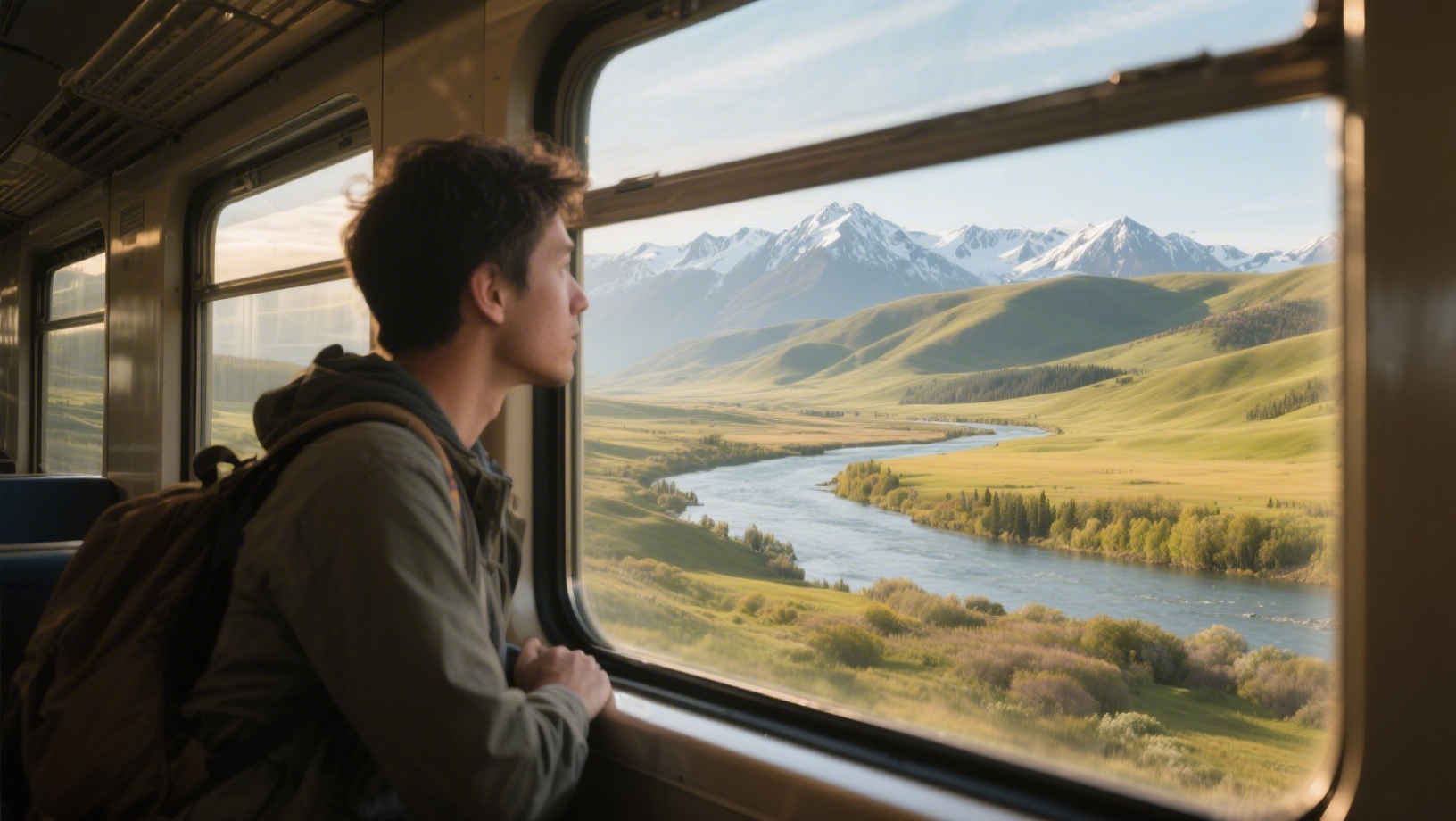
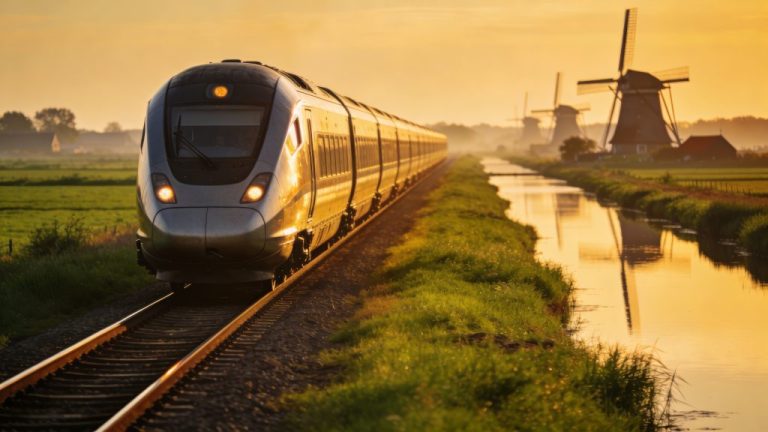
Travelling by public transport to natural areas cuts your CO2 emissions down to a fraction of those from driving, while giving you a richer experience on the way. All Dutch electric trains run on 100% green electricity and from 2030 all buses will also be zero-emission. This choice for slow travel brings you more calm, deeper experiences and supports local communities. Discover how to reach nature at its best with a combination of train, bus and walking boots.
Why public transport is more sustainable than the car
After walking and cycling, public transport is the greenest way to get around. A train journey to the Alps produces less than 100 kilograms of CO2 per person, while a comparable flight multiplies that figure many times over. Since 2017 all Dutch electric passenger trains have been using green electricity from wind and solar energy. Buses are following: from 2025 more and more buses will run on renewable energy and by 2030 the entire bus fleet must be zero-emission.
Stations are being designed in ever more sustainable ways. Solar panels supply energy for lighting and lifts, while platforms and buildings make use of energy-efficient materials. By travelling together with several passengers in one vehicle, you spread the ecological footprint over more people. This saves greenhouse gases and reduces the pressure on fragile natural areas, which are now often overloaded by car parks and roads.
For a nature holiday by public transport you consciously opt for fewer transfers and a longer stay in one place. This fits with slow travel: you spend days or weeks in the same area, which protects local ecosystems and helps to combat mass tourism. Less travelling means lower emissions and more time to truly experience what an area has to offer.
‘ That pace creates deeper memories than a packed itinerary with lots of kilometres. ’
How travelling by train deepens your experience
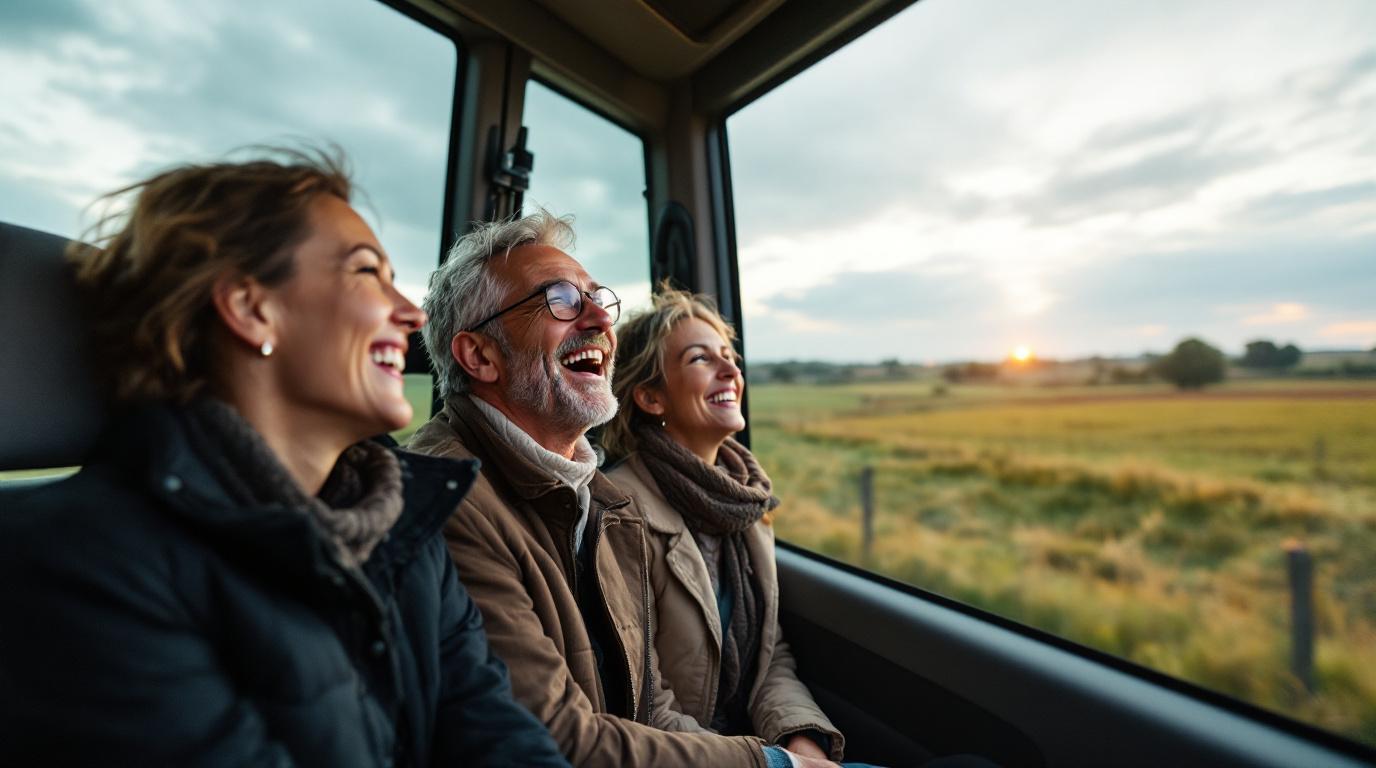
Taking the train takes the rush out of your trip. You have time to look out of the window, read a book or simply unwind. No navigation, no traffic jams, no stress about parking. You get on, find your seat and let the landscape glide past. You feel that calm the moment you step off: you have already arrived, instead of being exhausted from driving.
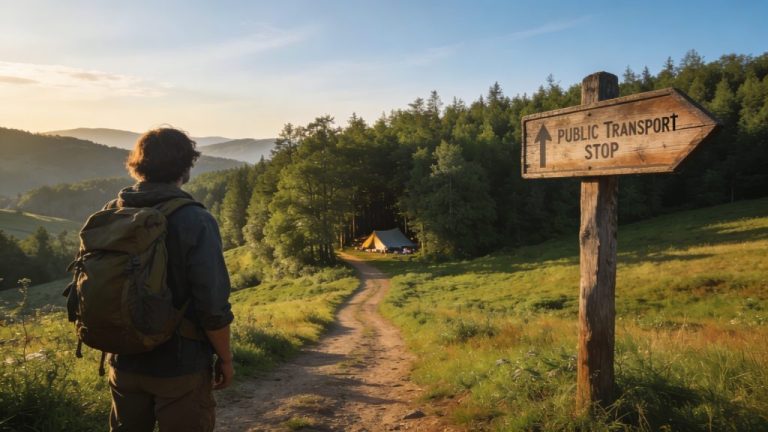
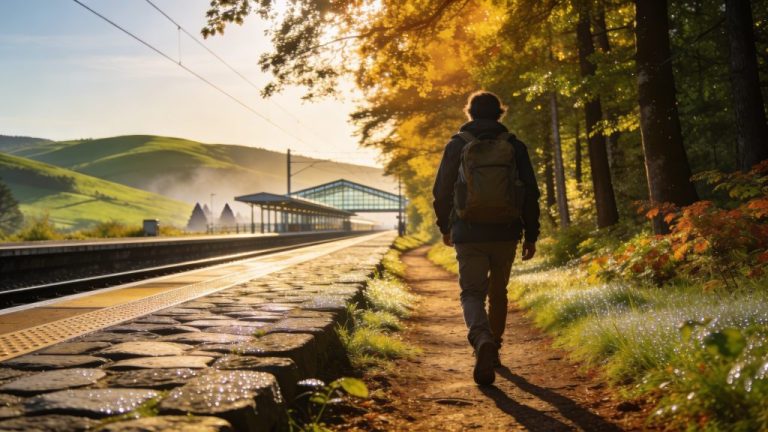
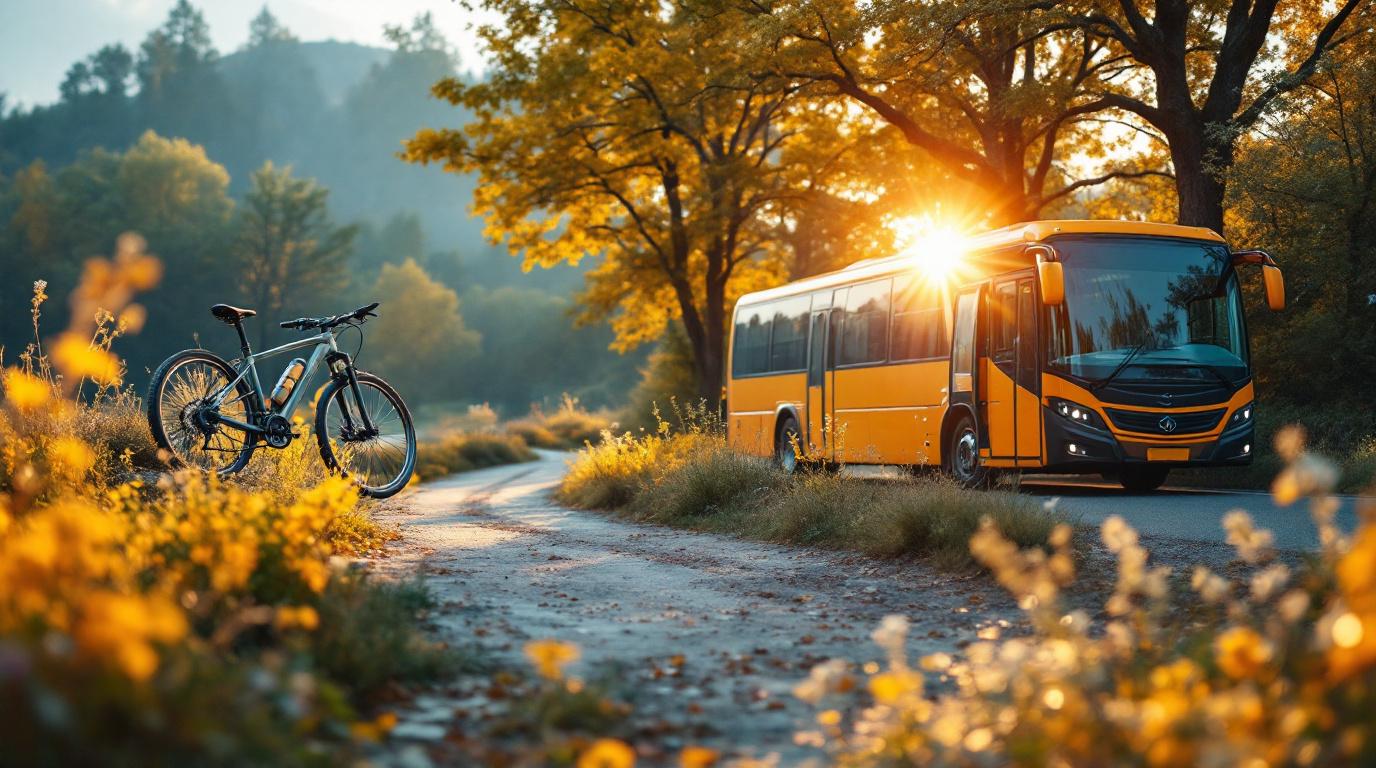
Travellers report that going by train feels more adventurous than going by car. You walk into the woods from the station, take the local bus to a walking trail or hire a bike on the platform. This combination of public transport and your own pace leads to more discoveries along the way. You see villages, landscapes and details that you would miss from the car.
The slow travel mindset fits this perfectly. You plan fewer transfers and allow time for spontaneous discoveries: a coffee on the village square, birdwatching by a lake or an unplanned walk across heathland. That pace creates deeper memories than a packed itinerary with lots of kilometres.
Where you can go in the Netherlands without a car
The Netherlands offers plenty of natural areas that are easy to reach by train and bus. The Utrechtse Heuvelrug ridge is accessible from several railway stations, with walking routes that start right at the exit. You can reach the Veluwe via Apeldoorn or Ede-Wageningen, where local buses take you into the woods and across the heathlands.
On the Wadden Islands you step off the ferry and take the bus or a bike for trips through the dunes and along the beaches. Zeeland offers quiet cycle paths along the coast, accessible from stations such as Vlissingen and Middelburg. National parks like De Biesbosch and the Groene Hart are also within cycling distance of public transport stops.
For longer nature trips you can take the international train to the Alps, the Ardennes or German nature parks. These destinations are directly accessible without having to change to a plane. Book your train tickets early for the best prices and combine them with local buses or walking routes from smaller stations.
Practical combinations along the way
- Travel by train to a national park and change to the local bus to the starting points of walking routes
- Hire a bike at the station for flexible routes through woods, dunes or along lakes
- Plan rest days between walks for local markets, nature centres or simply doing nothing
- Choose self-catering accommodation so you can cook with local produce and need to move around less
- Check your public transport chip card balance and journey planners for current timetables and transfer times
Slow travel is all about less rushing
Slow travel means staying in one place for longer and focusing on quality rather than quantity. Instead of five destinations in a week, you choose one area that you explore in depth. You rent a cottage or apartment with a kitchen so you do not have to eat out in restaurants every day. This saves money and gives you the rhythm of a local.
This approach significantly reduces your ecological footprint. Fewer transfers mean less fuel or electricity, and a longer stay supports local economies better than short visits. You spend more with small businesses, eco-accommodation and local guides who know the area.
Consciously plan rest days into your schedule. Not every day has to be full of activities. Sometimes a morning walk followed by reading on a terrace and a small local restaurant in the evening is just right. That breathing space creates room for spontaneous moments: a chat with a forest ranger, a detour to a waterfall or simply time to feel the silence.
‘ The pace forces you to really look and listen. ’
Why cycling and walking are the finishing touch
The train brings you to the area, but cycling and walking complete the experience. From many Dutch stations you can start cycle routes that go straight into natural areas. Hire a bike from NS or local rental companies and discover forest paths, heathlands and small villages at your own pace.
Walking from a bus stop or station gives you the most direct experience of nature. You smell the pine trees, hear the birds and feel the ground under your feet change from sand to mud to grass. You do not get this sensory experience from a car. The pace forces you to really look and listen.
Many travellers combine the two: a bike ride to a natural area, then park the bike and continue on foot. This mix offers flexibility and prevents fatigue. You cover more distance than on foot alone, but still keep the connection with your surroundings that driving lacks.
Tips for environmentally friendly choices along the way
Choose accommodation that uses energy consciously. Think of eco-lodges, tiny houses or campsites with solar power and wood-burning stoves. Some can only be reached on foot from public transport stops, which makes them extra off-grid. Book accommodation with a kitchen so you can prepare meals with local ingredients from markets or farm shops.
Support local guides and organisations that offer nature activities such as birdwatching trips, paddle tours or educational walks. These entrepreneurs know the area and keep the earnings local. Avoid large tour operators that siphon profits off to central offices.
Take a reusable water bottle, lunchbox and coffee cup with you. This prevents waste on the road and saves money at stations and attractions. Buy a public transport chip card with enough credit for smooth transfers without paper tickets.
Checklist for sustainable public transport travel
- Book train tickets early for lower prices and guaranteed seats
- Check local bus connections to natural areas via 9292.nl
- Pack a rucksack instead of a suitcase for easier walking and cycling
- Download offline maps of walking routes for when you are out of range
- Plan enough transfer time between trains and buses, especially in rural areas
- Reserve bike rental at stations for busy periods such as weekends
What slow travel gives you
Travellers who embrace slow travel report that they feel more relaxed and come home with richer memories. Without the pressure to see everything, space opens up for real moments: misty mornings in the woods, spontaneous conversations with locals or simply an afternoon doing nothing by a lake. Those experiences stay with you longer than a full diary.
You often save money by travelling less and staying longer. Accommodation providers offer discounts for longer stays and you spend less on transport. Local markets and self-catering are cheaper than restaurants every day, while still allowing you to eat well.
The environmental impact is measurably lower. A week of train travel combined with local public transport and walking produces only a fraction of the CO2 emissions of the same trip by car or plane. That choice makes a direct difference to the nature you have come to visit.
On the Traveler Tips website you will find much more information about routes, natural areas and practical preparation for journeys by public transport. From international train connections to local walking routes and sustainable accommodation: discover how to plan your next nature trip smarter and more consciously.
Frequently asked questions
Combine sustainability with comfort by choosing trains and buses powered by green electricity, and planning your journey calmly with generous transfer times and seats in quiet carriages. Enhance your experience by linking public transport to walks and bike rides from stations into natural areas, with time for spontaneous stops and viewpoints. Choose comfortable, small-scale eco-accommodation with a kitchen, so you can cook with local produce and truly unwind in one place. Plan rest days without any travel to experience the surroundings more intensely and further reduce your ecological footprint.
Use journey planners (such as 9292 or NS Reisplanner) and filter for stops “close to a nature area” or small stations, and choose terminals on the edge of towns (for example Driebergen-Zeist for the Utrechtse Heuvelrug or Apeldoorn/Harderwijk for the Veluwe) so you can start walking or cycling routes straight away. Search for “nature + public transport + walk” via organisations such as Natuurmonumenten and Staatsbosbeheer, which offer ready-made public transport routes to lesser-known woods, dunes and heathlands. Hire an OV-fiets (public transport bike) at smaller stations to explore quiet paths and ride away from the well-known attractions towards villages and tranquil forest cores. Travel outside the high season and avoid junctions near large car parks; get off a stop earlier or later and follow local node routes from these quieter boarding and alighting points.
Use a journey planner (such as 9292 or NS Reisplanner) with the filters “fewer transfers”, “less walking” and check journey time versus CO₂ emissions to choose the most sustainable connections. Plan your trip in stages: first by train to a nearby town or village, then by local bus and the last stretch on foot or with a shared bike. Avoid unnecessary travel by staying longer in one nature destination and making day trips from there. Book in good time for calm, well-connected services and choose trains on green electricity and (semi) zero-emission buses wherever possible.
Slow travel by public transport already gives you relaxation on the way: you do not have to drive, you have time to look out of the window, read or simply unwind. Because you travel more slowly and via local routes, you experience landscapes, seasons and small natural details much more intensely. Combining train, bus, walking and cycling invites you to be truly outdoors: you smell the forest, hear birds and feel the weather, instead of rushing past it. In addition, you often stay longer in one place, which makes you feel more connected to your surroundings and allows your mind to switch off more fully.
For planning a sustainable public transport trip, 9292.nl and the NS Reisplanner are the most practical: they show trains, buses, trams and metros, including transfers close to natural areas. For international train journeys to mountains, lakes or national parks, the planners from Deutsche Bahn (bahn.com) and the Interrail/Eurail app are very useful. For the final stretch into nature you can combine public transport planners with walking apps such as Komoot or the route planner from Wandelnet, which start at a stop or station. Finally, many Dutch nature organisations (such as Natuurmonumenten and Staatsbosbeheer) offer routes on their websites that are “accessible by public transport”, which you can link to 9292 or NS.