 NL
NL
Train Holiday Italy: Discover the Country Relaxed and Smartly
A train holiday in Italy is the ideal way to discover the country comfortably, efficiently, and with a rich experience. You travel from city centre to city centre, watch the landscape glide by, and avoid the stress of traffic and parking. This way of travelling gives you the freedom to experience the versatility of Italy, from the Alps in the north to the sunny coasts in the south. Curious how to organise such a trip yourself? Read on for a detailed overview full of practical tips.
Travelling by train saves time as you arrive directly in the heart of cities like Rome, Florence, and Venice. Moreover, it’s a sustainable choice that offers the flexibility to adjust your route and visit both well-known highlights and hidden gems. For those seeking inspiration, there are countless examples of beautiful train holidays that you can use as a basis for your own planning. Good preparation allows you to fully enjoy the journey itself.
The Italian Rail Network: An Overview
The Italian railway network is extensive and well-organised, making it an excellent country for train travel. The main player is Trenitalia, the national railway company. Additionally, there is a significant private competitor on the high-speed lines: Italo. Together, they connect virtually the entire country.
The Different Train Types
To plan your journey well, it’s useful to know the different train categories. Each type has its own function, speed, and comfort level.
- High-Speed Trains (Le Frecce & Italo): These are the fastest and most comfortable trains. Trenitalia’s ‘arrows’ (Frecciarossa, Frecciargento, Frecciabianca) and Italo trains connect major cities at speeds of up to 300 km/h. Reservations are mandatory.
- Intercity (IC): These trains connect medium-sized and large cities over longer distances. They are slightly slower than high-speed trains but offer a good alternative and stop at more stations.
- Regional Trains (Regionale): These trains are the backbone of local transport. They stop in smaller towns and villages and are ideal for exploring the rural surroundings. Reservations are not required for these trains, but it is important to validate your paper ticket before boarding by stamping it in one of the machines on the platform.
‘ “This efficiency makes it possible to see a lot of the country in a short time without compromising on comfort.” ’
Travelling by High-Speed Trains: Swift Connections Between Cities
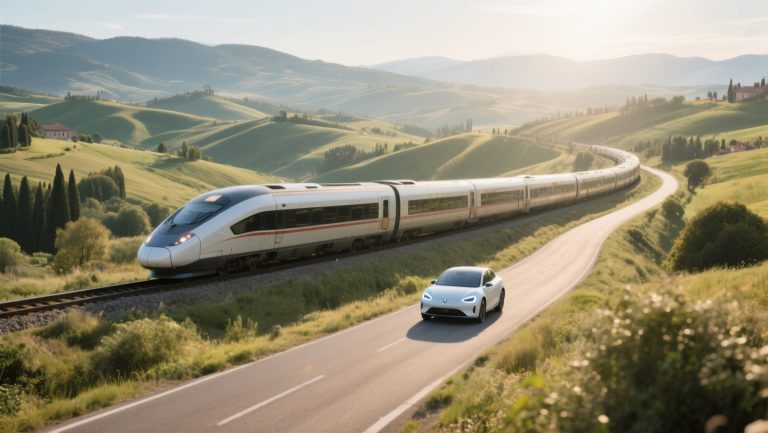
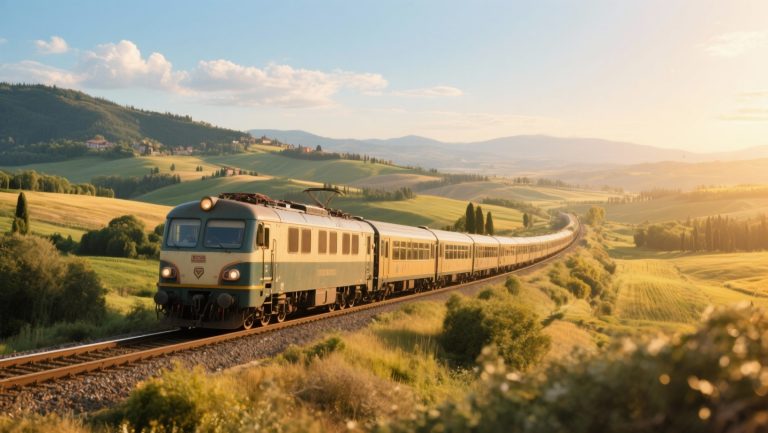
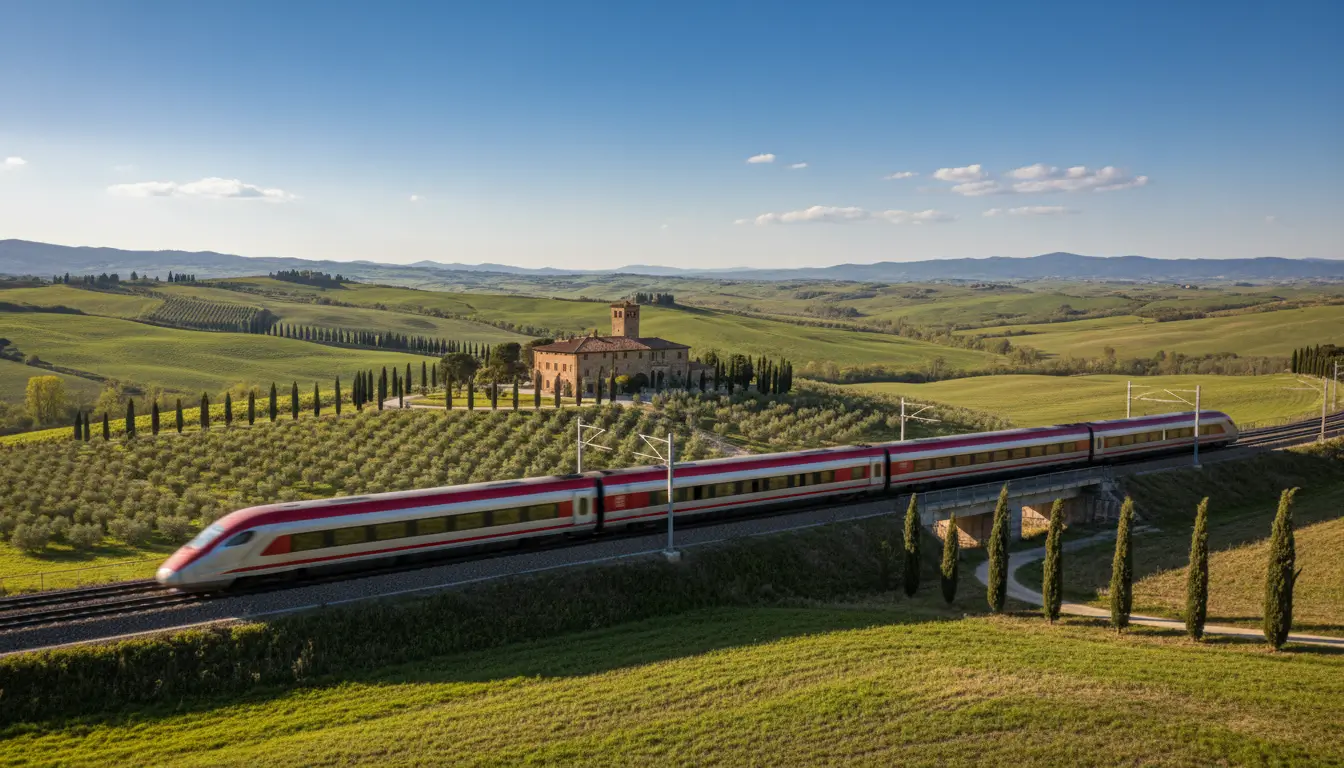
The high-speed train is the best choice for those who want to cover long distances quickly and comfortably. The main routes, such as Milan – Bologna – Florence – Rome – Naples, form the arteries of the network. For example, a journey from Rome to Florence takes only an hour and a half with the Frecciarossa. This efficiency makes it possible to see a lot of the country in a short time without compromising on comfort.
The trains themselves are modern and equipped with air conditioning, power sockets, and often Wi-Fi. There is usually a bar carriage where you can buy coffee, drinks, and snacks. Thanks to the central location of the stations (such as Roma Termini or Firenze Santa Maria Novella), you alight directly in the city centre, ready to explore.
Discover Italy with Regional Trains
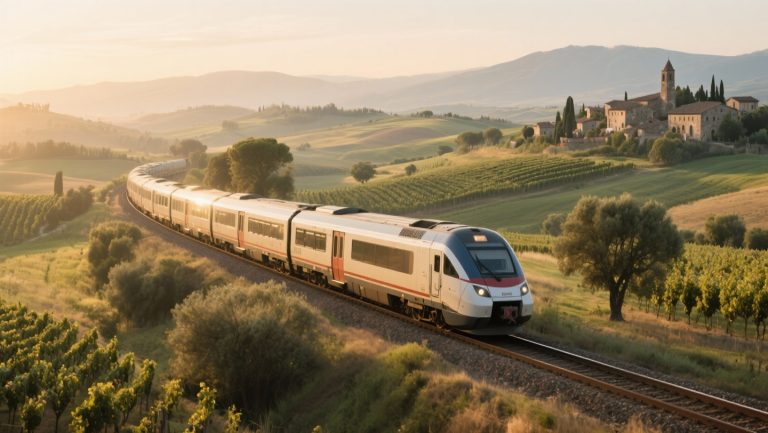
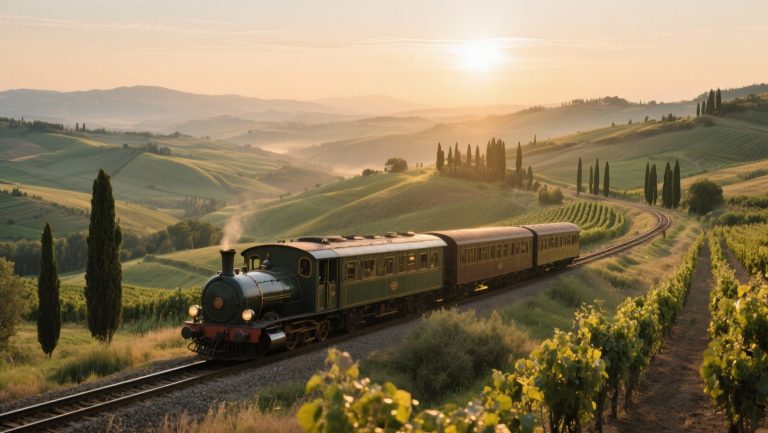
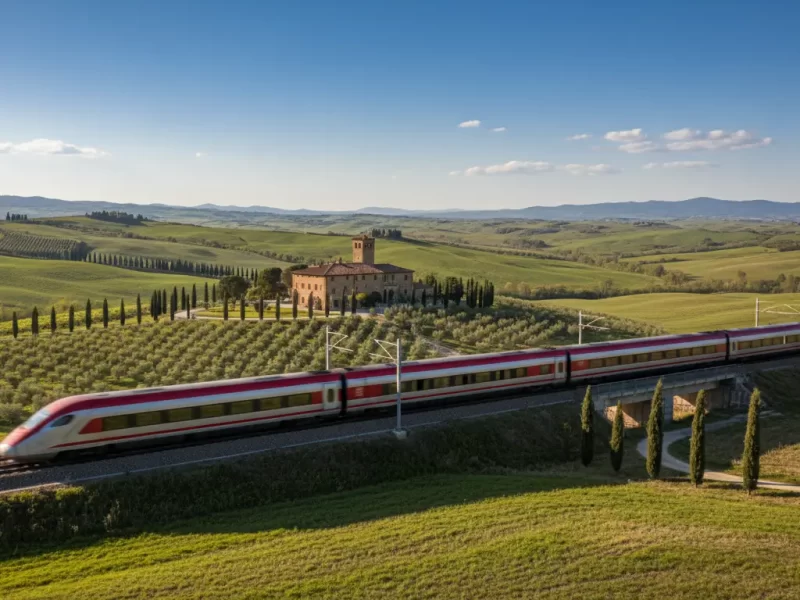
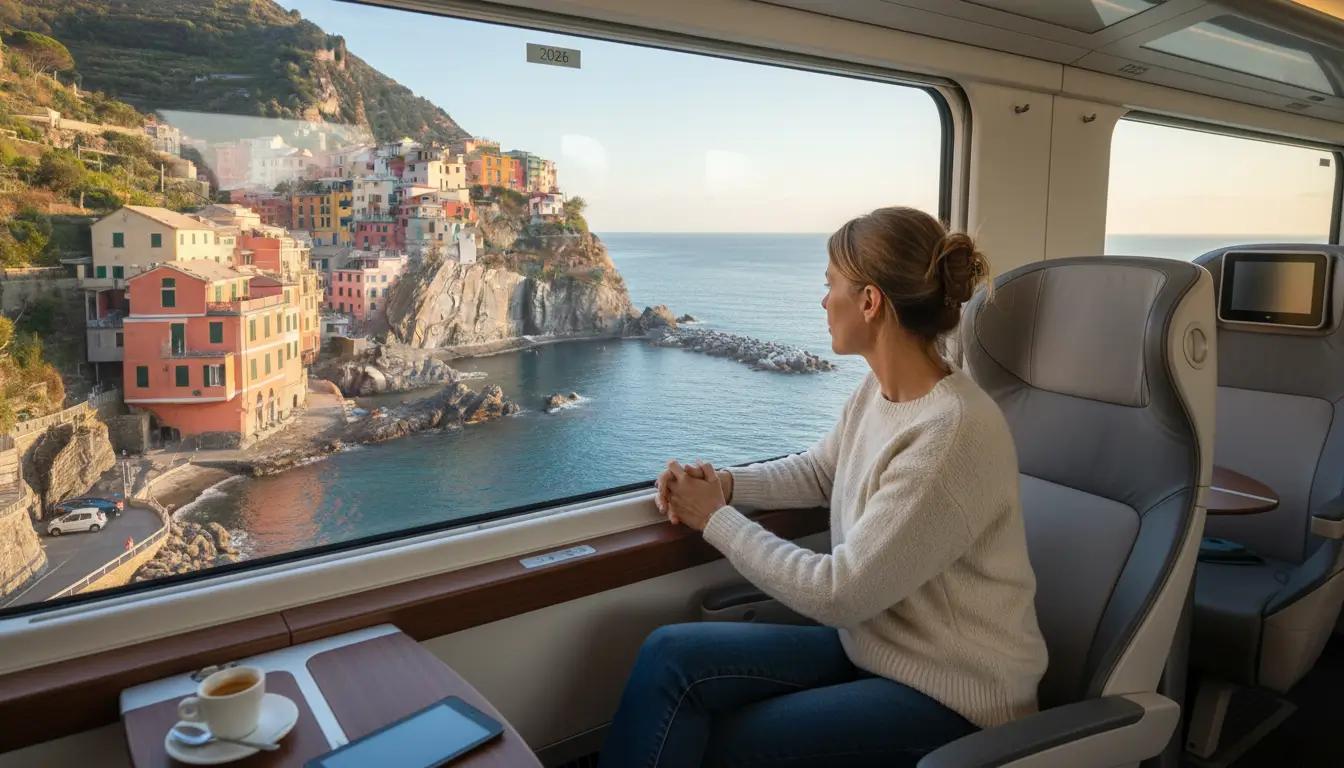
While high-speed trains quickly take you from A to B, regional trains show you the real Italy. They travel along scenic routes that lead you through rolling hill landscapes, past lakes, and through picturesque villages. Imagine a trip through Tuscany, stopping in small towns like Siena or Lucca. Or take the famous route along the Cinque Terre coast. The train is the only practical way to reach the five villages there.
These trains are considerably cheaper and give you the flexibility to decide where you want to go on the day itself. They are the key to discovering regions off the beaten track and offer a more authentic travel experience.
Coastal and Island Connections by Train
Italy’s long coastline is surprisingly well accessible by train. Both on the Adriatic and Tyrrhenian coasts, railway lines take you to popular seaside resorts and port cities. From cities like Genoa, Naples, or Bari, you can easily explore the coast.
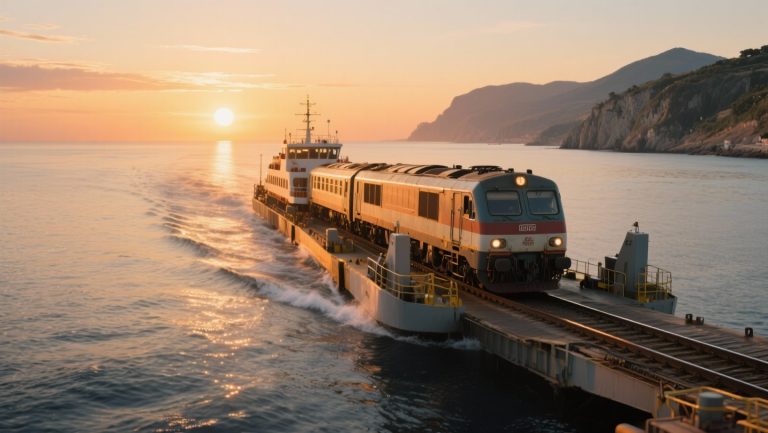
Even the islands are reachable by train, although sometimes with a slight detour. For Sicily, the Intercity night train from Rome or Naples offers a unique experience. In Villa San Giovanni, the entire train drives onto a ferry for the crossing to Messina. This way, you wake up in a different part of the island. For Sardinia, you travel by train to one of the ports, such as Civitavecchia, and take the ferry from there.
‘ The stations are centrally located, you don’t have to deal with airport procedures, and you can take more luggage than on a plane. ’
City Breaks: Italian Highlights by Train
The train is the perfect mode of transport to combine multiple Italian cities in one trip. A classic route is Venice – Florence – Rome. These cities are all on the high-speed line, allowing you to travel from one to another in just a few hours. You can easily extend your trip with a stop in Bologna, known for its culinary traditions, or continue to Naples for a visit to Pompeii and Mount Vesuvius.
Planning a city break by train is simple. The stations are centrally located, you don’t have to deal with airport procedures, and you can take more luggage than on a plane. This gives you the freedom to choose a route that perfectly suits your interests.
Round Trips: Create Your Perfect Train Route
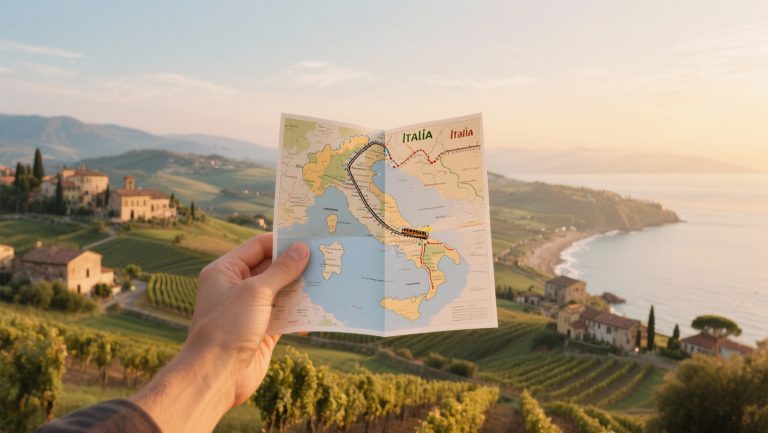
For the traveller with more time, a train round trip offers the opportunity to combine different regions. A good starting point is to plan a main route with high-speed trains and then plan day trips or shorter stays using regional trains.
Example of a round trip through Northern Italy:
- Start in Milan: explore the city of fashion and design.
- Take the train to Venice (approx. 2.5 hours) for a unique experience in the water city.
- Travel south to Bologna (approx. 1.5 hours), the culinary capital.
- From Bologna, take day trips by regional train to cities like Parma or Modena.
- Continue your journey to Florence (approx. 40 minutes) to admire the art and architecture of Tuscany.
- Conclude with a trip through the Tuscan landscape to Pisa or Lucca.
Practical Matters: Tickets, Reservations, and Crowds
Good preparation regarding tickets saves you a lot of money and time. For high-speed trains and Intercities, the rule is: the earlier you book, the lower the price. Tickets are usually available three to four months in advance. Booking can easily be done online via the websites or apps of Trenitalia and Italo. For regional trains, prices are fixed, so you can buy them shortly before departure at the station.
Be aware of crowds during national holidays and in the summer months (July and August). Especially on popular routes, it is advisable to reserve your seats in advance. If you travel outside the high season, you will enjoy more peace and often lower prices.
‘ Second class on Italian trains is comfortable and clean. ’
Tips for a Relaxing Train Experience
Travelling by train in Italy is generally very comfortable. With a few extra tips, you can make the experience even more enjoyable.
- Luggage: There are no strict luggage limits, but it is preferable to travel with compact suitcases. Storage space on trains is limited, and manoeuvring with large luggage at busy stations can be difficult.
- Amenities: Most long-distance trains have a dining car or catering service. For a longer journey, it is advisable to bring your own food and drinks.
- Class Difference: Second class on Italian trains is comfortable and clean. First class offers extra legroom, wider seats, and sometimes a welcome drink. The additional cost depends on the route and the booking time.
An Unforgettable Journey Through Italy
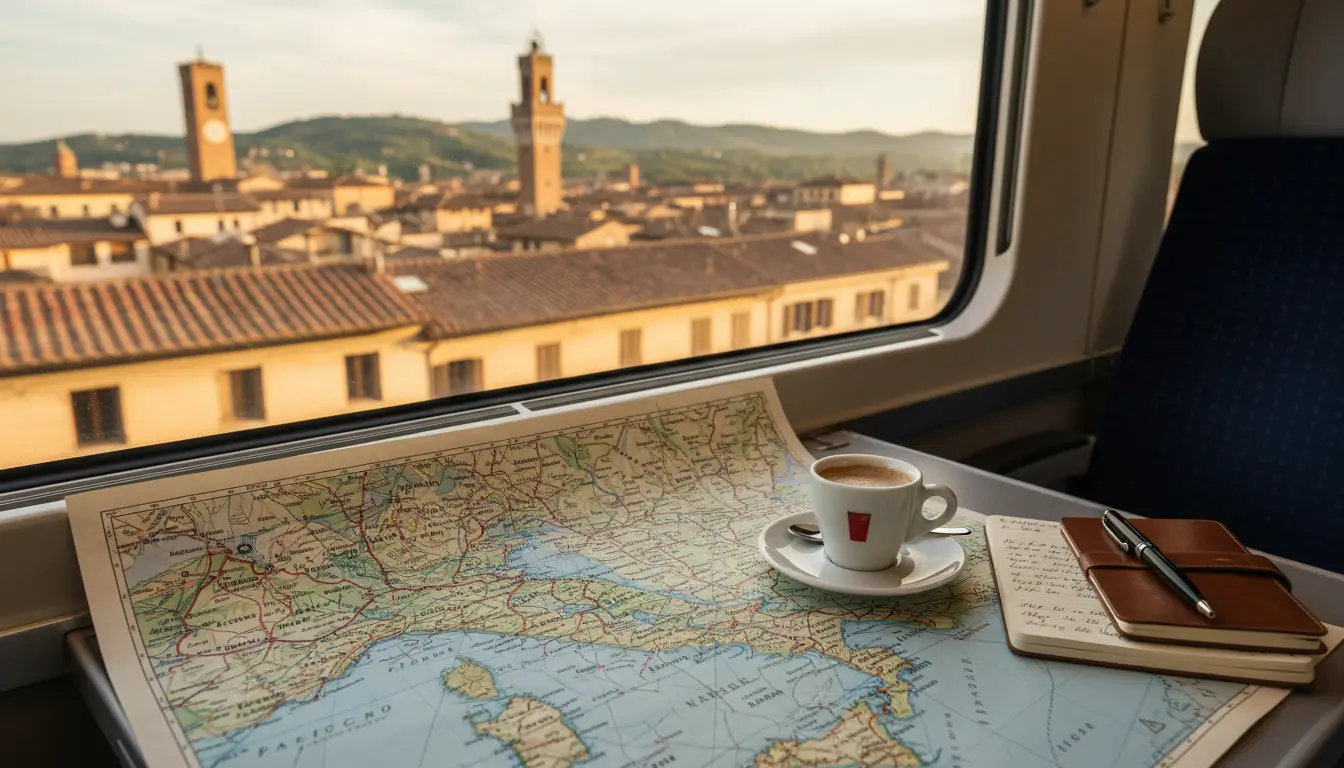
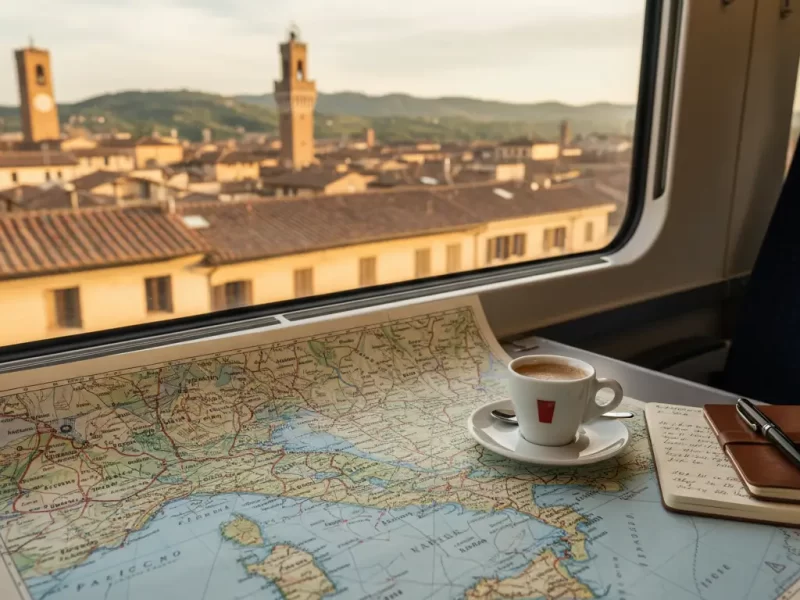
Travelling through Italy by train combines comfort, flexibility, and authenticity. Whether you choose fast connections between major cities or slower routes through the countryside, the railway network offers countless possibilities. The combination of efficient high-speed trains and charming regional connections allows you to precisely tailor the journey that suits you. With this knowledge, you can set off confidently and enjoy all the beauty Italy has to offer, as the landscape comfortably glides by.