NL
NL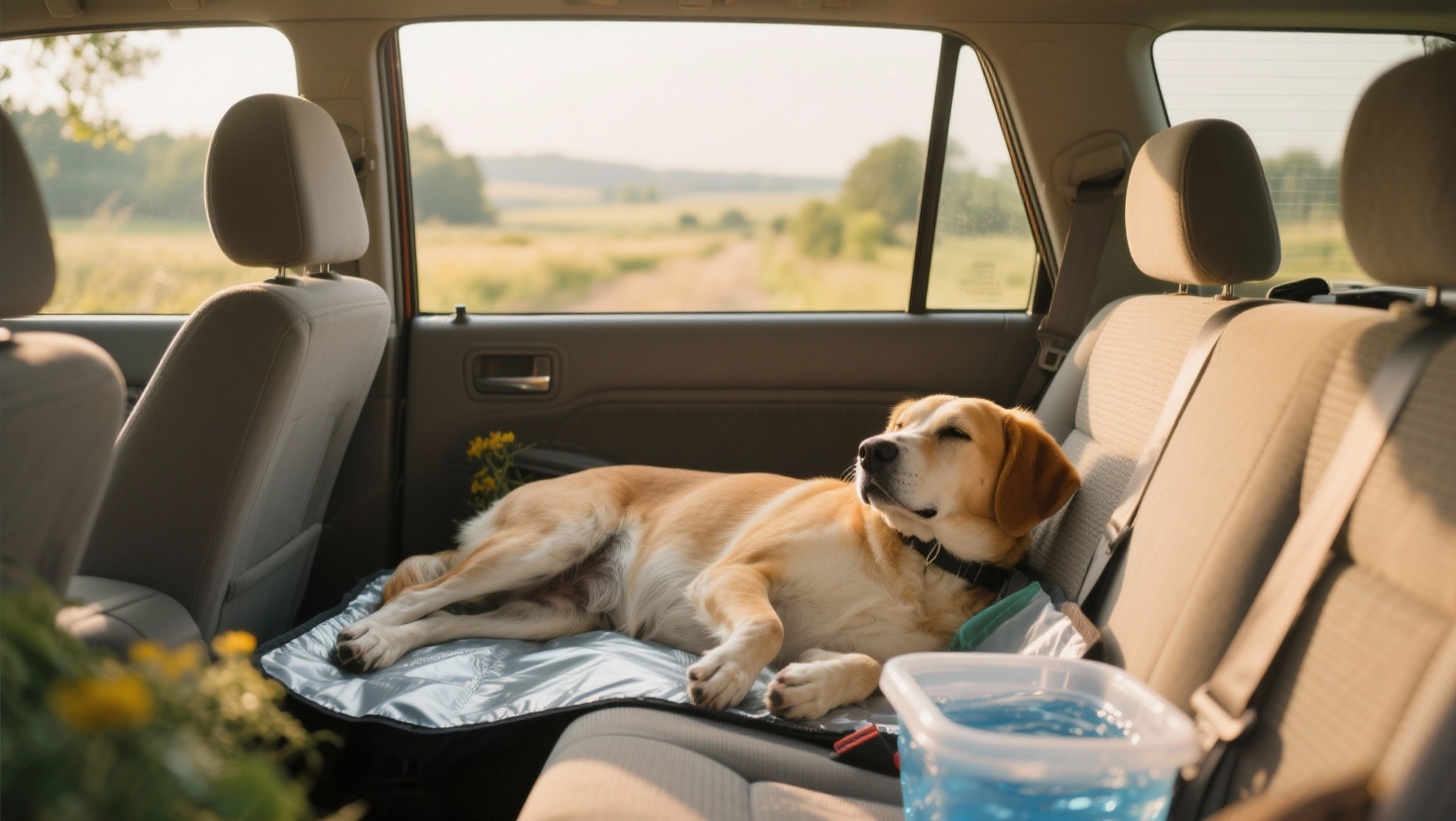
A safe trip with your dog through warm regions depends on good preparation. Effective heat prevention on a car holiday with your dog is the result of conscious choices and constant alertness. The temperature in a car rises to fatal levels within just a few minutes, even if you yourself still find it pleasant. Discover how the right planning and tools can prevent overheating so you and your dog can arrive at your destination comfortably.
The preparation: starting your journey cool
A carefree car holiday with your dog begins weeks before departure. Good preparation focuses on safety and comfort, anticipating the risks of hot weather. Start with a visit to the vet for a general health check. This is especially important if you are going on a long car journey to a warm climate, such as in Southern Europe. Ask the vet to assess whether your dog is fit enough for the journey and to give any specific advice.
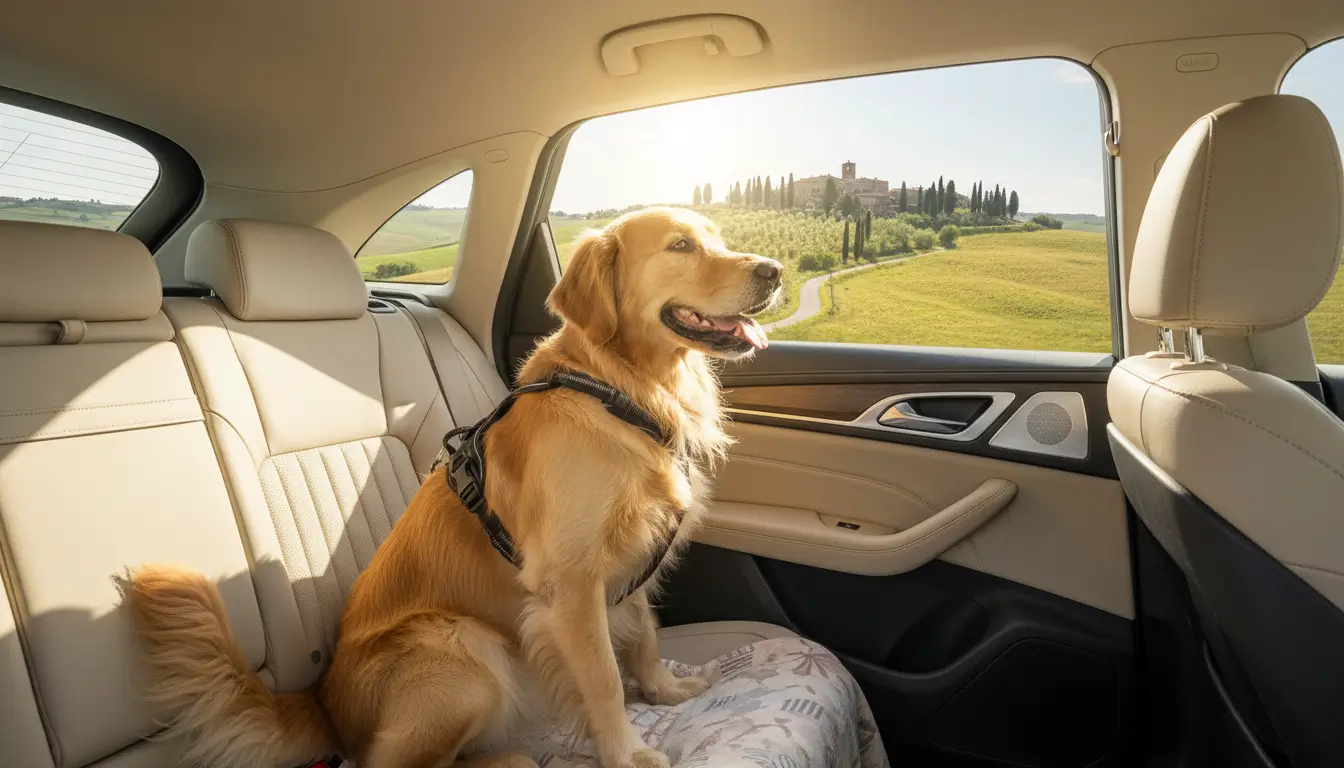
Having the right equipment is also important. A secure travel crate or a special dog seat belt not only provides safety in case of an unexpected stop, but also gives your dog its own calm space. To prevent overheating, you can equip your dog’s travel area with cooling products, such as a cooling mat placed in the crate or a cooling vest that you activate with water. Such vests lower your dog’s body temperature for an extended period.
Smart planning of your route and travel times
Route planning is crucial for preventing heat stress. Try to avoid the hottest hours of the day. This means either leaving early in the morning or driving later in the evening. Especially in countries like Spain and Italy, afternoon temperatures can rise above 40°C. By adapting your travel schedule to this, you avoid the most intense sun and heat. Plan your route so that you have enough options for shaded breaks. Look in advance for car parks with trees or covered areas where your dog can move around without being directly in full sun.
‘ Make it a rule: wherever you go, your dog goes too. ’
Temperature control in the car
Even in a moving car with the air conditioning on, the temperature can rise considerably for a dog. Dogs lose heat far less efficiently than humans; they do this mainly via their paw pads and by panting. The area at the back of the car, especially near the rear window, becomes significantly warmer than the front. It is therefore advisable to direct the airflow from the air conditioning properly towards the back and to keep a constant eye on the temperature.
One of the most common and most dangerous mistakes is leaving a dog alone in a parked car. Do not leave a dog alone in a parked car, not even for a few minutes with a window slightly open. The inside temperature of a car rises very quickly, even if it is parked in the shade. Within ten minutes the car turns into an oven, with fatal consequences for your dog. Make it a rule: wherever you go, your dog goes too. If you really must leave the car briefly to run a quick errand, make sure someone stays with the dog with the air conditioning on, or take the dog outside with you.
Essential tools for on the road
In addition to standard equipment, there are specific products that help keep your dog cool during the journey. Make sure you always have enough fresh water with you. Give your dog water at room temperature, as ice-cold water can cause stomach problems. A foldable drinking bowl is useful and takes up little space.
Other useful items are:
- Cooling mat or Body Cooler: These mats often stay cool for up to two days and can be used both in the crate and on the back seat.
- Cooling collar: A simple but effective way to provide direct cooling around the neck.
- Sunshades: Attach these to the side windows to reduce direct sunlight on your dog.
- Towels and cool packs: Wrap a frozen cool pack in a towel. Never place this directly on the dog, but nearby so that the surrounding area becomes cooler.
Breaks and exercise: watch out for hot surfaces
Regular breaks are important, especially on hot days. Stop at least every two hours so your dog has the chance to drink, relieve itself and move around a bit. Keep physical exertion limited. A short, calm walk in the shade is enough. Avoid rough play or running, as your dog can overheat quickly.
A frequently underestimated danger is hot asphalt. At an outside temperature of 25°C, the temperature of asphalt can already rise to 50°C. At 30°C outside, it can exceed 60°C. This causes severe burns to your dog’s paw pads. Check the surface each time with the palm of your own hand: if you cannot keep it there for longer than seven seconds, it is too hot for your dog. Look for grass or sand in the shade. Alternatively, you can use special dog shoes to protect the paws.
How do you recognise overheating?
Despite all precautions, it is important to recognise the signs of overheating. Be alert to the following symptoms:
- Extreme and heavy panting
- Excessive drooling
- Lethargy or restlessness
- Dark red or purple tongue and gums
- Vomiting or diarrhoea
- Staggering or collapsing
If you notice any of these signs, you must act immediately. Take your dog straight to a cool, shady place. Offer small amounts of lukewarm water. Cool your dog by pouring water over the coat, belly and paw pads. Do not use ice-cold water, as this constricts the blood vessels and slows down the cooling process. If you suspect overheating, contact a vet immediately.
A well-planned car holiday takes all passengers into account, including your dog. On the Traveler Tips website you will find more practical overviews and checklists for planning your ideal road trip, from the best routes in Europe to the mandatory equipment for your car. Find out more and set off well prepared.
Frequently asked questions
Plan your driving route so that you travel during the coolest hours of the day, such as early in the morning or late in the evening, to avoid peak heat. Schedule regular shaded breaks where your dog can rest and drink on grass or sand instead of hot asphalt. Use cooling products such as a cooling vest or mat and always ensure there is enough fresh water. Check the temperature of the asphalt with the palm of your hand and avoid hot surfaces to protect your dog’s paws.
To keep your dog cool and hydrated in the car and on holiday, it is essential always to have fresh water and a foldable drinking bowl to hand. Consider a cooling vest, such as the DRY® Cooling Vest, or a cooling mat/Body Cooler that provides long-lasting cooling. Ensure shaded breaks and avoid hot surfaces by choosing grass or using dog shoes. Never leave your dog alone in a parked car, not even for a short time.
Symptoms of overheating in your dog include extreme panting, drooling, lethargy, restlessness or vomiting. If this occurs, take your dog straight into the shade, offer water and wet the paw pads. Cool the dog with water and, in case of serious symptoms, contact a vet or the emergency services immediately. Prevent heat stress by maximising air conditioning, taking shaded breaks and always having fresh water and cooling products to hand.
During a heatwave, you should avoid hot surfaces such as asphalt and sandy beaches in the daytime with your dog, as these can reach temperatures of 50–60°C. Never leave your dog alone in a parked car, even briefly. Cooler alternatives include walking early in the morning or late in the evening, taking shaded breaks, paddling in shallow water, or using a bike trailer so your dog gets exercise without heat stress. Always provide plenty of fresh water and cooling products such as cooling vests or mats.
Reliable cooling systems for dogs in a warm car include cooling vests, such as the DRY® Cooling Vest, which cools for up to three days with water, and cooling mats such as the Body Cooler mat, which stays cool for two days. Use these to best effect by placing cooling mats or frozen towels in a crate and always wrapping cool packs in a towel. In addition, always provide fresh water and drive during the coolest hours of the day. **Never** leave a dog alone in a parked car.