 NL
NL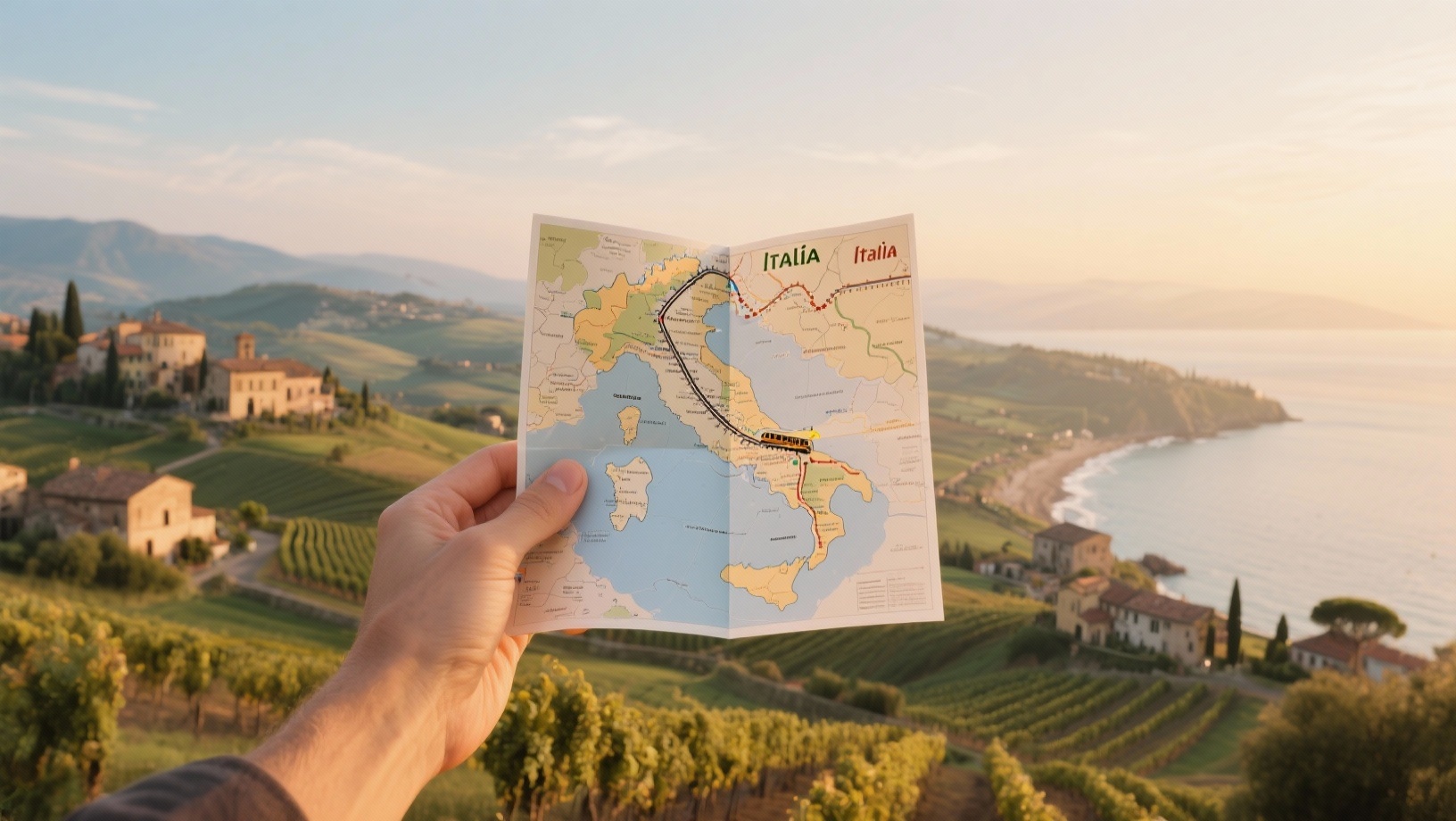
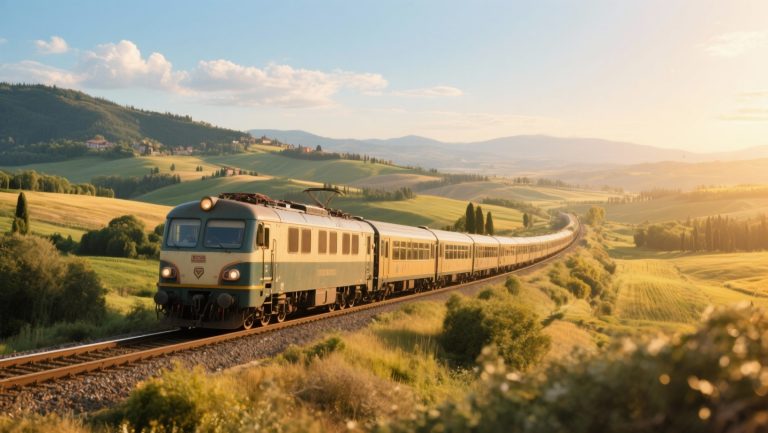
A journey with Interrail through Italy gives you the freedom to discover the country from the Alps to Sicily at your own pace. The key to a successful trip is good preparation, especially when it comes to reserving seats on high-speed trains. Understand how the system of passes, train types and supplements works, and you’ll be well on your way to a comfortable and unforgettable journey. Read on and find out how to plan your own train trip through Italy.
Which Interrail pass do you need for Italy?
For a train trip through Italy there are two types of passes you can consider. The choice depends on how your trip is set up. If you’re planning a round trip solely within Italy’s borders, the Interrail One Country Pass for Italy is the most logical option. With this you choose a fixed number of travel days within one month, on which you can make unlimited use of the national rail network.
But if your journey already starts in the Netherlands or another European country, you’ll need an Interrail Global Pass. This pass is valid in more than thirty countries, including the routes to and from Italy. Both passes give access to the trains of the national railway company Trenitalia, from regional stopping trains to the fast Freccia high-speed trains.
‘ For all of these trains you must reserve a seat, even if you have a valid Interrail pass. ’
High-speed trains and reservations: the heart of your planning
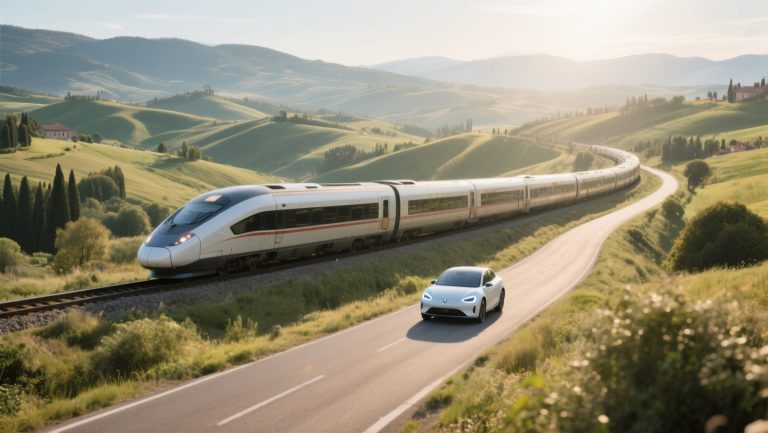
Italy has an extensive network of high-speed trains that quickly connect cities such as Milan, Venice, Rome and Naples. These are the Le Frecce (the arrows) trains: Frecciarossa, Frecciargento and Frecciabianca. The InterCity trains (IC) are also in this category. For all of these trains you must reserve a seat, even if you have a valid Interrail pass. The pass does not cover this reservation and there is an additional supplement, usually between €10 and €15 per journey.
You can make these reservations quickly via the Interrail app, the NS International website or at a ticket machine at an Italian station. Especially in high season, reserve your seats for popular routes well in advance to be sure of a place.
The flexibility of regional trains
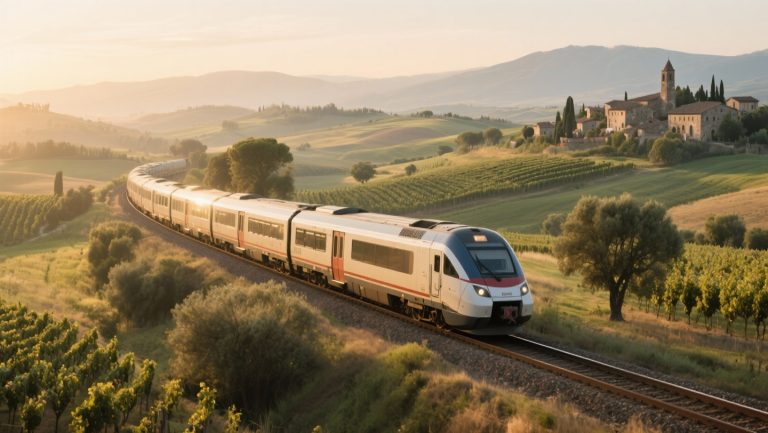
Alongside the fast trains there is a dense network of regional trains (Regionale and Regionale Veloce). For these trains, a reservation is not required. You can board with your Interrail pass and look for an available seat. This offers a lot of flexibility to explore smaller towns and rural areas. If you are using a paper ticket for a regional train, don’t forget to validate it before boarding in one of the machines on the platform. This will help you avoid a fine.
How do you plan an Interrail route through Italy?
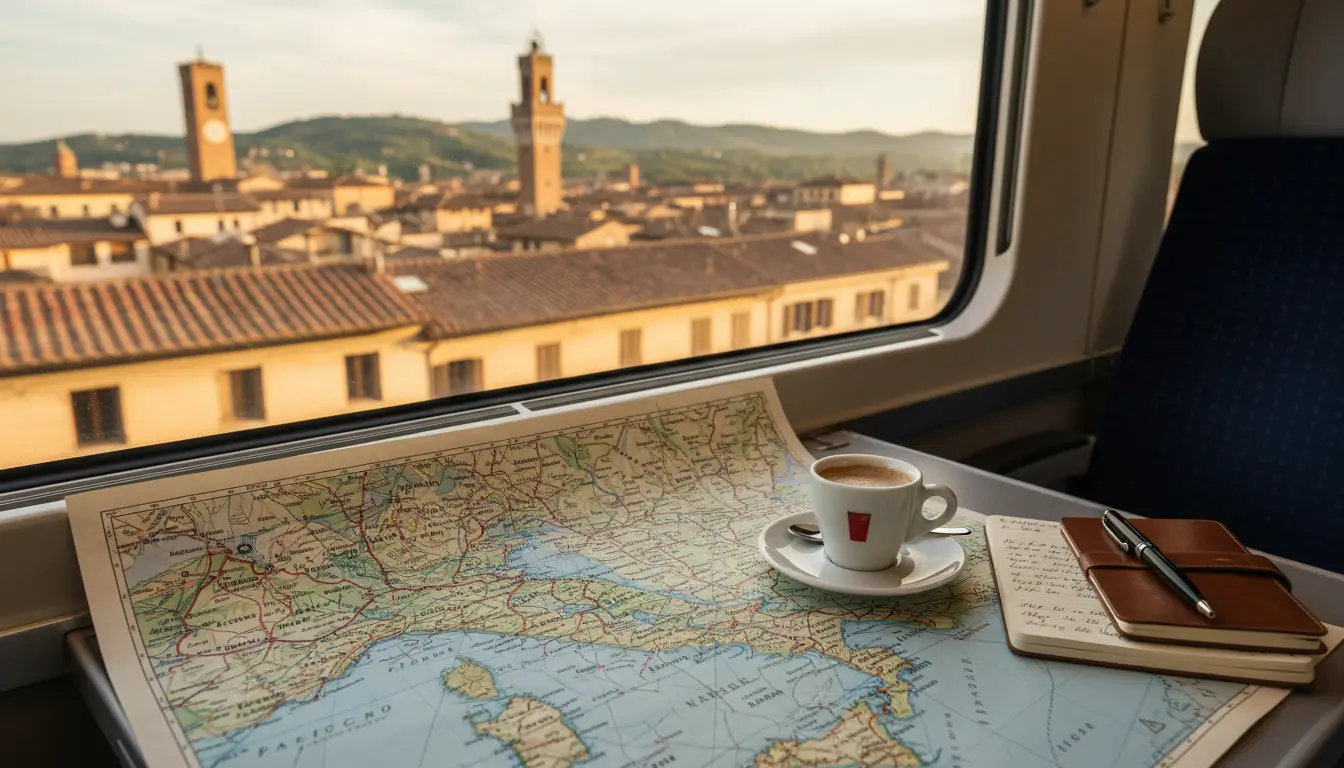
A good starting point for a route from north to south is the city of Milan. From here you can map out a logical and varied journey that takes you past the country’s highlights. A classic route for roughly two to three weeks could look like this:
- Milan: Milan is easy to reach from the Netherlands and the rest of Europe.
- Venice: A direct high-speed connection takes you to the world-famous city of water in a few hours.
- Florence: Travel further south to the heart of Tuscany, the cradle of the Renaissance.
- Rome: The capital is an essential stop, full of ancient sights and atmospheric neighbourhoods.
- Naples: From Rome you can quickly reach the vibrant city of Naples, an excellent base for a visit to Pompeii and Vesuvius.
This route is a solid foundation, but with Interrail you can deviate from it. For example, consider a stopover in Bologna, known for its culinary traditions, or explore the coastline of the Cinque Terre by taking the regional train between Genoa and Pisa.
Travelling for a month: from the Netherlands to Sicily
With a month at your disposal you can make an extensive journey that takes you from Amsterdam to the southernmost tip of Italy. For the journey from the Netherlands you’ll need the Global Pass. Consider taking a night train to Austria or Switzerland, so that you arrive in northern Italy the next morning well rested.
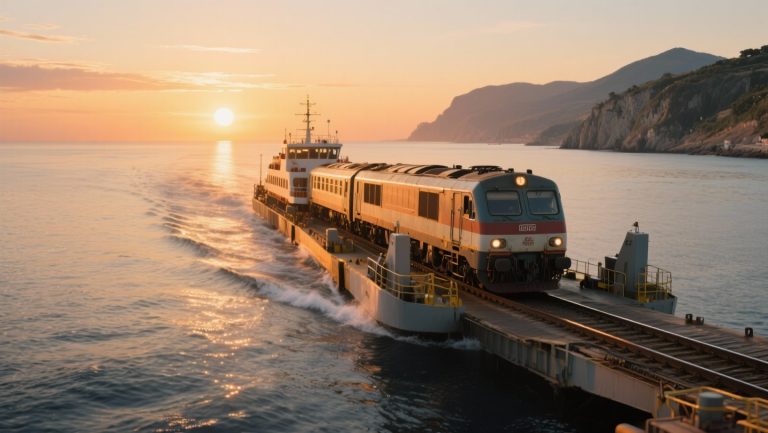
From Naples you can continue travelling south towards the region of Calabria. The journey to Sicily is a special experience. At Villa San Giovanni the train literally drives onto a ferry, which then crosses the Strait of Messina. Your Interrail pass is also valid for this crossing. Once on Sicily, you can explore cities such as Messina, Catania and Palermo by train.
Tips for a long train journey
During a trip of a month, alternate fast and slow stretches. Use the Frecciarossa to cover long distances and take your time travelling by regional train through the hills of Tuscany or along the Ligurian coast. Make use of the 19:00 rule: if you take a night train that departs after 19:00 and arrives after 04:00, it only costs you one travel day. This not only saves a travel day on your pass, but also the cost of a night’s accommodation.
Good planning is half the battle, but the real strength of an Interrail trip is the freedom to adjust that plan along the way. On the Traveler Tips website you’ll find many more articles about planning train journeys, route inspiration for Italy and practical guides for popular destinations. Discover more and get ready for an unforgettable journey through la bella Italia.
Frequently asked questions
With Interrail through Italy you can discover iconic routes such as Milan–Venice–Bolzano and Rome–Naples, which connect art cities and historic locations. Lesser-known gems include the Bologna–Pistoia route through the Tuscan hills and Genoa–Pisa along the Cinque Terre. Take advantage of the flexibility of regional trains to explore hidden spots.
For Interrail in Italy you choose between a One Country Pass or a Global Pass. Reservations are compulsory for high-speed and night trains and can be bought via the Interrail app, NS International or at stations; regional trains do not require reservations and are included with the pass. Ideally, book your seats at the same time as you purchase your pass. For a smooth journey, avoid rush hours, consider travelling in the evening from 19:00 onwards for extra travel-day value, and always validate paper tickets for regional trains to avoid fines.
To get the most out of your Interrail adventure in Italy, booking both your pass and compulsory seat reservations early is essential, especially for high-speed and night trains. Choose the right pass (One Country or Global) and take advantage of age discounts, while considering regional trains for more flexibility and lower costs. Don’t forget to validate your paper tickets on regional trains to avoid fines and travel after 19:00 to benefit from extra travel-day value. Be aware that Italo trains are not covered, and avoid crowds by travelling in second class during peak hours.
To make an Interrail trip through Italy carefree, combine flexible travel with the One Country Pass or Global Pass with strategic accommodation choices close to stations. Make use of regional trains for flexibility and consider night trains to save time. For luggage management, avoid rush hours and book popular high-speed trains well in advance. Use travel forums and apps for up-to-date tips and book local experiences that fit in with your train routes.