 NL
NL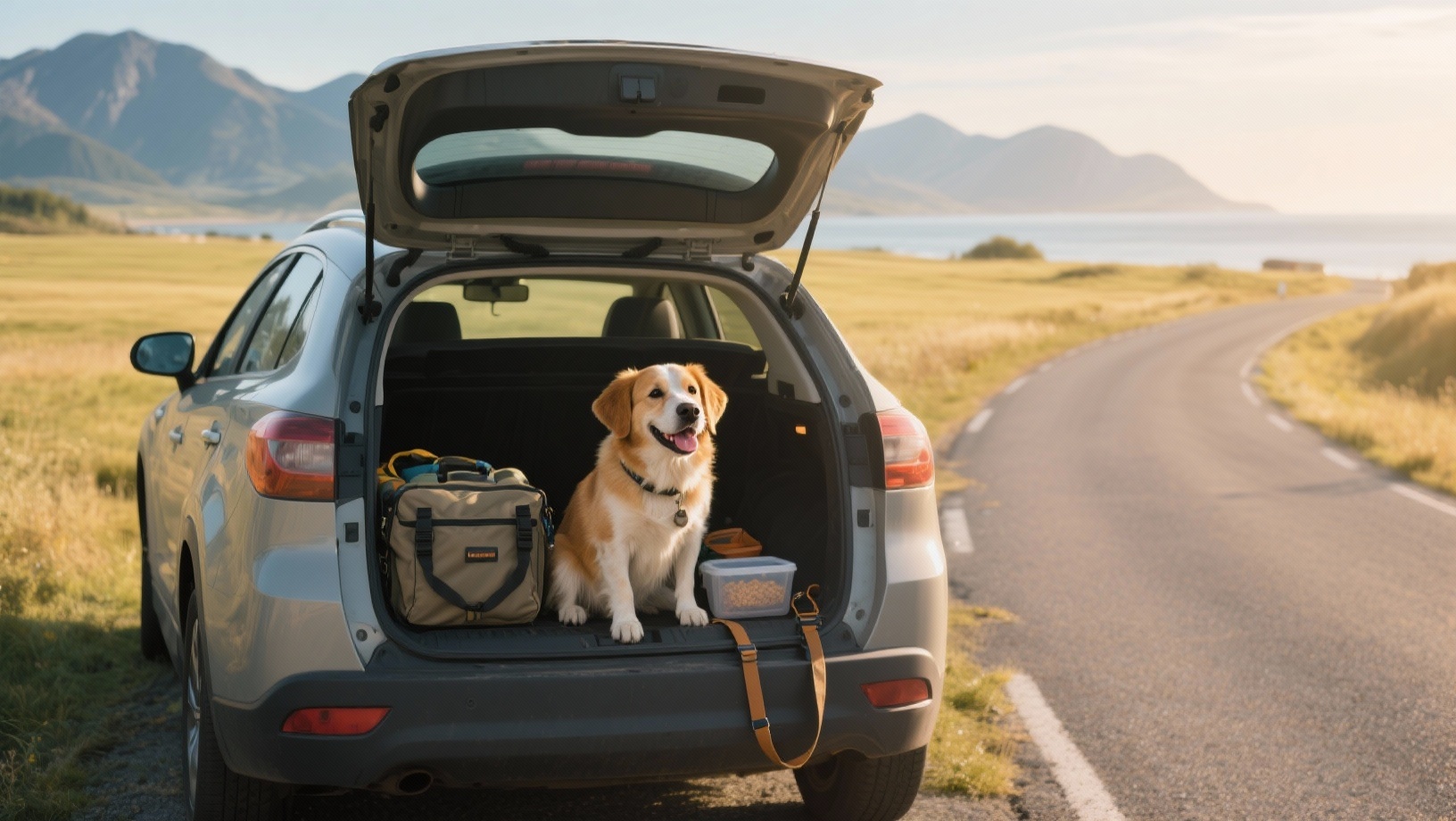
A successful driving holiday with your dog does not start with packing your suitcases, but with the right administrative and practical preparations. Good planning ensures that your four-legged friend travels safely, legally and comfortably, without unexpected problems at the border or at your destination. The right preparations are therefore an important step towards a relaxed trip. How do you make sure that both you and your dog can set off without worries? We explain it step by step.
The right paperwork: travelling within Europe
Within the European Union there are general rules for travelling with pets. Without the right documents, your trip can suddenly come to an end at a border check or during a routine inspection. So make sure you have the basics in order. The rules have been drawn up to prevent the spread of diseases such as rabies and to safeguard animal welfare.
European pet passport and identification
Every dog that crosses a border within the EU needs an official European pet passport. This document, issued by a vet, contains all important information about your dog. This includes the breed, date of birth and vaccination history. The passport is directly linked to the identification of your dog. This is done via a microchip that is implanted under the skin. This chip contains a unique registration number that is recorded in the passport. For dogs born before 3 July 2011, a clearly legible tattoo is also still sufficient as identification.
Vaccinations and health certificate
The most important compulsory vaccination for travel within the EU is against rabies. This vaccination must be given at least 21 days before departure. The validity of the vaccination is clearly stated in the passport. So plan your visit to the vet well in advance. Depending on your destination, additional vaccinations or preventive treatments against parasites such as ticks and heartworm are advisable. Discuss your travel plans with the vet. He or she will advise you about specific health risks in the region you are travelling to and will ensure the right protection.
‘ A loose dog in the car is safe for no one. ’
Preparing your dog for a long car journey
A long car journey will be an unpleasant experience for a dog if it is not used to it. Some dogs get travel sick, while others become restless or anxious. By preparing your dog step by step, you ensure a calmer journey for everyone. Good preparation reduces stress and creates a safe environment in the car.
Getting used to the car
Start getting your dog used to the car a few weeks before your holiday. Begin with short drives to a fun place, such as a park or a forest. This way your dog learns to associate the car with a positive experience. Gradually increase the length of the journeys. Do not give your dog a large meal just before departure to prevent nausea. A good walk before you get into the car also helps. This allows your dog to use up some energy and makes it more likely that he or she will sleep calmly during the journey.
Safety in the car
A loose dog in the car is safe for no one. In the event of sudden braking your dog will be thrown through the car, with serious injury as a result. In addition, a loose dog distracts the driver. In some countries, such as Germany, it is even compulsory to secure your dog in the car. There are several ways to do this:
- Dog seat belt with harness: A special belt that you attach to a harness. This gives the dog some freedom of movement, but ensures that he or she stays safely in place. Never use a collar alone, as this can cause serious neck injuries in a collision.
- Travel crate or kennel: This is one of the safest options. A sturdy crate, secured in the boot or on the back seat, provides your dog with its own protected space. Make sure the crate is large enough so the dog has room to stand and lie down.
- Dog guard: A guard that is placed between the boot and the passenger compartment. This is especially suitable for estate cars and gives the dog plenty of space, while preventing it from disturbing the driver.
Checklist: what should you take with you for your dog?
In addition to the compulsory documents there are a number of items that make the journey and your stay more pleasant and safer for your dog. A good packing list prevents unpleasant surprises on the way. Think practically and above all take familiar things with you to give your dog a sense of home.
For on the road and at your destination
- Water and drinking bowl: Make sure you have enough fresh water for the journey. A collapsible drinking bowl is handy for this.
- Food: Take your dog’s usual food with you. A sudden change of diet can cause stomach and intestinal problems.
- Snacks and treats: Useful during breaks or to reassure your dog.
- Poo bags: An obvious item, but indispensable.
- Familiar blanket or bed: The smell of home helps your dog to feel at ease more quickly in a new place.
- Toys: Take along a few favourite toys for entertainment.
- Towels: Always useful after an unexpected swim or a rain shower.
- First-aid kit for dogs: A basic set containing items such as a tick remover, disinfectant and bandages.
An important warning for the summer months: never, absolutely never, leave your dog alone in the car, not even for a few minutes with a window cracked open. The temperature in a car can rise to life-threatening levels within ten minutes.
A relaxed journey: planning your route and breaks
A well-planned route is pleasant for both you and your dog. Driving long stretches without a break is tiring and stressful. By stopping regularly, you keep the journey enjoyable for everyone. Do not overfill your travel day and take your time. After all, the holiday begins the moment you close your front door behind you.
Stop at least every two hours for a short break. Look for a quiet car park, preferably with some greenery, where your dog can stretch his or her legs, have a sniff around and relieve him- or herself. Give some water to drink and possibly a small snack. Avoid busy service stations on the motorway if they make your dog uneasy. If you have a long journey ahead that will take several days, book a dog-friendly hotel for an overnight stay in advance.
Good preparation is the foundation for an unforgettable holiday with your dog. On the Traveler Tips website you will find many more articles to help you plan your ideal driving holiday. From the most beautiful routes through the Alps to the rules for low-emission zones in European cities. Explore our detailed articles and set off perfectly prepared.
Frequently asked questions
For a worry-free driving holiday abroad with your dog, a European pet passport, a microchip and a valid rabies vaccination are essential. A visit to the vet for a health check, vaccinations and parasite prevention is also strongly recommended. Do not forget to check regional rules, such as the obligation to secure your dog in the car in Germany.
To guarantee your dog’s safety and wellbeing in the car during long journeys, always secure your dog with a dog seat belt and harness, or in a crate or travel kennel. Make sure you are well prepared by getting your dog used to the car and the harness, and take essential items such as water and snacks with you. Plan stops every two hours so your dog can relieve him- or herself and have a drink, and never leave your dog alone in the car because of the risk of overheating.
To find the most dog-friendly destinations and accommodation, it is essential to book early and check in advance whether attractions and places to stay are accessible for dogs. Use special apps such as BringFido, which travellers recommend for dog-friendly stops. Also take the climate at your destination into account, for example heat in southern Europe or cold in mountain areas. Make sure that the accommodation and surroundings meet your dog’s needs.
For a smooth journey with your dog, from departure to arrival, good preparations are essential. Make sure you have all compulsory documents such as a European pet passport and valid vaccinations. Get your dog used to the car and to a safe harness, crate or travel kennel. Pack essentials such as water, snacks, poo bags and a familiar blanket, and plan regular stops every two hours for toileting and drinking, booking dog-friendly overnight stays along the way.
Optimise your route planning by scheduling stops every two hours for toileting, drinking and short walks. Use apps such as Park4Night to find dog fields at Raststätten or aires in, for example, France and Germany, and BringFido for dog-friendly stops. Avoid the hottest part of the day by planning smartly and book dog-friendly overnight stays and destinations in advance. Take familiar items and enough water and snacks with you to keep the journey as stress-free as possible.