 NL
NL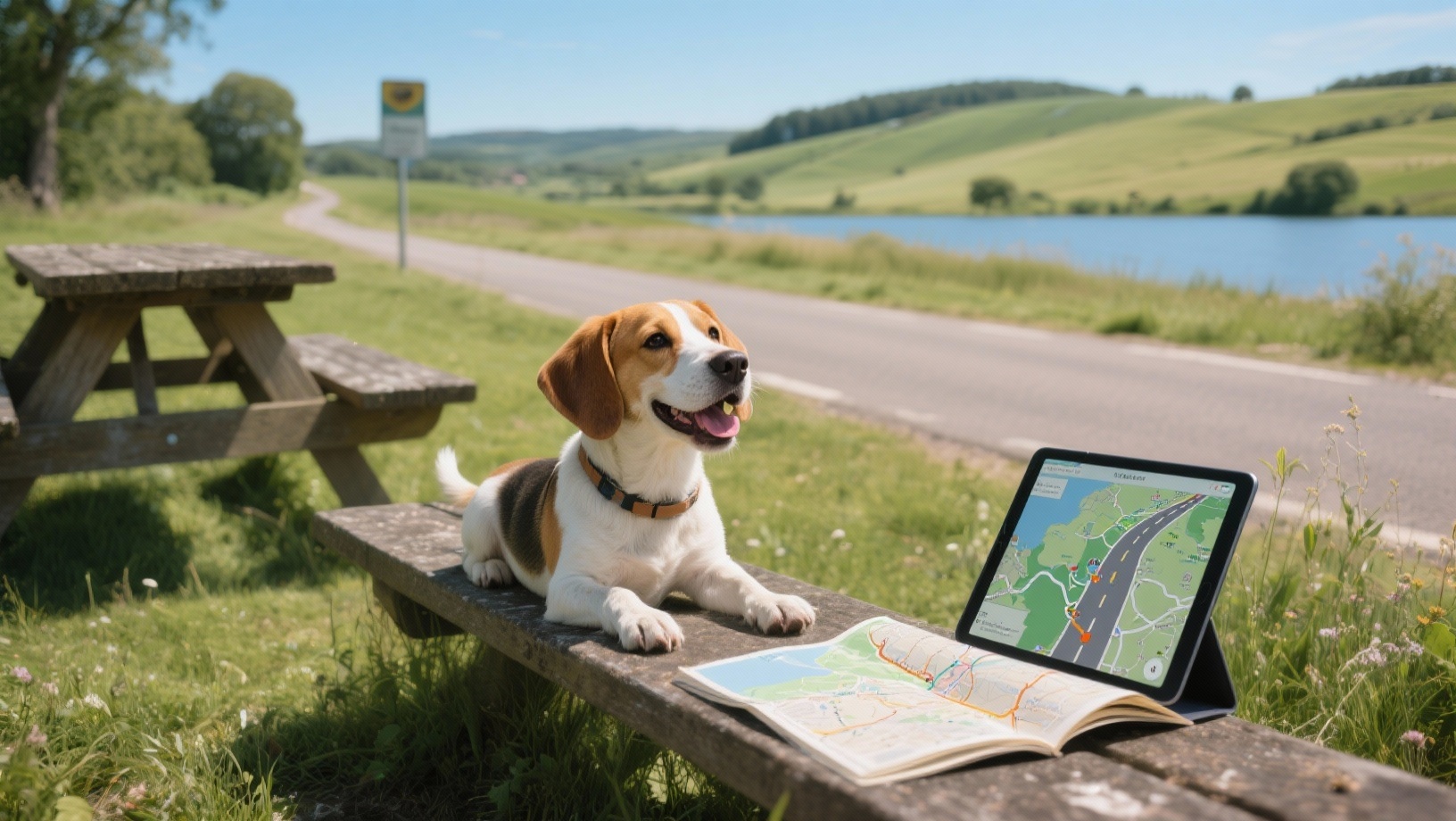
A successful driving holiday with your dog depends entirely on the quality of your breaks. Well-planned rest and toilet stops on the way are not an interruption to your journey, but an essential part of it that contributes to comfort for both animal and driver. How do you turn every stop into a relaxing moment?
Why regular stops for your dog are essential
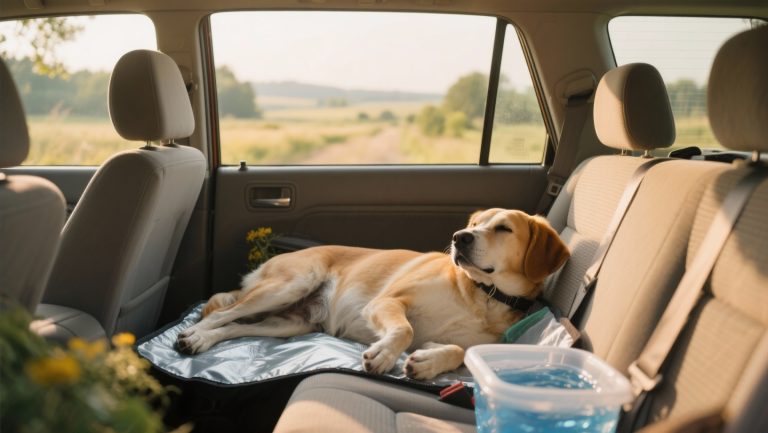
A long car journey is more intense for a dog than many people think. Dogs cannot tell you when they need a drink, want to stretch their legs or need the toilet. By proactively planning breaks, you prevent stress for your dog and stay alert as a driver. The general guideline is to stop every two to three hours for a break of at least fifteen to twenty minutes. This rhythm corresponds with road safety advice and meets your dog’s basic needs.
‘ The best places are the rest areas that are a little further away from the motorway. ’
The ideal stop: more than just a car park
Not every rest area is suitable for a dog. A busy car park right next to the motorway offers little relaxation and can even be dangerous. A good toilet stop meets a few basic conditions: there is a grass field or green strip, there is enough distance from the traffic and, in summer, there is shade. The best places are the rest areas that are a little further away from the motorway. Think of a park or a small nature reserve a few minutes’ drive from an exit.
What should you take with you for a comfortable break?
Good preparation makes every stop more efficient and more pleasant. Make sure you have the following items within easy reach:
- A long lead or flexi lead, so your dog has freedom of movement without running loose.
- A water bowl and a bottle of fresh water.
- Poo bags to leave everything clean and tidy.
- A toy so you can relax together for a moment.
Dog-friendly rest areas in Europe
The facilities for travellers with dogs differ from country to country. In general, the larger, staffed service areas have better facilities than the small, unattended car parks. With a bit of planning, you can find suitable places along every route.
Stopping in Germany, France and Austria
Germany is known for its excellent Raststätten. These are large service stations that usually have restaurants, shops and spacious green areas. Several of these places have special dog-walking areas, some even with a fenced dog park where your dog can run off the lead for a while. Look out for signs with ‘Hundeauslauf’ or ‘Hundewiese’.
In France you will find two types of rest areas along the Autoroutes: the Aires de Repos and the Aires de Service. The first are usually simple car parks with picnic tables, but they are often in beautiful locations with walking paths. The Aires de Service are larger and offer more facilities, including grass areas where your dog is welcome. The quality varies, but there are plenty of good options.
In Austria and other European countries you will find well-maintained Raststätten along the motorways. The same principle applies: the larger stations offer more comfort. A useful tactic is to explore your route using an online map service and search for parks or lakes near exits. That way, you combine a necessary stop with a nice walk.
Tips for finding the best places
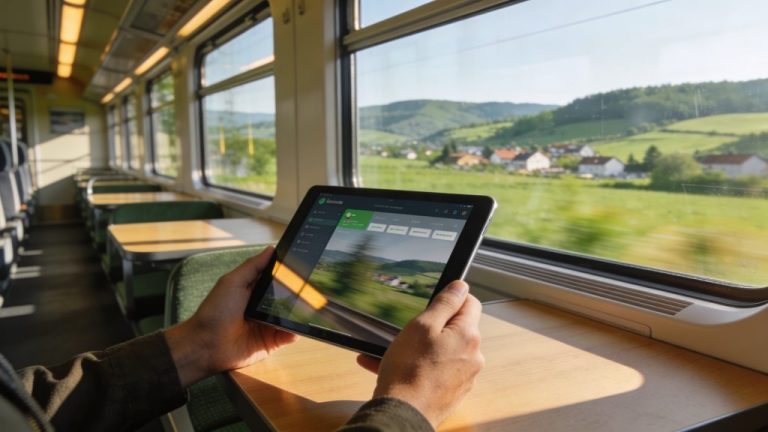
Planning your route in advance helps a great deal. Use route planners or apps such as Google Maps to check rest areas. Look at satellite images to see whether there is enough greenery. Apps aimed at travelling by motorhome, such as Park4Night, are useful too. They often provide detailed descriptions of rest areas, including how suitable they are for dogs.
Travelling with your dog does not have to make the journey more complicated. With the right planning and attention to your pet’s needs, the journey itself becomes a relaxing part of the holiday. On the Traveler Tips website you will find more practical information for planning your ideal car or road trip, from the best routes to handy packing lists.
Frequently asked questions
Traveler Tips helps travellers to travel smarter and more enjoyably. For reliable information about rest and toilet stops along your route, you can use the ANWB Routeplanner, Park4Night, Waze or Google Maps. In addition, the Traveler Tips website offers extensive information on everything involved in travelling by car, including preparation, regulations and practical tips for on the road.
Plan rest stops every 2 hours or 200 km for 15 minutes, with mandatory longer breaks of 45 minutes after a maximum of 4.5 hours of driving. Choose stops with facilities such as toilets, play areas and walking options for children and pets, and avoid crowds by stopping outside peak times. Use apps such as ANWB Routeplanner, Park4Night, Waze or Google Maps for real-time information about suitable rest areas.
Rest areas such as “De Lucht” on the A2 in the Netherlands offer grass fields, a playground and coffee, ideal for families. In Germany, the Raststätte Wiesbaden has showers, a supermarket and dog parks. The French Aire de la Vallee de l’Ain on the A6 offers picnic tables, a river and views of the Alps. For dogs there are specific dog-friendly stops you can find via apps, and in the south of France there are even stops with lavender fields for an extra special experience.
When choosing a rest stop in different countries, you should pay attention to safety by parking on the right-hand side and using your hazard lights. In terms of hygiene, toilets, showers and clean walking options are important, such as dog parks or footpaths. To manage costs, you can avoid toll roads for cheaper stops and bring your own snacks to limit spending on food and drink. Use apps such as ANWB Routeplanner and Park4Night for real-time information about facilities and reviews.