 NL
NL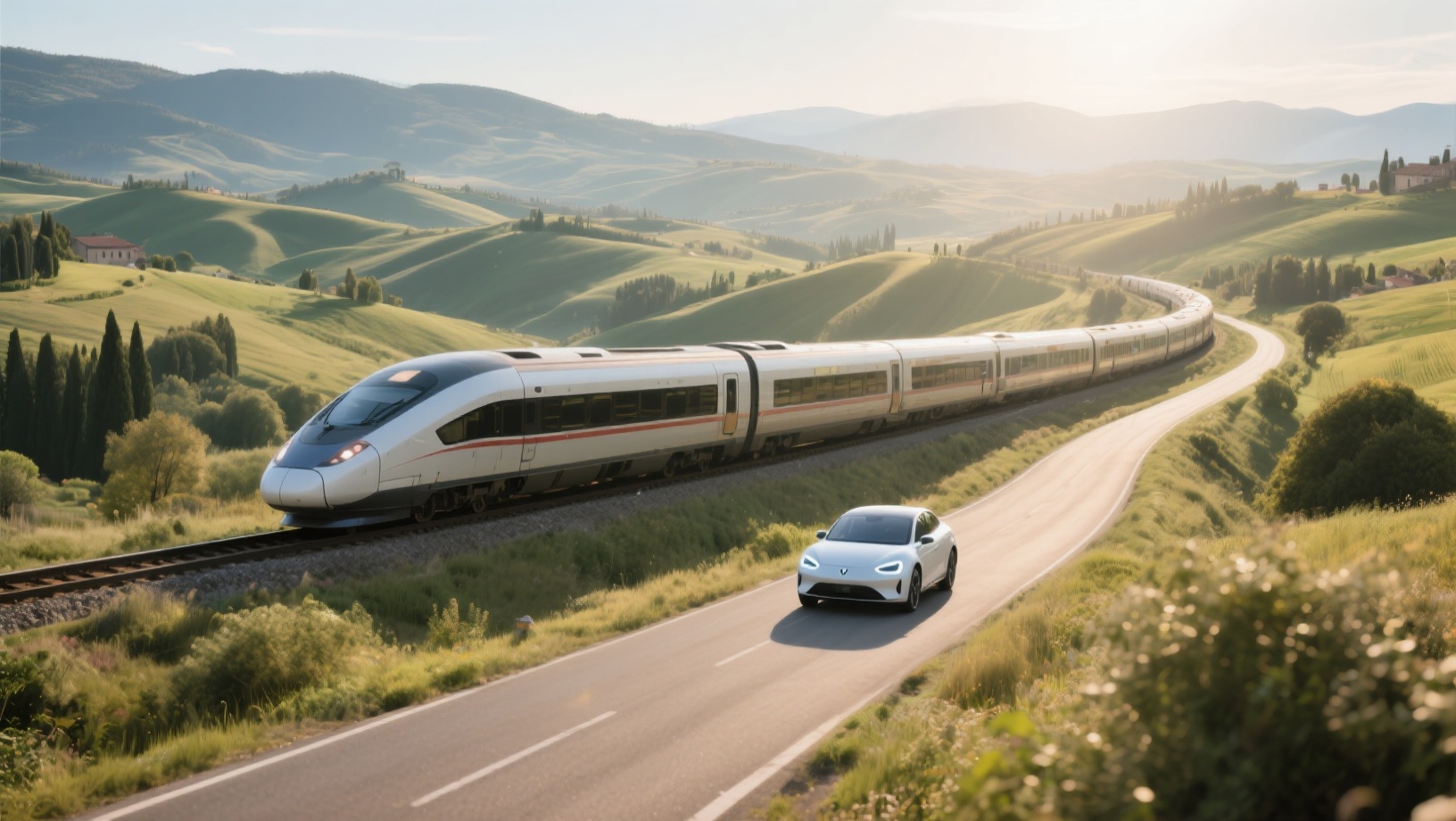
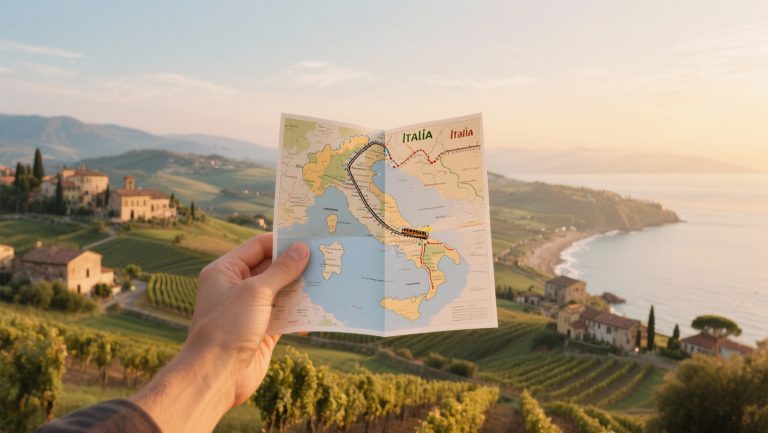
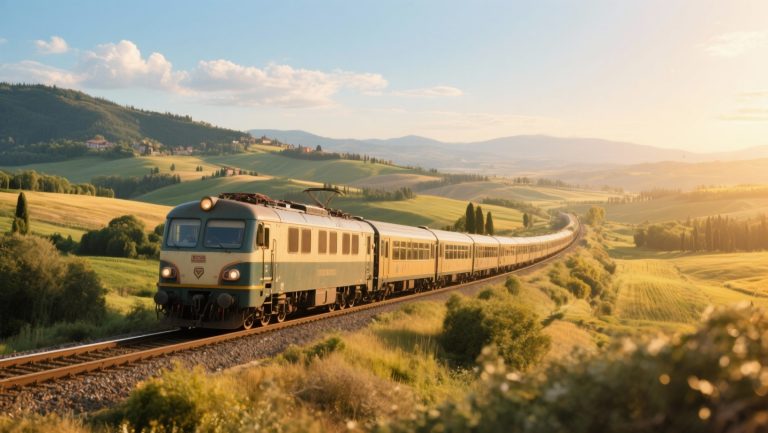
A sustainable train journey to Italy is easier than you might think. You board the Nightjet in Amsterdam and arrive well rested in Innsbruck, or continue on to Florence. Once there, you can combine your train journey with an electric car for exploring the Tuscan hills and coastal towns. Read on for schedules, practical tips and how to use this combination smartly for a comfortable trip.
Nightjet from Amsterdam to Italy
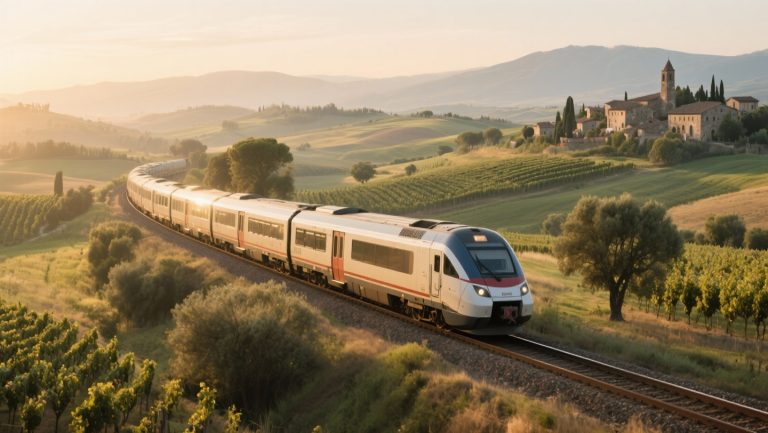
The Nightjet takes you comfortably from the Netherlands to Italy. You board in the evening in Amsterdam or Utrecht and wake up in the Alps or in Italy itself. The train runs via Germany and Austria towards Italy, with different final destinations depending on the timetable.
The main connection for Italy is the route to Innsbruck, where you can change to international services to Florence, Bologna or Venice. Some Nightjet services also run directly to Italy. When planning your journey, always check the current timetable, as routes and times can vary by season.
On the Nightjet you can choose between different sleeping options: a seated place, a berth in a six-bed couchette, or a private sleeping compartment with its own washbasin. For a comfortable night with privacy, book a sleeping compartment. For a budget-friendly alternative, choose the couchette, where you travel in a group with other passengers.
‘ Snow and black ice can delay trains during that period. ’
Changing in Innsbruck for Florence and Tuscany
Innsbruck is an important hub for travellers heading to Italy. From here, daytime trains depart regularly towards northern Italy. The connection to Florence runs via the Brenner Pass and Verona, with connections in Bologna or Verona itself.
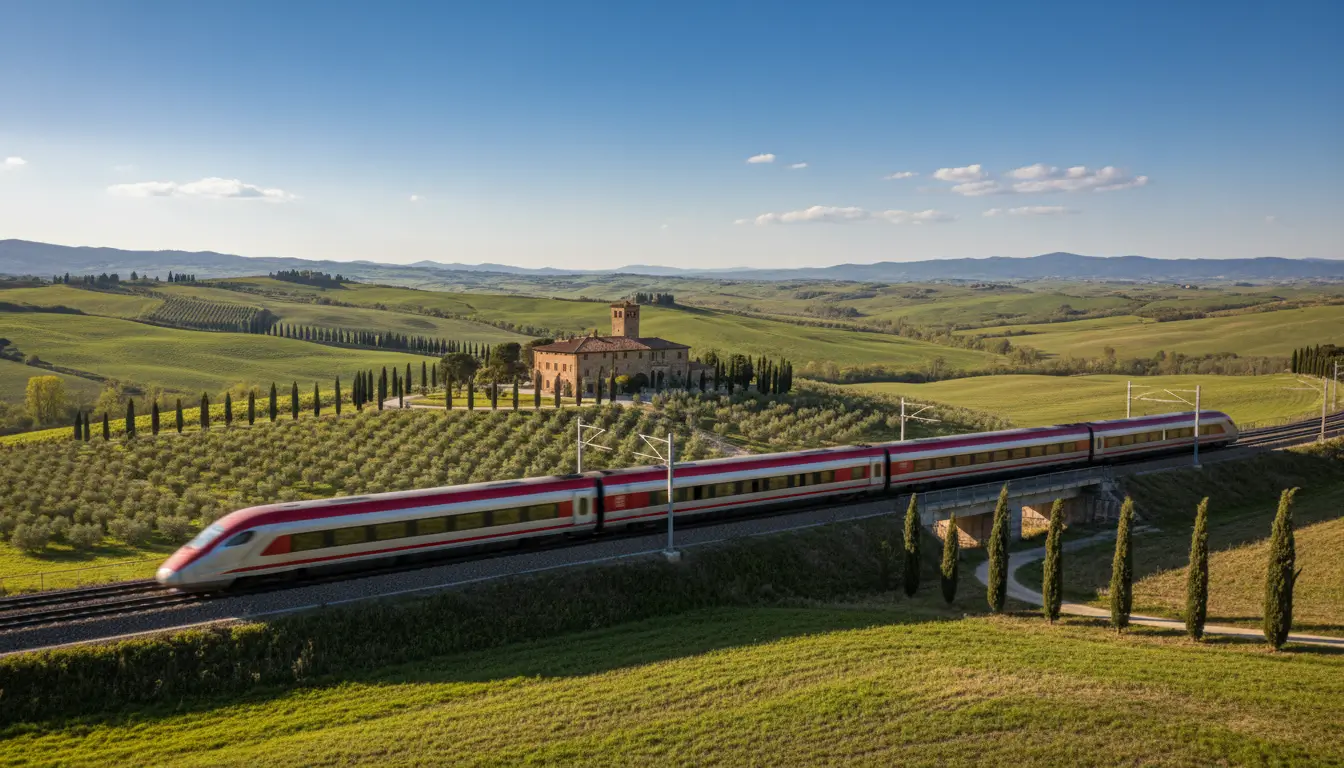
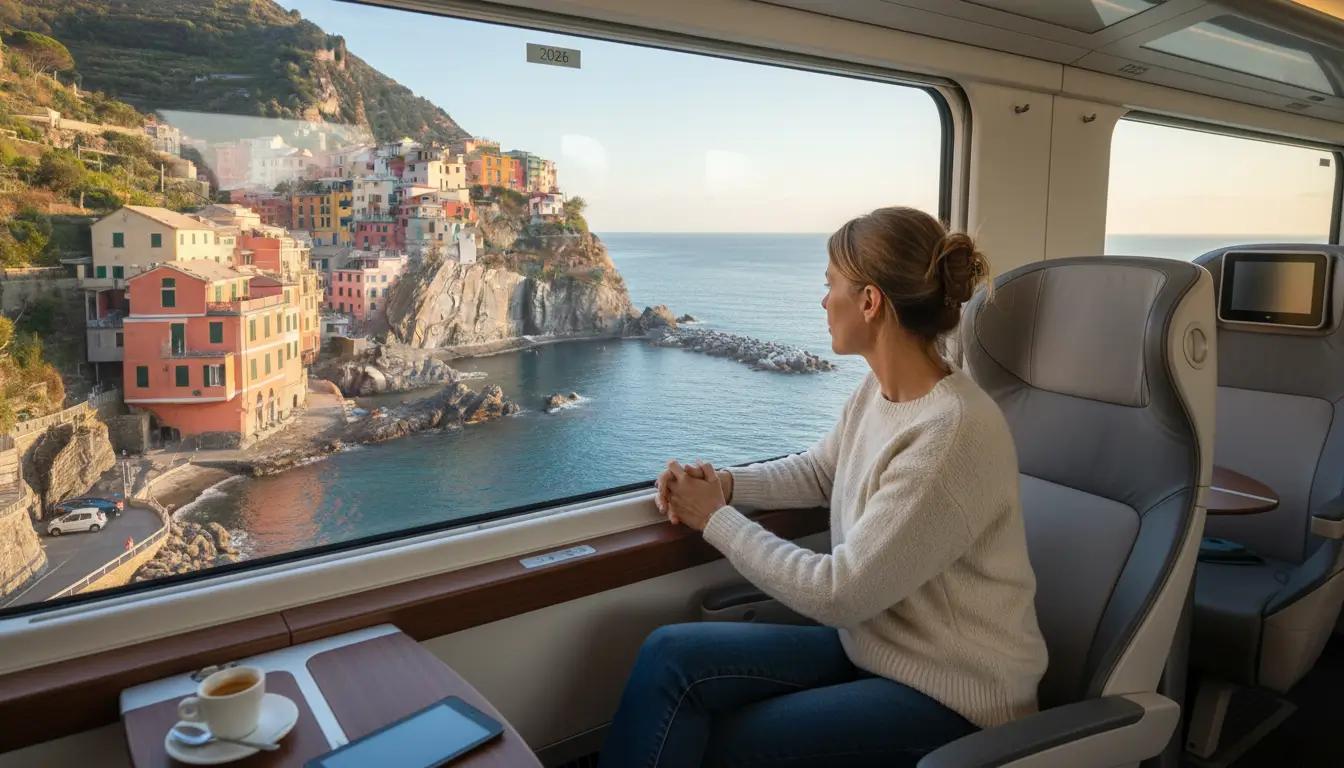
The travel time from Innsbruck to Florence is around five to six hours, depending on the number of changes. You travel through the Adige Valley and along the way you can enjoy views of mountain peaks, vineyards and Italian cities.
Make sure you leave enough time between your arrival in Innsbruck and your onward train. A transfer time of half an hour to an hour is common. When planning, take into account possible delays, especially in the winter season. Snow and black ice can delay trains during that period.
Hiring an electric car for Tuscany and the surrounding area
Once in Florence or another Italian city, you can combine your train journey with an electric car for local journeys. This gives you the freedom to explore the Tuscan hills, vineyards and coastal towns without depending on local trains or buses.
You can hire electric cars from various rental companies in Italian cities. Reserve your car online in advance to be sure of availability. When booking, pay attention to the type of charging cable and the car’s range. For drives through Tuscany, a range of 300 kilometres is usually sufficient.
Italy has a growing network of charging points, especially along motorways and in larger cities. Apps such as PlugShare and Enel X Way show available charging stations and their status. Plan your route so that you can charge along the way. For example, charge during lunch or while visiting a town or village.
Charging stations in Tuscany
In Tuscany you will find charging points in cities such as Florence, Siena, Pisa and Lucca. There are also charging options along the coast near Livorno, Viareggio and in smaller towns. Fast chargers are often located at petrol stations and car parks along motorways. Regular charging points are found in village centres and at hotels.
Bear in mind that charging speeds can vary. Fast chargers can charge your car up to 80 percent in around half an hour, whereas regular charging points can take several hours. Plan your stops with these times in mind so your journey runs smoothly.
Travelling sustainably with train and electric transport
The combination of an overnight journey and an electric car reduces the impact of your holiday on the environment. Travelling by train emits significantly less CO₂ than flying to Italy. Using an electric car in combination with sustainably generated electricity also contributes to a greener trip.
In addition, this way of travelling offers more comfort. You avoid waiting times at airports, have more space on the way and arrive right in the heart of your destination. The Nightjet offers a restaurant or bistro on board where you can eat in the evening or in the morning.
- Lower CO₂ emissions compared with flying
- No stress from airports and long waiting times
- Direct connections to city centres
- Flexibility on the spot with an electric car
‘ This combination makes your trip varied and gives you time to discover Tuscany at your own pace. ’
Practical tips for your trip
Book your train ticket and car as early as possible. Especially in high season, sleeping compartments on the Nightjet are quickly fully booked. The same applies to electric cars, which are less widely available than regular hire cars.
Pack light. On the Nightjet there is limited space for luggage, especially in a couchette. Hand luggage and a small suitcase are usually enough. Think of a bottle of water, a snack and possibly earplugs for a quiet night.
Check in advance whether your driving licence is valid for hiring a car in Italy. A European driving licence is sufficient, but some rental companies impose a minimum age or require experience with electric cars.
Exploring the Tuscan coast and islands
With an electric car you can easily reach the Tuscan coast and ports such as Piombino and Livorno, from where ferries depart to islands such as Elba. On Elba itself there are also charging points available. The network there is smaller than on the mainland, though. Reserve a charging spot in advance where possible, especially in high season.
The drive from Florence to the coast takes about an hour and a half. You drive through rolling hills and vineyards and can stop along the way at villages such as San Gimignano or Volterra. This combination makes your trip varied and gives you time to discover Tuscany at your own pace.
Reaching Veneto and other regions by train
Besides Tuscany, you can also reach Veneto sustainably by train. Trains from Innsbruck run via Verona to Venice, Padua and Vicenza. The travel time from Innsbruck to Venice is around four hours. From Verona or Venice you can take local trains to smaller towns in the region.
In Veneto and the surrounding area, the network of electric charging points is well developed. Cities such as Verona, Vicenza and Treviso have charging stations, as do the smaller towns around Lake Garda. This way you can also combine train journeys with electric transport here.
On the Traveler Tips website you will find more information about train routes to other Italian regions, tips for slow travel and in-depth guides on electric driving in Europe. Discover how to plan your next trip even more consciously and comfortably.
Frequently asked questions
You plan and book a Nightjet trip to Italy by first choosing your overnight connection from the Netherlands or Germany to cities such as Innsbruck, Verona, Bologna or Milan on the ÖBB website (or via platforms such as NS International or Trainline) and reserving your couchette or sleeping compartment in good time. Choose an arrival station with good car hire options and aim to arrive during the day so you can collect your electric car without any rush. Then pre-book an electric hire car with one of the major rental companies (for example at the station or a nearby location) and check whether they offer guaranteed EVs and any charging cards or fobs. Finally, use apps such as A Better Routeplanner and Chargemap to plan your charging stops in Italy around your accommodation and sights, so that train and e-car dovetail smoothly.
For maximum comfort and experience on the Nightjet to Italy, it is best to choose your own sleeping compartment (Single Deluxe or Single), with proper bedding, more privacy and often your own washing facilities. Travellers also find the double sleeping compartments (Double/Deluxe) very comfortable if you are travelling together and want to share the costs. Finally, the couchette cars (4- or 6-berth couchettes) offer a reasonable night’s sleep and a social atmosphere, but with less privacy and comfort than real sleeping compartments.
For hire information and charging options, combine: major rental companies (for example via the websites of Sixt, Hertz, Europcar in Italy using the “electric” filter) with apps such as Chargemap, PlugShare or A Better Routeplanner to plan charging points along your route. Check in advance whether your accommodation or car park has charging points using filters on Booking.com or Parkopedia. For real-world experiences and up-to-date tips, look at Dutch and international forums (for example Reddit r/ItalyTravel, r/electricvehicles and ANWB/EV forums). Finally, check local rules and environmental zones via official Italian or municipal websites (ZTL/zones traffico limitato).
Some of the most suitable train routes are the Nightjet routes to northern Italy, such as to Verona and Bologna, because from there you can easily explore the Dolomites, Lake Garda and Emilia-Romagna by electric car. The train connections to Milan are also ideal: from Milan you can drive on by EV to the Alps, the lakes (Como, Maggiore) and Piedmont. Furthermore, routes to Florence provide a strong starting point for discovering Tuscany, Umbria and the Chianti region at your own pace with an e-car. Finally, connections to Naples are interesting, as from there you can use an electric car to combine the Amalfi Coast, Vesuvius and the Cilento region.
The costs of a train-plus-e-car combination to Italy are usually similar to, or slightly higher than, flying with a traditional hire car, mainly due to the higher ticket prices for international (night) trains. However, you save time on check-in, security and queues at the airport, and your travel time generally feels more productive and relaxing because you can sleep or work on the train. Once there, driving an e-car is often cheaper than a petrol hire car, especially if you can partly charge at your accommodation or at low-cost charging points. The total net time saving depends strongly on your departure point, how well you are connected to the rail network and the charging infrastructure, but in practice it is often limited compared with flying, while comfort and overall experience are clearly higher.