 NL
NL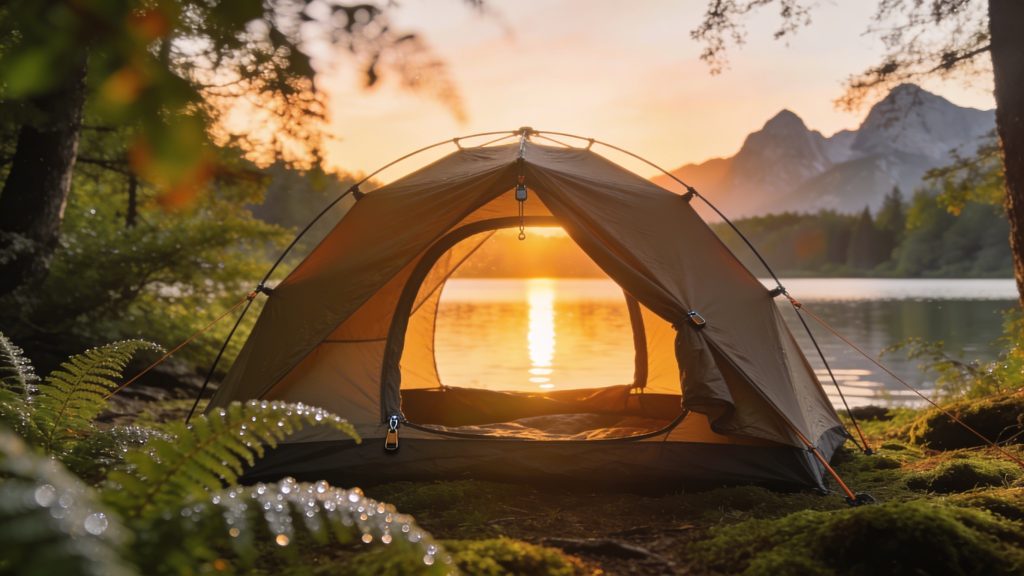
Camping in nature doesn’t have to blow your holiday budget. With nature campsites under 20 euros per night and smart choices in gear and food, you’ll discover how budget camping in nature becomes an affordable and rewarding experience. Curious which options there are and how to save as much as possible? Read on.
Cheap nature campsites under 20 euros per night
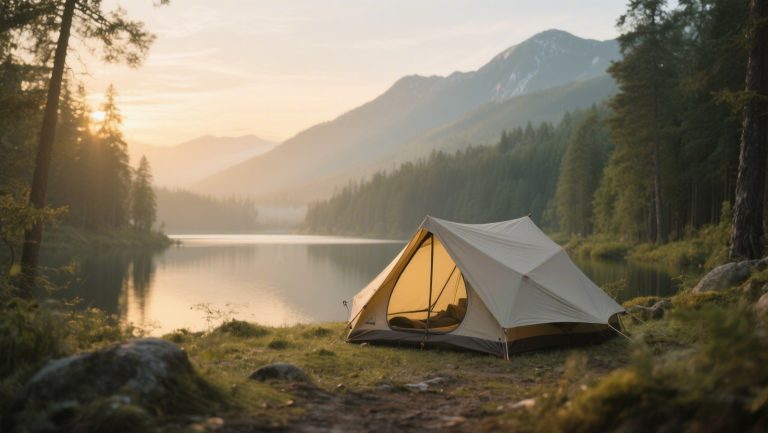
Nature campsites are small, quiet locations with minimal facilities, ideal for anyone seeking nature without high costs. These sites are part of a network of official nature camping spots and usually charge between 10 and 20 euros per night. Basic facilities are limited to a toilet and sometimes drinking water, but that’s exactly what makes camping in nature feel so authentic.
To access these sites you need a Natuurkampeerkaart (Nature Camping Card). You can buy it digitally via the ‘Kamperen’ app or Het Groene Boekje (the Green Booklet). One card gives access for four people, which further reduces costs if you’re travelling as a group. The card opens doors to dozens of locations across the Netherlands, often located in forests, dunes or in the countryside. For budget travellers who put peace and nature first, this is the most obvious choice.
Note: these sites are popular in high season. Book in good time if you want to be sure of a spot. In the shoulder seasons you have more choice and often pay lower rates. Check available facilities in advance, as some places have no running water or showers.
‘ Fortunately there are legal alternatives that come close to the feeling of wild camping and cost little to nothing. ’
Free and almost free alternatives to wild camping
Wild camping has been banned everywhere in the Netherlands since 2020 to protect nature from nuisance, litter and disturbance of wildlife. Fines start at 140 euros and can rise to 500 euros per person, depending on the municipality and the offence. Fortunately, there are legal alternatives that come close to the feeling of wild camping and cost little to nothing.
Pole camping at no cost
Pole camping (paalkamperen) gives you the chance to pitch your tent for free within 10 metres of a special pole in designated areas of nature. You may stay for a maximum of 72 hours with up to three tents. The conditions are simple: leave no rubbish behind and do not disturb nature. This option is particularly suitable for cyclists or walkers who can reach remote locations.
The primitive character makes pole camping attractive for adventurers. At the same time, it means you have no facilities. Take enough drinking water, food supplies and rubbish bags with you. The spots are often in wooded areas or dunes, where mosquitoes and rain are among the challenges.
Camping with private landowners and farmers
In the countryside you can often ask permission to pitch your tent on private land. This usually costs between 0 and 15 euros per night. Platforms connect you with owners who offer tiny spots, sometimes with extras such as fresh water or even eggs. Make clear arrangements in advance about rubbish, fires and toilet use to maintain goodwill.
The advantage of this option is the personal approach and flexibility. You often get access to a garden or meadow with beautiful views. The downside is that you depend on the owner and not all locations are easily accessible by public transport.
Motorhome stopovers and overnight zones
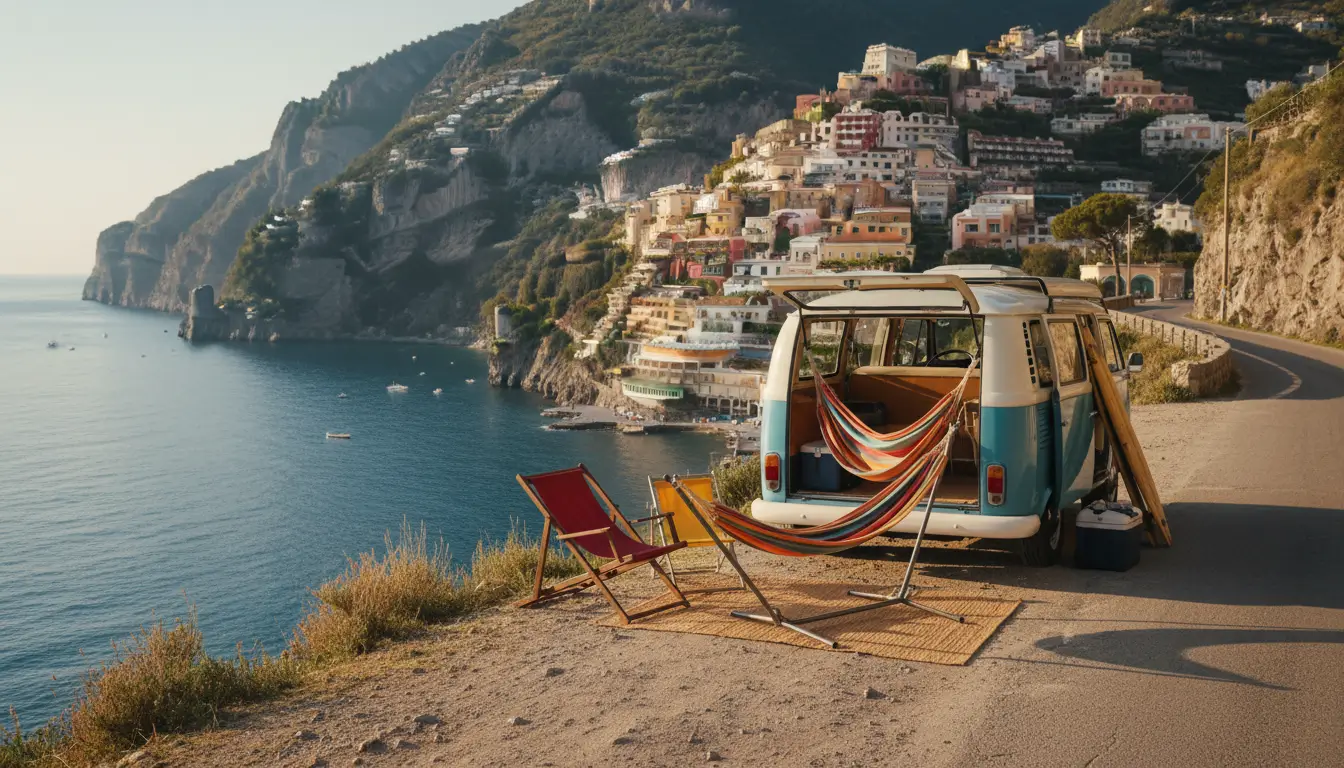
For travellers with a motorhome or campervan there are free or low-cost overnight zones with basic facilities such as electricity and water. Costs range between 0 and 10 euros per night. Note: check local rules, as sleeping in vehicles can in some areas be regarded as wild camping and lead to fines.
Tips for saving on camping gear
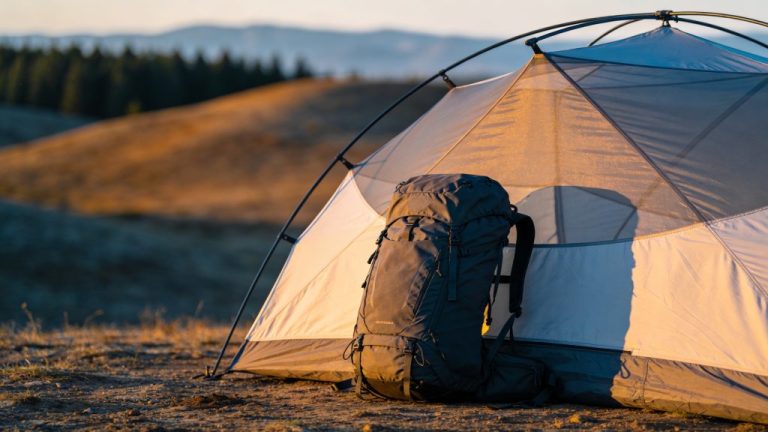
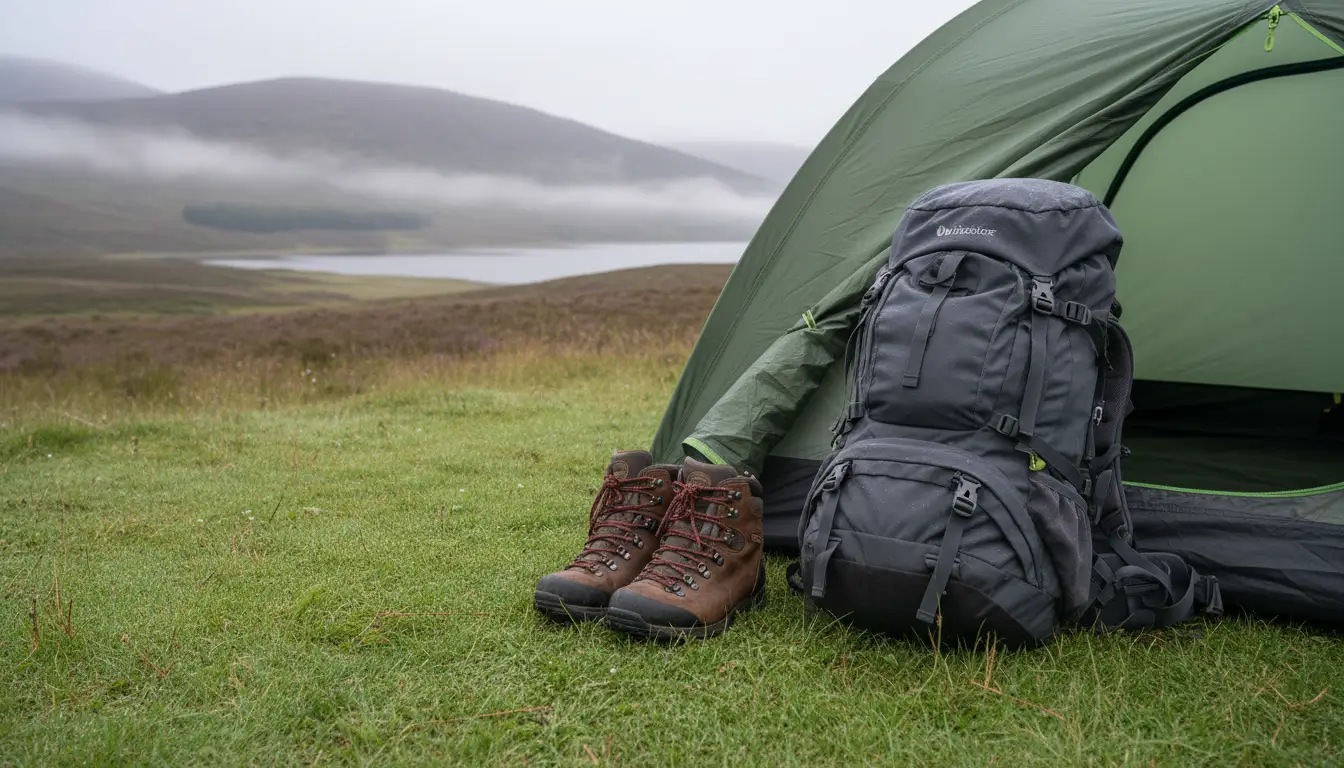
Camping equipment doesn’t have to cost a fortune if you choose wisely. Start with the basics: a compact tent, a decent sleeping bag and simple cooking gear. You can find second-hand items on online marketplaces or in outdoor shops that sell used gear. Often these products have barely been used and will last for years.
Invest in quality for items that see a lot of use, such as your sleeping bag and stove. A good sleeping bag suitable for different seasons prevents you from having to buy another one later. The same applies to your tent: choose a model that is waterproof and easy to pitch. Cheap tents often break after a few trips, which turns out more expensive in the end.
Rent equipment if you’re just starting out with camping. Many outdoor shops and campsites rent out tents, sleeping bags and rucksacks. This way you can test what suits you without immediately spending lots of money. If you find that camping is really your thing, you can always buy your own gear later.
Lightweight gear also saves on transport costs and makes long walks more comfortable. A compact tent and compressed sleeping bag fit easily into a rucksack or pannier. This is especially useful if you opt for pole camping or camping in remote spots.
Eating cheaply during your camping holiday
Food costs can quickly add up during a camping trip, but with a bit of planning you can keep your budget under control. Prepare meals at home and take them with you in well-sealed containers. Think of rice, pasta, couscous and dried products that keep well and take up little space.
Do your shopping at local supermarkets instead of campsite shops, where prices are often higher. Plan your route so that you pass affordable shops along the way. Take a cool bag if you buy perishable products, but limit these items to ensure freshness without having to constantly replace ice packs.
Cook simple meals on a single-burner stove or camping cooker. One-pot dishes such as pasta with vegetables, rice with beans or soup are nutritious, easy to prepare and inexpensive. Bring herbs and sauces from home to add flavour without extra cost. A flask keeps coffee or tea warm and saves on disposable cups and campsite bars.
Treat yourself to a more luxurious meal out now and then as a reward, but make this the exception. That way you can enjoy the local cuisine without overshooting your budget. Take a sandwich or snack with you for the road so you don’t end up eating somewhere in a hurry.
‘ Always take rubbish bags with you and leave no trace: take all your waste with you and leave the spot as you found it. ’
Practical preparation for budget success
Good preparation makes the difference between a successful and a frustrating trip. Pack light, taking only what you need: tent, sleeping bag, cooking gear, clothing and a first-aid kit. Always take rubbish bags with you and leave no trace: take all your waste with you and leave the spot as you found it.
Choose locations away from tourist hotspots for lower prices and more peace and quiet. Rural areas, forests and dunes are often cheaper and less busy. Avoid national parks and coastal areas where supervision is stricter and checks are more frequent.
Check the weather forecast before you leave and adjust your gear accordingly. An extra tarp or groundsheet protects against unexpected rain. In the shoulder seasons, prices are lower and places are quieter, but you should be prepared for changeable weather. Also check the local rules in the Algemene Plaatselijke Verordening (APV – local municipal bylaws) for each municipality to avoid unintentionally breaking the rules.
Comparison of the cheapest options
Each budget option has pros and cons. Pole camping costs nothing but is primitive and offers no facilities. Nature campsites cost between 10 and 20 euros per night and provide basic amenities such as a toilet. With private landowners you camp for 0 to 15 euros with more personal service, but you need permission. Motorhome stopovers are suitable for vehicles and cost between 0 and 10 euros, but are limited to specific zones.
Which option you choose depends on your travel style, budget and preferences. For a full nature experience at no cost, pole camping is ideal. If you want a bit more comfort and don’t want to go looking for permission, nature campsites are the best choice. Camping with private landowners offers personal contact and flexibility, while motorhome stopovers are practical for travellers with a vehicle.
Discover more on Traveller Tips
Budget camping in nature is just one way to plan your trip affordably and consciously. On the Traveller Tips website you’ll find much more information about travel routes, practical preparation, sights and the most beautiful destinations at home and abroad. Discover tips for road trips, train journeys and other adventures that fit your way of travelling. Dive into the articles and plan your next trip more cleverly than ever.
Frequently asked questions
Look for pole camping spots, nature campsites and small farm campsites; these are often really surrounded by greenery and cost around €10–€20 per night. Use platforms and apps (e.g. Natuurkampeerterreinen, farm campsites, small camping platforms) to filter by tranquillity, facilities and reviews. Choose sites with basic comfort (toilet, shower, possibly campfire area) and few pitches for maximum nature experience. Go outside the high season and away from tourist hotspots for more peace and lower prices.
Essential gear for budget camping in nature includes a compact, waterproof tent, a well-insulating sleeping mat and a suitable sleeping bag for the season. In addition, a simple but reliable cooking set (stove, pan, lighter), sufficient water storage and basic kitchen utensils are important. Take a head torch, first-aid kit, multitool and power bank for safety and convenience. Finally, good walking boots, waterproof clothing and rubbish bags provide comfort and keep your impact on nature to a minimum.
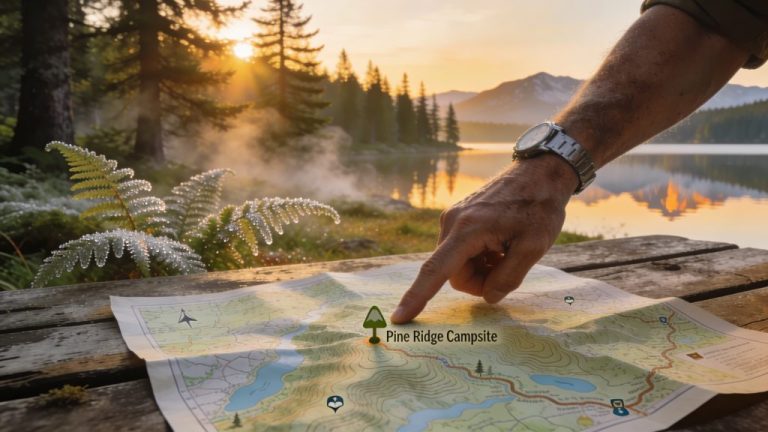
Use a route planner or map app (such as Google Maps or Komoot) and add nature campsites, pole camping spots and cheap small campsites along your preferred rail or driving route as stopovers. Filter your search by price and type of site (nature campsite, pole camping, farm campsite) and plan short stages so that you have time each day for walks in the area. Combine this with a Natuurkampeerkaart and platforms for camping on private land to find extra cheap, quiet spots. Finally, check reviews and seasonal crowds for each location so you can avoid expensive tourist hotspots.
Choose small-scale nature campsites or pole camping spots, where with minimal facilities you are close to nature without high costs. Travel to the region by public transport or carpool, and cover the last few kilometres on foot or by bike to reduce your emissions. Use reusable items (water bottle, containers, cutlery), biodegradable soap and cook on an efficient stove instead of disposable barbecues or open fires. Follow Leave No Trace principles: stay on paths, take all your rubbish back with you and disturb animals and plants as little as possible.
Cook as much as possible yourself on a one-pot stove, use cheap staple foods (rice, pasta, beans) and take herbs from home in small jars. Do your shopping in supermarkets outside tourist areas, avoid buying snacks and drinks at campsites or petrol stations, and buy seasonal vegetables. Plan free or cheap activities such as hiking, swimming in natural waters, geocaching and self-organised games instead of theme parks or paid excursions. If possible, share equipment or costs (cool box, fuel, parking) with fellow campers and choose campsites with basic facilities instead of luxury resorts.