 NL
NL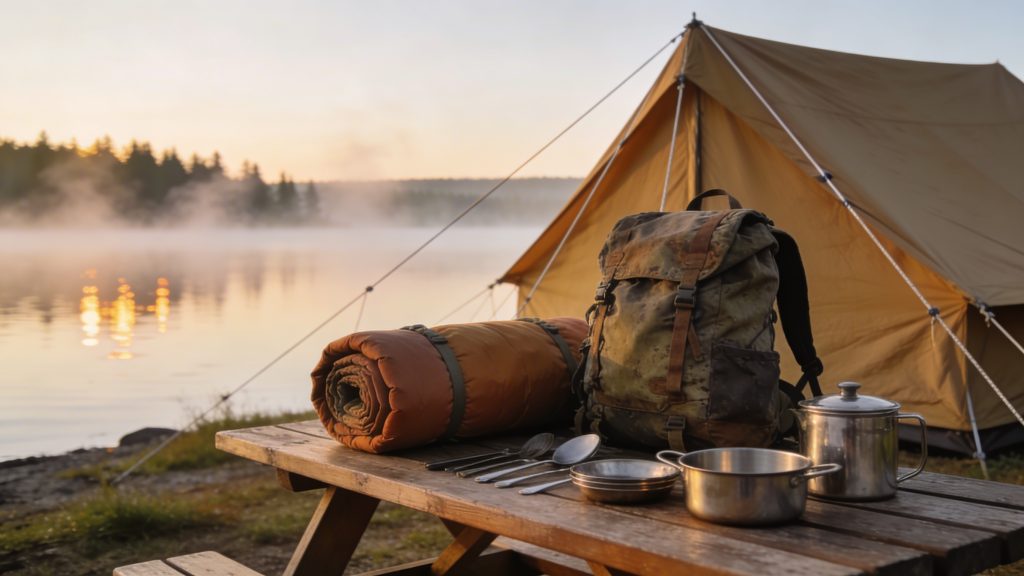
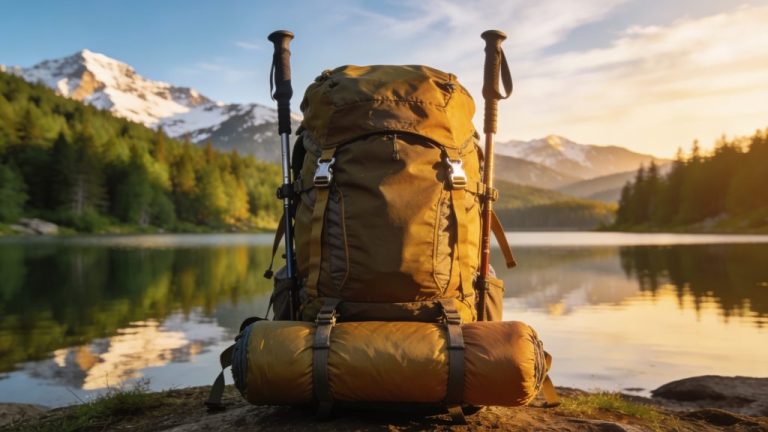
A successful first camping trip starts with the right basic kit, not with a backpack full of gadgets. With a smart selection of affordable essentials such as a reliable tent, cooking gear and lighting, you can enjoy your first camping trip in nature in comfort, without unnecessary ballast. The trick is to focus on functionality and safety, without overwhelming yourself with too much stuff. Read on and discover which equipment you really need for your first nature camping experience.
Why having the right basic kit makes all the difference
For many first-time campers, the first trip feels like a leap into the unknown. Too much kit makes you unnecessarily heavy; too little leads to discomfort. By focusing on a compact core, you create a safe and comfortable experience. Good preparation also means you can practise at home with pitching your tent or using your stove. This prevents surprises at the campsite and gives you peace of mind during the trip.
Ideally, start camping next to or close to your car, or on a pitch near a campsite. That way you do not have to carry everything and you can make any adjustments for your next trip. This approach is perfect for travellers who want to plan their holiday consciously and stay in control of comfort and budget.
Shelter and sleep: the foundation of your comfort
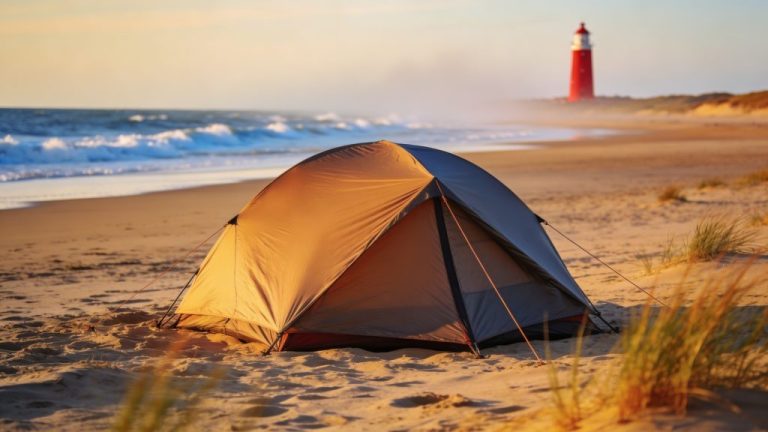
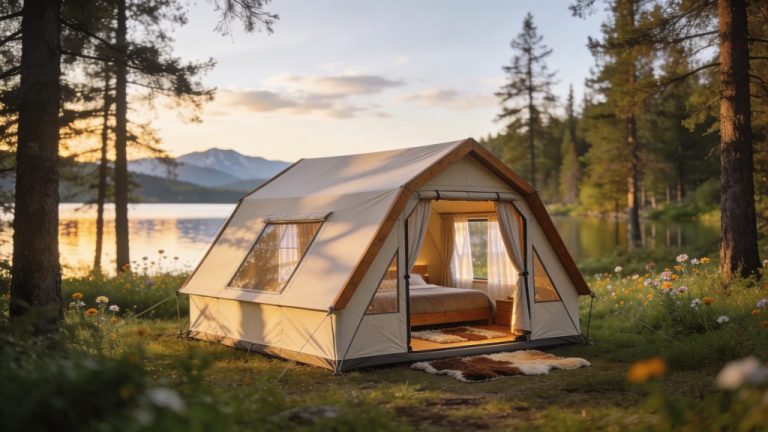
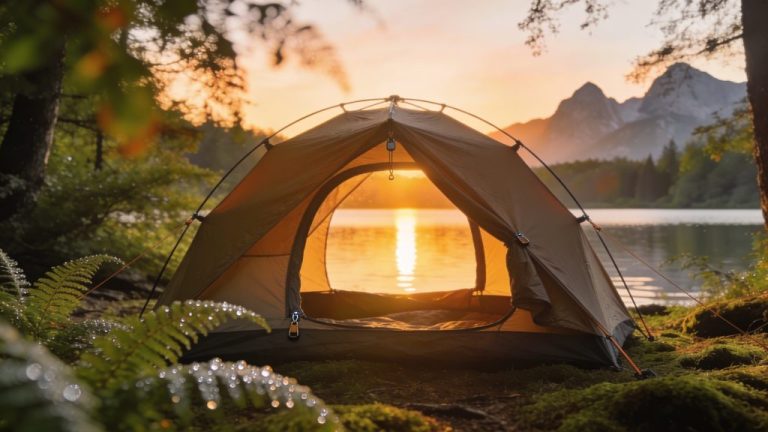
Your tent and sleep system determine how good your night will be. Choose a simple tent that is quick to pitch and suitable for the number of people joining you. A three-season tent offers good ventilation and waterproofing for most camping trips. Practise putting it up at home before you leave. This saves you frustration and time at the campsite.
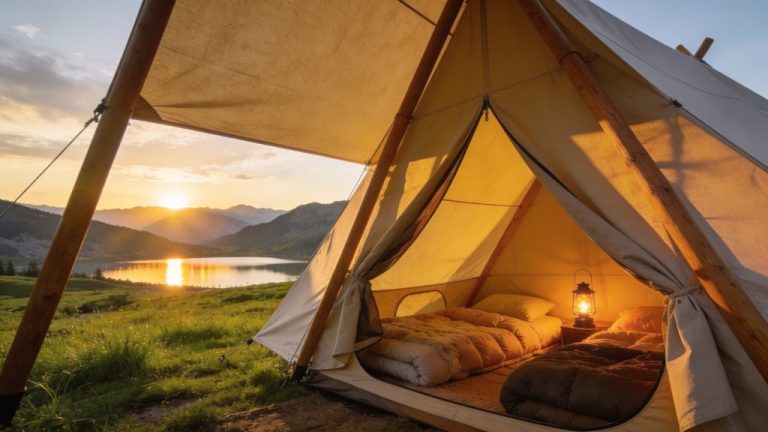
A sleeping bag suited to the expected minimum temperature will keep you warm on cold nights. Combine it with a sleeping mat or airbed for insulation and comfort. A mattress also lifts you off the cold ground. Do not forget to bring a compact or inflatable pillow for extra sleeping comfort.
- Pitch your tent as soon as you arrive, ideally before it gets dark
- Test sleeping bag and mattress at home for comfort and warmth
- Take a spare pump if you opt for an airbed
Cooking and eating: simple and reliable
A portable stove is essential for beginners. A two-burner propane stove works simply and reliably, even in bad weather when making a fire is difficult. Make sure you have enough fuel and always take a lighter or fire starter. Cooking on a stove is faster and more predictable than cooking over a campfire.
For your cooking gear you can opt for a lightweight mess kit. This includes pots, pans, plates, mugs and cutlery, so you have everything compact in one place. You can add a wok or extra cookware for more variety in your meals. Also take water containers, a thermos flask and, if needed, a water filter for clean drinking water.
- Opt for simple meals on your first trips
- Rely on your stove for reliability, especially in the rain
- Take more fuel and cutlery than you initially think you will need
Lighting and tools: keeping your hands free
A rechargeable head torch is your best friend when camping. Unlike a torch, a head torch keeps your hands free for tasks such as pitching your tent, cooking or searching in your bag. Save your phone battery by using a head torch instead of the flash on your smartphone.
A versatile multitool saves space and helps with repairs, food preparation or cutting rope. For car campers, a basic repair kit with tools, a tyre pump and traction mats is useful for unexpected situations. A creative tip for extra light: put your head torch in an empty water bottle for an improvised lantern that lights up your whole tent.
Safety and health: prepared for the unexpected
A first aid kit belongs in every camping set. Make sure it contains plasters, disinfectant, painkillers and blister plasters. Minor accidents happen easily on a camping trip. With a good kit you prevent small problems from having big consequences.
In addition to your first aid kit, take a map and compass as a backup for GPS, especially on walks. Insect repellent and sunscreen protect you against mosquitoes and the sun. Waterproof matches or a fire starter are handy for lighting a campfire, but always check the local fire regulations before you leave.
- Check the contents of your first aid kit before departure and top up where needed
- Take a backup navigation solution, even if you use GPS
- Consult local rules on campfires and the use of open flames
Comfort and practical extras
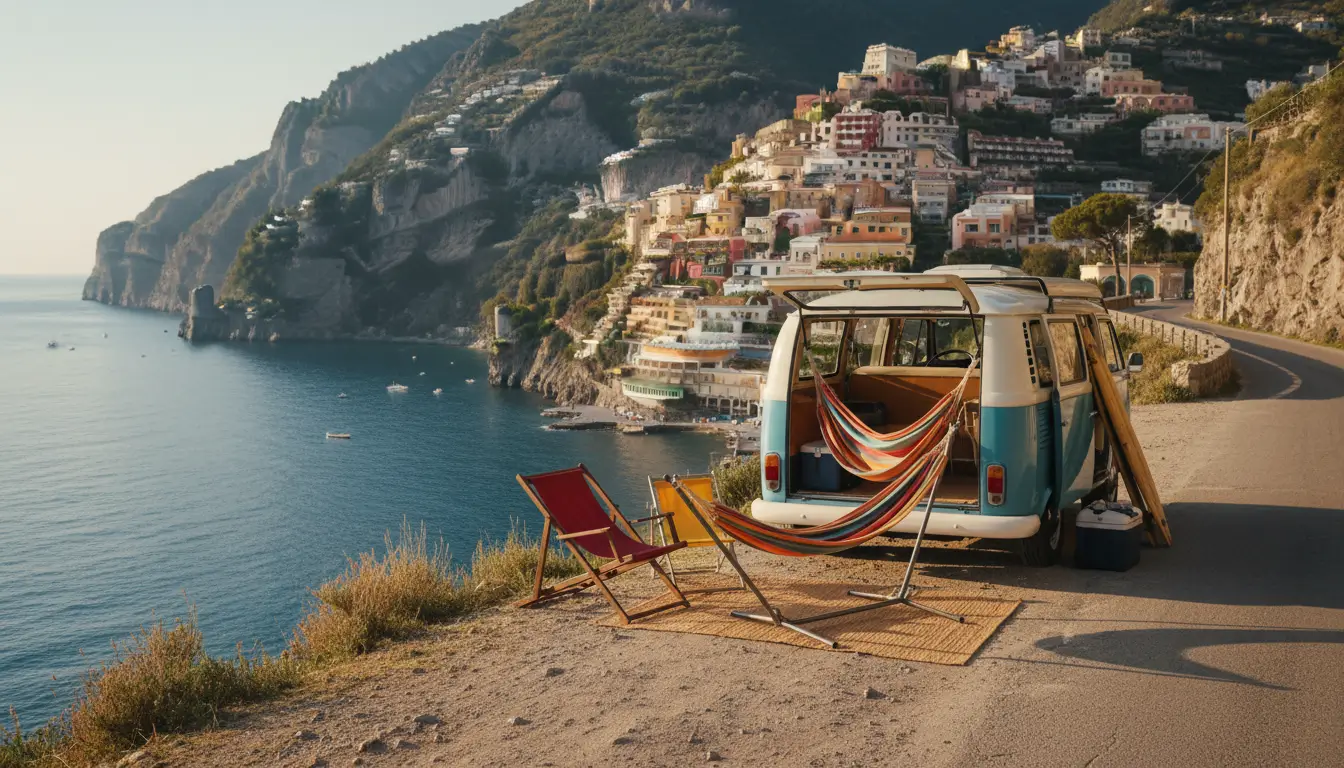
Folding chairs and a camping table make your stay much more pleasant. After a day of walking or exploring you will want to sit and eat in comfort. A power bank and charging cables keep your lights and devices running, which is especially important for your head torch and phone.
Rubbish bags are essential for keeping nature clean. Always take all your rubbish with you and leave no trace. For extra relaxation you can bring a hammock or games. Dress in layers suited to the weather and take waterproof clothing and sturdy shoes. The weather can change quickly, especially in nature.
The checklist for your first camping trip
Before your trip, make a detailed checklist of all your gear. This helps you forget nothing and prevents stress before departure. Pack more fuel and cutlery than you think you will need. In practice, these items run out faster than expected.
Start with car camping for your first camping trip. This way you do not have to carry everything and you can take more comfort without weight becoming a problem. Focus on the basics instead of too many gadgets. A relaxed trip is all about simplicity and functionality, not about having the most kit.
- Shelter: tent, sleeping bag, sleeping mat and pillow
- Cooking: stove, fuel, lighter, cookset and water supply
- Light: rechargeable head torch and power bank
- Tools: multitool and any repair kit
- Safety: first aid kit, map, compass, insect repellent and sunscreen
- Comfort: chairs, table, rubbish bags and waterproof clothing
‘ This preparation ensures that your first camping experience runs smoothly and that you can enjoy nature without technical worries. ’
Testing before you leave
Test all your gear at home before you go on your trip. Pitch your tent in the garden or living room to check that all the parts are there and that you know how it works. Try out your stove to get used to lighting it and adjusting the heat. This gives you confidence and prevents problems at the campsite.
Also check the sleeping bag and mattress for comfort. If needed, sleep a trial night on them to see whether you need extra blankets or clothing. This preparation ensures that your first camping experience runs smoothly and that you can enjoy nature without technical worries.
Budget and priorities
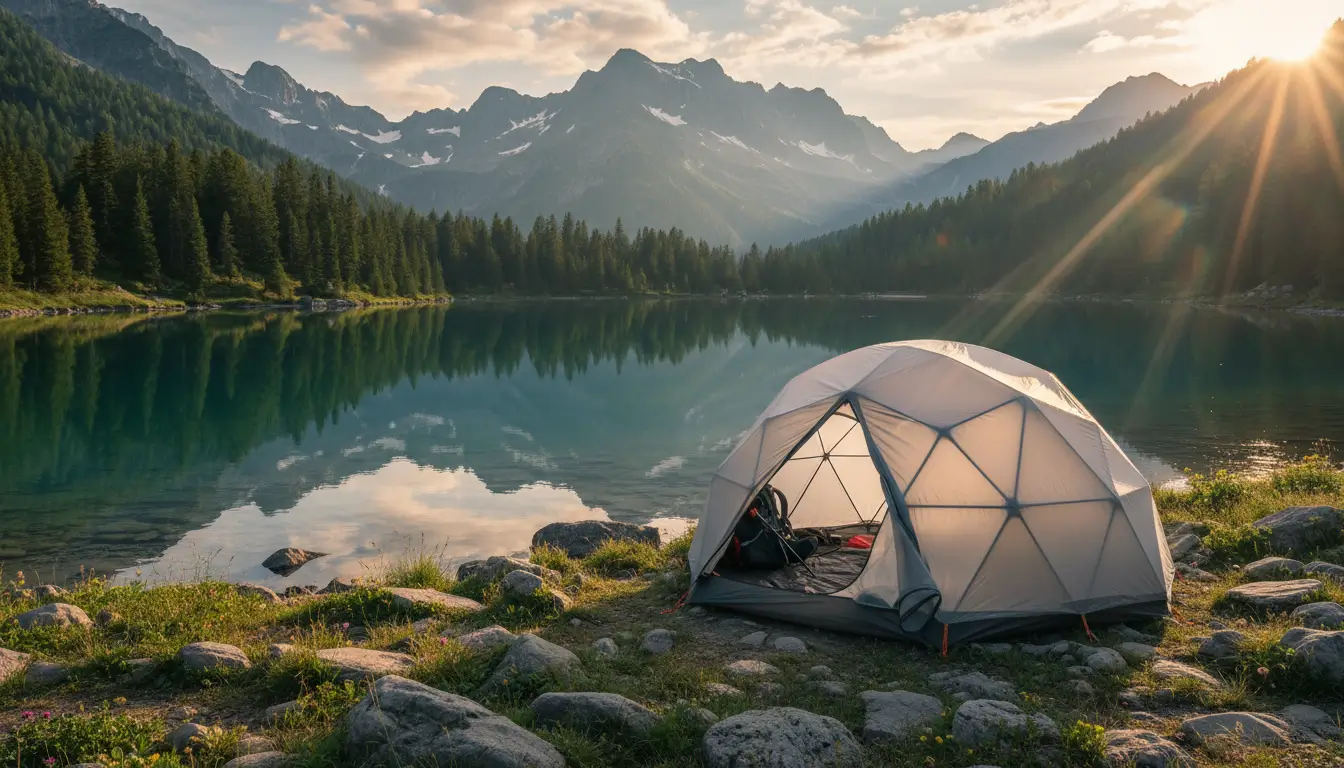
As a beginner, you do not need to buy the most expensive gear straight away. Many affordable options offer enough quality for a first camping trip. Focus your budget on the three most important items: a reliable tent, a good sleeping bag and a decent stove. These three form the core of your kit.
For everything else, you can start with simpler alternatives. A basic multitool works just as well as an expensive one. Only buy extras such as chairs or a table if your budget allows it. You can always upgrade after your first trip, when you have a better idea of what you really need and what you are happy to invest in.
Learning from your first trip
Your first camping trip is a learning experience. During your trip, write down what worked well and what you would like to do differently. Did you miss certain items? Did you take too much or too little of something? These notes will help you prepare for your next trip.
Most campers find that by their second or third trip, they have a much better sense of what they really need. Some things turn out to be unnecessary, others absolutely essential. By consciously reflecting on your experiences, you gradually build the perfect kit for your style of camping.
On the Traveler Tips website you will find plenty more practical information about campsites, nature destinations and routes that are perfect for campers. From tips on choosing the right location to advice on trip preparation and sights along the way. Discover more and plan your next camping adventure with confidence.
Frequently asked questions
Essential are an easy-to-pitch tent, a suitable sleeping bag with a comfortable sleeping mat or airbed and a small pillow, so you sleep well after a journey by car or train. Take a simple cookset (camping gas burner with pan, plate, mug and cutlery) plus water bottles or containers. Make sure you have good lighting (for example a head torch), a basic first aid kit, sunscreen, insect repellent and a multitool or knife. For extra comfort, folding chairs, a small table and a power bank are very useful, especially if you do not have much luggage space in the train or car.
Choose multifunctional items (such as a multitool, mess kit and inflatable pillow) to save space and avoid unnecessary gadgets. Go for a simple three-season tent, a compact sleeping bag and lightweight sleeping mat that match the expected climate. Use a small one- or two-burner stove and a basic set of pans and crockery that nest together to keep both budget and volume down. Start with car camping, test all your gear at home and only expand later when you know what you really use.
Choose a tent that suits the season and expected weather conditions: waterproofing and good ventilation are crucial in rain and heat, while a sturdy frame is important in windy conditions. Select a sleeping bag with a comfort temperature just below the lowest expected night-time temperature and pay attention to insulation material and fit. A good sleeping mat should both insulate you from the cold ground and be thick and comfortable enough for your sleeping position. Ideally, test the complete sleep system in advance so that you know for sure that together it is warm, comfortable and practical enough to put up and take down.
Choose a solid multitool (with knife, screwdriver, tin opener and pliers) so you do not need to take separate tools. Use a compact mess kit with stackable pans, plates and mugs in one set, and combine it with a small two- or one-burner stove. A rechargeable head torch that can also serve as a lantern (for example in a bottle) replaces several lamps. Take a compact first aid kit and a lightweight repair kit so you can deal with small emergencies and breakdowns on the road without extra luggage.
Do not buy ultra high-end lightweight expedition gear, but solid mid-range brands, and pay particular attention to reviews about zips, poles and waterproofing. Start with a simple three-season tent, a decent sleeping mat and sleeping bag, and test everything for pitching and use at home to spot weak points or defects. Do invest in a good head torch, multitool and basic repair kit so your gear lasts longer and can be fixed. Keep an eye out for offers, consider buying second-hand from reliable sellers and only expand your kit after your first few trips.