 NL
NL
The right gear makes the difference between an uncomfortable night and a successful camping holiday. With a tent that is both weatherproof and compact, a sleeping bag that guarantees warmth and a comfortable sleeping mat, you create your own base in nature. Camping calls for careful preparation, especially if you are travelling by car or campervan and looking for a new spot every day. In this article, you will find recommendations for lightweight, reliable gear that is ideal for road trips and wild (nature) camping.
Which type of tent should you choose for wild camping?
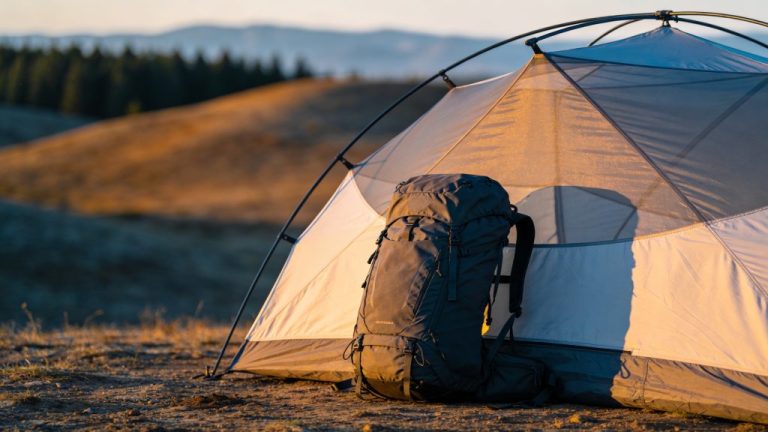
A good tent is the foundation of every camping holiday. It protects you from rain, wind and cold, while still needing to be compact enough to take along easily. Choose a model based on the number of people travelling with you, plus extra space for luggage. An awning or porch keeps muddy shoes outside and creates a dry seating area.
There are different types of tents, each with their own use:
- One-person or small tents: Ideal for solo travellers or lightweight backpacking. They are compact and easy to carry, but offer limited space for gear.
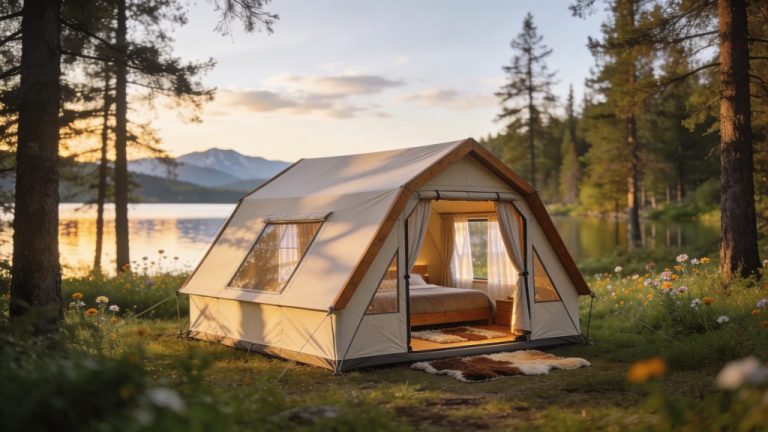
- Family tents: Larger and higher, often with enough height to stand upright. Fresh & black models block out light and heat for better sleep.
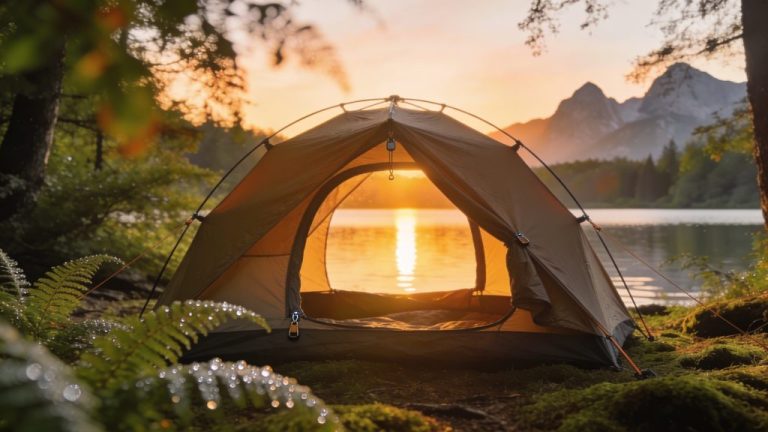
- Pop-up tents: Quick to pitch by simply throwing them open. Perfect for beginners or short stops on a road trip.
Consider using a rainfly, a waterproof cover that is stretched over the tent for extra rain protection. A footprint, a groundsheet under the tent, protects the floor from sharp stones and moisture. Both accessories significantly increase the lifespan of your tent.
What components make up a complete tent kit?
Every tent comes with basic components, but it is wise to add to the kit for optimal comfort and stability. The most important components are:
- Tent poles: Usually made of aluminium or fibreglass, they give the tent its structure. Mark them with tape for quick pitching.
- Pegs and guy lines: Provide strength and stability. The type of peg depends on the surface where you are camping.
- Hammer: For hard ground or rock pegs you need a sturdy hammer.
- Extra tarp or awning: Keeps luggage dry and creates a covered area outside the tent.
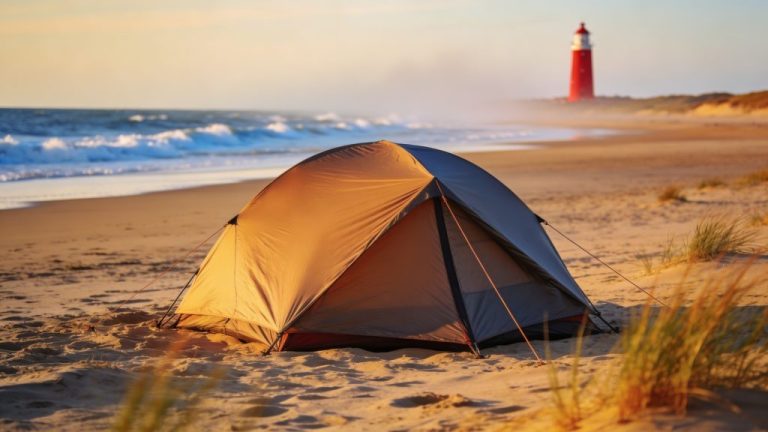
The type of ground determines which pegs you need. Soft grass calls for steel pegs or stakes. On sandy beaches you use wide plastic pegs with a screw thread. Hard clay requires long steel rock pegs, while rocky ground needs solid rock pegs with a hammer point. For snow or beach, extra wide or perforated pegs are suitable.
How do you pitch a tent?
Pitching a tent takes a bit of practice, but with the right steps it becomes quick work. Practise at home in the garden to avoid surprises at the campsite and to check that all components are complete.
- Lay out all components: tent fabric, poles, rainfly, pegs and hammer.
- Assemble the poles and feed them through the sleeves or grommets on the tent fabric.
- Lift the tent, stabilise it and clip the poles into place. Tighten the guy lines.
- Attach the rainfly over the tent and hammer the pegs into the ground, suited to the type of surface.
- Check that all guy lines are tight and the tent is stable.
Rub a little wax or silicone spray on tent lines to make pitching smoother. Always take a spare peg in case one breaks or gets lost.
Best sleeping bag for cold nights outdoors
A sleeping bag keeps you warm during cold nights and largely determines how well you sleep. Choose a sleeping bag according to the season and the temperatures you expect. Sleeping bags have a comfort temperature and a limit temperature. The comfort temperature indicates down to which temperature most people sleep comfortably. The limit temperature is the point at which you can just about cope.
For wild camping in spring, summer and autumn, a three-season sleeping bag with a comfort temperature around 0 to 5 degrees Celsius is sufficient. For winter camping or high mountain areas you need a winter sleeping bag with a comfort temperature of -10 degrees or lower.
Sleeping bags are available with different fillings:
- Down sleeping bags: Light, compact and well insulating. They are ideal for road trips where space is limited. The downside is that down loses its insulating properties when damp.
- Synthetic sleeping bags: Heavier and less compact than down, but they keep insulating when damp. Suitable for humid climates.
Pay attention to the shape of the sleeping bag. Mummy sleeping bags fit closely around your body and are the most efficient at retaining heat. Rectangular sleeping bags offer more room to move, but insulate less well.
Which sleeping mat offers the most comfort?
A sleeping mat insulates you from the cold ground and ensures comfort during the night. Without a sleeping mat you lose a lot of body heat to the ground, even with a good sleeping bag. There are three main types of sleeping mats:
- Airbeds: Offer a lot of comfort and can be adjusted in firmness. They are heavier and bulkier, but perfect for car camping where weight is less important. Use an electric pump for quick inflation.
- Self-inflating mats: Combine foam with air. They inflate largely by themselves and are lighter than airbeds. Suitable for trekking-style camping and road trips.
- Foam mats: Light, compact and virtually indestructible. They insulate well but are less comfortable. Ideal as a backup or for minimalist trips.
Pay attention to the R-value of the sleeping mat, which indicates how well the mat insulates against the cold. An R-value of 1 to 2 is sufficient for summer camping. For three-season camping, choose an R-value of 3 to 4. Winter camping calls for an R-value of 5 or higher.

Extra gear for optimal sleeping comfort
Besides a tent, sleeping bag and mat, there are additional items that increase comfort. A fitted sheet over your airbed or sleeping mat prevents the sleeping bag from sliding. A pillow provides better support for head and neck. Inflatable pillows are compact and easy to take with you.
In cold weather, a space heater can preheat the tent, but pay close attention to safety and ventilation. A head torch is useful for lighting inside the tent without having to hold a torch. A multitool helps with small repairs or adjustments on the road.
Use clothes pegs to attach a drying line in the tent for wet clothes or towels. An extension lead with campsite plug gives you access to electricity at campsites with power. A small hand brush keeps the tent free of sand and leaves.
Weather resistance and maintenance of your camping gear
Weather-resistant gear is important for wild camping, where you will face changing conditions. Check whether your tent has a waterproof rating of at least 2000 mm hydrostatic head for the outer tent and 3000 mm for the groundsheet. This guarantees protection in heavy rain.
Maintenance extends the lifespan of your gear. Always dry the tent thoroughly after use to prevent mould. Wash sleeping bags according to the manufacturer’s instructions and store them loosely rolled in a large storage bag, not in the compression sack. Repair small tears or holes immediately with repair tape or patches.
Before every trip, check that all components are complete and working properly. Test zips, check pegs for cracks and replace damaged guy lines. Lubricate zips with graphite or silicone for smooth operation.
‘ Always ensure sufficient ventilation to reduce condensation. ’
Regional adjustments for different campsites
The type of ground and the climate vary by region and country. On sandy beaches in Southern Europe you need wide pegs with a screw thread to get a good grip. On rocks you use solid rock pegs that you hammer into cracks. Campsites with soft grass are easier and only require standard steel pegs.
In areas with a lot of wind, tension extra guy lines and place the tent with the narrow side facing into the wind. In areas with heavy rainfall, choose a spot with a slight slope so that water can drain away. Always ensure sufficient ventilation to reduce condensation.
On Traveler Tips you will find much more information about nature holidays, campsites and practical tips for on the road. Discover more articles on preparation, routes and destinations and get the most out of your self-planned holiday.
Frequently asked questions
For travellers who move on almost daily during car, train or road trips, a compact, quick-pitch pop-up tent is the most suitable. These tents are light, take up little space and are ready to use in a matter of seconds. That way you lose little time on late arrivals or early departures. Do make sure you choose a model with enough interior space for luggage and good waterproofing.
Choose lightweight, compact versions of the basic items: a small but weatherproof tent, a light sleeping bag suitable for the temperature and an insulating sleeping mat with a small pack size. Go for multifunctional items (e.g. a pan set that also serves as bowls, a microfibre towel, a head torch instead of a lantern) to save weight. Look for materials such as aluminium or titanium for cookware and carbon or aluminium for poles, and compare pack size and weight per item. Test the comfort at home (lying down, cooking, packing) to make sure the gear is both practical and comfortable in real use.
Essential camping items for a good experience and a restful night’s sleep are a solid tent that offers good protection against the elements and provides enough space. Combine this with a comfortable airbed or sleeping mat, a suitable sleeping bag and, if you like, a pillow. An extra groundsheet (footprint) under the tent helps against moisture and cold from below. For even more comfort after a long day, a head torch and, if needed, a small space heater or extra blanket are recommended.
Yes, there are various innovative, multi-functional gadgets that make camping more comfortable and save space, such as a power bank that also works as a lantern and SOS emergency signal. There are also compact multitools that combine knife, pliers, screwdriver and tin opener in one lightweight item. Foldable cooking sets with integrated burner, pans and mugs save a lot of volume in your luggage. In addition, there are lightweight head torches with rechargeable batteries that can also be used as tent lamps.
Must-have items are a sturdy, appropriately sized tent with good groundsheet and enough pegs and guy lines for every type of ground, plus a hammer. For comfort, take a good sleeping mat or airbed with pump, a suitable sleeping bag and pillow(s). Add basic lighting (head torch or lantern), an extension lead with campsite plug and a few storage boxes or bags to keep the tent tidy. Handy extras include an extra tarp or canopy as a porch, a small broom for cleaning and clothes pegs for an improvised washing line.