 NL
NL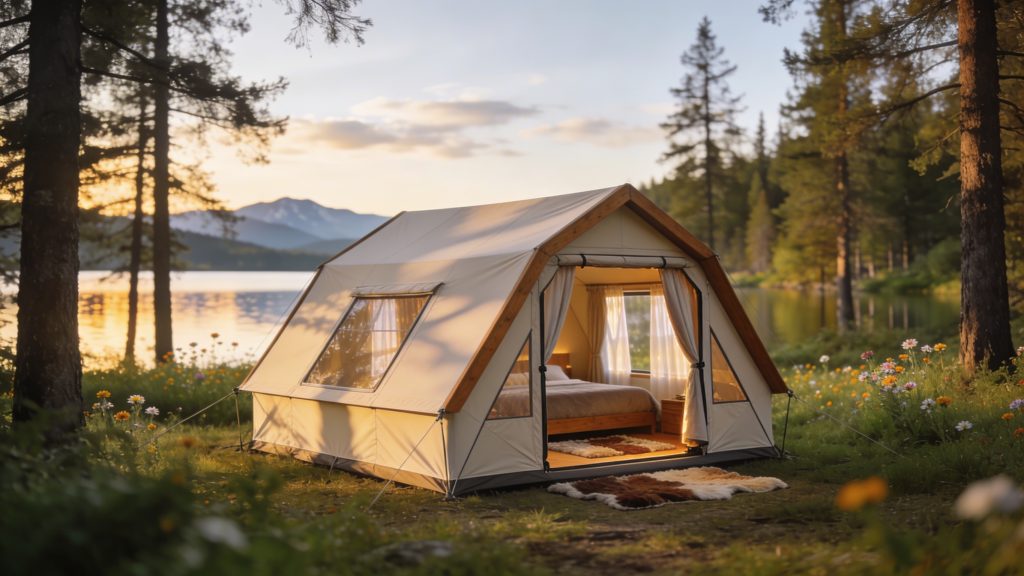
The days when camping was just about a little tent and a sleeping bag are over. More and more campers are opting for comfort, atmosphere and sustainability without giving up the freedom of nature. Campsites are investing in lounge sofas, modern equipment and a pleasant ambiance, while travellers set up their own pitch with well-considered accessories and smart solutions. Camping is changing from a practical overnight stay into a conscious choice for relaxation and experience. Discover how to make your camping pitch comfortable and cosy, which trends are shaping the sector and where to find inspiration for your next trip.
From practical to comfortable
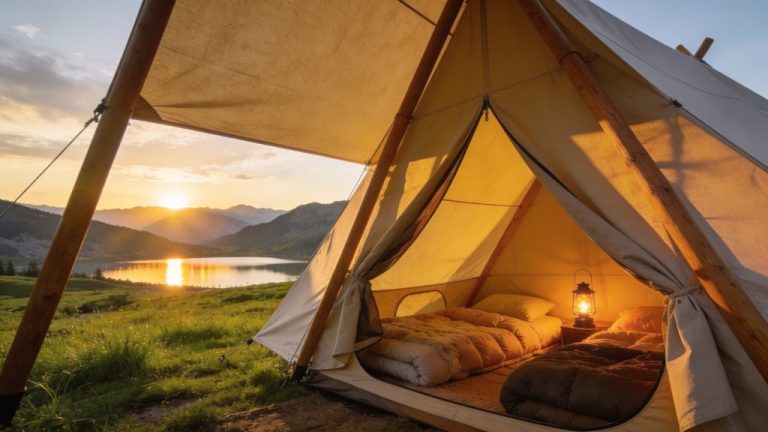
Comfort camping is on the rise because travellers are asking for experience-driven stays. Campers no longer want to travel just cost-effectively; they also seek peace, privacy and a hotel-like setting in nature. This development, often referred to as glamping, combines the best of both worlds: adventure and convenience.
Modern campsites have a clear layout with shared spaces, swimming pools, restaurants and leisure activities. These facilities lead to greater guest satisfaction and longer stays. At the same time, travellers themselves are investing in better equipment, such as campervans with fully equipped kitchens and bathrooms, or high-quality tents with sturdy constructions and weather-resistant materials.
This trend ties in with a growing number of travellers who consciously choose sustainability and more freedom in their travel plans. Shorter trips, nearby destinations and camping without a hook-up to electricity or water are becoming more popular. Solo travellers and families in particular are looking for time in nature with contemporary comfort.
How to create a cosy camping pitch
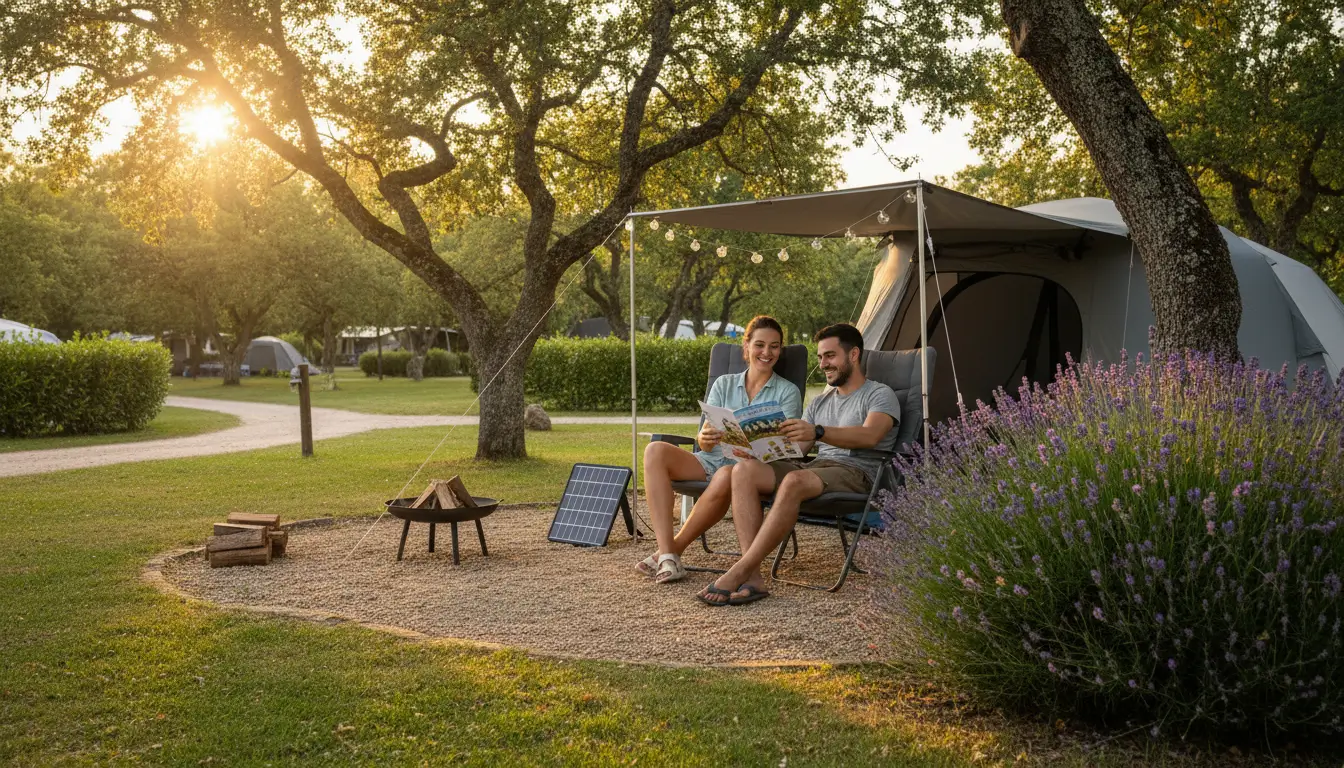
A comfortable and atmospheric camping pitch starts with the right basics. Choose a spot with enough space and shade, and pay attention to the ground. A flat surface with grass or sand makes it much easier to pitch a tent or set up a caravan.
Invest in good basic equipment. A thick sleeping mat or airbed provides better sleeping comfort, while a sturdy folding table and solid camping chairs make outdoor life more pleasant. Lighting plays a big role in the atmosphere: use LED fairy lights, lanterns or solar lamps to make your spot inviting in the evening.
Also think about practical accessories that make everyday use easier. A foldable dish rack, storage baskets and tablecloths keep your camp organised. A windbreak or canopy offers shelter in changeable weather and increases your living space.
- Opt for soft textiles such as cushions, throws and rugs to add atmosphere
- Use a portable Bluetooth speaker for background music
- Bring a portable barbecue or stove for varied meals
- Ensure you have enough charging options with power banks or solar panels
Which furnishing products make the difference
Modern campers choose items that combine functionality and comfort. Think of folding lounge chairs with footrests, inflatable sofas or hammocks that you can easily hang between trees. These pieces of furniture offer relaxation and turn your pitch into a true outdoor living room.
For those travelling by campervan or caravan, handy interior products such as compact kitchen accessories, smart storage systems and quality bedding are important. Affordable campervans under 50,000 euros offer a bed, kitchenette and pop-top roof. More luxurious models around 280,000 euros have high-end bathrooms, generous storage and the option to camp independently of power points.
Even for traditional campers there are modern solutions. Eco-toilets, portable shower bags and compact cool boxes provide more convenience without taking up much space. Pet-friendly accessories such as foldable water bowls and portable dog bowls also make camping with the whole family more comfortable.
Convenience without excessive luxury
Comfort does not mean stuffing your camp full of gear. It is about well-considered choices that make your stay more pleasant without losing the simplicity of camping. Keep your kit light and multifunctional.
Good preparation helps. Test your equipment at home, check batteries and make sure you know how everything works. This prevents frustration at the campsite. Make a checklist of basic essentials and only expand it with items you actually use.
Opt for durable materials and reusable products. This saves weight, prevents waste and fits with the nature experience that camping offers. Think of reusable water bottles, fabric bags and biodegradable cleaning products.
‘ This way you can camp without a connection to electricity or water, with zero CO2 emissions. ‘
Modern campsite trends in design and appearance
The camping sector is seeing a clear shift towards design and appearance. Campsites are investing in stylish communal areas with modern furniture, natural materials and green elements. This attracts a wide audience that values atmosphere and looks.
You can also see this development among individual campers. Tents and campers gain their own style with matching colours, decorative elements and carefully chosen accessories. Popular styles range from minimalist and Scandinavian to bohemian and rustic.
Sustainability plays a major role in these choices. Campsites and campers opt for natural fabrics, wood and recycled materials. Electric campervans and solar panels are becoming increasingly common. This way you can camp without a connection to electricity or water, with zero CO2 emissions.
Destinations for comfortable camping
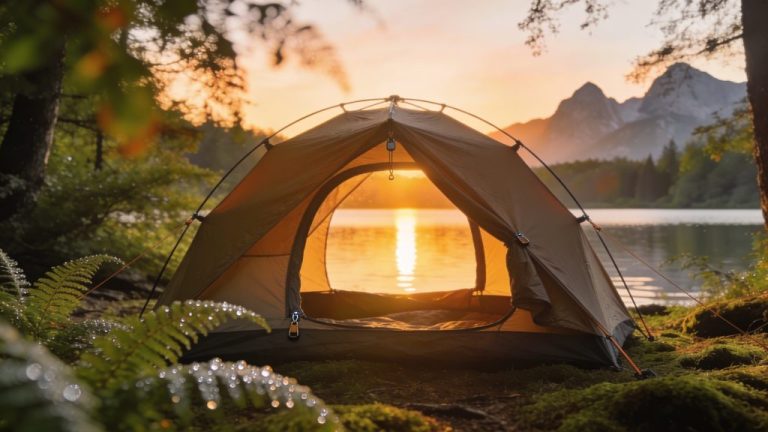
Europe offers a range of destinations that respond to the demand for comfortable camping. Hungary is experiencing strong growth with forested campsites in Bükk National Park and around Lake Balaton. These spots offer an authentic nature experience without crowds, with modern facilities in the background.
Spain attracts campers with glamping accommodation on working vineyards, where you can stay in treehouses with full facilities. Italy offers similar experiences on olive groves, where you can enjoy rural life with comfort and sustainable hospitality.
Within the Netherlands and Belgium you will also find campsites that focus on atmosphere and comfort. Look for parks with recent infrastructure upgrades, new accommodation types and attention to interior design and ambiance. These investments ensure a pleasant balance between nature and convenience.
Practical tips for your next camping holiday
Start by choosing a destination that matches your travel goal. If you want peace and nature, go for small-scale campsites in nature reserves. If you are looking for more facilities and activities, larger parks with resort-like facilities are suitable.
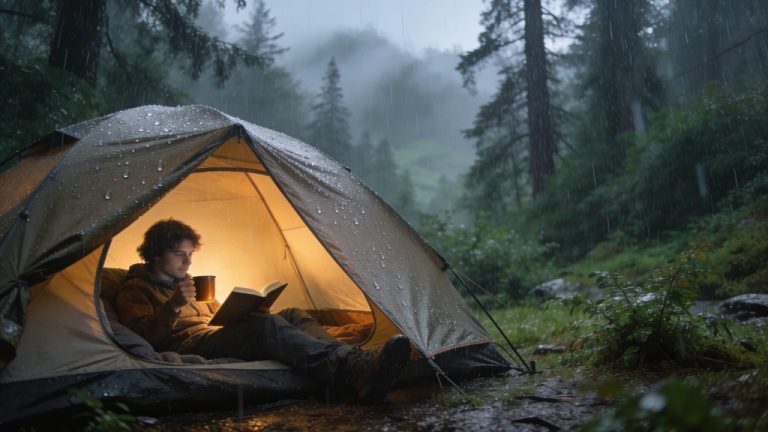
Book flexibly and take weather conditions into account. Shorter trips to nearby destinations offer more leeway and make spontaneous changes easier. Test your equipment beforehand, especially if you have bought new items or if you are going off-road camping.
Ask the campsite about specific facilities such as electricity hook-ups, Wi-Fi and sanitary blocks. This way you set realistic expectations and avoid disappointment. Take enough storage space for your belongings and keep your pitch organised.
- Make a clear packing list and tick off what you load into the car
- Take spare parts for your tent or camper with you
- Check whether your insurance covers camping and travel
- Plan your routes in advance and factor in charging stops when travelling electrically
‘ This cycle ensures that comfort camping evolves from a trend into a lasting development. ‘
Why comfort camping keeps growing
The growth of comfort camping fits in with broader changes in travel behaviour. Travellers are looking for meaningful experiences in which they can unwind and connect with nature, but without the inconveniences of the past. This wish is driving innovation in camping equipment, accommodation and campsite facilities.
At the same time, this development makes camping more accessible for people who previously hesitated. Families with young children, older travellers and people with specific needs now find more opportunities to enjoy outdoor holidays. This broadens the target group and stimulates further growth.
The sector is actively responding to this demand. Campsites are upgrading their infrastructure, rental providers are expanding their range with glamping options and manufacturers are developing smarter, lighter and more sustainable products. This cycle ensures that comfort camping evolves from a trend into a lasting development.
On the Traveler Tips website you will find much more information on camping destinations, routes, practical preparation and tips for different types of nature holidays. Explore more articles and compare destinations to plan your next camping holiday in the best possible way.
Frequently asked questions
Types of comfort camping include glamping (safari tents, yurts, treehouses, luxury bell tents), luxury mobile homes or cabins, comfortable campervans and off-grid tiny houses or cabins with hotel-like facilities. First choose your basic style: do you want more of a ‘hotel feel’ (glamping/cabins) or would you rather travel around flexibly (campervan)? Then set your budget and compare what you get for it: with a lower budget, simpler glamping tents or compact campers; with a higher budget, private bathroom, king-size bed, small kitchen and extra facilities such as swimming pool or wellness. Finally, look at your travel style (moving on a lot vs slow travel, solo or with family, need for peace and quiet or entertainment) and choose accommodation on a campsite or estate that fits.
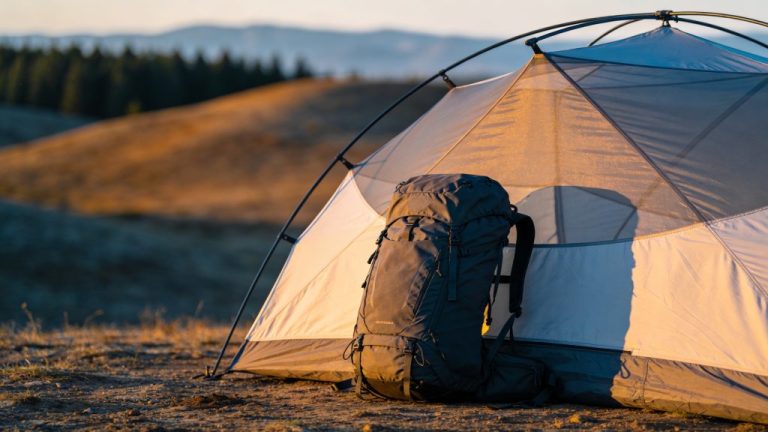
A smart packing list for carefree camping includes compact, multifunctional items such as a lightweight tent, sleeping bag with suitable comfort temperature, quick-drying clothing layers, a compact first-aid kit and basic cooking gear. Essential comfort-boosting gadgets are an inflatable or self-inflating sleeping mat with good lying comfort, a power bank or small solar charger and a head torch with red light. Optionally add a folding camp chair, a small electric or gas stove with windbreak and an insulated drinks bottle or flask. This way you keep volume and weight down, while significantly increasing sleeping comfort, light, warmth and ease of use.
Use platforms and apps that focus on glamping and ‘special stays’ (such as glamping search sites, Hipcamp-like platforms or filters for ‘special accommodation’ on major booking sites) and combine these with Google Maps to plot locations along your route. Filter for glamping tents, treehouses, farm stays or vineyard/olive grove campsites and read recent reviews specifically for ‘peace and quiet’, ‘sanitary facilities’ and ‘bed comfort’. Then, in the immediate surroundings of each campsite you find, use Google Maps or local tourism sites to search for terms like ‘local experience’, ‘farm tour’, ‘vineyard visit’, ‘nature park’ or ‘historic village’ to discover authentic sights. Save interesting combinations of campsite + attraction to your own map (e.g. My Maps) so your route remains logical and you have 1–2 unique stops per stage.
Integrate ‘comfort camping’ into your car, train or road trip by planning glamping locations or luxury campsites along your route in advance and choosing short stages so you can really enjoy the facilities. With a car or campervan, you can take more comfort with you (thick mattress, cooking set, cool box, possibly chemical toilet) and easily choose campsites or farms with resort-like facilities. On a train trip you are limited to light, compact comfort (inflatable pillow, sleeping bag liner, compact toiletry bag) and focus on glamping tents or cabins where bed, bathroom and cooking facilities are already provided. On a longer road trip (car plus several countries) it is worth alternating between fully furnished glamping, farm stays and off-grid cabins, taking into account charging options (for electric vehicles), the weather resistance of your equipment and reservations in busy seasons.
Prepare for a comfortable camping holiday by choosing a glamping or luxury campsite with good facilities (such as private bathroom, comfortable beds, restaurants and possibly a swimming pool) and testing your equipment in advance, including weatherproof clothing and any off-grid solutions. Think about your desired comfort level (glamping tent, cabin, campervan) and align your luggage with it, including good sleeping kit, lighting, charging options and any pet essentials. Common pitfalls are underestimating the weather, paying too little attention to the location and accessibility of the campsite and not checking in advance which facilities are available, causing you to bring too much or forget crucial items. Also avoid schedules that are too tight; leave room for rest and spontaneous activities so you can fully enjoy the nature and facilities.